Categories
E-Waste Disposal

How to Safely Dispose of Hazardous E-Waste Materials

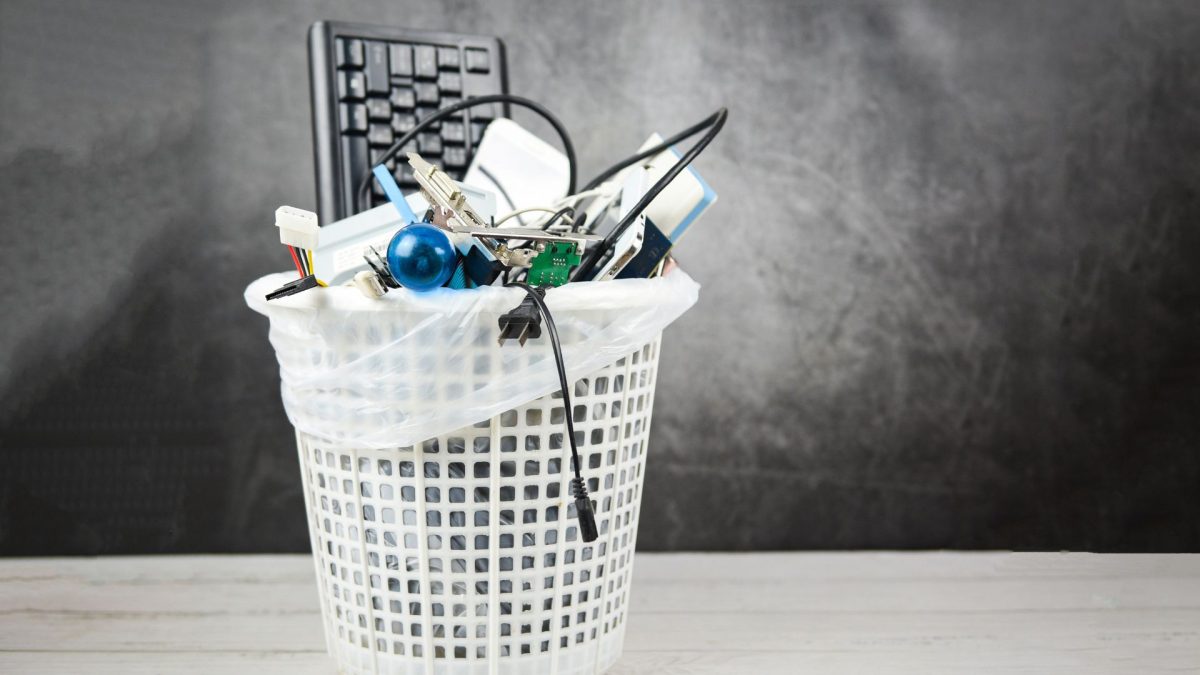
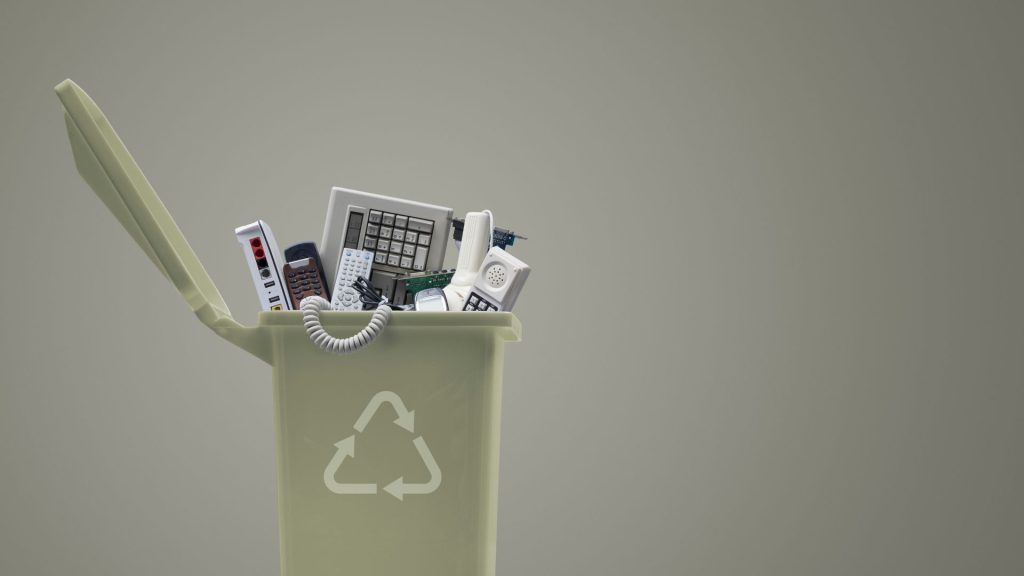
Electronic waste, or e-waste, includes a variety of discarded devices that can contain hazardous substances such as lead, mercury, and cadmium. These materials, when improperly handled, pose serious risks to both human health and the environment. Exposure to toxic chemicals can result from simple contact or inhalation, and contamination of soil and water sources is a frequent consequence of careless disposal. It’s crucial to recognize which items fall under the category of hazardous e-waste, including old computers, batteries, monitors, and other electronic devices. Understanding the risks involved lays the groundwork for responsible disposal practices, ensuring the safety of your household and your community. Additionally, separating hazardous e-waste from regular trash helps streamline the recycling process, making it more efficient and safer for professionals who handle these materials daily.

Disposing of hazardous e-waste requires careful planning and attention to detail. Simply tossing electronics into the garbage is no longer an acceptable practice due to regulations and environmental concerns. Implementing a strategy that involves collection, secure storage, and proper handoff to certified recycling centers significantly reduces potential harm. Educating yourself about local disposal regulations and available recycling programs equips you with the knowledge to make environmentally conscious choices. By taking these steps, you not only protect your immediate surroundings but also contribute to broader efforts aimed at preserving natural resources and minimizing landfill waste. Proper understanding of hazardous e-waste lays the foundation for a safer, greener future.

Identifying Hazardous Components in Electronics

Certain components in electronic devices are particularly hazardous and require careful handling. Batteries, especially lithium-ion or lead-acid types, are highly reactive and can explode or leak harmful chemicals if damaged. Circuit boards often contain traces of heavy metals, which can be toxic if released into the environment. Cathode ray tube monitors and older LCD screens contain significant amounts of lead, while fluorescent lighting used in some devices may harbor mercury. Recognizing these components before disposal is essential to avoid accidents and ensure they are processed safely by professionals. Labeling items with potential hazards and segregating them from non-toxic electronics can also help waste management services handle them appropriately.

Hazardous components are not always obvious to the untrained eye, making awareness and education crucial. Manufacturers and recycling centers often provide guidelines for identifying dangerous elements in devices, which can guide your disposal strategy. Using protective equipment such as gloves and eye protection when handling these items reduces personal risk. Moreover, storing hazardous e-waste in secure, moisture-free containers prevents chemical leaks and minimizes environmental contamination. By thoroughly identifying the risky components and understanding their properties, individuals can play a vital role in preventing ecological damage and safeguarding public health, reinforcing a culture of responsible e-waste management.

Preparing E-Waste for Safe Disposal

Before turning over electronic waste to a recycling facility, preparation is key to ensure safety and compliance with environmental standards. Begin by backing up data from devices such as computers, smartphones, and external drives to prevent loss of valuable information. Once data is secured, remove batteries and other hazardous parts and store them separately in a safe, labeled container. This step is critical in preventing accidental chemical exposure or reactions during transportation. Additionally, check with local disposal programs for specific instructions, as regulations can vary between municipalities and counties, affecting how e-waste must be handled.

Proper preparation also includes cleaning and organizing the materials for easier processing. Removing cables, accessories, and peripheral parts not only makes recycling more efficient but also reduces the risk of damage to equipment and exposure to toxins. When packaging items, use boxes or containers that prevent breakage and potential spills of hazardous substances. This careful organization ensures that e-waste reaches certified recycling facilities intact and ready for processing, minimizing the environmental footprint. Thoughtful preparation is a proactive measure that makes the disposal process smoother and safer for everyone involved.

Using Certified E-Waste Recycling Facilities

Certified e-waste recycling facilities are equipped to handle hazardous materials safely, ensuring they are processed in an environmentally responsible manner. These facilities follow strict guidelines to separate, decontaminate, and recycle electronic components, recovering valuable metals while preventing toxic substances from entering landfills. Utilizing certified centers is vital for compliance with local laws and environmental regulations. Look for recycling centers with industry-recognized certifications that guarantee adherence to safety and sustainability standards, which provide peace of mind when disposing of complex electronics.
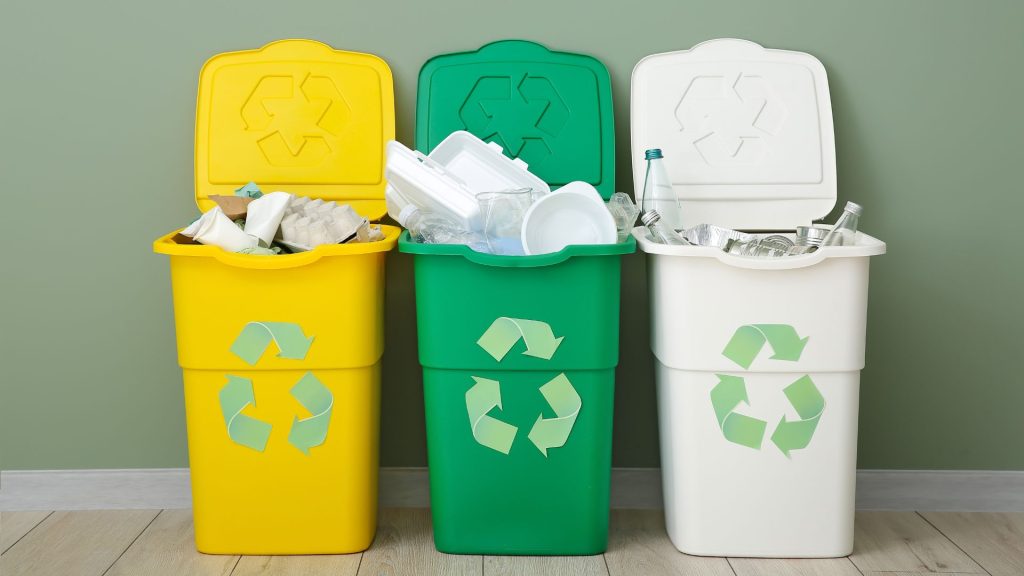
E-Waste Materials

Professional facilities also offer convenient services such as pickup and secure data destruction, addressing both safety and privacy concerns. By choosing a certified recycler, you reduce the risk of hazardous substances leaching into the environment and support a circular economy where materials are reused rather than discarded. Engaging with reputable e-waste recyclers promotes responsible disposal habits and fosters community awareness about the importance of keeping electronics out of landfills. Certified facilities serve as a critical link in the chain of sustainable electronic waste management.

Safe Transportation of Hazardous E-Waste

Transporting hazardous e-waste requires careful attention to prevent accidents and environmental contamination. Proper packaging is essential, with leak-proof containers for batteries and padding for fragile items such as screens. Avoid mixing e-waste with general household trash, as accidental breakage can release toxic chemicals. During transport, keep items upright and secure to minimize movement that could damage components. Additionally, follow all local regulations regarding the transport of hazardous materials, including labeling and quantity restrictions.

When transporting e-waste yourself, ensure your vehicle is ventilated and avoid storing materials in hot or humid conditions, which can exacerbate chemical reactions. For larger quantities or particularly dangerous items, professional services offer safer alternatives, handling pickup and transportation with specialized equipment. This reduces personal risk and ensures compliance with environmental laws. Safe transportation is a critical stage in the disposal process, protecting both the individual and the community while ensuring that hazardous e-waste reaches recycling centers intact and ready for responsible processing.

Minimizing Environmental Impact Through Recycling

Recycling hazardous e-waste mitigates its negative environmental impact by preventing the release of toxic chemicals into ecosystems. Metals, plastics, and glass components can be recovered and reused, reducing the need for raw material extraction and lowering energy consumption. Responsible recycling also curtails the buildup of waste in landfills, protecting soil and water quality and preserving biodiversity. By contributing e-waste to certified recyclers, individuals actively participate in a sustainable system that prioritizes conservation and public health.

Furthermore, recycling programs help raise awareness of the ecological consequences of improper disposal. Educational campaigns, community collection events, and corporate recycling initiatives demonstrate the collective benefits of proper e-waste management. The recovery of valuable materials not only has economic advantages but also encourages innovation in sustainable product design. Embracing recycling as part of hazardous e-waste disposal fosters an environmentally conscious mindset that extends beyond the disposal process, promoting long-term stewardship of natural resources and reduced environmental impact.

Handling Batteries and Power Sources

Batteries and other power sources within electronics present unique challenges due to their chemical composition and potential hazards. Lithium-ion, nickel-cadmium, and lead-acid batteries can pose fire, explosion, and contamination risks if punctured, overheated, or improperly disposed of. It is crucial to store these power sources separately from other e-waste and follow facility-specific disposal instructions. Using protective gloves, eye protection, and non-conductive containers adds an extra layer of safety during handling and storage.

Proper labeling of batteries and ensuring they are fully insulated prevents accidental short-circuits and chemical leaks. Many recycling centers offer dedicated battery collection programs, simplifying safe disposal while avoiding environmental contamination. In addition to safety, recycling batteries recovers valuable metals like cobalt, nickel, and lead, reducing the demand for virgin resources. By handling power sources carefully, individuals contribute to a safer disposal process while supporting sustainable practices and responsible resource management in the e-waste ecosystem.

Preventing Data Breaches When Disposing Electronics

Disposing of electronics containing personal or sensitive information requires special consideration to prevent data breaches. Devices like computers, tablets, and smartphones often store passwords, financial data, and private communications. Secure data deletion, such as factory resets or certified data destruction services, is essential before disposal. Many e-waste recyclers offer guarantees that all data will be safely wiped, providing peace of mind while ensuring legal and privacy compliance.

Additionally, physically destroying storage media, such as hard drives or memory cards, further mitigates the risk of unauthorized access. Organizing electronics by device type and noting those with sensitive data helps ensure careful handling during the recycling process. Taking these precautions protects both personal information and the integrity of the disposal system, reinforcing the connection between safety, environmental responsibility, and digital security. Responsible data management complements the broader effort to safely recycle hazardous e-waste materials.

Community Participation in Hazardous E-Waste Collection

Community involvement strengthens hazardous e-waste collection efforts by providing accessible drop-off points and educational programs. Local governments, schools, and organizations often host collection events to safely gather electronics, offering residents an easy and environmentally friendly disposal option. Participating in these initiatives promotes environmental awareness and creates a culture of responsibility around e-waste management. These programs often collaborate with certified recyclers, ensuring hazardous materials are processed safely and sustainably.

Engaging with community collection events also encourages neighbors and peers to adopt similar practices, amplifying the positive impact. Outreach campaigns can inform residents about hazardous components, proper packaging, and the importance of separating e-waste from regular trash. By collectively addressing the challenges of hazardous e-waste, communities reduce environmental risks, prevent illegal dumping, and foster collaboration between citizens, local authorities, and professional recyclers. Participation strengthens the connection between responsible disposal habits and environmental stewardship at the local level.

Future-Proofing Your E-Waste Disposal Habits

Planning ahead ensures that hazardous e-waste is managed sustainably over the long term. Establishing a regular schedule for evaluating and disposing of outdated electronics prevents accumulation and reduces last-minute disposal risks. Staying informed about technological advances, new recycling techniques, and updated regulations helps individuals adapt their disposal habits effectively. By anticipating changes, you can make environmentally sound choices consistently, minimizing both health hazards and ecological impact.

Additionally, investing in durable, recyclable electronics and responsibly sourcing new devices can reduce the volume of hazardous e-waste produced. Educating family members or colleagues on proper disposal practices further strengthens sustainable habits, creating a culture of accountability and mindfulness. Future-proofing disposal habits fosters a proactive approach to e-waste management, ensuring that each generation contributes to safer, greener communities while reducing the long-term burden on recycling infrastructure and the environment.

Conclusion

Safely disposing of hazardous e-waste is a responsibility that combines awareness, preparation, and engagement with professional services. By understanding the risks, identifying dangerous components, and leveraging certified recycling facilities, individuals can prevent environmental contamination and protect public health. Proper preparation, careful transportation, and secure data handling enhance safety and ensure compliance with local regulations, creating a responsible e-waste ecosystem. Participating in community initiatives and maintaining long-term disposal habits further reinforces the importance of sustainable practices.

For residents of Palatine, IL seeking expert assistance, 24-7 Junk Removal provides comprehensive junk removal services including the safe disposal of hazardous e-waste. Their professional teams handle materials efficiently, ensuring environmentally responsible recycling and data protection. Contact 24-7 Junk Removal at (773) 309-6966 or visit their location at 611 W. Wise Schaumburg, IL 60193 for reliable junk removal solutions. Their commitment to sustainable practices makes them a trusted partner for safeguarding both your property and the environment, offering peace of mind with every service.
Categories
E-Waste Disposal

Why Proper E-Waste Disposal Is Crucial for Our Health

Electronic waste may appear harmless, tucked away in attics, garages, or closets, yet it harbors a silent threat to human health. Devices like old computers, smartphones, and TVs contain heavy metals, including lead, mercury, and cadmium, which can leach into the environment if improperly discarded. These substances pose severe health risks, ranging from respiratory issues to neurological disorders, particularly in children and vulnerable populations. Ignoring the hazards of discarded electronics can quietly degrade the quality of life in our communities, affecting both personal well-being and public health infrastructure.

Beyond heavy metals, e-waste can release toxic chemicals during decomposition or incineration. These chemicals, once airborne or absorbed into soil and water, can enter the human body through ingestion or inhalation, triggering a range of chronic illnesses over time. Proper e-waste disposal minimizes this exposure, protecting not just individuals but the broader environment. Understanding the risks embedded in neglected electronics helps cultivate responsible disposal practices that safeguard health, highlighting the vital link between environmental stewardship and human safety.

Environmental Impact on Public Health

E-waste improperly discarded can contaminate soil and groundwater, indirectly affecting communities through agricultural products and drinking water. When hazardous components seep into the ecosystem, they disrupt the delicate balance of natural processes, leading to bioaccumulation of toxins in plants, animals, and ultimately humans. This chain reaction creates an invisible but persistent health threat that can manifest in subtle ways over decades. By responsibly managing e-waste, communities can prevent harmful substances from entering the food chain, reducing long-term public health challenges.

Moreover, the environmental consequences of improper e-waste disposal extend to air quality. Burning electronic components, a common practice in unregulated areas, releases dioxins and furans, highly toxic compounds linked to cancer and reproductive disorders. Such practices underscore the importance of structured recycling programs that neutralize toxins and reclaim valuable materials safely. By treating electronic waste with caution and intelligence, society can protect both the environment and public health, reinforcing the essential connection between ecological care and human well-being.

Protecting Children from E-Waste Hazards

Children are especially vulnerable to the dangers posed by e-waste due to their developing bodies and higher susceptibility to toxins. Exposure to lead and mercury, commonly found in electronics, can impair cognitive development and disrupt hormonal balance, creating long-lasting health issues. Even minor contact with contaminated surfaces or ingestion of small particles can have significant repercussions, making safe disposal a top priority in households and schools.

Creating awareness about e-waste in educational environments can empower families to adopt safer practices. Encouraging community drop-off events and integrating electronic recycling into local routines ensures that children grow up in a safer, cleaner environment. By emphasizing protection for younger generations, proper disposal becomes a shared responsibility that benefits society as a whole. Safety measures today prevent future health crises, illustrating that e-waste management is as much about human care as it is about environmental responsibility.

The Role of Recycling in Health Preservation

Recycling e-waste plays a critical role in mitigating health risks. Through careful separation of hazardous materials and secure processing, toxins are prevented from contaminating air, water, and soil. This practice not only recovers valuable metals like gold, silver, and copper but also ensures that dangerous substances are neutralized or safely contained, minimizing exposure to humans and wildlife.

E-Waste Disposal

In addition, recycling reduces the demand for raw material extraction, which often involves environmentally destructive mining. By reclaiming metals from discarded electronics, communities indirectly prevent further environmental degradation that can compromise human health. Sustainable recycling practices transform waste into resources, creating a circular economy that preserves both ecological and human health. Ultimately, thoughtful recycling establishes a protective barrier between harmful substances and the populations they could affect, underlining the health benefits of responsible e-waste management.

Reducing Chemical Exposure at Home

Homes often contain forgotten electronics that quietly pose chemical threats. Old batteries, laptops, and circuit boards release heavy metals and flame retardants over time, which can accumulate in household dust. Individuals unknowingly inhale or ingest these substances, creating chronic exposure scenarios that gradually harm the body. By committing to regular e-waste collection and professional disposal, homeowners reduce these risks and promote a healthier living environment.

Practical steps, such as designated e-waste bins and scheduled community pick-ups, are essential for mitigating domestic exposure. Educating families about the unseen dangers of neglected electronics fosters responsible habits, ensuring that toxic components are safely processed rather than lingering in living spaces. Simple changes in household practices can substantially lower the probability of chemical-related illnesses, demonstrating that e-waste management begins at home with careful attention to daily routines.

Community Responsibility in E-Waste Management

Community involvement in e-waste disposal is crucial for public health. Neighborhoods that organize collection drives and partner with certified recyclers prevent hazardous materials from entering landfills and water systems. Such collective action reinforces a culture of safety, emphasizing that the responsibility for healthy environments extends beyond individual households.

Collaborative initiatives also create opportunities for education, where residents learn about the hidden dangers of electronics and the benefits of proper disposal. Communities that actively engage in e-waste management experience fewer health issues related to pollution and contamination. By fostering participation, these efforts strengthen public awareness and promote a shared commitment to environmental stewardship, ultimately protecting both people and the planet from avoidable harm.

Health Risks of Improper Disposal Practices

Dumping electronics in regular trash or incinerating them can amplify health hazards. When heavy metals and toxic chemicals escape into the soil, water, and air, they create persistent contamination zones. This exposure may contribute to respiratory disorders, neurological impairments, and even cardiovascular problems over time, highlighting the severe consequences of negligence.

Understanding the health implications of careless disposal encourages individuals to take preventive measures. Choosing certified recycling facilities and professional junk removal services ensures that electronic components are processed in compliance with environmental and health standards. By prioritizing safe handling, society mitigates the long-term risks posed by hazardous substances, making responsible e-waste disposal an essential public health strategy.

Safeguarding Workers in the E-Waste Industry

Workers involved in handling e-waste face direct exposure to toxic substances. Without proper training, protective gear, and regulated processes, they risk developing serious health conditions, including skin disorders, respiratory complications, and heavy metal poisoning. Professional management of e-waste ensures that these hazards are minimized, protecting laborers from harmful interactions.

Certified e-waste services implement strict safety protocols and environmentally conscious methods to safeguard employees and prevent accidental contamination. By choosing services that prioritize worker safety, communities contribute to a healthier workforce while ensuring that toxic elements are processed safely. This dual benefit underscores the broader significance of proper e-waste disposal, which extends beyond households to the well-being of those who manage the recycling process professionally.

Long-Term Environmental Benefits for Human Health

Proper e-waste disposal not only protects immediate health but also offers long-term ecological advantages. When electronics are recycled responsibly, fewer toxins accumulate in soil and water, reducing the risk of chronic diseases associated with environmental pollution. Healthy ecosystems translate into healthier human populations by maintaining cleaner air, water, and food sources.

Moreover, sustainable disposal practices promote the reclamation of valuable materials, lowering the environmental footprint of new production. By supporting a circular economy, society minimizes the extraction of raw resources that often disrupt natural habitats and compromise public health. The ripple effect of responsible e-waste handling extends across generations, emphasizing that today’s choices in electronic waste management have a profound impact on future health outcomes.

Integrating E-Waste Awareness into Daily Life

Embedding e-waste consciousness into daily routines is essential for safeguarding health. Families can establish simple practices such as sorting electronics, labeling outdated items, and participating in scheduled collection events. Such habits normalize responsible disposal and reduce inadvertent exposure to hazardous materials.

Beyond personal routines, educational campaigns and workplace initiatives can amplify awareness, ensuring that a wider population understands the importance of safe handling. By consistently integrating these practices, communities cultivate environments where e-waste management is not an afterthought but a proactive step toward sustaining both environmental and human health. Education, habit, and community support combine to create a resilient system that mitigates risks and promotes long-term well-being.

Conclusion

Proper e-waste disposal is not merely a matter of convenience; it is a critical factor in maintaining personal and public health. The hazards posed by heavy metals, toxic chemicals, and unsafe handling practices underscore the importance of structured recycling and responsible removal. By engaging in safe disposal methods, individuals can prevent contamination, protect children, reduce chemical exposure at home, and support the well-being of workers handling electronics. Communities that prioritize e-waste management foster healthier environments and mitigate long-term risks, ensuring that everyone benefits from cleaner air, water, and soil.

For residents of Palatine, IL seeking professional assistance, 24-7 Junk Removal offers comprehensive junk removal services with an emphasis on responsible e-waste management. Their team ensures that electronics are safely collected, recycled, or donated whenever possible, protecting both the environment and public health. Contact 24-7 Junk Removal at (773) 309-6966 or visit 611 W. Wise Schaumburg, IL 60193 to schedule efficient and eco-conscious junk removal. Their dedication to safe disposal provides peace of mind while keeping the community healthier.

Categories
E-Waste Disposal

The Impact of E-Waste on Our Environment and How to Dispose of It

Electronic waste, commonly known as e-waste, encompasses discarded gadgets, appliances, and other electronic devices. These items, often containing toxic substances such as lead, mercury, and cadmium, pose a substantial threat to the environment when disposed of improperly. As electronics become more advanced, the volume of e-waste grows exponentially, creating challenges for waste management systems. When e-waste ends up in landfills, hazardous chemicals can leach into soil and groundwater, contaminating ecosystems and endangering plant and animal life. Air pollution can also result from burning e-waste, releasing dangerous toxins that contribute to respiratory issues and other health problems.

Furthermore, e-waste represents a significant loss of valuable resources. Metals like gold, silver, and copper are trapped inside old electronics, often requiring energy-intensive mining processes to extract when recycled improperly or left unused. The environmental footprint of these mining operations is vast, including deforestation, greenhouse gas emissions, and water pollution. Addressing e-waste not only prevents environmental contamination but also promotes resource conservation. Recognizing the scale of these threats is the first step toward developing responsible disposal habits that reduce ecological damage and safeguard human health.

The Growing Problem of Discarded Electronics

Modern society relies heavily on electronic devices, from smartphones and computers to kitchen appliances. While these technologies enhance daily life, they contribute to the mounting e-waste crisis. Rapid technological advancements lead to shorter product lifespans, causing consumers to discard functioning devices prematurely. This throwaway culture accelerates the accumulation of e-waste, overwhelming municipal waste systems and informal recycling sectors, which often lack the infrastructure to manage toxic materials safely.

The environmental burden is not limited to the disposal stage. Manufacturing new electronics consumes vast amounts of energy and raw materials, intensifying carbon emissions and environmental degradation. Recycling and proper disposal reduce this demand by recovering materials and minimizing the need for new extraction. Education on responsible consumption, coupled with accessible recycling options, plays a crucial role in mitigating these impacts. Communities that embrace sustainable disposal practices can significantly decrease the ecological footprint of e-waste while encouraging a circular economy that benefits both society and the planet.

Toxic Chemicals Found in E-Waste

E-waste contains an array of hazardous substances that threaten environmental and human health. Lead, often found in circuit boards and cathode-ray tubes, can cause neurological damage and developmental delays in children. Mercury, present in older batteries and screens, contaminates water and soil, bioaccumulating in fish and posing health risks to wildlife and humans. Cadmium, another toxic metal, is used in batteries and semiconductors, causing kidney damage and bone weakness when improperly managed. These substances, once released into the environment, are extremely difficult to remove and persist for decades, creating long-term hazards.

E-Waste

Plastic components coated with flame retardants also contribute to pollution when incinerated, releasing toxic fumes into the air. Informal recycling practices, especially in developing regions, exacerbate these risks, exposing workers to dangerous conditions without protective equipment. Understanding the chemical dangers embedded in discarded electronics highlights the importance of proper handling and disposal. By prioritizing eco-friendly methods, such as certified recycling and donation programs, the release of harmful chemicals can be minimized, preserving ecosystems and public health.

The Role of Landfills in E-Waste Pollution

Landfills are a primary destination for discarded electronics, yet they often fail to contain the toxic substances within e-waste. When devices are buried without proper treatment, rainwater can leach chemicals into the soil, contaminating local water supplies. These pollutants disrupt microbial communities, impair soil fertility, and threaten agriculture. In areas where groundwater serves as the main source of drinking water, e-waste contamination becomes a serious public health concern, contributing to chronic illnesses and long-term exposure risks.

In addition to chemical hazards, landfills generate greenhouse gases such as methane, which intensify global warming. Electronics that could have been recycled occupy space, compounding the strain on waste management systems and increasing the ecological footprint of communities. Reducing the flow of e-waste to landfills through collection programs and sustainable disposal initiatives mitigates these environmental pressures. Efficient waste management strategies, paired with community engagement, ensure that toxic materials are safely removed, while reusable components re-enter the production cycle, supporting environmental sustainability.

Recycling E-Waste: A Sustainable Solution

Recycling is a pivotal strategy in addressing the environmental challenges posed by e-waste. Proper recycling processes dismantle devices safely, separating hazardous substances from reusable materials. Metals, plastics, and glass recovered during recycling reduce the demand for virgin resources, thereby decreasing energy consumption, carbon emissions, and environmental degradation. Effective recycling programs also prevent the release of toxic chemicals into the environment, protecting ecosystems and human health simultaneously.

In addition to environmental benefits, recycling promotes economic opportunities. Certified e-waste recycling centers create jobs in collection, sorting, and processing while supporting a circular economy where materials are continuously reused. Local communities can engage in responsible disposal through accessible drop-off points or organized collection drives, fostering awareness of the ecological impact of e-waste. By embracing recycling as a standard practice, society can mitigate the environmental footprint of electronic devices while maintaining a balance between technological advancement and ecological stewardship.

Donating and Reusing Electronics

Beyond recycling, donation and reuse of electronic devices play a critical role in reducing e-waste. Many gadgets retain functionality even when their owners consider them obsolete. By donating these items to charities, schools, or community organizations, consumers extend the useful life of electronics, conserving resources and decreasing environmental pressures. Reuse prevents premature disposal, reduces landfill accumulation, and ensures that devices serve multiple users over time.

Reusing electronics also fosters social benefits, providing access to technology for underprivileged communities. Programs that refurbish devices, such as computers and smartphones, can support educational and professional development initiatives. Additionally, responsible reuse encourages manufacturers to design durable and repairable products, creating a culture that values sustainability over rapid consumption. Prioritizing donation and reuse alongside recycling forms a comprehensive approach to managing e-waste, balancing environmental conservation with societal benefits and reducing the ecological impact of discarded electronics.

The Importance of Certified E-Waste Disposal Services

Certified e-waste disposal services ensure that hazardous materials are handled according to strict environmental regulations. These professionals follow protocols to safely dismantle electronics, transport toxic substances, and recycle components responsibly. Choosing certified services mitigates the risk of environmental contamination and protects communities from exposure to harmful chemicals. Compliance with regulatory standards guarantees that e-waste is processed in an environmentally sound manner, rather than being sent to informal or illegal recycling operations.

Certified services also provide traceability, allowing consumers to verify that their discarded devices are managed ethically. Transparency ensures accountability and reassures customers that materials are not dumped in unsafe locations or improperly processed. Utilizing certified e-waste disposal strengthens the overall sustainability of electronic consumption, supports the circular economy, and reinforces public trust in responsible waste management practices. By integrating professional services into disposal habits, individuals and businesses can contribute meaningfully to environmental protection while maintaining compliance with regulations.

Environmental Policies and E-Waste Management

Governments and local authorities play a crucial role in regulating e-waste disposal. Environmental policies often mandate recycling, set limits on hazardous emissions, and provide guidelines for manufacturers to manage the end-of-life of electronic products. Effective legislation encourages the development of infrastructure for collection, sorting, and recycling, ensuring that e-waste does not accumulate in landfills or enter informal recycling sectors.

Policies promoting extended producer responsibility compel manufacturers to design products that are more sustainable and easier to recycle. Incentives for consumers, such as trade-in programs or tax benefits for recycling, further enhance participation in proper disposal practices. Strong regulatory frameworks, combined with community education, create a comprehensive system where the environmental impact of e-waste is minimized. These measures not only protect natural resources but also safeguard public health, ensuring that society can benefit from technology without compromising ecological integrity.

Raising Public Awareness About E-Waste

Education and public awareness campaigns are essential for promoting responsible e-waste management. Many individuals remain unaware of the environmental hazards associated with improper disposal or the options available for recycling and reuse. Awareness initiatives can inform communities about the importance of segregating e-waste, locating certified disposal centers, and participating in local collection events.

Engaging the public through workshops, social media, and school programs cultivates a culture of environmental responsibility. Knowledgeable consumers are more likely to adopt sustainable consumption habits, prioritize repair over replacement, and advocate for stronger e-waste policies. Raising awareness not only reduces the environmental impact of electronics but also encourages broader societal change. Collective understanding and action are pivotal in mitigating the effects of e-waste on ecosystems and human health, ultimately fostering a more sustainable future.

Technological Innovations in E-Waste Recycling

Advancements in recycling technology are transforming how e-waste is processed. Automated sorting systems, chemical recovery techniques, and environmentally friendly dismantling methods increase the efficiency and safety of recycling operations. These innovations allow for the extraction of valuable materials with minimal environmental impact, reducing the need for energy-intensive mining and decreasing waste sent to landfills.

Technological improvements also enable the development of smarter recycling programs, including tracking systems and predictive models that optimize collection routes and resource recovery. By integrating innovation into e-waste management, the industry can scale sustainable solutions while reducing costs and environmental risks. Embracing these advancements ensures that recycling practices evolve alongside technological consumption, creating a dynamic system that addresses the growing challenge of electronic waste responsibly.

Conclusion

Addressing the environmental impact of e-waste requires both awareness and action. Proper disposal methods, including recycling, reuse, and certified e-waste services, reduce the release of hazardous chemicals, conserve natural resources, and prevent ecological damage. Individuals, businesses, and governments each play a role in implementing strategies that manage electronic waste responsibly, ensuring long-term environmental protection. Sustainable e-waste management supports healthier ecosystems and communities while fostering a culture of responsibility in technological consumption.

For residents and businesses in Palatine, IL, 24-7 Junk Removal provides comprehensive and reliable junk removal services that prioritize eco-friendly practices. Their team efficiently collects and recycles electronics, reducing environmental harm and promoting responsible disposal. Customers can contact 24-7 Junk Removal at (773) 309-6966 or visit their location at 611 W. Wise Schaumburg, IL 60193. With professional, convenient, and environmentally conscious junk removal, the company ensures that electronic waste is managed safely and sustainably, making a tangible difference in the local community and beyond.

Categories
E-Waste Disposal

Top Benefits of E-Waste Disposal for a Cleaner Environment

Proper e-waste disposal ensures that valuable materials such as gold, silver, copper, and rare earth metals are recovered and reused rather than being wasted. When electronic waste ends up in landfills, these finite resources are lost, forcing industries to extract more from nature. Responsible disposal preserves these materials, reducing the need for environmentally damaging mining processes and conserving ecosystems. Recycling these metals also saves energy, as producing them from recycled components consumes far less power than mining from raw ore, contributing to a lower carbon footprint.

Moreover, reusing electronic components promotes a circular economy, where products and materials are continuously repurposed instead of being discarded. This approach decreases demand for new manufacturing, reduces greenhouse gas emissions, and extends the life cycle of precious resources. By ensuring that e-waste is properly handled, communities play an active role in preserving the environment. Protecting natural resources through conscious recycling choices demonstrates a commitment to sustainability and a cleaner future for generations to come, creating a tangible impact beyond the immediate disposal of electronics.

Reducing Toxic Pollution

E-waste often contains hazardous materials such as lead, mercury, cadmium, and brominated flame retardants, which can seep into soil and water if disposed of improperly. By choosing responsible e-waste disposal methods, these dangerous substances are safely contained and processed, preventing contamination of ecosystems. Toxic pollutants in groundwater or rivers can harm aquatic life and infiltrate food chains, posing long-term health risks for humans and wildlife alike. Proper recycling facilities follow strict safety standards, neutralizing or safely storing these toxins, minimizing their harmful effects on the environment.

In addition, reducing toxic pollution preserves air quality, as burning or mishandling electronic waste releases dangerous chemicals into the atmosphere. These pollutants contribute to respiratory issues, climate change, and environmental degradation. By diverting e-waste from landfills and incinerators, communities prevent these harmful emissions and promote cleaner air. The collective effort to manage e-waste responsibly ensures that harmful substances do not compromise public health or ecological balance, supporting a healthier, more sustainable world.

Energy Conservation Through Recycling

Recycling e-waste significantly lowers the energy required to produce new electronic devices. Extracting raw materials from the earth consumes vast amounts of energy, whereas reclaiming metals and components from discarded electronics is far more efficient. For example, recycling aluminum from old devices uses up to 95 percent less energy than creating it from bauxite ore. This energy reduction directly translates into fewer greenhouse gas emissions, mitigating climate change and decreasing the environmental impact of electronics production.

Additionally, energy conservation extends to manufacturing processes, as using recycled materials reduces the need for intensive mining, smelting, and refining operations. Industries that incorporate recycled components operate more sustainably, lessening the strain on natural resources and minimizing energy consumption. When households and businesses commit to proper e-waste disposal, they indirectly support a reduction in global energy demands. The cumulative effect of this practice contributes to a more sustainable energy landscape and a cleaner environment, demonstrating that even small recycling efforts have far-reaching positive consequences.

Minimizing Landfill Waste

Improper disposal of electronics contributes heavily to landfill congestion. E-waste is bulky and non-biodegradable, taking hundreds of years to decompose while releasing toxic chemicals into the environment. By ensuring electronic devices are properly recycled or repurposed, less material ends up in landfills, extending their operational lifespan and reducing the need for new landfill sites. This proactive approach alleviates pressure on waste management systems, allowing communities to handle other forms of waste more efficiently.

E-Waste Disposal

Furthermore, minimizing landfill waste mitigates soil and water contamination caused by leachate, a toxic liquid produced when e-waste decomposes. This process can disrupt ecosystems, harm agriculture, and affect human health. Responsible disposal practices prevent e-waste from entering these fragile environments, preserving the quality of surrounding land and water resources. Encouraging the diversion of electronics from landfills ensures a cleaner, safer, and more sustainable environment while fostering a culture of responsible consumption and disposal among communities.

Promoting Reuse and Circular Economy

Proper e-waste disposal encourages the refurbishment and resale of electronics, promoting a circular economy that extends the lifespan of devices. Functional components can be repurposed for new electronics, reducing the demand for freshly manufactured materials. This cycle minimizes waste, conserves resources, and creates opportunities for affordable technology access to those who might otherwise be unable to afford new devices. A circular economy emphasizes sustainability by keeping materials in use as long as possible, reducing the environmental footprint of production and consumption.

In addition, the practice of reusing electronics fosters innovation in repair and refurbishment industries. Technicians gain expertise in maintaining and upgrading devices, encouraging local economies while reducing environmental strain. Communities benefit from decreased electronic waste and increased access to functional technology. By embracing the principles of reuse, society shifts from a disposable mindset to one of resource efficiency and long-term sustainability. Proper e-waste disposal becomes a cornerstone of this transition, demonstrating that environmental stewardship and economic opportunity can coexist harmoniously.

Preventing Soil and Water Contamination

E-waste contains hazardous substances that, if not handled correctly, can leach into soil and water systems. Lead, mercury, and cadmium can accumulate in the environment, disrupting soil chemistry and contaminating drinking water sources. Responsible disposal ensures these dangerous materials are processed in controlled environments, preventing harmful leakage into ecosystems and communities. Protecting soil and water quality is vital for agriculture, wildlife, and public health, as contamination can trigger widespread ecological damage and long-term health concerns.

Beyond chemical contamination, e-waste in landfills can degrade soil fertility and harm microorganisms essential for natural nutrient cycles. By diverting electronics from landfill disposal, communities safeguard the integrity of soil ecosystems, ensuring they remain productive and balanced. Clean water sources are similarly preserved, protecting biodiversity and human populations from exposure to toxic substances. Responsible e-waste management demonstrates an understanding of the interconnectedness of environmental health and human well-being, highlighting the necessity of sustainable disposal practices.

Supporting Ethical Recycling Practices

Proper e-waste disposal supports recycling companies that adhere to ethical and environmentally responsible standards. Many facilities follow stringent protocols to ensure hazardous materials are safely handled, and valuable resources are efficiently recovered. This reduces the prevalence of informal recycling practices that often involve unsafe labor conditions and environmental damage, particularly in developing regions where e-waste exportation is common. Supporting ethical practices fosters accountability and transparency in the global electronics lifecycle.

Furthermore, ethical recycling emphasizes compliance with environmental regulations, promoting a culture of responsibility among manufacturers, consumers, and waste management companies. Communities can trust that their e-waste will be processed in ways that minimize harm while maximizing recovery of valuable materials. Choosing to dispose of electronics responsibly ensures that the environmental benefits of recycling are fully realized, supporting sustainable practices and reducing the social and ecological consequences associated with improper handling. Ethical recycling becomes a cornerstone of a cleaner, more conscientious world.

Encouraging Community Awareness and Participation

Proper e-waste disposal initiatives increase public awareness of environmental issues and the impact of electronic waste. Community programs, collection drives, and educational campaigns inform individuals about the dangers of improper disposal and the benefits of recycling. When people understand the ecological consequences of their actions, they are more likely to participate in sustainable practices, creating a ripple effect that amplifies environmental protection efforts across neighborhoods and cities.

Participation also builds a sense of communal responsibility, encouraging residents and businesses to work together toward waste reduction. Events focused on electronics recycling foster collaboration between local authorities, schools, and businesses, creating networks that support long-term sustainability goals. By promoting awareness and engagement, communities not only reduce e-waste but also cultivate a culture of environmental stewardship, where individuals feel empowered to make choices that positively impact their surroundings and future generations.

Reducing Greenhouse Gas Emissions

Recycling e-waste helps lower greenhouse gas emissions associated with manufacturing new electronics from raw materials. Extracting, refining, and producing metals requires significant energy, often sourced from fossil fuels, contributing to carbon dioxide and other greenhouse gas emissions. By diverting electronic waste into recycling streams, the need for energy-intensive processes is reduced, resulting in a measurable decrease in environmental pollution and climate impact.

Additionally, proper disposal prevents the incineration of e-waste, which releases harmful gases into the atmosphere. These emissions contribute not only to climate change but also to air pollution, posing health risks to humans and wildlife. Communities that prioritize responsible e-waste disposal effectively combat climate change at a local level, demonstrating how small, consistent actions can collectively reduce carbon footprints. This reduction in emissions exemplifies the interconnectedness of sustainable waste management and climate responsibility.

Boosting Economic Opportunities

The e-waste recycling industry creates job opportunities in collection, sorting, refurbishment, and recycling operations. Skilled technicians, logistics personnel, and management professionals are needed to efficiently handle electronic waste, providing employment opportunities while fostering economic growth. Communities that embrace e-waste recycling benefit from local business development, as companies invest in infrastructure, training, and equipment to process materials responsibly.

Economic opportunities extend beyond direct employment, as businesses gain access to valuable recovered materials that can be sold or reused in manufacturing. This reduces costs and supports circular economic models where resources retain their value over time. By integrating e-waste recycling into community planning, municipalities can simultaneously promote environmental protection and economic resilience. Proper disposal thus becomes a multifaceted benefit, addressing ecological, social, and financial dimensions.

Conclusion

Proper e-waste disposal plays an indispensable role in creating a cleaner and safer environment. By reducing toxic pollution, conserving energy, and promoting the reuse of valuable materials, communities actively participate in sustainability and environmental protection. Minimizing landfill waste and supporting ethical recycling practices ensures that both natural resources and human health are preserved. This holistic approach to managing electronic waste demonstrates the power of collective responsibility in shaping a greener future.

24-7 Junk Removal in Palatine, IL, offers professional junk removal services that ensure responsible handling of electronic waste. Their team is equipped to manage residential and commercial disposal efficiently, contributing to environmental sustainability while providing convenience for customers. To schedule services, call (773) 309-6966 or visit 611 W. Wise Schaumburg, IL 60193. By choosing professional disposal, communities can reduce their carbon footprint, support local recycling initiatives, and ensure e-waste is processed safely, creating long-term benefits for the environment and future generations.

Categories
E-Waste Disposal

How to Properly Dispose of Electronics and Appliances the Green Way

Electronic devices and household appliances may seem harmless once discarded, yet their environmental footprint is significant. Old gadgets contain metals, plastics, and hazardous chemicals that, if improperly disposed of, can leach into soil and water. Even small items like batteries or outdated phones pose risks when tossed in general trash. Recognizing the hidden hazards behind everyday electronics is a critical step toward responsible disposal. By appreciating the full scope of e-waste consequences, you can make more informed choices that protect ecosystems and human health. Green disposal practices minimize these dangers and encourage a cycle of reuse and recycling.

Taking the time to understand your e-waste’s impact also allows households and businesses to participate actively in sustainable efforts. Appliances like refrigerators and washing machines contain refrigerants or heavy metals that require special handling. Similarly, electronics such as computers and televisions carry intricate circuits with valuable recoverable materials. By acknowledging the potential environmental harm and the opportunity for material recovery, you can transform a simple decluttering task into an environmentally conscious action. Responsible disposal not only mitigates pollution but also contributes to the broader movement toward a sustainable future.

Separating Recyclable Components from Hazardous Materials

Proper disposal starts with identifying what can be recycled versus what needs special attention due to toxic elements. Items like metal frames, plastic casings, and glass panels are often accepted at recycling centers, whereas batteries, CRT screens, and refrigerants require specialized processing. Understanding this distinction ensures that hazardous components do not contaminate otherwise recyclable materials. By separating components before disposal, you help streamline the recycling process and prevent environmental contamination. This small step can significantly enhance the efficiency of recycling operations and reduce landfill waste.

Creating a clear separation strategy also saves time and ensures compliance with local disposal regulations. Many municipalities now provide guidelines for sorting e-waste and appliances, making it easier for residents to act responsibly. Even minor efforts, such as storing batteries separately or removing appliance doors, can make a substantial difference. Thoughtful segregation ensures that valuable resources like copper, aluminum, and certain plastics are recovered efficiently, while hazardous substances are neutralized safely. This method exemplifies the practical steps anyone can take to make green disposal a reality in everyday life.

Finding Local Recycling Centers and Drop-Off Locations

One of the most effective ways to ensure electronics and appliances are disposed of properly is to locate certified recycling centers nearby. Local drop-off points often accept a wide range of devices, from old smartphones to large kitchen appliances. Recycling facilities typically have the expertise to dismantle electronics safely, recover valuable materials, and manage toxic elements responsibly. Utilizing these centers not only keeps hazardous materials out of landfills but also supports the local economy and reduces the carbon footprint associated with long-distance transportation.

Electronics and Appliances

Engaging with local resources also encourages community participation in sustainable practices. Many recycling centers host special collection events for items that cannot be disposed of with regular curbside pickup. By taking advantage of these opportunities, you contribute to reducing environmental pollution while promoting awareness about responsible disposal. Researching available facilities in advance and following their guidelines ensures your electronics and appliances are handled appropriately, maintaining the integrity of green disposal initiatives.

Utilizing Professional Junk Removal Services

Professional junk removal services provide a convenient and eco-friendly solution for disposing of electronics and appliances. These companies not only remove bulky items safely from homes or businesses but also ensure proper recycling and disposal of materials. Choosing a service committed to green practices guarantees that hazardous elements are treated responsibly and that recyclable materials are diverted from landfills. By hiring experts, you reduce the risk of injury, damage, or improper disposal associated with handling large or complex items.

Beyond convenience, using professional services enhances environmental accountability. Trained teams understand the regulations governing e-waste disposal and maintain connections with certified recycling facilities. Their knowledge enables them to identify which items can be donated, recycled, or safely processed, maximizing resource recovery. Additionally, these services often provide timely and efficient removal, allowing households and businesses to declutter without compromising sustainability goals. Professional involvement ensures that electronics and appliances are removed from your space responsibly while promoting greener disposal practices.

Preparing Electronics for Safe Disposal

Before disposing of electronics, it is essential to prepare devices properly to protect personal information and facilitate recycling. This includes wiping data from computers, smartphones, and tablets and removing batteries or any non-recyclable parts. Preparing devices correctly not only secures sensitive information but also ensures recyclers can efficiently extract valuable materials without contamination. By investing time in preparation, you enhance both the environmental and personal safety aspects of disposal.

Additionally, labeling components and separating cords or accessories can improve the recycling process. Many recycling facilities appreciate organized input, as it allows them to sort materials more effectively and recover usable elements. Preparing electronics thoughtfully also demonstrates a commitment to sustainable disposal, setting a positive example for neighbors, friends, and colleagues. Small actions, such as removing batteries or sorting detachable parts, may seem minor but collectively contribute to a more efficient and environmentally responsible recycling system.

The Role of Donations in Extending Product Life

Not all electronics or appliances are ready for recycling; some may still function and benefit others. Donating usable items can extend their lifecycle and reduce environmental strain. Charities, schools, and community organizations often accept working electronics and appliances, providing them to those in need. This approach reduces waste and fosters social responsibility while giving items a second life. By prioritizing donations before recycling, you contribute to both environmental and community well-being.

Evaluating items for donation requires an honest assessment of condition and functionality. Even slightly outdated devices may have practical uses in educational settings or for low-income households. By redirecting items to donation centers, you help decrease the demand for newly manufactured goods, indirectly reducing resource extraction and carbon emissions. Donation programs serve as a crucial bridge between disposal and sustainability, highlighting the intersection of environmental consciousness and social impact in managing electronics and appliances responsibly.

Understanding Manufacturer Take-Back Programs

Many electronics manufacturers offer take-back programs for old devices. These programs ensure items are recycled responsibly, often providing incentives for customers to return products. Manufacturer take-back initiatives reduce landfill accumulation, prevent environmental contamination, and promote circular economy principles. By participating in these programs, consumers support responsible disposal and contribute to broader sustainability goals. These initiatives also simplify the process, offering a direct route from ownership to safe recycling.

Take-back programs often include mail-in options, drop-off points, or trade-in opportunities for upgrades. By collaborating with manufacturers, consumers help recover valuable materials such as metals, plastics, and rare earth elements. Awareness of these programs allows individuals to make informed decisions about disposal, bypassing the uncertainty of general trash disposal. These initiatives exemplify how private companies can play a pivotal role in promoting environmentally conscious behaviors while offering practical solutions for electronics and appliance management.

Minimizing E-Waste Through Smart Purchasing

Reducing e-waste begins before the item reaches the end of its life. Making thoughtful purchasing decisions, such as choosing durable, repairable, or energy-efficient electronics, lowers the rate of disposal and environmental impact. Opting for high-quality appliances that last longer reduces frequent replacement cycles, ultimately minimizing waste. Considering repair options or extended warranties also helps prolong the utility of devices, supporting greener consumption habits.

Smart purchasing decisions have a ripple effect, influencing both environmental outcomes and consumer culture. By prioritizing longevity, energy efficiency, and recyclability, consumers encourage manufacturers to adopt sustainable production practices. Additionally, reducing unnecessary purchases curbs the extraction of raw materials and lessens carbon emissions associated with manufacturing and transportation. This proactive approach highlights the importance of conscious consumerism in addressing the broader challenges of electronics and appliance waste.

Safe Disposal of Refrigerants and Hazardous Components

Appliances like refrigerators and air conditioners contain refrigerants and other harmful chemicals that must be managed carefully. Improper disposal of these substances can cause ozone depletion, air pollution, and environmental harm. Specialized handling is required to remove and neutralize hazardous elements safely. Consulting certified disposal services ensures these components do not enter the ecosystem while complying with environmental regulations.

Understanding the dangers of refrigerants and hazardous components emphasizes the importance of professional handling. Many facilities employ trained technicians to extract these substances safely, preventing leaks or accidental exposure. By adhering to strict safety protocols, households and businesses reduce environmental damage and protect human health. Proper disposal of hazardous elements complements recycling efforts, contributing to a holistic approach that addresses both material recovery and environmental safety in electronics and appliance management.

Recycling Large Appliances Efficiently

Large appliances like washing machines, ovens, and water heaters require strategic planning for removal and recycling. Their size, weight, and complexity make safe handling essential. Efficient recycling involves dismantling units, segregating recyclable materials, and safely discarding any hazardous components. Facilities equipped to manage large items ensure maximum resource recovery while preventing environmental contamination. This structured approach highlights the importance of logistics and specialized knowledge in the green disposal of bulky appliances.

Planning ahead for large appliance recycling also minimizes risks to individuals performing the task. Many services offer pick-up solutions, reducing the physical burden and ensuring materials are directed to appropriate recycling channels. Proper dismantling and material separation are crucial for extracting metals, plastics, and other reusable components. Through careful handling, these otherwise cumbersome items become an opportunity to recover valuable resources and limit environmental harm, demonstrating the practical benefits of organized and eco-conscious disposal strategies.

Conclusion

Proper disposal of electronics and appliances is vital for environmental protection and resource conservation. By separating hazardous materials, utilizing recycling centers, and considering donations, individuals can dramatically reduce e-waste’s impact. Professional junk removal services play a key role in making the process convenient, safe, and environmentally responsible. These combined efforts support a cycle of reuse, recycling, and sustainable living.

For residents and businesses in Palatine, IL, 24-7 Junk Removal offers expert assistance with eco-friendly disposal and junk removal services. Their team ensures appliances and electronics are handled safely, with a focus on recycling and reducing landfill waste. For scheduling and inquiries, contact them at (773) 309-6966. Their location at 611 W. Wise Schaumburg, IL 60193 and email support@24-7junk.com make accessing these services straightforward. Partnering with professionals ensures that your disposal practices are responsible, efficient, and contribute positively to the environment.