

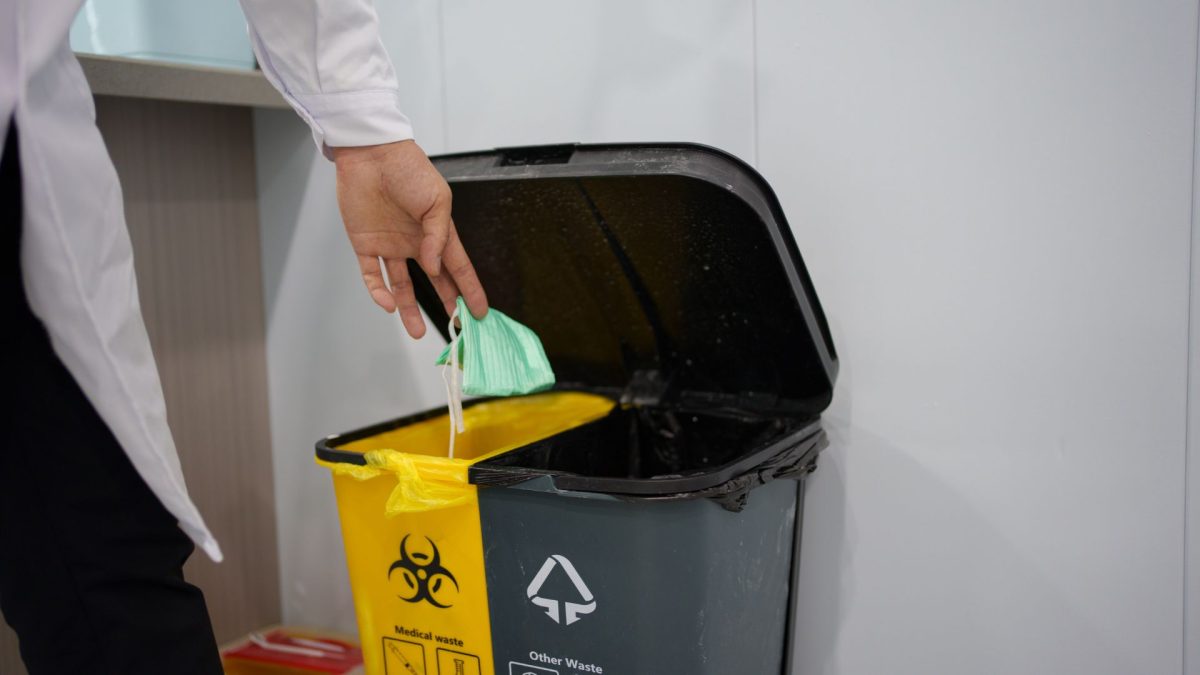
Proper e-waste disposal ensures that valuable materials such as gold, silver, copper, and rare earth metals are recovered and reused rather than being wasted. When electronic waste ends up in landfills, these finite resources are lost, forcing industries to extract more from nature. Responsible disposal preserves these materials, reducing the need for environmentally damaging mining processes and conserving ecosystems. Recycling these metals also saves energy, as producing them from recycled components consumes far less power than mining from raw ore, contributing to a lower carbon footprint.
Moreover, reusing electronic components promotes a circular economy, where products and materials are continuously repurposed instead of being discarded. This approach decreases demand for new manufacturing, reduces greenhouse gas emissions, and extends the life cycle of precious resources. By ensuring that e-waste is properly handled, communities play an active role in preserving the environment. Protecting natural resources through conscious recycling choices demonstrates a commitment to sustainability and a cleaner future for generations to come, creating a tangible impact beyond the immediate disposal of electronics.
Reducing Toxic Pollution
E-waste often contains hazardous materials such as lead, mercury, cadmium, and brominated flame retardants, which can seep into soil and water if disposed of improperly. By choosing responsible e-waste disposal methods, these dangerous substances are safely contained and processed, preventing contamination of ecosystems. Toxic pollutants in groundwater or rivers can harm aquatic life and infiltrate food chains, posing long-term health risks for humans and wildlife alike. Proper recycling facilities follow strict safety standards, neutralizing or safely storing these toxins, minimizing their harmful effects on the environment.
In addition, reducing toxic pollution preserves air quality, as burning or mishandling electronic waste releases dangerous chemicals into the atmosphere. These pollutants contribute to respiratory issues, climate change, and environmental degradation. By diverting e-waste from landfills and incinerators, communities prevent these harmful emissions and promote cleaner air. The collective effort to manage e-waste responsibly ensures that harmful substances do not compromise public health or ecological balance, supporting a healthier, more sustainable world.
Energy Conservation Through Recycling
Recycling e-waste significantly lowers the energy required to produce new electronic devices. Extracting raw materials from the earth consumes vast amounts of energy, whereas reclaiming metals and components from discarded electronics is far more efficient. For example, recycling aluminum from old devices uses up to 95 percent less energy than creating it from bauxite ore. This energy reduction directly translates into fewer greenhouse gas emissions, mitigating climate change and decreasing the environmental impact of electronics production.
Additionally, energy conservation extends to manufacturing processes, as using recycled materials reduces the need for intensive mining, smelting, and refining operations. Industries that incorporate recycled components operate more sustainably, lessening the strain on natural resources and minimizing energy consumption. When households and businesses commit to proper e-waste disposal, they indirectly support a reduction in global energy demands. The cumulative effect of this practice contributes to a more sustainable energy landscape and a cleaner environment, demonstrating that even small recycling efforts have far-reaching positive consequences.
Minimizing Landfill Waste
Improper disposal of electronics contributes heavily to landfill congestion. E-waste is bulky and non-biodegradable, taking hundreds of years to decompose while releasing toxic chemicals into the environment. By ensuring electronic devices are properly recycled or repurposed, less material ends up in landfills, extending their operational lifespan and reducing the need for new landfill sites. This proactive approach alleviates pressure on waste management systems, allowing communities to handle other forms of waste more efficiently.
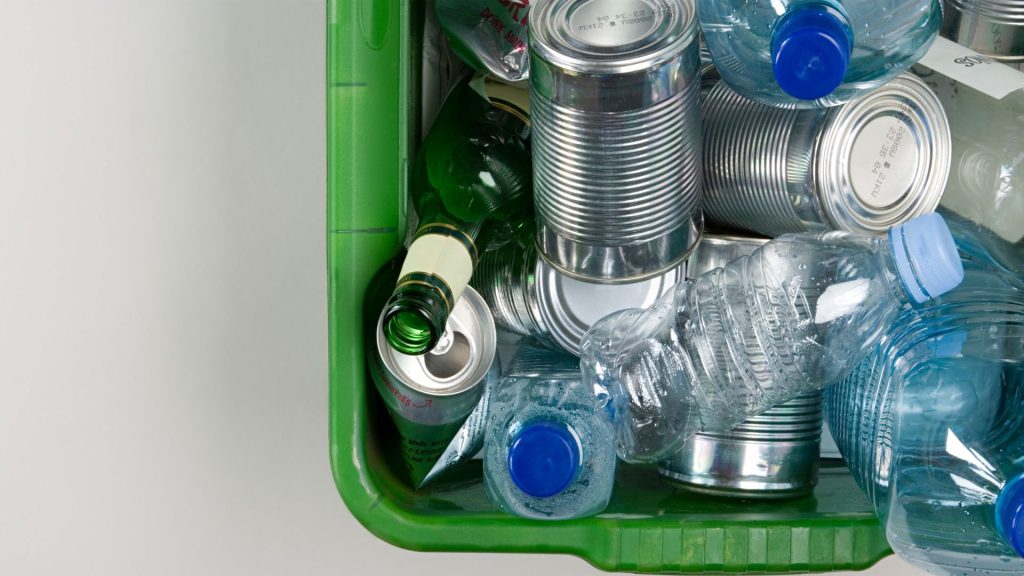
Furthermore, minimizing landfill waste mitigates soil and water contamination caused by leachate, a toxic liquid produced when e-waste decomposes. This process can disrupt ecosystems, harm agriculture, and affect human health. Responsible disposal practices prevent e-waste from entering these fragile environments, preserving the quality of surrounding land and water resources. Encouraging the diversion of electronics from landfills ensures a cleaner, safer, and more sustainable environment while fostering a culture of responsible consumption and disposal among communities.
Promoting Reuse and Circular Economy
Proper e-waste disposal encourages the refurbishment and resale of electronics, promoting a circular economy that extends the lifespan of devices. Functional components can be repurposed for new electronics, reducing the demand for freshly manufactured materials. This cycle minimizes waste, conserves resources, and creates opportunities for affordable technology access to those who might otherwise be unable to afford new devices. A circular economy emphasizes sustainability by keeping materials in use as long as possible, reducing the environmental footprint of production and consumption.
In addition, the practice of reusing electronics fosters innovation in repair and refurbishment industries. Technicians gain expertise in maintaining and upgrading devices, encouraging local economies while reducing environmental strain. Communities benefit from decreased electronic waste and increased access to functional technology. By embracing the principles of reuse, society shifts from a disposable mindset to one of resource efficiency and long-term sustainability. Proper e-waste disposal becomes a cornerstone of this transition, demonstrating that environmental stewardship and economic opportunity can coexist harmoniously.
Preventing Soil and Water Contamination
E-waste contains hazardous substances that, if not handled correctly, can leach into soil and water systems. Lead, mercury, and cadmium can accumulate in the environment, disrupting soil chemistry and contaminating drinking water sources. Responsible disposal ensures these dangerous materials are processed in controlled environments, preventing harmful leakage into ecosystems and communities. Protecting soil and water quality is vital for agriculture, wildlife, and public health, as contamination can trigger widespread ecological damage and long-term health concerns.
Beyond chemical contamination, e-waste in landfills can degrade soil fertility and harm microorganisms essential for natural nutrient cycles. By diverting electronics from landfill disposal, communities safeguard the integrity of soil ecosystems, ensuring they remain productive and balanced. Clean water sources are similarly preserved, protecting biodiversity and human populations from exposure to toxic substances. Responsible e-waste management demonstrates an understanding of the interconnectedness of environmental health and human well-being, highlighting the necessity of sustainable disposal practices.
Supporting Ethical Recycling Practices
Proper e-waste disposal supports recycling companies that adhere to ethical and environmentally responsible standards. Many facilities follow stringent protocols to ensure hazardous materials are safely handled, and valuable resources are efficiently recovered. This reduces the prevalence of informal recycling practices that often involve unsafe labor conditions and environmental damage, particularly in developing regions where e-waste exportation is common. Supporting ethical practices fosters accountability and transparency in the global electronics lifecycle.
Furthermore, ethical recycling emphasizes compliance with environmental regulations, promoting a culture of responsibility among manufacturers, consumers, and waste management companies. Communities can trust that their e-waste will be processed in ways that minimize harm while maximizing recovery of valuable materials. Choosing to dispose of electronics responsibly ensures that the environmental benefits of recycling are fully realized, supporting sustainable practices and reducing the social and ecological consequences associated with improper handling. Ethical recycling becomes a cornerstone of a cleaner, more conscientious world.
Encouraging Community Awareness and Participation
Proper e-waste disposal initiatives increase public awareness of environmental issues and the impact of electronic waste. Community programs, collection drives, and educational campaigns inform individuals about the dangers of improper disposal and the benefits of recycling. When people understand the ecological consequences of their actions, they are more likely to participate in sustainable practices, creating a ripple effect that amplifies environmental protection efforts across neighborhoods and cities.
Participation also builds a sense of communal responsibility, encouraging residents and businesses to work together toward waste reduction. Events focused on electronics recycling foster collaboration between local authorities, schools, and businesses, creating networks that support long-term sustainability goals. By promoting awareness and engagement, communities not only reduce e-waste but also cultivate a culture of environmental stewardship, where individuals feel empowered to make choices that positively impact their surroundings and future generations.
Reducing Greenhouse Gas Emissions
Recycling e-waste helps lower greenhouse gas emissions associated with manufacturing new electronics from raw materials. Extracting, refining, and producing metals requires significant energy, often sourced from fossil fuels, contributing to carbon dioxide and other greenhouse gas emissions. By diverting electronic waste into recycling streams, the need for energy-intensive processes is reduced, resulting in a measurable decrease in environmental pollution and climate impact.
Additionally, proper disposal prevents the incineration of e-waste, which releases harmful gases into the atmosphere. These emissions contribute not only to climate change but also to air pollution, posing health risks to humans and wildlife. Communities that prioritize responsible e-waste disposal effectively combat climate change at a local level, demonstrating how small, consistent actions can collectively reduce carbon footprints. This reduction in emissions exemplifies the interconnectedness of sustainable waste management and climate responsibility.
Boosting Economic Opportunities
The e-waste recycling industry creates job opportunities in collection, sorting, refurbishment, and recycling operations. Skilled technicians, logistics personnel, and management professionals are needed to efficiently handle electronic waste, providing employment opportunities while fostering economic growth. Communities that embrace e-waste recycling benefit from local business development, as companies invest in infrastructure, training, and equipment to process materials responsibly.
Economic opportunities extend beyond direct employment, as businesses gain access to valuable recovered materials that can be sold or reused in manufacturing. This reduces costs and supports circular economic models where resources retain their value over time. By integrating e-waste recycling into community planning, municipalities can simultaneously promote environmental protection and economic resilience. Proper disposal thus becomes a multifaceted benefit, addressing ecological, social, and financial dimensions.
Conclusion
Proper e-waste disposal plays an indispensable role in creating a cleaner and safer environment. By reducing toxic pollution, conserving energy, and promoting the reuse of valuable materials, communities actively participate in sustainability and environmental protection. Minimizing landfill waste and supporting ethical recycling practices ensures that both natural resources and human health are preserved. This holistic approach to managing electronic waste demonstrates the power of collective responsibility in shaping a greener future.
24-7 Junk Removal in Palatine, IL, offers professional junk removal services that ensure responsible handling of electronic waste. Their team is equipped to manage residential and commercial disposal efficiently, contributing to environmental sustainability while providing convenience for customers. To schedule services, call (773) 309-6966 or visit 611 W. Wise Schaumburg, IL 60193. By choosing professional disposal, communities can reduce their carbon footprint, support local recycling initiatives, and ensure e-waste is processed safely, creating long-term benefits for the environment and future generations.