

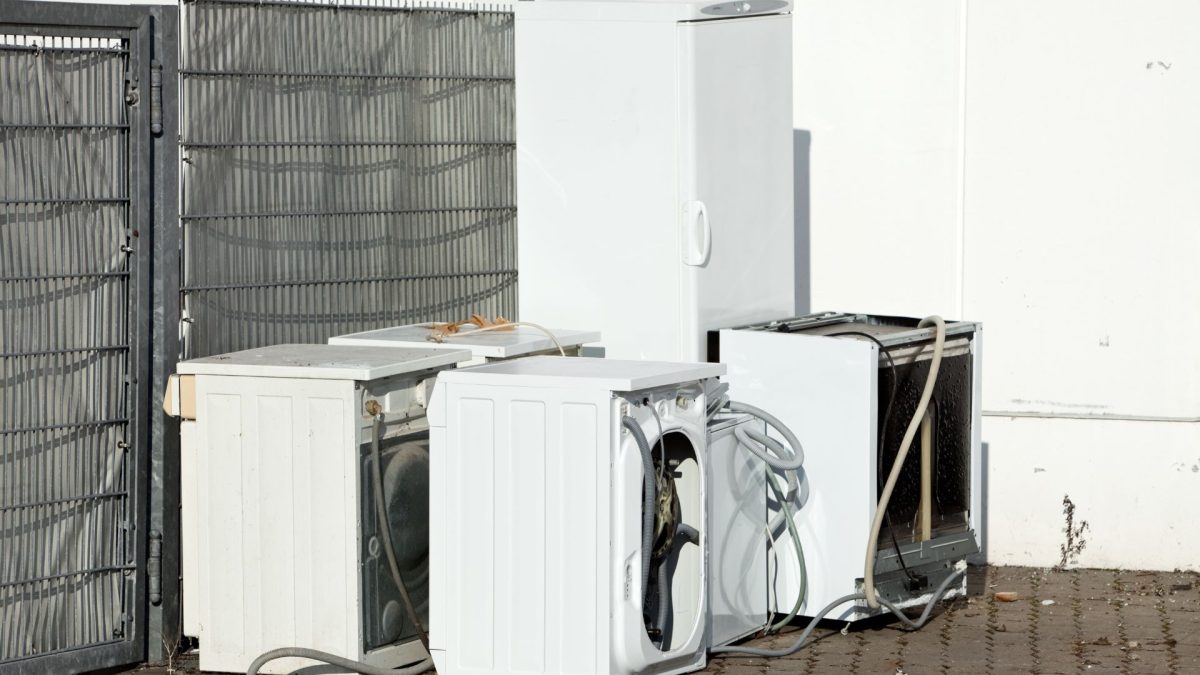
Appliances in a business setting are more than just functional tools; they represent investments that support daily operations. Over time, however, these appliances may reach the end of their useful life, requiring careful disposal. Improper handling of old or broken equipment can lead to workplace accidents, environmental hazards, and potential legal repercussions. For instance, heavy appliances like refrigerators, ovens, and commercial washers can cause serious injuries if moved incorrectly, or damage floors and walls during removal. Understanding the risks associated with appliance disposal is the first step toward ensuring a safe and efficient process.
Additionally, improper disposal can contribute to environmental strain. Many appliances contain hazardous components such as refrigerants, chemicals, and electronic parts that must be handled according to regulations. Businesses need to adopt responsible disposal methods that not only protect their employees but also comply with environmental standards. Partnering with professionals who specialize in appliance removal ensures that hazardous materials are recycled or disposed of responsibly, minimizing ecological impact. Ultimately, prioritizing proper appliance removal enhances workplace safety, supports sustainability, and mitigates legal and financial risks associated with careless disposal.
Preparing for Appliance Removal Safely
Preparation is crucial when removing appliances from a business environment. The first step is to clear the surrounding area to create a safe workspace. Ensure pathways are free of obstacles and hazards, and that there is sufficient space to maneuver heavy items. Businesses should assess each appliance to determine the best removal method, taking note of size, weight, and potential hazards such as sharp edges or chemical residues. Gathering the appropriate moving equipment, such as dollies, straps, and gloves, will reduce the risk of injury during the removal process.
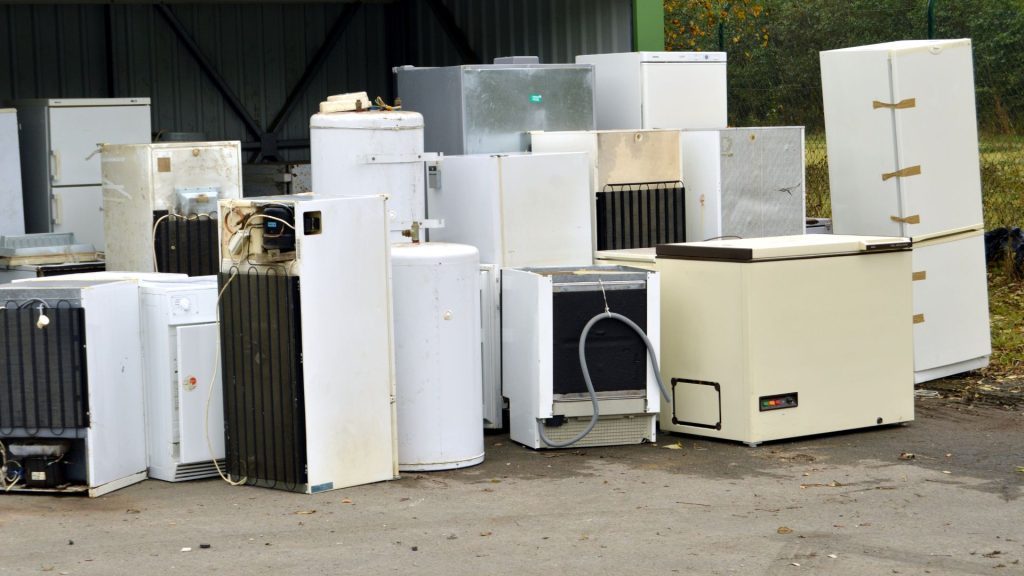
Equally important is assembling a capable team for the task. Appliance removal often requires coordination among multiple people to handle large or awkward items safely. Clear communication is vital to avoid accidents, ensuring everyone understands their role and the sequence of movements. Additionally, it’s essential to follow proper lifting techniques, using legs instead of back muscles, and maintaining stable footing. Planning the removal in stages, rather than rushing the process, reduces stress and prevents damage to property or appliances. This preparation phase establishes a foundation for a safe and efficient removal process that protects both personnel and the business environment.
Identifying Hazardous Components in Appliances
Commercial appliances can contain components that pose safety risks if handled incorrectly. Refrigerators, freezers, and air conditioning units often contain refrigerants that can be harmful if released. Similarly, washing machines and dishwashers may hold residual water or cleaning chemicals that create slip hazards or skin irritation. Identifying these components before beginning removal allows businesses to take necessary precautions, such as draining liquids, disconnecting power sources, and safely securing loose parts. Awareness of these hazards ensures a smoother removal process and reduces the risk of injury or contamination.
It is also important to understand electronic components within modern appliances. Circuit boards, sensors, and other electronics can be sensitive to static, moisture, and impact. Mishandling these parts can cause damage and create electrical hazards. Businesses should ensure that appliances are disconnected from electrical outlets and water supplies prior to removal. Using protective gear, such as gloves and safety glasses, further safeguards staff from accidental contact with hazardous substances. By carefully identifying and managing these potentially dangerous components, businesses can maintain a safe environment while preparing appliances for recycling or disposal.
Proper Disconnection and Detachment Procedures
Before moving any appliance, proper disconnection from utilities is essential. This includes unplugging electrical cords, turning off water lines, and shutting off gas supplies where applicable. Failure to disconnect appliances correctly can result in electrical shocks, water damage, or gas leaks, posing serious risks to employees and property. Businesses should familiarize themselves with each appliance’s specific detachment instructions, as commercial-grade units may have unique requirements compared to residential models.
In addition to utility disconnection, certain appliances may require the removal of detachable parts. For example, shelves, drawers, doors, and water filters can add unnecessary weight and complicate handling if left attached. Removing these components not only lightens the appliance for safer transportation but also prevents internal damage during movement. Marking or storing removed parts ensures they are not misplaced and can be reinstalled if necessary. By following proper detachment procedures, businesses safeguard both their staff and equipment while streamlining the removal process.
Using the Right Tools and Equipment for Safe Handling
The right tools and equipment are critical when moving heavy or bulky appliances in a business setting. Dollies, hand trucks, and lifting straps allow employees to transport items with reduced strain and improved stability. Equipment designed specifically for appliance removal can prevent accidents that commonly occur when lifting heavy machinery manually. Ensuring all moving devices are in good condition, with functioning wheels and secure straps, minimizes the risk of injury or dropped items during transit.
In addition to mechanical aids, personal protective equipment (PPE) is indispensable. Gloves protect hands from sharp edges, steel-toed boots shield feet from dropped objects, and back braces provide support for safe lifting. Businesses should conduct a safety briefing to ensure employees know how to use tools correctly and understand potential hazards. Adequate preparation with the right equipment significantly reduces the likelihood of injuries and allows appliances to be removed efficiently without compromising workplace safety.
Planning Safe Transportation Routes
Transportation within a business premises is often overlooked but is critical for safe appliance removal. Mapping out clear paths from the appliance location to the transport vehicle or designated disposal area ensures that obstacles, tight corners, and fragile surfaces are accounted for. Moving large appliances through narrow corridors or crowded workspaces requires careful planning to prevent collisions, scratches, and property damage. Businesses should also consider floor type, incline, and threshold heights when planning routes to reduce the risk of slipping or tipping over.
It is important to communicate the planned route to the entire removal team. Establishing a lead person to guide the appliance and a secondary spotter to watch for hazards increases coordination and reduces accidents. Temporary removal of obstacles, padding corners, and using protective coverings on floors can safeguard the workplace during transport. Effective route planning ensures a smoother, safer transition of appliances from their original location to the removal point, minimizing risks to both personnel and property.
Ensuring Compliance with Local Regulations
Appliance disposal in commercial settings is subject to local, state, and federal regulations. Refrigerants, electronics, and hazardous materials must be handled according to specific environmental guidelines to avoid fines and penalties. Businesses should familiarize themselves with these regulations before initiating removal, ensuring that their disposal practices meet legal requirements. Compliance not only protects the company from legal repercussions but also promotes responsible environmental stewardship.
Engaging professional services knowledgeable in local regulations can simplify compliance. Experienced removal teams understand the necessary documentation, recycling procedures, and safety protocols for each appliance type. They ensure that appliances containing hazardous substances are processed appropriately, often partnering with certified recycling facilities. By adhering to regulatory standards, businesses can safely dispose of appliances while maintaining a reputation for environmental responsibility and operational integrity.
Implementing Team Training for Appliance Removal
Employee training is a key component in maintaining safety during appliance removal. Training programs should cover proper lifting techniques, use of moving equipment, identification of hazards, and emergency procedures. Well-trained staff can anticipate risks and respond effectively, reducing the likelihood of accidents. Repeated training ensures that safety protocols become second nature, fostering a workplace culture that prioritizes employee welfare.
In addition to hands-on instruction, businesses should provide written guidelines and safety checklists. Clear communication of expectations and responsibilities helps all team members understand their role during removal operations. Supervisors should monitor and offer feedback during the process, reinforcing proper techniques and identifying areas for improvement. Investing in comprehensive training ensures that appliance removal is performed safely, efficiently, and consistently across all business operations.
Recycling and Disposal Best Practices
Responsible disposal of appliances extends beyond safe handling. Businesses should explore recycling opportunities for metals, plastics, and electronic components to minimize environmental impact. Many commercial appliances can be donated if they are still functional, providing value to other organizations and reducing landfill waste. Separating recyclable materials during removal simplifies the recycling process and promotes sustainability.
Proper disposal also involves choosing certified facilities equipped to handle hazardous materials safely. Avoiding illegal dumping or improper disposal methods protects businesses from legal penalties and environmental harm. Documenting the disposal process can provide a record of compliance and demonstrate the company’s commitment to eco-friendly practices. By integrating recycling and responsible disposal into appliance removal procedures, businesses contribute positively to the environment while maintaining operational efficiency.
Minimizing Workplace Disruptions During Removal
Appliance removal can disrupt daily business activities if not managed carefully. Scheduling removal during off-peak hours or coordinating with key staff minimizes interference with essential operations. Communicating the schedule in advance allows employees to prepare workspaces and reduce interruptions. Strategic planning ensures that removal activities proceed smoothly without impacting productivity or customer experience.
Additionally, isolating the removal area with temporary barriers or signage can enhance safety and maintain order. Businesses should also plan for temporary storage or staging of removed appliances to avoid clutter in critical work areas. Coordinating logistics in advance reduces stress and ensures that appliance removal is executed efficiently, safely, and with minimal disruption to everyday business functions.
Leveraging Professional Services for Safe Appliance Removal
Partnering with experienced removal professionals provides a comprehensive solution for businesses. These teams bring expertise, equipment, and knowledge of safety protocols, ensuring that appliances are removed efficiently without risk to employees or property. Professional services can handle heavy, bulky, or hazardous items, alleviating the physical and logistical burden from the business staff. This allows employees to focus on core operations while removal is managed by specialists.
Professional removal services also enhance compliance and sustainability. They ensure hazardous components are disposed of according to legal and environmental standards, and they often facilitate recycling or donation of usable items. By leveraging experts, businesses reduce liability, protect staff safety, and promote environmentally responsible practices. Outsourcing appliance removal is not only a practical choice but a strategic investment in the safety and efficiency of business operations.
Conclusion
Safely handling appliance removal in a business environment is critical for maintaining operational efficiency and protecting employee welfare. Proper preparation, identification of hazards, use of appropriate equipment, and adherence to safety protocols are all essential components of a successful removal process. By taking these steps, businesses reduce the risk of accidents, property damage, and legal complications, while ensuring that appliances are disposed of responsibly.
For businesses in Palatine, IL, 24-7 Junk Removal offers reliable and professional junk removal services tailored to commercial needs. Their experienced team can handle appliances of all sizes, ensuring safe disconnection, removal, and proper disposal. Contact 24-7 Junk Removal at (773) 309-6966 for assistance, or visit their location at 611 W. Wise Schaumburg, IL 60193. With services designed to protect both employees and the environment, partnering with 24-7 Junk Removal is a smart choice for businesses seeking safe and efficient junk removal solutions.