

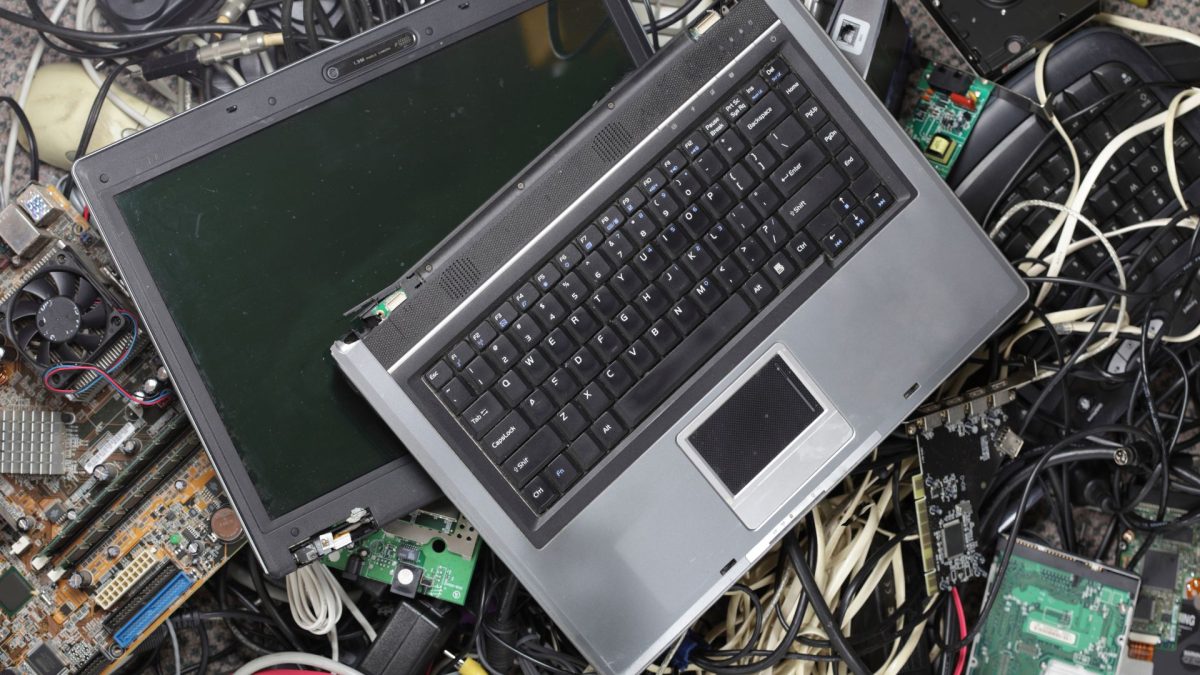
Electronic devices have become indispensable in modern life, from smartphones to laptops and televisions. However, these devices contain hazardous materials such as lead, mercury, and cadmium that can harm the environment if disposed of improperly. Discarding electronics in regular trash bins often leads to these toxins leaching into soil and water, posing significant risks to both humans and wildlife. Beyond environmental concerns, irresponsible disposal also increases the demand for raw materials, contributing to resource depletion. Choosing responsible disposal methods not only protects ecosystems but also encourages sustainable practices in electronics manufacturing.
By recognizing the potential dangers of improper electronic waste disposal, individuals can take proactive steps to minimize environmental impact. Awareness is the first step toward change. Engaging in eco-friendly disposal practices ensures that harmful components are managed correctly and recyclable materials are recovered. Communities benefit from reduced landfill waste and safer neighborhoods. Furthermore, responsible disposal fosters a culture of environmental stewardship, highlighting the role every person plays in protecting natural resources. Small actions, such as sorting and recycling old devices, collectively create a substantial positive impact on the planet.
Identifying Electronics Suitable for Recycling
Before discarding electronic items, it is crucial to identify which devices can be recycled. Commonly accepted electronics include computers, smartphones, tablets, printers, televisions, and small household appliances. Many electronics contain valuable materials such as gold, silver, and copper, which can be recovered during the recycling process. Keeping track of what can be recycled helps prevent contamination of recyclable streams with non-recyclable materials, which complicates processing and increases disposal costs. Identifying these items also allows individuals to separate hazardous components safely, ensuring that batteries, circuit boards, and other sensitive parts are handled appropriately.
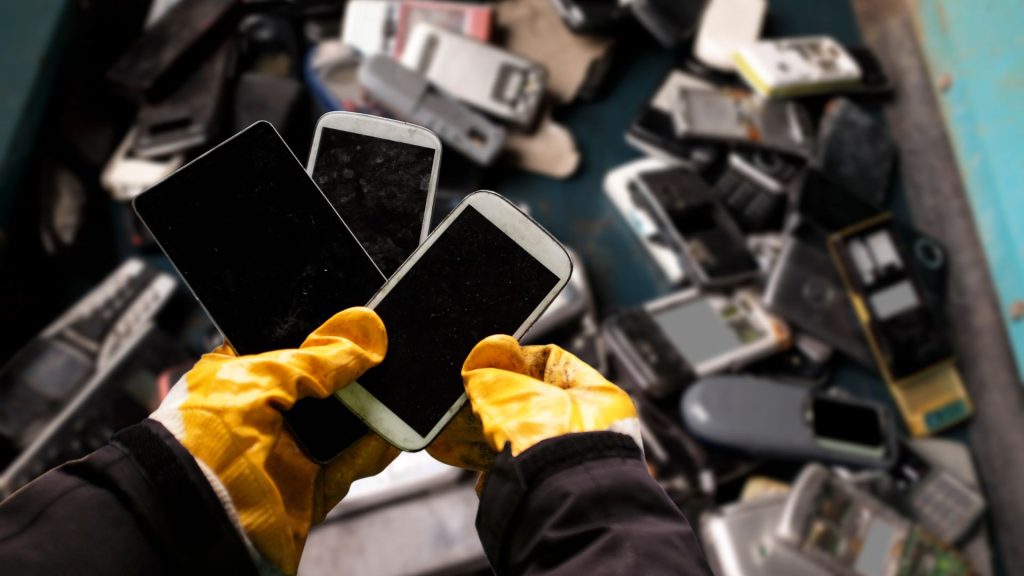
Sorting electronics correctly enhances the efficiency of recycling programs and maximizes the reuse of precious metals. Some components, like batteries, require specialized facilities due to their chemical composition. By categorizing devices accurately, recyclers can process each material in the most environmentally responsible way. Additionally, understanding which items are recyclable encourages informed consumer habits. It prompts individuals to consider sustainable electronics choices, prolong the lifespan of devices, and reduce unnecessary waste. Thoughtful sorting is an essential part of responsible electronics management.
Preparing Electronics for Safe Disposal
Proper preparation of electronics before disposal is a critical step in safeguarding personal information and enhancing recyclability. Devices often store sensitive data, including financial records, passwords, and personal files. Wiping hard drives, performing factory resets, and removing memory cards are necessary precautions to prevent data breaches. Additionally, removing accessories like batteries or cords simplifies the recycling process and reduces the risk of chemical hazards during transportation. Labeling electronics according to their type also helps recycling centers handle them more efficiently.
Taking time to prepare electronics properly promotes safety and efficiency in disposal operations. Batteries, for example, should be separated from devices and handled according to specific recycling guidelines to prevent fires or leakage. Fragile components, such as screens and glass parts, need careful packaging to avoid breakage and contamination. These preparatory steps not only protect individuals but also aid recyclers in maintaining high standards of environmental responsibility. The act of preparation is an investment in both safety and sustainability, ensuring that electronics contribute positively to the circular economy rather than becoming harmful waste.
Choosing Certified Recycling Facilities
Selecting a certified recycling facility ensures that electronics are disposed of in an environmentally responsible manner. Certified centers follow stringent guidelines for handling hazardous materials and prioritize recovery of valuable components. These facilities adhere to local, state, and federal regulations, minimizing environmental risks associated with improper disposal. Choosing a reputable facility also provides reassurance that personal data is protected and that the recycling process is monitored and accountable. Verification of certification, such as through recognized environmental or e-waste standards, guarantees that recycling practices meet rigorous criteria for safety and sustainability.
Using certified recyclers enhances environmental protection while promoting transparency in the disposal process. These facilities often employ advanced technology to dismantle electronics safely, separate recyclable materials, and manage hazardous substances correctly. By supporting certified operations, individuals contribute to a system that prioritizes resource recovery over landfill accumulation. Furthermore, these centers frequently educate the public on best practices for electronics disposal, helping communities adopt long-term sustainable behaviors. Certified facilities bridge the gap between consumer responsibility and industrial accountability, making proper e-waste management both practical and impactful.
Donating Electronics for Extended Use
Before considering recycling, donating usable electronics can extend the lifespan of devices and benefit communities. Many organizations, schools, and non-profits welcome functional devices, providing access to technology for those who may not afford new equipment. Donations help reduce waste while promoting social good, enabling educational programs, community initiatives, and technological development. Preparing devices for donation may involve minor repairs, cleaning, and software updates, ensuring they are ready for immediate use.
Donating electronics reinforces a culture of reuse, complementing recycling efforts by keeping devices operational for as long as possible. This approach conserves resources by delaying the need for new production and prevents unnecessary disposal of functional items. Additionally, donation programs often collaborate with certified recyclers to manage items that cannot be reused, creating a comprehensive solution for responsible e-waste management. By considering donation first, individuals contribute to both environmental sustainability and community enrichment, maximizing the value of each electronic device.
Avoiding Illegal E-Waste Dumping
Illegal e-waste dumping remains a significant environmental and legal issue. Dumping electronics in unauthorized locations leads to soil and water contamination, endangering ecosystems and human health. Toxic substances like lead, mercury, and cadmium can leach into groundwater, posing long-term risks. Moreover, illegal disposal can result in substantial fines or legal action. Awareness and adherence to proper disposal channels are essential in mitigating these dangers and ensuring compliance with environmental regulations.
Preventing illegal dumping requires proactive planning and community engagement. Individuals and businesses must utilize designated collection sites, certified recyclers, or authorized disposal events. Education about the risks and penalties associated with illegal dumping enhances compliance, while municipal programs provide convenient, regulated options for electronics disposal. Responsible disposal protects both local environments and public health, highlighting the shared responsibility of residents, corporations, and authorities in managing e-waste safely. Legal and ethical practices are integral to sustainable electronics management.
Managing Hazardous Components in Electronics
Electronics often contain hazardous components that require specialized handling, including batteries, mercury-containing lamps, and circuit boards. Proper management involves isolating these elements and delivering them to facilities equipped to handle toxic materials safely. Mishandling hazardous components can result in fires, chemical exposure, or environmental contamination. Following specific guidelines for hazardous waste ensures that these substances do not enter landfills or water systems, mitigating the risks associated with improper disposal.
Managing hazardous elements also supports the recycling of valuable materials. For instance, precious metals can be extracted safely from circuit boards without releasing toxins into the environment. Separating and labeling hazardous components allows recycling centers to process them efficiently and prevents accidents during collection or transport. Individuals must educate themselves on local regulations regarding hazardous e-waste and participate actively in safe disposal practices. Responsible management of these elements is critical to sustaining both environmental and public health.
Leveraging Manufacturer Take-Back Programs
Many electronics manufacturers offer take-back programs, allowing consumers to return old devices directly to the company. These programs facilitate proper recycling and often provide incentives such as discounts on new purchases. Manufacturer take-back programs ensure that devices are processed according to environmental standards and that valuable materials are recovered efficiently. Participating in these initiatives reduces the burden on landfills and guarantees adherence to safe disposal practices.
Take-back programs also provide convenience for consumers who may struggle to locate certified recyclers or disposal events. Companies frequently maintain nationwide or regional collection networks, making it easier to return electronics responsibly. These programs highlight the commitment of manufacturers to sustainable practices and corporate responsibility. By choosing take-back options, consumers actively support environmentally conscious business operations while ensuring that their devices are handled safely and effectively.
Community Recycling Events and Drives
Community-driven electronics recycling events play a significant role in responsible disposal. Local governments, non-profits, and schools often organize collection days where residents can drop off old devices for proper recycling. These events simplify the process, raise public awareness, and encourage collective participation in sustainable practices. Hosting or attending community drives fosters a sense of shared responsibility and ensures that electronics are processed in environmentally sound ways.
Participation in recycling events offers both practical and educational benefits. Residents can safely dispose of a variety of electronic items without navigating complex disposal requirements individually. Events also provide an opportunity to learn about e-waste risks, recycling protocols, and the benefits of extending device lifecycles. By engaging with community initiatives, individuals reinforce local sustainability goals, strengthen neighborhood networks, and actively contribute to reducing e-waste in their area. Collective action magnifies the impact of responsible electronics disposal.
Reducing Electronics Waste Through Mindful Consumption
One of the most effective strategies for minimizing electronics waste is mindful consumption. Choosing durable products, repairing instead of replacing, and resisting the urge to upgrade unnecessarily reduces the volume of discarded devices. Mindful consumption also involves considering the environmental policies of manufacturers, such as their commitment to sustainability and recycling initiatives. By making conscious choices, consumers play an active role in preventing waste generation before it begins.
Mindful electronics use fosters both economic and environmental benefits. Repairing and maintaining devices extends their lifespan, saving money and reducing material demand. Opting for energy-efficient and environmentally certified products further diminishes the ecological footprint of personal electronics. Encouraging responsible purchasing habits within communities amplifies the overall positive impact, promoting a culture of sustainability. Reducing waste through intentional consumption complements recycling and disposal efforts, creating a holistic approach to electronics management.
Conclusion
Handling electronics responsibly is a crucial component of environmental stewardship and personal safety. Disposing of devices thoughtfully, whether through certified recyclers, donation programs, manufacturer take-back initiatives, or community events, minimizes hazardous impact on ecosystems and public health. Proper management of hazardous components and sensitive data ensures that electronics are recycled or reused safely, contributing to sustainable resource recovery. Additionally, embracing mindful consumption habits helps prevent excessive waste generation and extends the useful life of devices, reinforcing an eco-conscious lifestyle.
For residents and businesses in Palatine, IL, 24-7 Junk Removal offers reliable junk removal services tailored to electronics disposal. Their team provides professional, eco-friendly solutions to manage unwanted electronics efficiently. By contacting them at (773) 309-6966 or visiting 611 W. Wise Schaumburg, IL 60193, individuals can arrange safe pickup and responsible recycling. Support is also available via support@24-7junk.com. Leveraging professional services ensures convenience, compliance with environmental standards, and a meaningful contribution to reducing electronic waste in the community. Choosing responsible disposal partners enhances sustainability efforts while keeping homes and workplaces clutter-free.