

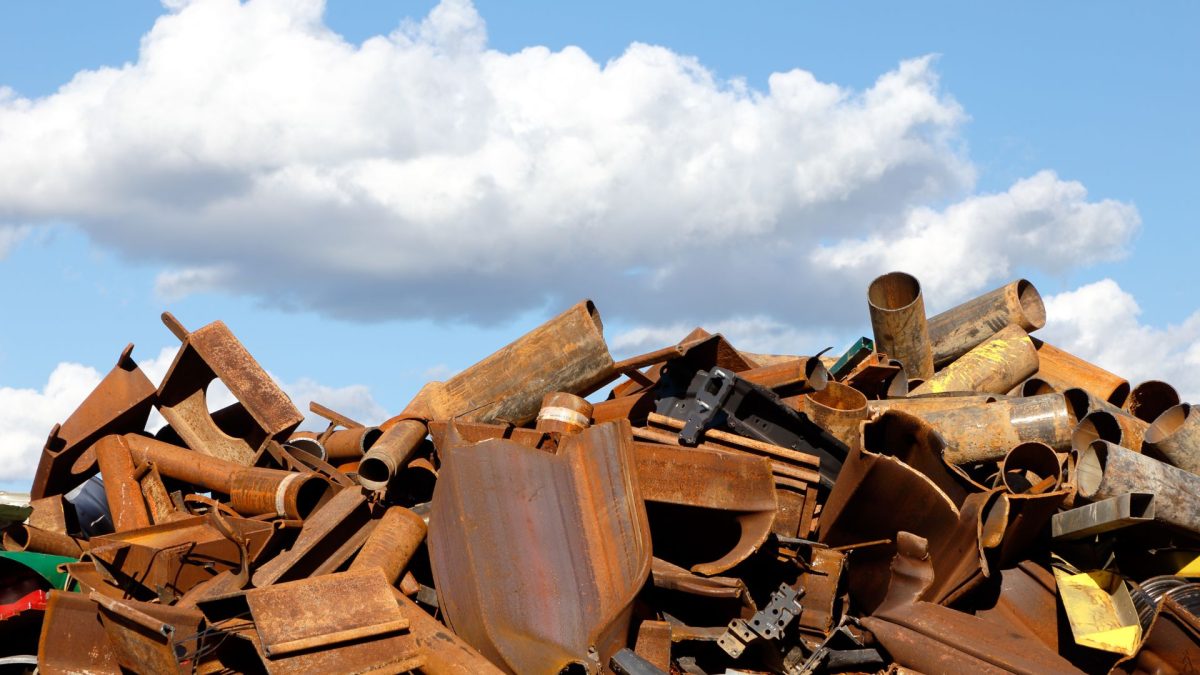
Scrap metal recycling is far more than a responsible environmental practice; it represents a robust economic engine that fuels growth across multiple sectors. By reclaiming metals such as steel, aluminum, copper, and brass from discarded items, businesses and manufacturers reduce their reliance on raw materials, cutting significant costs associated with mining and refining processes. When metals are recycled, the energy and resources required for production drop drastically, allowing manufacturers to channel their budgets toward innovation and efficiency improvements. This creates a ripple effect through local and national economies, fostering financial stability and a more resilient supply chain.
Moreover, the recycling sector itself generates employment opportunities, creating jobs for collection crews, sorting specialists, transportation personnel, and processing facility workers. These positions often provide stable, long-term careers while simultaneously supporting ancillary industries, from logistics to machine maintenance. The economic benefits also extend to entrepreneurial opportunities, as new businesses emerge to service local recycling demands. This dynamic demonstrates that scrap metal recycling is not just an environmentally conscious choice; it’s a catalyst for economic development that supports innovation, employment, and sustainable industrial growth.
Environmental Stewardship Through Metal Recycling
The environmental implications of scrap metal recycling are significant and multifaceted. Mining for virgin metals can devastate ecosystems, disrupt habitats, and lead to soil erosion and water contamination. Recycling metals mitigates these impacts by lessening the need for resource extraction, which in turn conserves biodiversity and protects natural landscapes. By opting for recycled metals, we preserve finite resources and prevent the ecological degradation often associated with traditional mining operations.
Energy conservation is another major environmental benefit. Manufacturing products from raw ores consumes exponentially more energy than repurposing existing metals. For example, producing aluminum from bauxite ore can require up to 95 percent more energy than recycling aluminum. This reduction in energy demand not only lowers carbon emissions but also diminishes reliance on fossil fuels, directly contributing to climate change mitigation. By choosing recycling over raw production, industries can significantly reduce their carbon footprint, making scrap metal recycling an essential pillar in the fight for global environmental sustainability.
Reducing Landfill Waste and Pollution
Landfills are under mounting pressure as urbanization increases and waste volumes rise. Metals occupy a substantial portion of landfill space, and when improperly disposed of, they can release hazardous substances into the soil and groundwater. By recycling scrap metals, we divert a considerable quantity of waste away from landfills, prolonging their operational lifespan and reducing the need for new sites. This action directly reduces land degradation while preventing the contamination of ecosystems surrounding landfill areas.
Beyond preventing contamination, recycling metals contributes to better air quality and environmental health. Incinerating metal-containing waste releases toxic emissions, including heavy metals and particulate matter, which can affect human health and the environment. Through recycling, we minimize these emissions while recovering valuable materials for reuse, creating a sustainable cycle that balances human needs with ecological preservation. This demonstrates that responsible metal recycling is not merely a choice—it is an urgent necessity for protecting our planet and its inhabitants.
Energy Conservation Through Metal Recycling
One of the most compelling arguments for scrap metal recycling lies in its energy efficiency. Manufacturing metals from raw ores is highly energy-intensive, involving complex extraction and refining processes. By recycling scrap metals, industries reduce their energy consumption dramatically, translating into a decrease in greenhouse gas emissions. For instance, producing recycled steel consumes less than half the energy required to manufacture steel from iron ore, making it an environmentally advantageous choice.
The cumulative energy savings are staggering when scaled across industries globally. Reduced energy demand eases the strain on power grids, lowers fossil fuel consumption, and decreases air pollution. This ripple effect extends beyond manufacturing, impacting climate stability and resource conservation. Recycling metals becomes an essential component of sustainable energy management, aligning industrial activity with environmental responsibility and demonstrating how even small actions in waste management can generate significant ecological benefits.
Supporting Sustainable Manufacturing Practices
Scrap metal recycling provides a critical resource for sustainable manufacturing. Companies can utilize recycled metals as raw materials for new products, decreasing their dependence on virgin resources and enhancing supply chain sustainability. This approach not only reduces environmental impact but also fosters innovation in product design, prompting companies to explore more efficient manufacturing processes and eco-friendly materials.
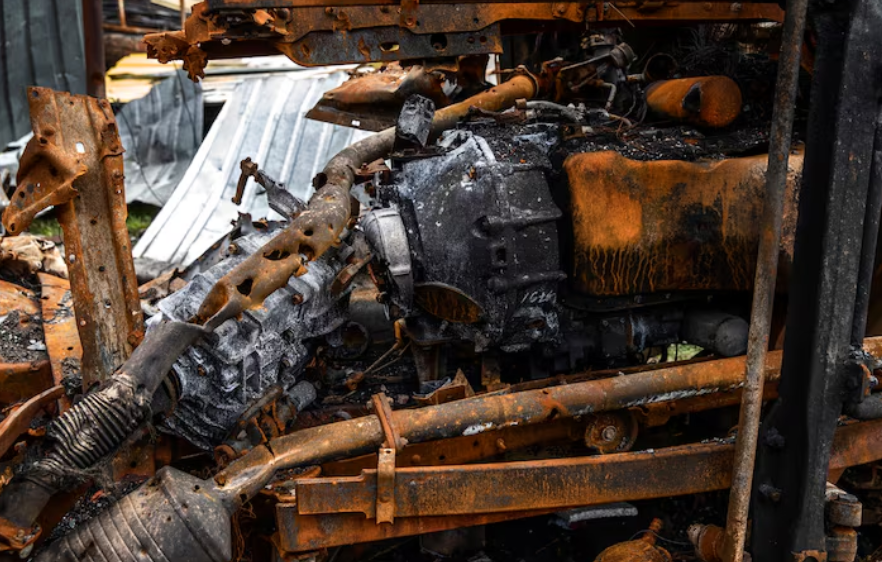
Additionally, sustainable manufacturing practices fueled by recycled metals promote corporate social responsibility. Companies that embrace recycling can market themselves as environmentally conscious, attracting consumers who prioritize sustainability in their purchasing decisions. This alignment between eco-friendly practices and business objectives generates a competitive advantage while reinforcing the importance of reducing waste, conserving resources, and integrating sustainable practices into every stage of production.
Enhancing Community Engagement and Awareness
Scrap metal recycling thrives when communities are actively involved. Local initiatives that provide accessible collection points and educational campaigns can increase public participation, ensuring that valuable metals are recovered rather than discarded. Community-driven recycling programs empower residents to contribute to environmental preservation while fostering a collective sense of responsibility for sustainable practices.
Engagement goes beyond environmental impact—it also benefits local economies. Recycling programs create job opportunities, develop new skills among participants, and stimulate economic activity in neighborhoods. Schools, businesses, and municipalities can collaborate to increase awareness, host recycling drives, and promote the circular economy, instilling sustainable habits that last for generations. By weaving recycling into the fabric of community life, we cultivate both environmental stewardship and economic resilience.
Promoting Global Sustainability Goals
Recycling scrap metals directly supports global sustainability objectives. By conserving resources, minimizing landfill waste, and reducing emissions, recycling aligns with international targets for environmental protection and climate action. Countries adopting comprehensive recycling programs demonstrate leadership in sustainable development while contributing to worldwide efforts to preserve natural resources for future generations.
The circular economy model is central to global sustainability. Instead of the traditional linear model of “take, make, dispose,” recycling fosters a system in which materials are reused, refurbished, and regenerated. This approach reduces dependence on finite resources, promotes economic efficiency, and ensures that environmental impact is minimized. By supporting this model, individuals, industries, and governments contribute to long-term global sustainability, creating a more balanced and resilient world.
Mitigating Climate Change Through Emission Reductions
Climate change remains one of the most pressing challenges of our time, and metal production contributes significantly to greenhouse gas emissions. Recycling scrap metals mitigates this problem by reducing the need for energy-intensive primary production, which in turn lowers carbon emissions and diminishes environmental impact. Choosing recycled materials over raw metals directly contributes to climate change mitigation and supports international targets for reducing greenhouse gas outputs.
Furthermore, recycling encourages industries to adopt low-carbon practices and integrate sustainability into their operations. By reducing energy use, conserving resources, and minimizing industrial emissions, scrap metal recycling plays an essential role in global climate strategies. Each recycled item contributes to a cumulative reduction in carbon footprint, demonstrating that small, consistent actions in metal recycling can have significant long-term effects on the health of our planet.
Strengthening Local Economies Through Recycling Initiatives
Local economies thrive when recycling infrastructure is in place. Recycling centers provide jobs, stimulate commerce, and reduce production costs for businesses by supplying affordable, recycled raw materials. Communities benefit from a dynamic local economy that encourages investment, entrepreneurial activity, and workforce development, creating a cycle of growth and sustainability.
Businesses that prioritize recycled materials can improve operational efficiency, attract environmentally conscious consumers, and enhance profitability. This not only strengthens the financial resilience of local enterprises but also contributes to broader economic stability within the region. Scrap metal recycling serves as a tangible demonstration of how environmental responsibility and economic prosperity can coexist, offering a pathway for sustainable local development.
Conclusion
Scrap metal recycling offers a unique intersection of economic growth and environmental responsibility. By reducing energy consumption, conserving natural resources, and mitigating greenhouse gas emissions, recycling directly supports global sustainability efforts while stimulating economic development. The practice enhances local economies through job creation, boosts manufacturing efficiency, and fosters community engagement, demonstrating that responsible waste management has far-reaching impacts that extend beyond the individual or business level.
In Palatine, IL, 24-7 Junk Removal exemplifies the advantages of integrating recycling into daily life. Their comprehensive junk removal services not only help declutter homes and businesses but ensure materials are processed in an environmentally friendly manner. With a commitment to sustainability and efficient waste management, they provide an essential service that benefits both the community and the planet. For Palatine residents and businesses seeking convenient, eco-friendly solutions, 24-7 Junk Removal can be contacted at (773) 309-6966, offering expertise in junk removal while championing the recycling of scrap metal and other materials.