

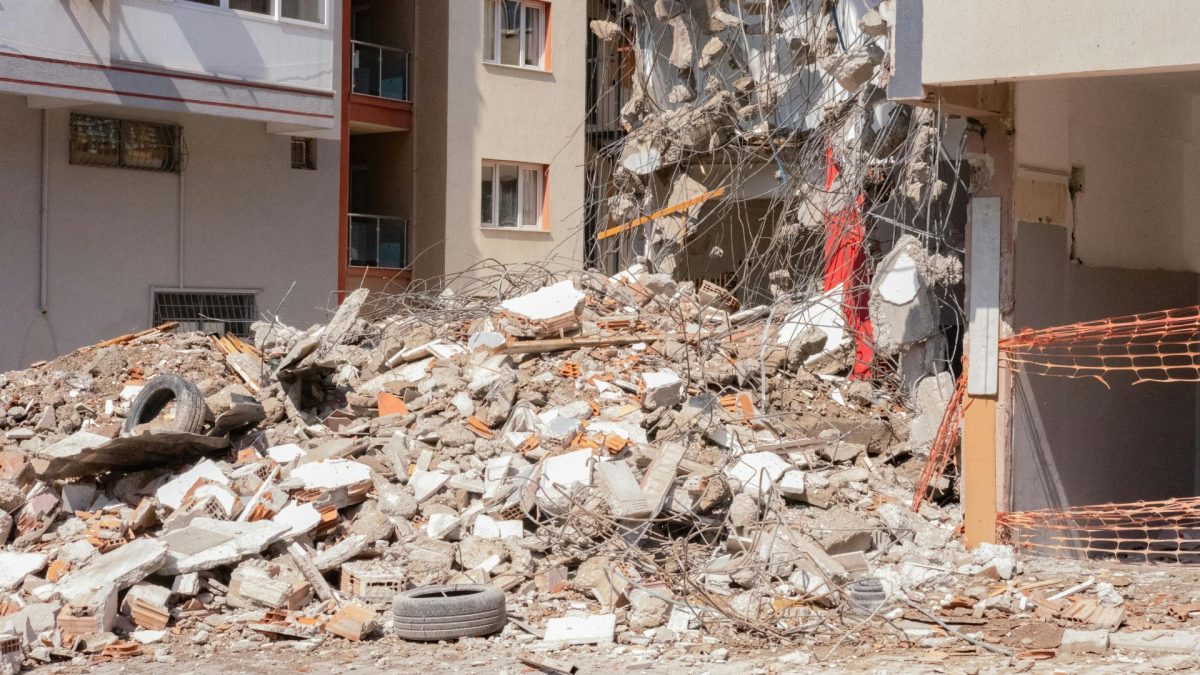
Demolition cleanup can present a variety of hazards that demand attention before lifting even the smallest piece of rubble. Materials like broken drywall, shattered glass, or splintered wood are not just cumbersome; they carry the potential to cause serious injuries if handled improperly. Without protective equipment, even seemingly minor debris can lead to cuts, bruises, or more severe accidents. Therefore, approaching each cleanup with a strategic mindset is vital. A well-organized plan not only prevents injuries but also ensures the efficiency of the entire process. Awareness of your surroundings and the types of materials being removed can dramatically reduce the risk of harm.
In addition to physical hazards, environmental considerations play a role. Some demolition debris may include hazardous substances such as asbestos, lead-based paint, or mold-contaminated materials. Mishandling these materials can have serious health consequences. Sorting debris before removal and understanding proper disposal methods are crucial steps to mitigate environmental and personal risk. By taking the time to identify potentially dangerous materials and preparing appropriate handling methods, you create a safer, cleaner, and more sustainable demolition environment.
Preparing Your Worksite for Safe Cleanup
Before tackling any demolition debris, preparing the worksite is essential for safety and efficiency. Clearing a path for movement reduces the chances of tripping or stepping on hidden hazards. Ensuring adequate lighting, ventilation, and access to first aid enhances safety for everyone involved. Safety signs and barriers can also help prevent unauthorized individuals from wandering into the hazardous area, further minimizing potential accidents. These preparations create a controlled environment that supports a smoother cleanup process.
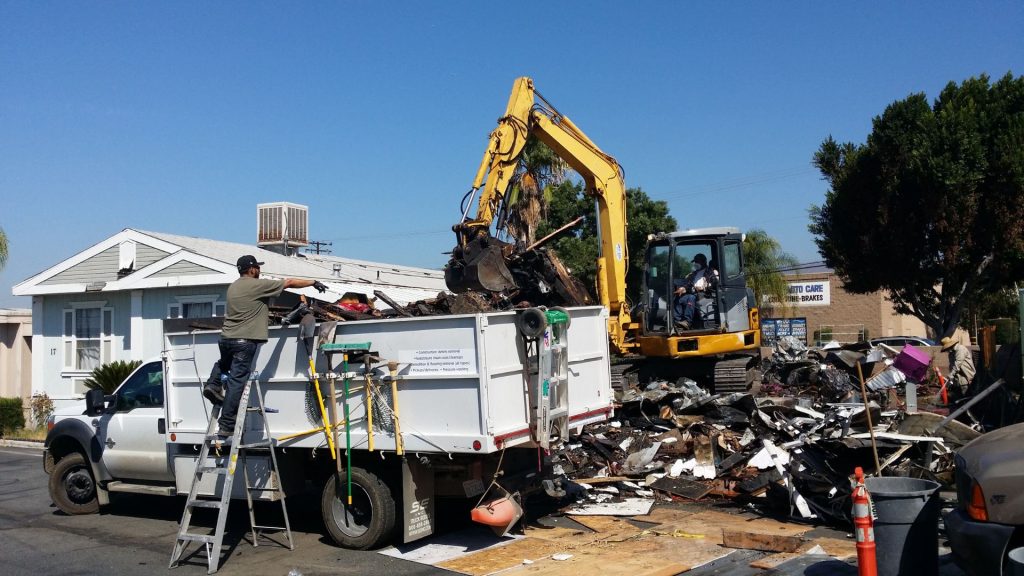
Equipping workers with proper personal protective equipment is another critical step. Gloves, steel-toed boots, dust masks, goggles, and protective clothing provide essential protection against sharp objects, dust, and toxic particles. Workers should also be trained to lift heavy objects safely, avoiding strain and injury. Additionally, organizing debris into designated areas for recycling, donation, or disposal helps maintain order. A prepared and structured worksite reduces both physical risks and logistical challenges, setting the stage for a safe and efficient demolition cleanup.
Essential Protective Gear for Demolition
When engaging in demolition cleanup, protective gear is not optional—it is indispensable. The right equipment shields against a spectrum of hazards, from airborne particles to sharp edges. Heavy-duty gloves safeguard hands from splinters and sharp metal fragments, while reinforced footwear prevents foot injuries. Protective eyewear guards against flying debris that could damage vision, and respirators or dust masks filter harmful dust and particulate matter, particularly when dealing with older construction materials.
In addition to personal safety, protective gear promotes confidence and efficiency. When workers feel secure in their equipment, they can maneuver debris and perform tasks with greater precision. Hard hats, durable clothing, and hearing protection also contribute to long-term health and safety, minimizing exposure to loud noises or falling objects. By prioritizing proper gear, demolition cleanup becomes a task approached with caution and professionalism, ensuring both safety and productivity throughout the process.
Sorting and Segregating Debris
Effective demolition cleanup begins with the careful sorting and segregation of debris. Separating materials by type—wood, metal, concrete, or hazardous substances—streamlines disposal and recycling processes. This practice not only enhances safety but also supports environmental responsibility by ensuring recyclable materials are repurposed rather than discarded. Proper labeling and containment of hazardous waste prevent contamination and reduce the risk of accidental exposure.
Sorting debris at the source also improves workflow efficiency. By organizing materials into categories, workers can quickly transport items to appropriate disposal or recycling sites without unnecessary handling. Additionally, pre-sorting can reduce overall cleanup time and costs, as certain materials may be donated or repurposed. A well-structured approach to debris management ensures safety, minimizes environmental impact, and optimizes the overall cleanup process.
Handling Hazardous Materials with Care
Demolition sites often harbor hazardous materials that require specialized handling. Substances such as asbestos, lead paint, and chemical residues pose significant health risks and demand strict adherence to safety protocols. Workers should be trained to identify these materials and equipped with protective gear designed to mitigate exposure. Regulatory guidelines should always be followed to ensure compliance with local laws and safe disposal methods.
Proper containment is essential when handling hazardous debris. Sealing materials in appropriate containers prevents the release of harmful particles, and labeling ensures that all personnel are aware of potential dangers. When necessary, professional remediation services should be engaged to manage particularly toxic substances. By prioritizing safety and regulatory compliance, demolition cleanup can proceed with minimal risk to workers, occupants, and the surrounding environment.
Safe Lifting and Transportation Techniques
Lifting and transporting debris during demolition cleanup requires careful attention to body mechanics and proper techniques. Incorrect lifting can result in strains, back injuries, and long-term musculoskeletal damage. Workers should bend their knees, keep their back straight, and use the strength of their legs when lifting heavy objects. Team lifting may be necessary for particularly large or awkward items, ensuring both safety and efficiency.
Transporting debris also requires forethought. Using wheelbarrows, carts, or hoists can minimize direct handling and reduce the risk of injury. Securing loads during movement prevents materials from shifting and causing accidents. Consistent training and adherence to safe lifting protocols protect workers and maintain a smooth, uninterrupted cleanup process. By focusing on ergonomics and proper handling methods, demolition debris can be moved safely from the site to disposal or recycling areas.
Dust and Air Quality Management
Demolition cleanup often generates significant amounts of dust, which can impact air quality and pose respiratory hazards. Managing dust effectively is crucial for maintaining a safe environment. Wetting down debris before removal, using industrial vacuums, and employing air filtration systems can drastically reduce airborne particles. Ensuring proper ventilation throughout the site helps disperse dust and minimizes inhalation risks for workers.
Monitoring air quality and wearing appropriate respiratory protection are vital steps in safeguarding health. Workers should be equipped with N95 or higher-rated masks when dealing with fine dust or potentially toxic particles. Implementing dust control measures not only protects those on site but also prevents contamination of surrounding areas. By prioritizing air quality management, demolition cleanup becomes a safer, more controlled operation.
Proper Disposal and Recycling Practices
Responsible disposal and recycling are integral to demolition cleanup. Separating recyclable materials such as metal, concrete, and wood helps reduce landfill waste and supports environmental sustainability. Coordinating with certified recycling facilities ensures that materials are repurposed efficiently. Proper disposal of hazardous materials is equally critical, preventing environmental contamination and complying with legal regulations.
Recycling and disposal practices also impact the efficiency of the cleanup process. Organized collection points and clearly marked containers streamline the removal of debris, reducing the time workers spend sorting materials on site. Engaging with local waste management and recycling services facilitates compliance with environmental standards and promotes a more sustainable approach. By emphasizing responsible disposal and recycling, demolition cleanup benefits both safety and the planet.
Maintaining Site Organization During Cleanup
Keeping a demolition site organized is essential for both safety and efficiency. Establishing designated areas for debris, tools, and equipment minimizes clutter and reduces the risk of accidents. Pathways should remain clear, and materials should be stacked securely to prevent tipping or collapsing. A well-organized site allows workers to navigate quickly and safely, enhancing overall productivity.
Routine inspections and monitoring help maintain order throughout the cleanup process. Regularly removing accumulated debris and ensuring tools are stored properly prevents unnecessary hazards. Clear communication among team members regarding the placement and movement of materials further reinforces safety protocols. Maintaining site organization transforms a potentially chaotic demolition environment into a structured and manageable workspace.
Planning for Post-Cleanup Safety
Even after the visible debris is removed, post-cleanup safety remains important. Surfaces may still harbor nails, screws, or sharp fragments, which can cause injuries if left unattended. Conducting a thorough sweep of the area ensures that these hidden hazards are eliminated. Additionally, inspecting structures for stability and checking for residual dust or chemical residues protects both workers and future occupants.
Post-cleanup planning also involves setting up safe disposal or storage areas for tools and materials that remain on site. Keeping equipment organized and accessible prevents accidents and facilitates future projects. By addressing post-cleanup safety proactively, the overall demolition process concludes on a secure and efficient note, preserving the well-being of all involved.
Conclusion
Handling demolition cleanup safely requires careful planning, proper protective gear, and attention to detail at every stage of the process. From identifying hazardous materials to organizing debris and managing air quality, each step contributes to a secure and efficient cleanup environment. Workers equipped with the right tools and training can mitigate risks while enhancing productivity, ensuring a smooth operation from start to finish. Prioritizing safety does not only protect individuals but also minimizes environmental impact, promotes recycling, and supports sustainable practices in waste management.
For professional junk removal assistance, 24-7 Junk Removal in Palatine, IL offers comprehensive services to manage all aspects of demolition cleanup. Their team is equipped to handle debris safely and efficiently, providing tailored solutions for residential and commercial projects. Contact them at (773) 309-6966 or via email at support@24-7junk.com. Visit their location at 611 W. Wise Schaumburg, IL 60193 for more information on how they can support your cleanup needs, ensuring a safe and organized demolition process.