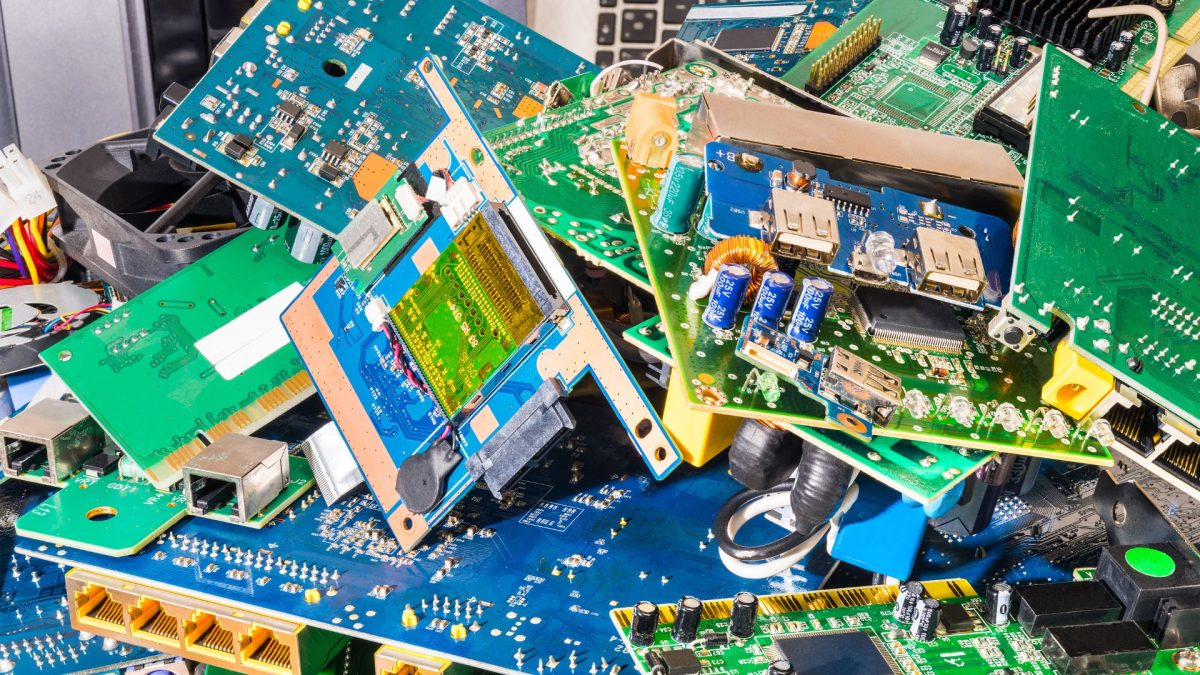
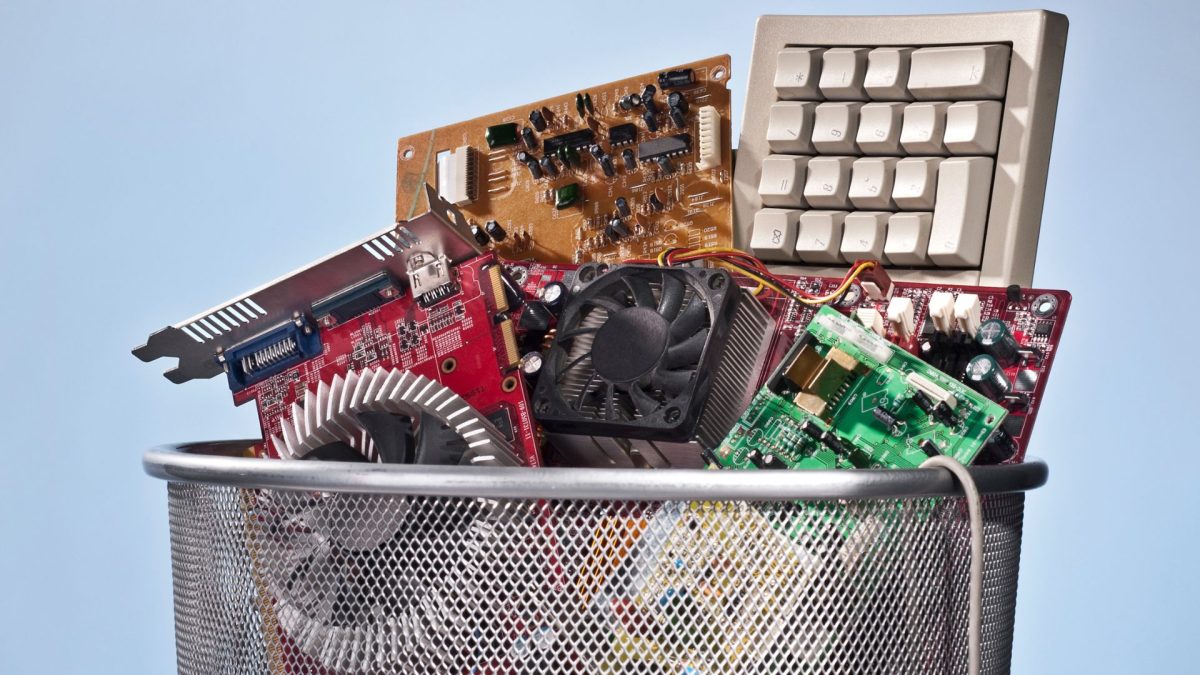
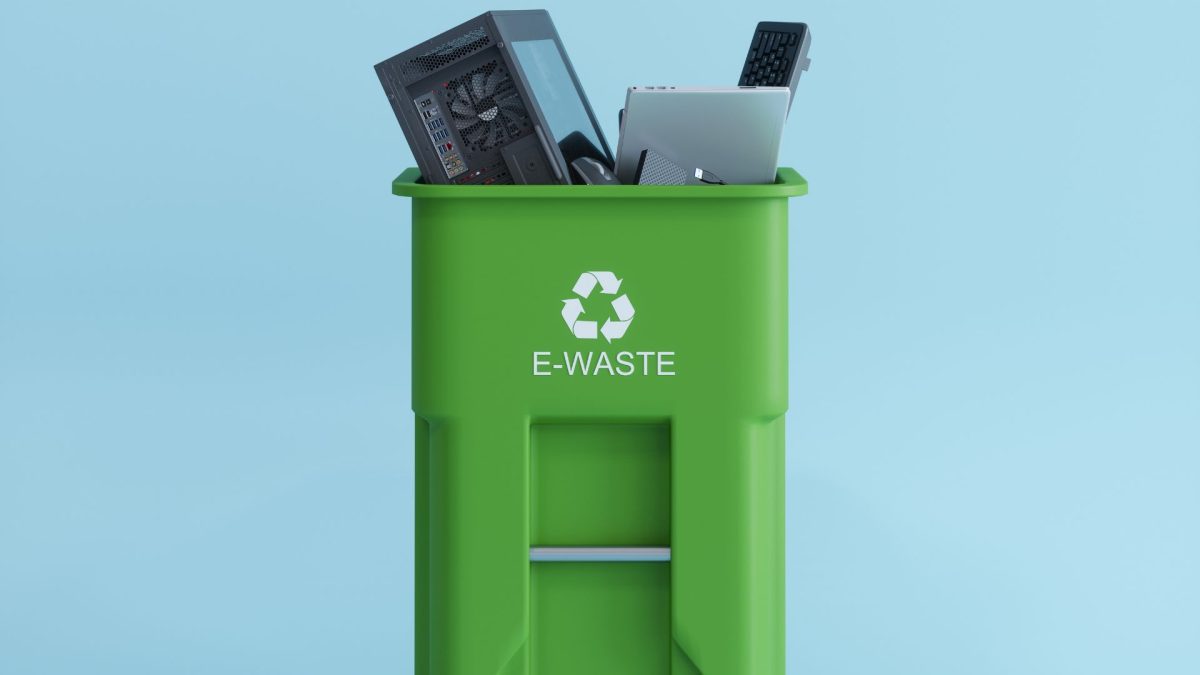
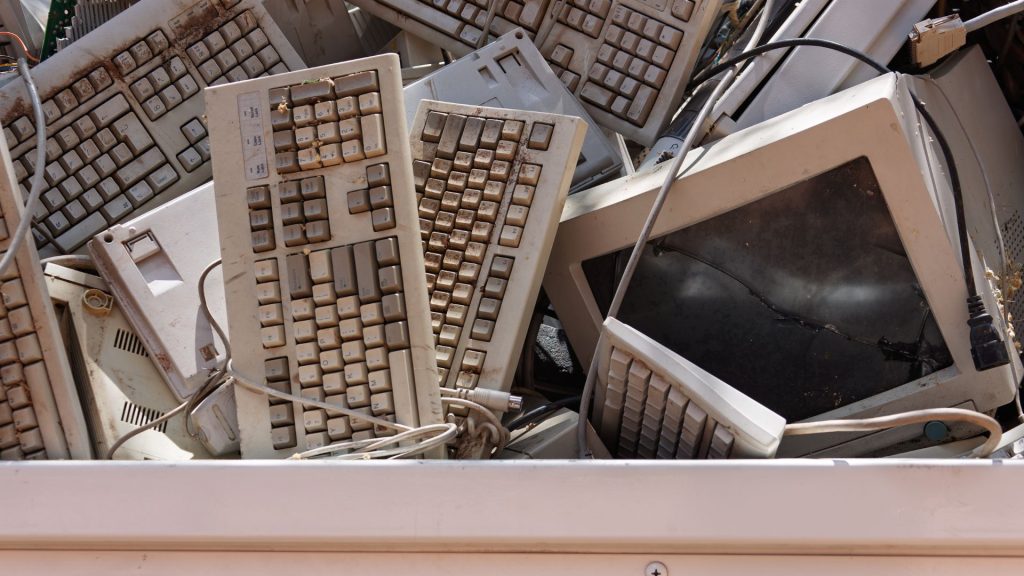
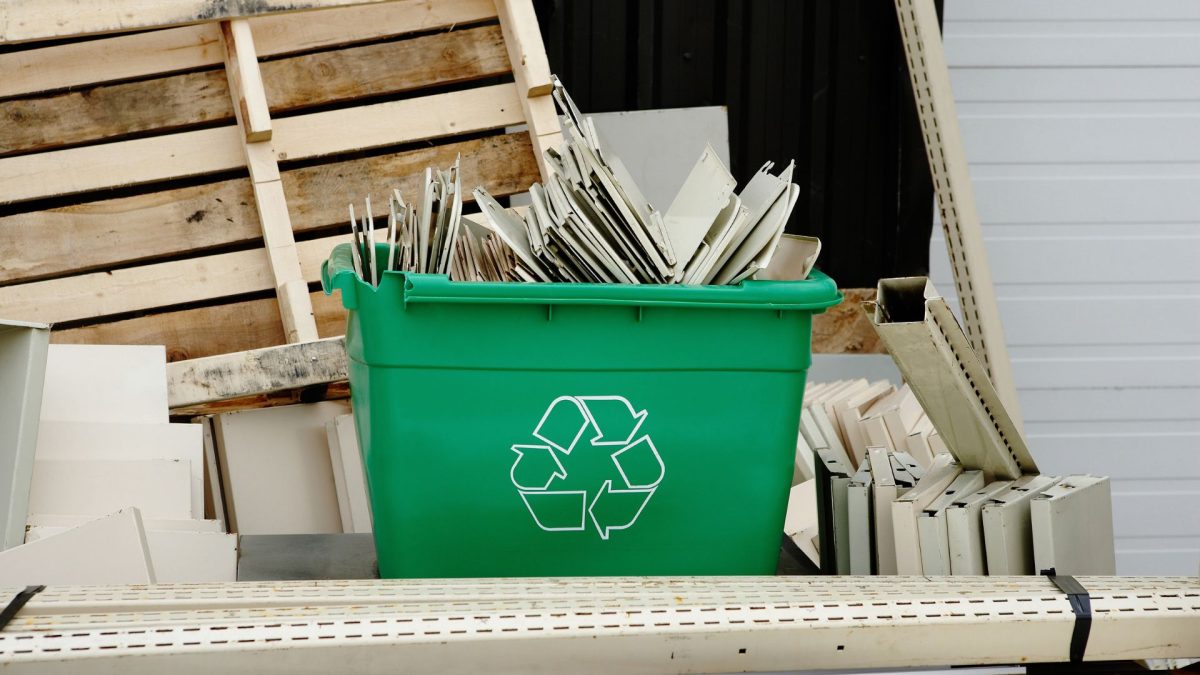
Proper disposal of electronic waste in a business environment is crucial not only for compliance with environmental regulations but also for protecting sensitive data. E-waste, ranging from outdated computers and printers to obsolete servers and mobile devices, contains hazardous substances that can harm the environment if mishandled. Without a strategic disposal plan, businesses risk contaminating local ecosystems, which can result in costly penalties and reputational damage. Implementing a responsible e-waste management strategy ensures that your business mitigates these risks while contributing to a cleaner, safer community.
Beyond environmental concerns, efficient e-waste handling can streamline internal operations. By organizing disposal procedures, businesses can reclaim valuable space, reduce clutter, and even salvage reusable components. This proactive approach reflects a company’s commitment to sustainability and social responsibility. When employees witness an organization taking deliberate steps to reduce its ecological footprint, it cultivates a culture of awareness and conscientiousness. Proper e-waste management is more than a regulatory necessity—it’s a strategic advantage that reinforces operational efficiency and corporate integrity.
Creating an E-Waste Inventory for Your Business
Establishing a detailed inventory of electronic devices is an essential first step in ensuring proper disposal. By cataloging all equipment, including its condition, age, and functionality, businesses gain a clear picture of what needs to be removed or recycled. This inventory allows organizations to plan disposal in stages, avoiding haphazard dumping or accumulation of obsolete devices. Furthermore, a well-maintained inventory helps in tracking warranty expirations and identifying equipment eligible for trade-in or donation programs, maximizing value while minimizing waste.
A structured inventory also facilitates secure handling of sensitive information. When businesses know precisely which devices contain confidential data, IT teams can systematically perform data wiping or destruction before disposal. This method reduces the risk of data breaches and demonstrates due diligence in information security management. By merging environmental consciousness with cybersecurity considerations, companies can responsibly manage their electronic waste while safeguarding critical information, creating a dual benefit that enhances both sustainability and operational integrity.
Partnering with Certified E-Waste Disposal Companies
Working with certified e-waste disposal companies is fundamental for businesses seeking responsible recycling and disposal solutions. Certified providers adhere to stringent environmental and safety standards, ensuring that electronic components are processed in ways that prevent toxic leakage and harmful emissions. Engaging with a professional service also simplifies compliance with local, state, and federal regulations, protecting your organization from potential fines or legal complications. Choosing a reputable partner establishes accountability and provides peace of mind that your e-waste is being handled properly.
Certified disposal companies often offer additional services such as secure data destruction, on-site pick-up, and reporting documentation. These services help businesses maintain transparency and demonstrate compliance to stakeholders. Moreover, outsourcing e-waste handling reduces the internal burden on staff, freeing resources for core business activities. By relying on experienced professionals, companies can guarantee that every piece of electronic waste is either recycled, refurbished, or safely dismantled, reinforcing a commitment to sustainability while ensuring operational efficiency.
Implementing Secure Data Destruction Protocols
Secure destruction of sensitive data is paramount in the e-waste disposal process. Businesses must ensure that all information stored on devices is irretrievably erased before equipment leaves the premises. Methods like hard drive shredding, degaussing, or certified data wiping services prevent unauthorized access to confidential records. This proactive approach reduces legal risks associated with data breaches and reinforces trust with clients, employees, and partners who expect rigorous protection of their information.

Integrating secure data protocols into a disposal plan also promotes organizational accountability. Employees are better equipped to follow established procedures when they understand the consequences of neglecting data security. Additionally, secure destruction enables businesses to recycle or repurpose equipment confidently, knowing that privacy concerns are fully addressed. By combining environmental responsibility with information security measures, companies establish a comprehensive e-waste strategy that protects both the planet and sensitive business data.
Developing a Sustainable E-Waste Recycling Strategy
A structured recycling strategy ensures that electronic waste is not only removed from your business but also reintegrated into productive use. Many electronic components, such as metals, plastics, and circuit boards, can be repurposed into new products, reducing the need for raw materials and conserving natural resources. Businesses that adopt recycling programs contribute to the circular economy, minimizing landfill use and promoting long-term sustainability. This approach turns e-waste into a resource rather than a liability, aligning operations with broader ecological objectives.
Recycling programs also enhance corporate reputation by showcasing an organization’s dedication to environmental stewardship. Clients, partners, and employees increasingly value companies that prioritize eco-conscious practices. Establishing relationships with recycling facilities and integrating their services into regular waste management schedules ensures consistent and effective outcomes. By making recycling a routine aspect of operations, businesses can significantly reduce their carbon footprint while supporting innovation and responsible material reuse in the electronics industry.
Training Employees on E-Waste Handling Best Practices
Employee education plays a critical role in effective e-waste disposal. Training staff on proper handling techniques, storage methods, and disposal policies ensures that hazardous materials are managed safely and efficiently. When employees understand the environmental and operational implications of e-waste mismanagement, they are more likely to comply with internal procedures and avoid accidental contamination. Clear communication regarding responsibilities and protocols reduces errors and enhances the overall efficiency of disposal processes.
Well-informed employees also serve as advocates for sustainability within the organization. By recognizing the value of recycling and responsible disposal, staff can identify opportunities to repurpose or donate equipment before it becomes obsolete. Empowering employees with knowledge creates a culture where environmental awareness becomes part of daily operations. Through consistent training programs and refresher courses, businesses can maintain high standards for e-waste management, ensuring compliance, safety, and sustainable practices are upheld across all departments.
Scheduling Regular E-Waste Collection Events
Organizing periodic e-waste collection events within a business helps maintain control over obsolete electronics. Scheduled collection allows businesses to accumulate and process equipment in bulk, reducing costs and improving logistical efficiency. These events provide a structured approach to disposal, preventing devices from lingering in offices or storage areas and creating potential hazards. Regular collection ensures that waste is managed systematically, aligning with environmental goals and organizational workflows.
Such events can also foster collaboration with certified disposal companies and recycling centers, ensuring that the process is executed correctly and responsibly. By planning in advance, businesses can coordinate transportation, data destruction, and recycling services seamlessly. Additionally, promoting these events internally encourages employee participation and accountability, creating a collective commitment to responsible e-waste management. This proactive scheduling reduces the likelihood of improper disposal while reinforcing sustainable practices throughout the organization.
Integrating E-Waste Policies into Corporate Sustainability Goals
Incorporating e-waste management into broader corporate sustainability policies strengthens overall environmental initiatives. By formally recognizing electronic disposal as part of strategic objectives, businesses emphasize the importance of responsible practices throughout the organization. Policy integration ensures that e-waste handling is not an ad hoc activity but a consistent and measurable aspect of operational responsibility. Companies can track progress, set targets for recycling, and assess the effectiveness of their programs systematically.
Embedding e-waste management into sustainability goals also supports stakeholder engagement. Investors, customers, and partners increasingly expect companies to demonstrate tangible environmental responsibility. When e-waste strategies are clearly defined within corporate policies, it becomes easier to report on achievements, gain recognition, and attract environmentally conscious clients. This strategic alignment transforms e-waste management from a compliance task into a core component of corporate identity, driving both ecological impact and reputational value.
Leveraging Technology for Efficient E-Waste Tracking
Technological tools can significantly improve e-waste management by enabling real-time tracking of devices from acquisition to disposal. Inventory software and asset management platforms allow businesses to monitor equipment lifecycle, schedule timely replacements, and record disposal methods. Digital tracking ensures accountability, prevents unauthorized disposal, and provides documentation for audits or regulatory compliance. By leveraging technology, organizations gain a streamlined, transparent view of their electronic assets and associated waste management activities.
Moreover, technology facilitates reporting and analytics that guide sustainability improvements. By analyzing trends in e-waste generation and disposal patterns, businesses can implement targeted reduction strategies and optimize recycling programs. Advanced tracking systems also support secure data destruction by confirming which devices have been sanitized before leaving the premises. Overall, technology integration enhances efficiency, security, and sustainability, creating a modern approach to responsible e-waste disposal that aligns with both operational and environmental objectives.
Partnering with Local Charities for Equipment Donation
Donating functional electronics to local charities provides a socially responsible alternative to disposal. Many organizations, such as schools, nonprofits, and community centers, benefit from receiving refurbished computers, printers, and other devices, extending the useful life of equipment. This approach reduces waste, supports local communities, and aligns business operations with ethical and environmental values. By prioritizing donation over disposal when feasible, businesses reinforce their commitment to social impact while promoting sustainability.
Donation programs also allow businesses to maintain compliance with environmental regulations, as certified charities often coordinate with recycling partners for items that cannot be reused. This dual pathway ensures that equipment is either given a second life or properly recycled. Engaging with local organizations enhances corporate reputation and fosters goodwill within the community. Businesses that actively participate in charitable donation programs contribute positively to society while effectively managing electronic waste, demonstrating that environmental responsibility and social responsibility can go hand in hand.
Conclusion
Ensuring proper e-waste disposal in your business requires a multifaceted approach that combines inventory management, secure data destruction, employee training, and partnerships with certified disposal companies. By implementing structured recycling programs, scheduling regular collection events, and leveraging technology for tracking, businesses can minimize environmental impact and protect sensitive information. Integrating e-waste policies into broader sustainability goals reinforces accountability and positions organizations as responsible corporate citizens. Effective e-waste management enhances operational efficiency, safeguards critical data, and supports long-term ecological stewardship.
For businesses in the Palatine, IL area, 24-7 Junk Removal provides comprehensive and reliable Junk Removal services tailored to both commercial and residential needs. Their team ensures that all electronic waste is responsibly recycled, securely handled, and disposed of in compliance with regulations. Whether coordinating pick-up schedules or facilitating equipment donations, 24-7 Junk Removal offers professional assistance to make e-waste disposal seamless. Contact them at (773) 309-6966 or visit their location at 611 W. Wise Schaumburg, IL 60193 for expert support and guidance in managing electronic waste responsibly.