

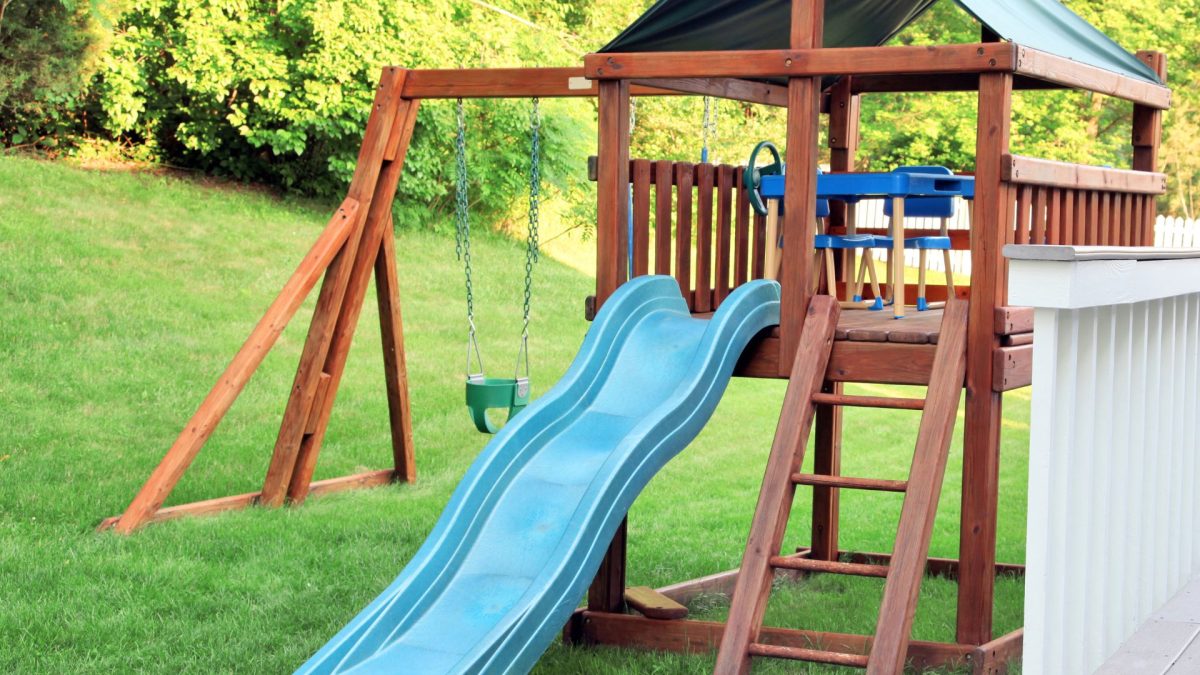
Before beginning the removal of a playset, taking the time to assess the space ensures the process flows without unnecessary interruptions. Clearing the surrounding yard of obstacles, toys, or garden equipment creates a safe environment that allows each step to be executed smoothly. An organized space also minimizes the risk of tripping hazards, making the dismantling not only more efficient but safer for everyone involved. Considering the layout of the playset in relation to nearby structures, fences, or landscaping allows you to plan the direction of each component’s removal. When space is used strategically, it reduces the need to repeatedly move heavy parts across the yard, saving both energy and time.
Having the proper tools on hand before starting prevents delays and helps in tackling the dismantling systematically. Wrenches, screwdrivers, hammers, and saws should be arranged in a way that is easily accessible during each stage of the removal. If the playset is secured with bolts and screws, grouping them by type in containers prevents mix-ups, allowing for a seamless reassembly or disposal. Assessing the structure for any worn or fragile materials prior to dismantling also prevents accidents or broken components during the process. Planning each step thoughtfully in advance ensures that efficiency is maximized, setting the stage for a smooth and organized removal from start to finish.
Understanding the Structure of the Playset
Gaining a clear understanding of the playset’s construction is essential before attempting to take it apart. Each playset is designed differently, featuring varied connections, joints, and support systems that dictate how pieces can be separated without causing damage. By studying the layout, including the types of fasteners used and how beams are interconnected, you reduce the chance of unexpected difficulties. Knowing which components can be safely disassembled first helps maintain balance and prevents sections from collapsing unexpectedly. Visualizing the sequence of removal in advance allows the task to proceed logically and efficiently, cutting down on wasted effort.
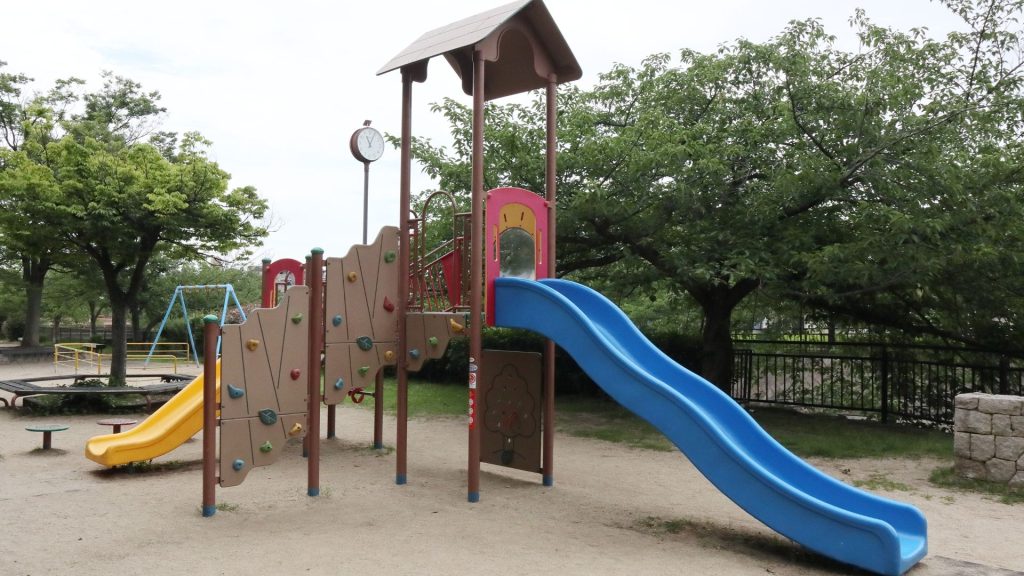
Assessing whether the structure is anchored into the ground or free-standing informs the method and tools needed for removal. Grounded posts may require digging or loosening soil before being lifted out, while free-standing frames can often be disassembled piece by piece. Identifying load-bearing parts versus decorative features ensures that the proper steps are taken to maintain safety during the process. A comprehensive understanding of the playset structure saves time by preventing trial-and-error approaches. Recognizing weak points or areas of potential resistance before starting allows for careful planning and streamlined execution, making the overall removal faster and safer.
Sorting Materials for Efficient Disposal
Effective disposal begins with sorting the materials as playset pieces are removed. Wood, metal, plastic, and hardware components each have unique handling requirements, so separating them as you work avoids confusion later. This approach simplifies recycling efforts, ensuring that materials are reused when possible and disposed of according to local regulations. Sorting also allows you to identify which components may be salvageable for future projects or donations. By dividing the parts into categories from the start, you eliminate extra handling steps, keeping the process flowing smoothly.
Separating materials also reduces hazards by preventing sharp metal pieces or splintered wood from being mixed with other debris. It allows for more organized transportation to dumpsters or recycling centers, avoiding unnecessary trips and conserving labor. Each pile can be labeled or marked to keep track of its destination, improving coordination with any additional workers or professional removal services. Taking the time to sort materials during dismantling enhances overall efficiency and maintains a structured workflow, preventing last-minute confusion or delays in the final cleanup phase.
Using the Right Tools for Speed
The tools you choose greatly impact the speed and ease of removing a playset. A toolkit stocked with essentials such as power drills, wrenches, and saws allows each component to be addressed efficiently. Hand tools are ideal for precision work, while power tools handle larger, stubborn bolts and screws with minimal effort. Using the appropriate tool for each task minimizes the risk of stripping fasteners or damaging parts unnecessarily, which would otherwise slow down the process.
Organizing your tools to be within arm’s reach while working enhances workflow and reduces downtime. Consider using tool belts or portable toolboxes to move easily between sections of the playset. Regular maintenance of tools, such as sharpening blades or checking battery levels, ensures they perform optimally. Efficient tool usage saves energy, reduces frustration, and accelerates the overall dismantling timeline. When combined with proper planning, the right tools make playset removal not only faster but also safer for everyone involved.
Disassembling in Logical Order
Removing a playset is more efficient when components are disassembled in a carefully considered sequence. Starting with non-load-bearing pieces such as slides, ladders, or swings prevents structural imbalances that could create hazards. Gradually moving toward larger, load-bearing sections ensures stability during removal, reducing the risk of unexpected collapses. Following a logical order also allows you to anticipate which pieces can be handled alone and which require multiple people.
Breaking down the playset methodically keeps the process smooth and avoids repeated adjustments or repositioning. If certain parts are disassembled out of order, it may be necessary to reassemble or stabilize sections temporarily, wasting time and effort. By prioritizing pieces based on size, weight, and structural role, each step becomes predictable and manageable. A systematic approach ensures that each segment can be removed efficiently without compromising safety or causing delays, streamlining the entire removal process from start to finish.
Managing Heavy Components Safely
Large beams and structural posts often present the biggest challenge during playset removal. Handling these heavy components safely requires planning and teamwork to avoid injury and property damage. Using lifting straps, dollies, or other equipment reduces strain on the body while keeping the parts controlled. Assigning specific roles during lifting and maneuvering ensures that everyone knows their responsibilities, creating a coordinated effort that moves quickly and safely.
Breaking down heavier pieces into smaller, manageable sections before removal can further enhance efficiency. If a large beam can be separated into shorter lengths, it becomes easier to transport, reducing the need for multiple trips or extra personnel. Planning the path of removal in advance ensures there is enough clearance to navigate each piece out of the yard without obstruction. By combining proper lifting techniques, tools, and teamwork, handling heavy components becomes a seamless part of the overall removal process.
Protecting the Surrounding Landscape
Efficiency in playset removal is not just about speed but also preserving the surrounding area. Lawns, flowerbeds, and nearby structures can be easily damaged if pieces are dragged or dropped carelessly. Laying down protective mats or tarps in high-traffic areas prevents gouges in the soil and scratches on patios or decks. Protecting the landscape allows you to maintain a neat work environment, minimizing the need for post-removal repairs or cleanup.
Mindful movement of materials is especially important when navigating tight corners or slopes. Planning the route for each piece in advance ensures that the path is clear, preventing accidents and preserving fragile elements of the yard. This approach reduces the likelihood of delays caused by having to fix accidental damage, allowing the removal process to remain fluid. Incorporating landscape protection into the workflow ultimately balances efficiency with care, creating a smoother and safer project.
Minimizing Waste Through Recycling
Sorting and recycling components of the playset reduces landfill contributions while promoting environmental responsibility. Wood can be repurposed for outdoor projects, metal frames can be melted down, and plastic parts may be reused in creative ways. Identifying recyclable elements early allows you to plan their transport separately, keeping the workflow organized and efficient. Minimizing waste also helps reduce disposal costs, making the project more economical.
Recycling also aligns with broader sustainability goals by keeping usable materials out of landfills. Labeling and storing items designated for recycling ensures that nothing is accidentally discarded. Incorporating recycling into the removal process helps maintain focus and structure, avoiding unnecessary sorting at the final disposal stage. A conscious approach to waste management enhances efficiency while contributing positively to environmental stewardship, ensuring the process is responsible as well as streamlined.
Coordinating with Team Members
When playset removal involves multiple people, clear communication is essential for efficiency. Establishing a plan for each stage, assigning roles, and signaling actions reduces confusion and prevents accidents. Each team member should understand the sequence of removal and the priority of certain components, enabling synchronized efforts that move the project along quickly. Coordination also helps in handling heavy or awkward pieces that require more than one person.
Regular check-ins during the dismantling process help address any unexpected challenges without slowing progress. Adjusting roles or strategies in response to obstacles keeps momentum high and prevents unnecessary delays. Maintaining a cooperative environment ensures that each step is executed safely and efficiently. Proper coordination transforms a complex task into a streamlined operation, maximizing speed without sacrificing safety or precision.
Planning for Final Cleanup
The final cleanup stage determines how polished and efficient the entire removal process appears. Collecting debris immediately after each segment of dismantling prevents clutter from accumulating, which can slow down progress and create hazards. Having a designated area for temporary storage or transport ensures that materials are moved systematically and efficiently to their final disposal destination.
Preparing for cleanup also includes checking for small hardware pieces, nails, or screws left behind. Keeping track of these ensures safety and prevents them from becoming a problem for future yard use. A well-planned cleanup procedure reinforces the efficiency of the removal process, allowing the site to return to a functional state quickly. Incorporating cleanup into the workflow from the beginning avoids unnecessary delays at the end, ensuring the entire project is completed with speed and organization.
Conclusion
Maximizing efficiency during playset removal requires a combination of preparation, planning, and careful execution. Clearing the surrounding area, understanding the structure, using the right tools, and coordinating team efforts all contribute to a streamlined process that saves time and prevents accidents. By approaching each step thoughtfully and systematically, homeowners can minimize frustration and maintain control over a task that might otherwise seem daunting. Efficient removal not only protects the yard and playset components but also ensures that disposal is handled in an organized, responsible way.
For residents in Palatine, IL, 24-7 Junk Removal provides expert assistance for those seeking professional help with playset removal. Their team can handle every stage of the project, offering safe and efficient junk removal services. Whether managing heavy beams, sorting materials for recycling, or coordinating the final cleanup, they provide comprehensive support to ensure the job is completed quickly and effectively. Contact 24-7 Junk Removal at (773) 309-6966 to schedule service or discuss your removal needs, and experience how professional organization can transform a challenging task into a smooth and stress-free process.