

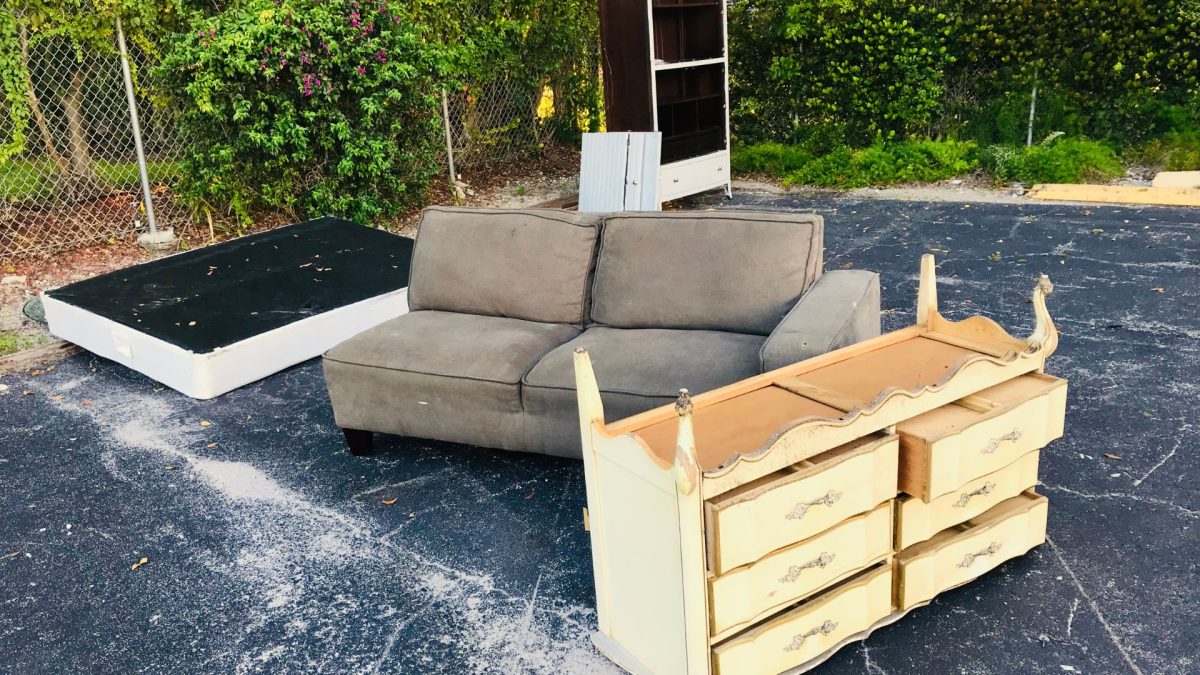
Old furniture often ends up in landfills, contributing to unnecessary waste and environmental strain. Many pieces contain materials that take decades to decompose, releasing harmful chemicals into the soil and water. By understanding the environmental impact of throwing away furniture carelessly, homeowners can make more informed decisions. Opting for sustainable disposal methods not only reduces landfill waste but also conserves natural resources by ensuring materials are reused or recycled. This approach benefits both the planet and the community by promoting a circular economy where items have a second life instead of a short-lived existence.
Considering sustainability also encourages thoughtful planning before making a purchase or replacement. Assessing whether furniture can be refurbished, donated, or repurposed ensures that fewer items contribute to environmental degradation. Choosing eco-friendly disposal methods can include working with professionals who specialize in removing, donating, or recycling furniture responsibly. Sustainable practices prevent unnecessary carbon emissions from transportation and improper handling, ultimately supporting cleaner air and reduced ecological footprints.
Donating Usable Furniture to Extend Its Lifespan
One of the most impactful ways to handle old furniture sustainably is by donating pieces that are still in good condition. Charitable organizations, shelters, and community centers often welcome gently used furniture, providing homes for families or institutions in need. Donating ensures that furniture is not discarded prematurely, and it helps communities while fostering social responsibility. Items like sofas, tables, chairs, and beds can serve others effectively when given a second life. Many donation centers even offer pickup services, making it easier to offload bulky items without logistical hassles.
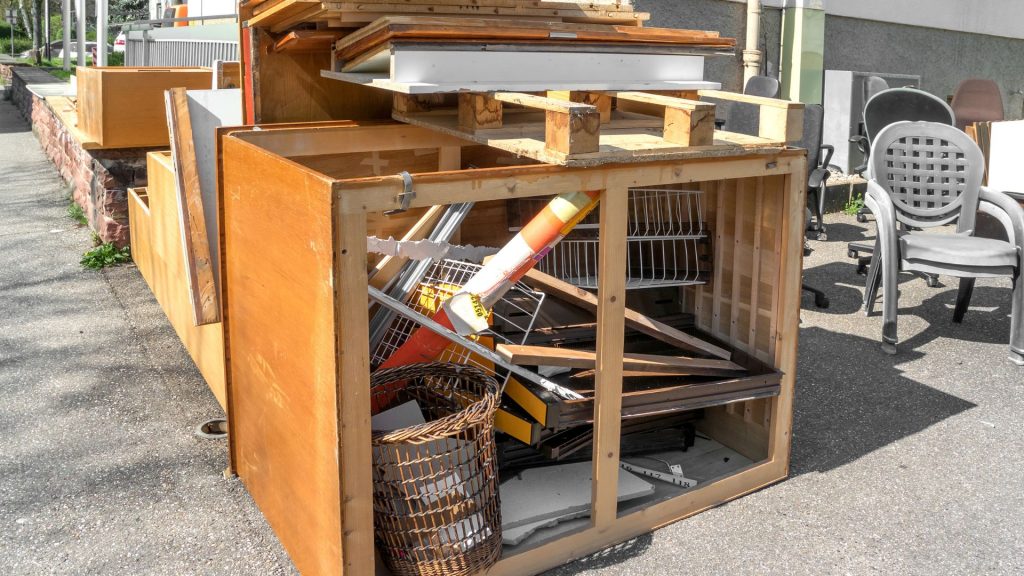
Donating furniture also has economic benefits for both the donor and the recipients. It reduces the cost of disposal, avoids landfill fees, and allows recipients to access essential household items without financial strain. Additionally, furniture donations often qualify for tax deductions, providing an incentive while simultaneously supporting sustainability. Prioritizing donation over disposal cultivates a mindset of reuse and resourcefulness, which is crucial for minimizing waste and promoting environmental stewardship in every neighborhood.
Repurposing and Upcycling Furniture for Creative Solutions
Repurposing and upcycling old furniture are excellent ways to give items a fresh purpose. By transforming an outdated dresser into a bookshelf or a worn-out table into a planter stand, homeowners can reduce waste while enhancing home aesthetics. Creative modifications not only extend the life of furniture but also add unique character and functionality to living spaces. Repurposing encourages the use of existing materials rather than producing new products, significantly cutting down on environmental impact and resource consumption.
The upcycling trend also empowers individuals to explore craftsmanship and design skills. Even minor alterations like repainting, adding new hardware, or reupholstering can rejuvenate furniture pieces, making them both functional and visually appealing. This approach reduces the need for mass-produced furniture, limiting energy-intensive manufacturing and shipping processes. By thinking outside the box, homeowners contribute to a more sustainable lifestyle while enjoying the satisfaction of creating personalized, eco-friendly home decor.
Recycling Furniture Materials Responsibly
Not all furniture can be donated or repurposed, but recycling is a sustainable alternative for items beyond use. Professional recycling services can dismantle furniture, separating components such as wood, metal, and fabric for proper processing. Wood can be chipped for mulch or reused in construction projects, metal can be melted down and reshaped, and textiles can be repurposed for insulation or stuffing. Responsible recycling ensures that the material value of furniture is preserved, reducing the need for virgin resources and minimizing environmental impact.
Recycling also addresses the challenge of hazardous materials in furniture, such as chemical coatings, flame retardants, or synthetic foams. Proper handling prevents these substances from contaminating landfills and water supplies. Homeowners can collaborate with specialized recycling centers or junk removal services that prioritize eco-friendly processing. By choosing recycling over disposal, furniture owners contribute to a closed-loop system that reduces waste, conserves natural resources, and promotes sustainability within their communities.
Hiring Professional Furniture Removal Services
When dealing with bulky or difficult-to-move furniture, professional removal services provide a practical and sustainable solution. These companies handle transportation, dismantling, and proper disposal of items, often with a focus on donation and recycling. By hiring experts, homeowners reduce the risk of injury, save time, and ensure that furniture is disposed of responsibly. Professional services are particularly useful for large-scale cleanouts, moving projects, or when furniture cannot be easily repurposed.
Experienced junk removal teams have the knowledge and equipment to manage heavy or awkward items safely. They often partner with local donation centers, recyclers, or salvage yards, ensuring that furniture receives a second life whenever possible. This approach not only reduces landfill contributions but also aligns with eco-conscious living. Relying on professional services allows homeowners to make sustainable choices effortlessly, guaranteeing that furniture is removed efficiently while supporting environmentally friendly disposal practices.
Evaluating Furniture for Repair Before Disposal
Before deciding to discard furniture, evaluating whether it can be repaired is a sustainable strategy that extends its usefulness. Minor damages such as loose joints, scratched surfaces, or broken handles often have simple fixes that restore functionality. Repairing furniture reduces waste and the demand for new products, conserving resources that would otherwise be used in manufacturing and shipping new items. Small efforts in repair can significantly delay disposal and provide continued value from existing furniture.
Repairing furniture also encourages a mindset of maintenance and care, which can prevent premature wear and tear. Investing time and effort into fixing items promotes resourcefulness and sustainability. Many repair techniques are cost-effective and can be learned through tutorials or community workshops, making it accessible for homeowners of all skill levels. By considering repairs before disposal, furniture owners contribute to reducing overall waste and fostering a culture of durability and mindful consumption.
Selling Furniture to Give It a Second Life
Selling old furniture is another effective way to ensure it remains in use and reduces environmental impact. Online marketplaces, consignment shops, and local sales events offer opportunities to connect with buyers seeking affordable furniture. Selling allows pieces to be reused rather than thrown away, minimizing landfill contributions. It also provides financial return, which can offset the cost of new purchases and encourage a circular approach to furniture management.
The resale market supports sustainability by keeping furniture in circulation and discouraging unnecessary production of new items. Even modestly used or vintage pieces often find enthusiastic buyers, extending their lifespan significantly. Homeowners benefit from decluttering while contributing to environmental stewardship, demonstrating that sustainability and economic practicality can coexist. Selling furniture complements other eco-friendly strategies such as donation, repurposing, and recycling, offering a comprehensive approach to sustainable furniture disposal.
Leveraging Local Community Swap Programs
Community swap programs provide a sustainable and social alternative for furniture disposal. These programs allow residents to exchange items they no longer need for items offered by neighbors, creating a network of reuse within the community. Participating in swaps reduces landfill waste, encourages sharing, and fosters a sense of collective responsibility. Furniture that might have been discarded can find new homes through creative, community-driven solutions, benefiting both individuals and neighborhoods.
Swap programs also encourage creativity and resourcefulness by allowing participants to explore different styles and functions. This method not only keeps furniture in circulation but also strengthens local ties and promotes social engagement. By leveraging these programs, homeowners can avoid waste while supporting an environmentally conscious culture. Community swaps demonstrate that sustainable furniture management is not only practical but also enriching for those involved, creating positive impacts beyond simple disposal.
Choosing Eco-Friendly Disposal Services
Eco-friendly disposal services focus on minimizing environmental impact while removing unwanted furniture. These services prioritize donation, repurposing, and recycling over landfilling, ensuring that items are handled responsibly. Selecting companies with clear sustainability practices allows homeowners to make conscious choices, aligning disposal efforts with environmental values. This approach supports a greener future by ensuring that furniture waste is managed thoughtfully rather than carelessly discarded.
Professional eco-friendly services also handle complex logistics, including transportation, dismantling, and sorting, which can be challenging for individual homeowners. Their expertise guarantees that furniture is diverted from landfills whenever possible, maximizing sustainability outcomes. Choosing such services reflects a commitment to long-term environmental responsibility and demonstrates that practical solutions can coexist with ethical and eco-conscious standards. These providers make it easy to uphold sustainability without compromising convenience or efficiency.
Planning Furniture Disposal During Home Renovations
Home renovations often generate a significant amount of old furniture that needs disposal. Planning ahead ensures that furniture is managed sustainably during remodeling projects. Homeowners can schedule donation pickups, recycling services, or professional removal in advance, avoiding last-minute decisions that may lead to landfill disposal. Thoughtful planning reduces clutter, prevents environmental harm, and allows for smoother project execution, enhancing both efficiency and sustainability.
Strategic disposal planning also helps homeowners prioritize which items can be reused, repurposed, or recycled. Proper coordination with removal services and community programs ensures that furniture exits the home responsibly. By integrating sustainable practices into renovation projects, individuals can reduce environmental impact and cultivate a mindful approach to home improvement. Planning ahead demonstrates foresight, allowing furniture to find new life while supporting eco-conscious living practices.
Conclusion
Disposing of old furniture sustainably requires a combination of thoughtful decision-making, creative reuse, and professional assistance. By donating, repurposing, recycling, or selling furniture, homeowners significantly reduce environmental impact while maximizing the life of their items. Incorporating sustainable strategies fosters a responsible approach to furniture management that benefits both communities and the planet. Choosing eco-conscious methods ensures that discarded items do not unnecessarily burden landfills or resources. Strategic planning, repair evaluation, and collaboration with professionals make sustainable disposal practical, efficient, and impactful. When combined, these methods support a culture of reuse and environmental mindfulness that extends far beyond individual households.
For residents in Palatine, IL, 24-7 Junk Removal offers professional, eco-friendly solutions for furniture disposal. Their team ensures that items are removed safely, responsibly, and with a focus on recycling or donation whenever possible. You can reach them at (773) 309-6966 to schedule a service that keeps your space clutter-free and aligns with sustainable practices. Located at 611 W. Wise Schaumburg, IL 60193, they provide reliable support through phone or email at support@24-7junk.com, ensuring every furniture removal is handled efficiently and responsibly.