Categories
Junk Removal

The Role of Junk Removal Services in Promoting Green Practices

Junk removal services play a crucial role in lessening the environmental burden created by excessive waste. By providing a structured method for collecting and removing unwanted items, these services prevent hazardous materials from ending up in landfills, where they can leach toxins into soil and groundwater. This process not only reduces pollution but also helps preserve natural resources by diverting reusable materials from waste streams. When companies prioritize eco-conscious disposal, they effectively minimize the footprint left by discarded household and commercial items, fostering a healthier ecosystem.

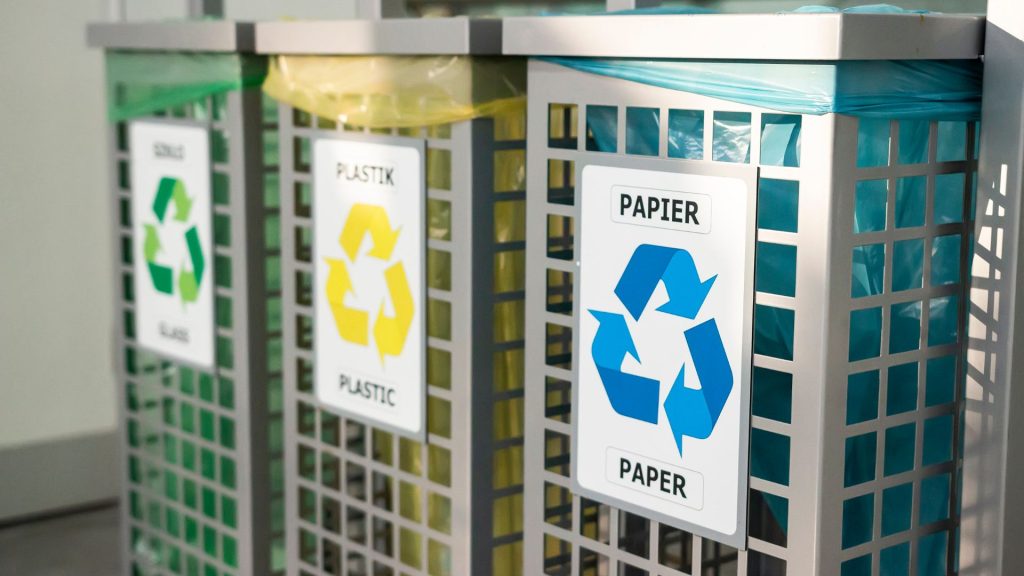
A core component of this environmental stewardship is recycling and repurposing. Many junk removal companies actively separate items that can be recycled, such as metals, plastics, and electronics. By redirecting these materials back into manufacturing and avoiding new resource extraction, the demand for raw materials is lowered. Moreover, organic waste can often be composted, creating nutrient-rich soil for agriculture and landscaping. These practices collectively promote sustainable living and encourage communities to embrace environmentally responsible habits.

Supporting Sustainable Resource Management

Junk removal services serve as intermediaries between waste generation and sustainable resource management. They ensure that items no longer needed by one individual can be transformed into usable products or materials for another. This approach reduces the pressure on natural resources and curtails the energy required for producing new goods from scratch. Through careful sorting, processing, and recycling, junk removal services contribute to a circular economy where materials continuously find new life instead of contributing to the growing pile of landfill waste.

Additionally, proper disposal of items like electronics and appliances prevents the release of harmful substances, such as heavy metals and chemicals, into the environment. Many services collaborate with certified recycling centers to handle these items safely, protecting both human health and wildlife. Beyond environmental benefits, this approach also inspires social responsibility, as communities see tangible evidence of waste reduction and resource conservation in action.

Minimizing Landfill Dependence

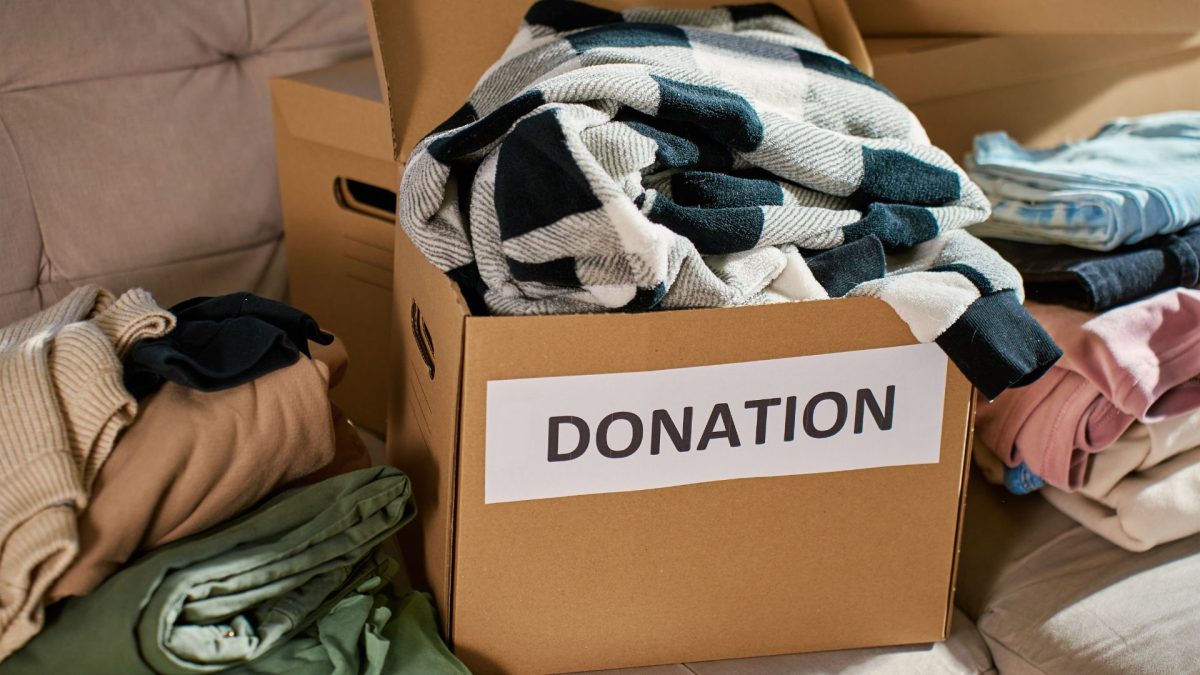
Landfills are a major source of environmental concern, contributing to soil contamination, greenhouse gas emissions, and the destruction of natural habitats. Junk removal services help alleviate these issues by diverting significant portions of waste from landfills through donation, recycling, and resale. Items in good condition can be donated to charitable organizations, extending their lifespan and benefiting individuals in need while reducing unnecessary landfill use.

Furthermore, specialized waste streams like construction debris, electronics, and hazardous materials are treated with care to prevent environmental damage. By offering these services, junk removal companies reduce the volume of waste deposited in landfill sites, which not only prolongs landfill capacity but also reduces the energy and resources required for ongoing landfill management. This proactive approach highlights how mindful junk disposal can have wide-ranging environmental advantages.

Encouraging Reuse and Donation

A defining characteristic of modern junk removal services is the emphasis on reuse and donation. Instead of simply discarding usable items, these services connect people with local charities and organizations that can repurpose them. Furniture, appliances, and clothing often find new homes, extending their functional lifespan and supporting local communities. This practice mitigates waste, promotes social good, and reinforces a culture of sustainability.

Encouraging reuse also reduces the demand for new goods, which in turn decreases energy consumption and resource extraction. When communities recognize the tangible benefits of donating and repurposing items, they are more likely to adopt sustainable habits. Junk removal services, by actively promoting these practices, become catalysts for long-term environmental and social change, demonstrating that waste management can be both responsible and community-oriented.

Efficient Handling of Hazardous Materials

Certain types of waste pose significant environmental and health risks if not managed properly. Electronics, batteries, paint, and chemicals can leach toxins into the environment, affecting soil, water, and air quality. Junk removal services ensure these materials are collected, transported, and processed in accordance with environmental regulations. By managing hazardous materials responsibly, they prevent contamination and protect both human health and ecosystems.

Proper hazardous waste disposal involves specialized facilities and trained personnel who understand the nuances of safe handling. Junk removal companies often partner with certified recycling centers to ensure compliance with legal standards while maximizing the recovery of valuable components. These efforts not only reduce pollution but also provide educational examples for communities, reinforcing the importance of environmental responsibility in everyday life.

Junk Removal

Reducing Carbon Footprint Through Consolidated Services

Junk removal services can significantly lower carbon emissions by consolidating multiple removal tasks into a single, efficient trip. Instead of individual households or businesses making multiple trips to disposal sites, professional teams handle all items at once, optimizing transportation routes and fuel usage. This streamlined approach reduces greenhouse gas emissions associated with transportation and helps conserve fossil fuels, contributing to broader climate change mitigation efforts.

Moreover, many companies invest in eco-friendly vehicles and equipment to further reduce their operational impact. By integrating green technologies, such as low-emission trucks and electric-powered tools, junk removal services demonstrate a commitment to sustainability. These practices not only enhance environmental protection but also encourage clients to consider energy-efficient choices in other aspects of their lives.

Promoting Awareness and Community Engagement

Junk removal companies often educate the public on sustainable waste management practices. Through workshops, social media campaigns, and community outreach, they raise awareness about recycling, proper disposal methods, and eco-conscious decision-making. This educational component encourages individuals and businesses to adopt greener habits and understand the impact of their waste on the environment.

Community engagement also fosters a sense of shared responsibility. As residents witness the positive outcomes of organized junk removal, such as cleaner neighborhoods and reduced landfill usage, they are more likely to participate actively in recycling and donation initiatives. By combining service with education, junk removal providers become influential advocates for environmental stewardship.

Supporting the Circular Economy

The circular economy model emphasizes minimizing waste through reuse, recycling, and regeneration of materials. Junk removal services support this concept by ensuring discarded items are reintegrated into productive cycles. Metals, plastics, electronics, and furniture are sorted, refurbished, and repurposed, extending their value and utility. This reduces the reliance on finite resources and promotes sustainable consumption patterns within the community.

Implementing a circular economy requires collaboration between waste management services, recycling centers, and consumers. Junk removal companies act as key facilitators, ensuring materials flow efficiently through these channels. By maintaining transparency in how items are processed and reused, these services enhance public trust and encourage broader participation in sustainable practices.

Boosting Corporate Social Responsibility

Businesses that engage with environmentally conscious junk removal services can enhance their corporate social responsibility profile. Proper disposal of office equipment, furniture, and surplus materials reflects a commitment to sustainability that resonates with clients, investors, and employees. By partnering with companies that prioritize eco-friendly practices, businesses demonstrate accountability and leadership in environmental stewardship.

Moreover, corporate adoption of responsible junk disposal often leads to operational efficiencies, such as reduced clutter, safer workspaces, and streamlined waste management procedures. Employees benefit from a cleaner, organized environment while stakeholders appreciate visible steps toward sustainability. This combination of operational and ethical advantages underscores the value of integrating professional junk removal into corporate strategies.

Leveraging Technology for Greener Outcomes

Modern junk removal services increasingly incorporate technology to optimize eco-friendly practices. Digital scheduling, route optimization, and inventory tracking allow companies to reduce unnecessary trips, minimize fuel consumption, and ensure efficient handling of materials. Technology also enables better documentation of recycled and donated items, enhancing transparency and accountability for environmentally conscious clients.

Furthermore, data-driven insights help companies identify patterns in waste generation, informing strategies for reduction and reuse. By leveraging technology, junk removal services not only improve operational efficiency but also reinforce their commitment to sustainable practices. Clients benefit from measurable environmental impact and gain confidence that their waste is being managed responsibly.

Conclusion

Junk removal services play an indispensable role in fostering environmental sustainability by promoting recycling, reuse, and responsible disposal practices. They minimize landfill dependence, manage hazardous materials safely, and reduce carbon emissions through efficient operations. Additionally, they foster community engagement, awareness, and participation in eco-friendly initiatives, creating a culture of sustainability that extends beyond mere waste management. These efforts collectively contribute to healthier ecosystems, conserve resources, and encourage environmentally responsible lifestyles.

For residents and businesses in Palatine, IL, 24-7 Junk Removal exemplifies these green practices, offering professional junk removal solutions with a focus on donation and recycling. By contacting them at (773) 309-6966 or visiting their location at 611 W. Wise Schaumburg, IL 60193, clients can ensure their unwanted items are handled responsibly while supporting local environmental efforts. Email inquiries can also be directed to support@24-7junk.com for more information and scheduling services.

Categories
Junk Removal

How to Minimize Your Environmental Impact with Junk Removal

Every item that we discard carries an environmental footprint that often goes unnoticed. When junk is dumped into landfills, it does not simply disappear; it decomposes slowly, releasing harmful greenhouse gases and toxins into the soil and water systems. Electronics, plastics, and metals in particular can linger for decades, seeping dangerous chemicals that disrupt ecosystems and contribute to climate change. The impact extends beyond the landfill, affecting wildlife and contaminating natural resources that humans depend on. Awareness of these consequences is the first step toward reducing the environmental strain caused by improper disposal.

Proactively addressing junk removal with sustainability in mind requires more than just getting rid of unwanted items. It involves understanding the full lifecycle of the materials being discarded. Items that could be recycled, reused, or donated often end up unnecessarily contributing to environmental degradation. Shifting mindset from disposal to responsible management allows individuals and businesses to make choices that reduce landfill accumulation, conserve resources, and protect local ecosystems. Each conscious decision in junk disposal becomes a small but meaningful contribution toward environmental stewardship, reinforcing the idea that what we throw away does not vanish without consequences.

Prioritizing Recycling Over Landfill Disposal

Recycling has a profound effect on reducing environmental impact, yet many people still default to throwing everything in the trash. Materials such as aluminum, steel, paper, and certain plastics can be repurposed repeatedly, significantly reducing the demand for new resources. By diverting these materials from landfills, we reduce energy consumption associated with extracting raw materials and minimize pollution. Recycling not only conserves natural resources but also reduces the volume of waste filling local landfills, which in turn limits methane emissions and other environmental hazards.

Implementing recycling strategies during junk removal means taking a closer look at the items being discarded and sorting them accordingly. Household appliances, scrap metals, and even furniture components can often be sent to specialized recycling facilities rather than ending up in a landfill. This approach requires a bit more effort upfront but yields significant long-term environmental benefits. By cultivating the habit of sorting and recycling materials, individuals and organizations can reduce their ecological footprint while promoting a circular economy where materials remain in use longer, effectively contributing to sustainable waste management practices.

Reducing Waste Through Donation and Reuse

Many items considered junk still have a useful life if repurposed or donated. Furniture, electronics, clothing, and household goods can find new homes with organizations or individuals who need them. Donating these items prevents them from contributing to landfill overflow and allows communities to benefit from resources that would otherwise go to waste. Choosing donation over disposal transforms the concept of junk removal into a sustainable cycle of sharing and reusing, fostering environmental responsibility while simultaneously helping others.

Reusing items also encourages creative thinking in managing unwanted materials. Upcycling, repairing, or refurbishing old furniture or electronics not only prolongs the life of these items but also reduces the need to manufacture new ones. This practice conserves raw materials, decreases energy use, and mitigates pollution. Integrating donation and reuse into regular junk removal routines helps establish a culture of sustainability, where items are valued beyond their initial purpose. By embracing these approaches, individuals actively contribute to minimizing their environmental impact and support a more conscious approach to material consumption.

Choosing Eco-Friendly Junk Removal Services

Professional junk removal services that prioritize environmental responsibility offer an effective way to minimize the ecological footprint of discarded items. These services often have established connections with recycling centers, donation organizations, and specialized disposal facilities. By selecting a provider with eco-friendly practices, you ensure that materials are handled responsibly and diverted from landfills whenever possible. This approach makes sustainable disposal convenient, reducing the burden on individuals while promoting environmentally conscious business practices.

Junk Removal

Eco-friendly services also provide guidance on managing specific types of waste, including electronics, hazardous materials, and metals. Their expertise ensures that items are disposed of in compliance with environmental regulations, reducing the risk of contamination and pollution. By leveraging professional services committed to sustainability, homeowners and businesses can significantly reduce their environmental impact without compromising convenience. This not only protects local ecosystems but also aligns with broader efforts to address climate change and resource depletion, making responsible junk removal a critical component of environmental stewardship.

Managing Hazardous Materials Safely

Certain items in our homes and workplaces contain hazardous substances that require careful disposal. Paints, batteries, electronics, and cleaning chemicals, if improperly discarded, can leach toxic chemicals into the soil and waterways. Managing these materials responsibly ensures that they do not harm the environment or pose health risks to people. Identifying hazardous items and understanding safe disposal practices is crucial in minimizing ecological damage during junk removal.

Safe handling of hazardous materials involves separating them from regular trash, storing them securely, and taking them to certified disposal or recycling facilities. Many professional junk removal services provide this specialized handling, ensuring compliance with safety and environmental regulations. By prioritizing the proper disposal of hazardous waste, individuals can prevent contamination and contribute to a healthier environment. Responsible management of these materials reduces potential risks to wildlife, soil quality, and human health, emphasizing the broader importance of conscientious disposal in maintaining ecological balance.

Reducing Carbon Footprint Through Strategic Planning

Efficient junk removal is not just about discarding items responsibly but also about planning the process to minimize carbon emissions. Multiple trips with a personal vehicle or unnecessary pickups increase fuel consumption and contribute to greenhouse gas emissions. Strategically consolidating items, scheduling pickups efficiently, and using services that optimize route planning can drastically reduce the carbon footprint associated with junk removal activities.

Planning ahead also involves evaluating which items can be recycled, donated, or repurposed, thereby reducing the volume of material transported to landfills. Each decision impacts fuel usage, resource consumption, and environmental stress. By approaching junk removal with foresight and organization, individuals and businesses can actively participate in lowering emissions. Such practices not only save energy and reduce environmental harm but also demonstrate a proactive commitment to sustainable living, reinforcing the idea that thoughtful logistics are as important as responsible disposal in minimizing ecological impact.

Incorporating Sustainable Practices in Business Operations

Businesses generate a significant volume of waste, from office furniture and electronics to packaging materials. Integrating sustainable junk removal practices into daily operations allows companies to reduce their environmental footprint while promoting a positive corporate image. By ensuring items are recycled, donated, or disposed of responsibly, businesses contribute to environmental preservation while demonstrating a commitment to sustainability to clients and employees.

Beyond waste disposal, sustainable practices can include material audits, responsible procurement, and staff education on eco-friendly habits. These measures create a culture of environmental awareness, encouraging employees to make conscious choices both in the office and beyond. Responsible junk management becomes a visible reflection of a company’s values, showing stakeholders that environmental responsibility is a priority. This approach benefits the planet, enhances brand reputation, and fosters community engagement, illustrating how business operations can align with sustainable principles in meaningful and practical ways.

Minimizing Single-Use Materials and Packaging Waste

Single-use items and excessive packaging contribute disproportionately to landfill accumulation and environmental degradation. During junk removal, these materials often constitute a significant portion of discarded waste. Reducing reliance on disposable products, reusing packaging materials, and prioritizing sustainable alternatives can significantly decrease environmental impact. Conscious choices in this area prevent unnecessary waste generation and promote resource conservation.

Incorporating these practices requires evaluating the necessity of items and identifying opportunities for reduction or reuse. Cardboard boxes, plastics, and packing materials can often be repurposed multiple times before being recycled. This approach reduces the strain on waste management systems while minimizing resource extraction. By actively reducing single-use waste during junk removal, individuals and organizations contribute to a broader movement toward sustainability, fostering an eco-conscious lifestyle that prioritizes long-term environmental health over short-term convenience.

Community Engagement and Environmental Advocacy

Minimizing environmental impact extends beyond personal or business actions to community involvement. Supporting local recycling initiatives, educational programs, and sustainable waste management policies helps create a culture of environmental responsibility. Engaging with neighbors, schools, and community organizations amplifies the effect of individual actions, creating a collective impact that drives meaningful change in waste reduction and sustainability.

Advocacy also encourages local governments and businesses to adopt greener practices. By promoting awareness and participating in community-based projects, individuals can influence waste management policies, recycling infrastructure, and environmental education efforts. This collaboration strengthens the connection between responsible junk removal and broader environmental initiatives. Active engagement fosters a sense of accountability and encourages others to make sustainable choices, demonstrating that minimizing environmental impact is a shared responsibility with far-reaching benefits for society and the planet.

Monitoring and Evaluating Your Environmental Impact

Effective environmental responsibility in junk removal requires ongoing monitoring and evaluation. Tracking the types of items discarded, the proportion recycled, and the frequency of donations helps measure the tangible benefits of sustainable practices. This data-driven approach highlights successes and identifies areas where further improvements can be made, ensuring that efforts to minimize environmental impact are both consistent and effective.

Regular evaluation also encourages reflection on habits, allowing individuals and organizations to refine strategies and adopt new practices as necessary. By quantifying the environmental benefits of recycling, reusing, and responsible disposal, stakeholders can make informed decisions and demonstrate accountability in their sustainability initiatives. This continuous improvement mindset ensures that junk removal is not merely a task but a thoughtful, strategic process aimed at reducing ecological footprint and contributing to long-term environmental well-being.

Conclusion

Minimizing environmental impact through responsible junk removal is both a practical and essential commitment. Thoughtful approaches, including recycling, donation, and safe disposal of hazardous materials, significantly reduce the strain on landfills, conserve natural resources, and limit pollution. Strategic planning, efficient logistics, and eco-conscious decision-making amplify these benefits, demonstrating that sustainable waste management is achievable in everyday life. Each step toward conscious disposal reflects a commitment to preserving the environment for future generations and reinforces the importance of individual and organizational responsibility.

For residents and businesses in Palatine, IL, partnering with 24-7 Junk Removal ensures that junk removal is handled in the most environmentally responsible way possible. This service focuses on recycling, donation, and proper disposal while offering efficient and professional removal solutions. By contacting 24-7 Junk Removal at (773) 309-6966, individuals can reduce their environmental footprint and support sustainable waste management practices. Their team at 611 W. Wise Schaumburg, IL 60193, ensures that every removal effort aligns with eco-friendly standards, making it easier than ever to protect the planet while maintaining a clean and organized space.

Categories
Junk Removal

The Benefits of E-Waste Disposal for a Healthier Planet

Electronic waste contains hazardous materials such as lead, mercury, and cadmium, which can seep into soil and water when improperly discarded. Disposing of e-waste responsibly prevents these harmful substances from contaminating ecosystems and reduces the long-term health risks to humans and wildlife. Beyond pollution control, proper e-waste disposal encourages the safe handling and recycling of electronics, which minimizes the release of toxic chemicals into the environment. By channeling e-waste into specialized facilities, we can ensure that dangerous compounds are contained and neutralized, preserving natural habitats and supporting the delicate balance of our ecosystems.

The practice of proper e-waste disposal also alleviates the strain on landfills, which are often overwhelmed by the sheer volume of discarded electronics. Electronics occupy significant space, and their decomposition can take decades, releasing harmful gases in the process. Responsible disposal strategies not only keep landfills manageable but also conserve the surrounding environment by preventing potential contamination. Every device recycled or disposed of correctly represents a step toward cleaner air, safer soil, and a healthier planet overall, demonstrating that small individual actions can have profound environmental impacts.

Conserving Natural Resources

E-waste is rich in recoverable materials such as gold, silver, copper, and rare earth elements. Recycling these components reduces the need for mining, which is resource-intensive and often damaging to natural landscapes. By diverting electronic devices from landfills to recycling centers, the metals can be extracted and repurposed for new products, conserving finite natural resources and reducing the ecological footprint associated with raw material extraction. This process also helps to decrease energy consumption because manufacturing products from recycled materials typically uses less energy than producing them from virgin materials, leading to reduced greenhouse gas emissions.

Moreover, conserving resources through e-waste recycling supports sustainable economic practices by creating demand for material recovery industries. These industries employ environmentally conscious processes that prioritize efficiency and sustainability. Communities benefit when e-waste is repurposed, as it promotes responsible consumption patterns, encourages innovation in recycling technologies, and reduces dependency on nonrenewable resources. Through thoughtful recycling efforts, the value embedded in electronic devices is harnessed rather than wasted, fostering a more sustainable future for subsequent generations.

Minimizing Greenhouse Gas Emissions

When e-waste is disposed of improperly, many devices end up in landfills or are incinerated, leading to the release of greenhouse gases such as carbon dioxide and methane. Proper disposal and recycling prevent these emissions, contributing to efforts against climate change. By channeling e-waste into specialized facilities, components can be recovered, and toxic materials can be neutralized safely, which significantly reduces the carbon footprint associated with electronic waste. The cumulative effect of responsible e-waste management is substantial, curbing the release of harmful gases that exacerbate global warming and climate instability.

In addition to reducing greenhouse gas emissions, responsible e-waste recycling supports energy efficiency in manufacturing processes. Metals recovered from discarded electronics require less energy to process compared to raw materials, lowering overall energy demand. This energy reduction further decreases carbon emissions associated with industrial production. By integrating e-waste disposal into climate-conscious strategies, individuals and businesses alike can actively participate in mitigating environmental damage, proving that conscientious disposal is not only beneficial for immediate pollution control but also for the broader effort to sustain planetary health.

Protecting Human Health

Improperly discarded electronics can release toxic substances that pose severe health risks. Substances like lead, cadmium, and brominated flame retardants can cause neurological damage, respiratory issues, and other chronic health problems. Proper e-waste disposal ensures that these materials are handled safely, protecting workers in recycling facilities, surrounding communities, and even future generations from exposure. Safe disposal methods involve segregating hazardous materials, following stringent guidelines, and employing environmentally sound recycling techniques, all of which minimize potential health hazards.

E-Waste Disposal

Responsible e-waste management also reduces the likelihood of informal recycling practices in developing regions, where improper handling often exposes workers to dangerous chemicals without adequate protective measures. By supporting regulated disposal channels, we help prevent these health risks on a global scale. This collective responsibility safeguards human health, highlighting the intersection of environmental stewardship and personal well-being. Proper e-waste disposal demonstrates that environmental care is inseparable from public health initiatives, underscoring the broader societal benefits of conscientious electronic waste management.

Supporting Circular Economy

E-waste recycling plays a crucial role in promoting a circular economy, where products and materials are continually reused rather than discarded. This model emphasizes sustainability by keeping materials in circulation, reducing waste, and extending the lifecycle of electronic devices. By refurbishing and repurposing components, e-waste becomes a valuable resource rather than a liability, contributing to innovative product designs and sustainable consumption patterns. Companies and individuals alike can benefit economically while contributing to environmental preservation through a circular approach to electronics.

The circular economy also fosters technological innovation, encouraging manufacturers to design devices with longevity, reparability, and recyclability in mind. This shift in production and consumption reduces the pressure on natural resources and landfill capacities. By embracing e-waste recycling as part of a circular system, communities actively participate in an environmentally responsible economy that values conservation, efficiency, and regeneration. The circular approach demonstrates how e-waste, once considered purely detrimental, can be transformed into a catalyst for ecological and economic improvement.

Preventing Soil and Water Contamination

E-waste often contains heavy metals and chemicals that, when leached into soil or water, disrupt ecosystems and contaminate food chains. Proper disposal prevents these substances from entering natural environments, safeguarding agricultural lands and freshwater sources. Recycling centers and regulated disposal facilities employ advanced techniques to neutralize hazardous materials and manage waste safely, reducing the risk of contamination. This proactive approach ensures that water bodies remain clean, soil retains its fertility, and wildlife is protected from toxic exposure.

Furthermore, by preventing soil and water contamination, responsible e-waste management enhances food safety and public health. Crops and livestock can be negatively impacted when soil or water is polluted, leading to broader societal implications. Preventative disposal measures create a ripple effect, benefiting local communities and ecosystems alike. Each electronic device disposed of responsibly contributes to the preservation of natural resources and the overall integrity of the environment, reinforcing the essential link between e-waste management and ecological protection.

Encouraging Responsible Consumer Behavior

Proper e-waste disposal instills a sense of accountability among consumers regarding the lifecycle of their electronic devices. When individuals understand the environmental impact of their discarded electronics, they are more likely to make sustainable choices, such as repairing, refurbishing, or recycling instead of discarding devices irresponsibly. Educating the public about the importance of responsible disposal fosters a culture of environmental stewardship, motivating communities to prioritize eco-friendly practices in their daily lives.

This behavioral shift also influences product development, as companies respond to consumer demand for sustainable electronics. Encouraging responsible disposal practices drives the market toward environmentally conscious innovations and promotes the adoption of green technologies. Over time, collective consumer awareness and participation in proper e-waste management can significantly reduce electronic waste generation and enhance overall environmental quality. Promoting conscientious consumption patterns is integral to achieving long-term sustainability and creating a society that values resource efficiency and environmental health.

Reducing Landfill Burden

Electronic waste occupies significant space in landfills, which are already under immense pressure from the accumulation of residential and industrial waste. By diverting e-waste to recycling facilities, the strain on landfills is alleviated, extending their operational lifespan and reducing associated environmental risks. Electronics in landfills can take decades to degrade, releasing toxic substances in the process. Proper disposal mitigates this risk, ensuring that hazardous materials are managed safely and do not pose long-term environmental hazards.

Reducing landfill burden also contributes to the optimization of waste management systems. Fewer electronic items in landfills mean less contamination, lower risk of leachate production, and easier management of other types of waste. Communities benefit from cleaner surroundings, healthier soil and water, and a more organized approach to waste disposal. By actively participating in e-waste recycling, individuals and businesses collectively reduce the pressure on landfills while contributing to a more sustainable, environmentally conscious society.

Promoting Job Creation and Economic Growth

The e-waste recycling industry generates employment opportunities in collection, transportation, sorting, and processing. These jobs not only provide income but also support economic development within local communities. By investing in sustainable e-waste disposal practices, regions can cultivate a skilled workforce and stimulate green economic growth. This industry encourages technological advancements and efficient recycling methods, further amplifying its positive impact on society and the environment.

Additionally, e-waste recycling fosters entrepreneurship by creating opportunities for businesses specializing in refurbishment, resale, and component recovery. This sector drives innovation and encourages investments in environmentally sustainable practices. The economic benefits of e-waste disposal extend beyond job creation, reinforcing the notion that environmental responsibility and economic prosperity can coexist. By participating in and supporting e-waste recycling, communities contribute to both ecological preservation and local economic resilience.

Strengthening Global Environmental Initiatives

Responsible e-waste management aligns with international efforts to combat pollution, climate change, and resource depletion. By ensuring that electronic waste is recycled or disposed of safely, communities contribute to global environmental objectives and demonstrate commitment to sustainability. Countries and organizations working together to manage e-waste can share best practices, technologies, and strategies, reinforcing worldwide initiatives aimed at protecting the planet for future generations.

Participation in these global efforts also enhances public awareness and drives collective action toward environmental preservation. Local initiatives complement international policies, creating a cohesive network of responsible practices that have measurable impacts on planetary health. Through proper e-waste disposal, communities contribute to global sustainability goals, highlighting the interconnection between individual actions and worldwide environmental well-being. Supporting these initiatives ensures that environmental stewardship becomes a shared responsibility with lasting global consequences.

Conclusion

Proper e-waste disposal offers extensive benefits, ranging from pollution reduction and resource conservation to energy efficiency and climate protection. Safeguarding soil, water, and human health while promoting responsible consumer behavior underscores the importance of incorporating effective e-waste management practices into everyday life. By transforming discarded electronics into reusable materials, we support a sustainable cycle that mitigates environmental degradation and fosters ecological balance. A proactive approach to e-waste disposal strengthens local communities and protects natural ecosystems from the harmful impacts of improperly discarded electronics, demonstrating the tangible benefits of responsible disposal.

For residents and businesses in Palatine, IL, 24-7 Junk Removal offers expert Junk Removal services that ensure e-waste is handled responsibly and sustainably. Their team provides safe collection, transportation, and recycling of electronics, contributing to a cleaner and healthier environment. Contact 24-7 Junk Removal at (773) 309-6966 or visit 611 W. Wise Schaumburg, IL 60193 to schedule service. Their commitment to eco-friendly disposal practices exemplifies how professional junk removal can support both environmental stewardship and community well-being. Support responsible e-waste management and help make a measurable difference today by reaching out to 24-7 Junk Removal.

Categories
Junk Removal

Why Estate Cleanouts Are Important for a Smooth Transition

Why Estate Cleanouts Are Important for a Smooth Transition

An estate cleanout is never just about furniture or clothing being boxed up and hauled away. It carries with it the weight of memory and the residue of stories that belonged to another lifetime. Walking into a space filled with items once held dear can be overwhelming, both emotionally and physically, and without structured help the process can feel impossible to move through.

This is why estate cleanouts are so essential for a smooth transition. They allow loved ones to move at a pace that respects memory while also creating order in a difficult time. When belongings are sorted thoughtfully, it opens room for healing and for clarity. The cleanout is not about erasing a life but rather giving space for the next chapter, one that carries forward cherished pieces without leaving families trapped in clutter and indecision.

Reducing Stress During an Already Difficult Time

Managing an estate after a loss is heavy enough without the added challenge of rooms filled to the brim with items that need to be sorted, donated, or discarded. Families often underestimate how draining it can be to physically handle the logistics of clearing out entire homes, and this stress builds quickly.

An estate cleanout brings a sense of relief because it lessens that burden. It takes away the looming question of what to do with all the accumulated things so families can focus on processing their grief instead of wrestling with logistics. With clutter removed, stress levels drop and the weight of responsibility becomes lighter. Having professionals step in creates the opportunity for peace of mind in the middle of chaos.

Creating a Path Toward Closure

Closure is a complicated word when it comes to losing someone, yet a cleanout plays a role in this journey. Once the items are cleared and the space becomes more manageable, family members often describe a sense of forward motion. They can finally breathe and acknowledge that the transition, though painful, is underway.

This process does not erase the past, but it does allow for symbolic closure. Emptying a space makes way for new beginnings, whether that means selling a property, renting it out, or simply preparing it for the next stage. The estate cleanout becomes a bridge between what was and what will be, guiding loved ones gently through the shift.

Estate Cleanouts

Preventing Overwhelm for Executors and Families

Executors carry a huge responsibility that extends far beyond legal paperwork. They are tasked with ensuring that properties are managed and distributed properly, which includes overseeing the physical contents left behind. Without a structured cleanout, the job can easily spiral into months of stress.

By prioritizing an estate cleanout, executors are spared the paralyzing weight of disorganization. Instead of feeling trapped by endless piles of belongings, they gain the ability to manage their role more effectively. Families too are saved from the exhausting back-and-forth of decision making because the cleanout clears a path toward resolution and stability.

Maximizing Property Value for the Future

One often overlooked reason for an estate cleanout is the financial impact. A cluttered or crowded property is difficult to sell or rent, while a clean, organized home attracts far more interest. Potential buyers can see the home itself rather than being distracted by the belongings left behind.

The process of clearing a property can transform it into a space with fresh potential. It makes repairs easier, painting and upgrades more manageable, and staging for sale far more effective. Without an estate cleanout, the property may linger on the market and bring additional stress to families already navigating a difficult time.

Respecting Sentimental Items Without Getting Stuck

Every drawer and closet in a home carries sentimental potential, and families often struggle with knowing what to keep and what to let go. Estate cleanouts help prevent families from getting stuck in endless loops of indecision.

By having a plan in place, sentimental items are sorted, preserved, and shared with those who want them, while the rest is carefully removed. This honors the memory of the loved one without leaving the family drowning in objects that no longer serve them. A cleanout makes it possible to keep what matters most without carrying unnecessary weight into the future.

Making Space for Healing and New Beginnings

Healing does not happen when every corner of a home is crowded with reminders of unfinished tasks. Estate cleanouts create physical and emotional space for families to step into the next chapter with less heaviness. Once the home is cleared, loved ones often notice that the grieving process becomes less suffocating.

This is not about rushing forward but rather creating breathing room. The cleanout provides a blank canvas where new routines and fresh perspectives can emerge. By removing the physical clutter, the emotional clutter begins to lift as well, creating the conditions necessary for healing and new beginnings.

Helping Families Stay Organized During Transitions

During the time after a passing, families are juggling endless responsibilities. Legal matters, financial paperwork, and personal emotions are all demanding attention at once. Without a cleanout, belongings become a physical reminder of the chaos and make it harder to stay organized.

An estate cleanout restores order during this period of transition. It provides structure where otherwise there would be none and ensures that items are handled responsibly. With everything sorted and the property cleared, families can concentrate on what truly matters, knowing that the physical aspects are under control.

Easing Family Conflicts and Misunderstandings

When several family members are involved in the handling of an estate, conflicts often arise. Arguments over who should take what or how to divide belongings can create lasting tensions. A cleanout helps reduce these emotional disputes by streamlining the process.

By establishing a clear system for sorting, donating, and discarding items, the cleanout prevents small disagreements from spiraling into major rifts. The focus shifts away from conflict and toward resolution, easing family dynamics at a time when unity is needed most. This structure helps families remain connected and cooperative.

Bringing Dignity to the Final Chapter of a Home

A home carries the personality and spirit of its former occupant, and leaving it in disarray does not honor that legacy. An estate cleanout allows the home to be closed with dignity and respect. Instead of walking away from chaos, families walk away knowing the space was cared for and restored.

This care is not only for the home itself but for the memory of the person who lived there. A cleanout provides the opportunity to say goodbye in a way that feels complete. It is a final act of care that respects both the property and the people who once filled it with life.

Conclusion

Estate cleanouts may appear to be about removing furniture, clothing, or stacks of forgotten boxes, but in reality they are about something deeper. They make transitions smoother by easing stress, protecting family bonds, and helping homes regain their dignity. Without them, families can find themselves overwhelmed, stuck, or unable to move forward with the respect and peace they deserve.

For those facing this challenge, professional support can make all the difference. If you are navigating the process and want help with a respectful and efficient approach, reach out to 24-7 Junk Removal located in Palatine IL. They specialize in reliable junk removal services that ease the burden during estate transitions. Contact them today at (773) 309-6966 or email support@24-7junk.com for compassionate, thorough assistance when you need it most.

Categories
Junk Removal

How to Use Junk Removal Services for Efficient Recycling

Junk removal services are more than just a convenience for clearing clutter; they are a cornerstone of modern recycling efforts. By leveraging professional removal, individuals and businesses can ensure that discarded items are sorted and processed in an environmentally responsible way. These services often collaborate with recycling centers, donation hubs, and waste management facilities to minimize landfill contributions. The process involves identifying what can be repurposed, recycled, or safely disposed of, creating a clear pathway for sustainable disposal. Utilizing these services also reduces the burden on local waste systems, allowing communities to allocate resources toward more efficient recycling and environmental initiatives. Every item removed responsibly contributes to a broader effort to conserve natural resources and reduce environmental impact.

Additionally, engaging with professional junk removal provides an opportunity to educate property owners about the value of their discarded items. Many materials, from metals and plastics to electronics, have significant recycling potential. By carefully sorting items during removal, these services help prevent hazardous waste from contaminating soil and water sources. This approach transforms the simple act of clearing space into an impactful ecological contribution. The combination of convenience, efficiency, and sustainability makes junk removal services a practical choice for anyone committed to reducing their environmental footprint and fostering a culture of responsible disposal.

Planning Your Junk Removal for Maximum Recycling Efficiency

Efficient recycling begins with thoughtful planning. Before scheduling a junk removal service, it is essential to assess the volume and types of materials that need disposal. Separate items into categories such as metals, electronics, plastics, and furniture. This preliminary sorting helps the removal team understand which items require special handling or can be diverted to donation centers. Proper planning ensures that recyclable materials are not accidentally discarded in landfills, maximizing the environmental benefits of the service. In addition, planning allows homeowners and businesses to prioritize which items are most urgent to remove, creating a smoother workflow and reducing unnecessary transportation trips.

Engaging in pre-removal preparation also allows for better communication with service providers. Sharing a detailed inventory enables removal teams to bring the right tools, containers, and manpower to handle materials responsibly. Moreover, it allows clients to inquire about specific recycling practices and ensure that hazardous items are disposed of safely. This proactive approach minimizes delays and enhances the overall efficiency of the recycling process. Planning your junk removal with recycling in mind transforms the activity from a routine cleanup into a deliberate, environmentally conscious effort.

Identifying Recyclable Materials in Your Home or Office

Recognizing which items are recyclable is a critical step in optimizing junk removal services. Many everyday items, including cardboard, paper, certain plastics, glass, and metals, can be diverted from landfills if correctly identified. Electronics, such as computers, phones, and appliances, contain valuable materials that can be extracted and repurposed, preventing hazardous substances from entering the environment. Furniture, clothing, and gently used household items may also be donated or repurposed, extending their lifecycle. Properly identifying these items not only ensures compliance with recycling regulations but also amplifies the ecological benefits of professional removal services.

The process of sorting recyclable materials requires attention to detail and an understanding of local recycling guidelines. Removal services often assist clients by providing insight into which items can be reused, donated, or recycled. For instance, metals may be sent to scrap facilities, while electronics could be processed through specialized e-waste programs. By carefully categorizing items before removal, property owners reduce the likelihood of contamination, which can compromise entire recycling batches. Effective identification of recyclables transforms a typical decluttering session into a purposeful, eco-conscious initiative that positively impacts both communities and ecosystems.

Junk Removal

Scheduling Professional Junk Removal for Optimal Results

Timing and coordination play significant roles in ensuring that junk removal contributes effectively to recycling efforts. Scheduling removal at a time when teams can operate efficiently helps reduce the carbon footprint associated with transportation and repeated trips. Many professional services offer flexible appointment options to accommodate busy schedules while prioritizing environmental outcomes. Early coordination also allows the team to allocate resources appropriately, ensuring that each type of material is handled according to its specific recycling requirements. This structured approach guarantees that items are processed promptly, preventing degradation and making the recycling process more effective.

A well-scheduled junk removal service also reduces disruption to everyday activities. For businesses, this minimizes downtime, while homeowners can avoid prolonged clutter or safety hazards. Removal teams often arrive prepared with equipment and knowledge about recycling protocols, ensuring the process is smooth and environmentally responsible. Effective scheduling not only maximizes operational efficiency but also reinforces the sustainability goals of the removal initiative. By aligning timing, resources, and recycling strategies, property owners can ensure that each removal session has the greatest positive impact on waste reduction and resource conservation.

Collaborating with Removal Teams for Responsible Disposal

Active collaboration with junk removal teams enhances the sustainability of recycling efforts. Open communication about materials, priorities, and special requirements ensures that all items are processed in accordance with best practices. Providing detailed information about electronics, hazardous waste, or bulky items allows teams to handle these responsibly, preventing contamination and supporting effective recycling. Collaboration also fosters a partnership mindset, where clients and professionals work together to reduce environmental impact. This approach transforms a simple removal service into a shared commitment to sustainable living, demonstrating that collective effort amplifies ecological benefits.

Removal teams often bring expertise and equipment that enable safer handling of complex or heavy materials. By coordinating closely with these professionals, clients can ensure that each item is disposed of or repurposed according to regulatory and environmental standards. Discussions regarding donation options, recycling methods, and hazardous material protocols can further optimize outcomes. This collaborative process builds trust and enhances the efficiency of the removal operation, allowing property owners to feel confident that their contributions to sustainability are meaningful and effective. Responsible collaboration ensures that junk removal is not merely a convenience but a deliberate step toward environmental stewardship.

Ensuring Proper Sorting for Recycling and Donation

Proper sorting of items is essential to maximize recycling and donation opportunities. Junk removal services often provide guidance on separating materials to prevent contamination, ensuring that metals, plastics, and electronics are appropriately directed. Furniture, clothing, and other usable goods can be channeled to donation centers, giving them a second life and reducing waste. Proper sorting also facilitates compliance with local recycling regulations and reduces the overall environmental footprint of removal operations. By paying attention to categorization, property owners contribute to a more efficient and ethical waste management system, creating tangible benefits for both communities and ecosystems.

Sorting is more than a logistical step; it is an ethical approach to waste management. Removal professionals often recommend separating items based on material type, condition, and potential for reuse. Clear labeling and organized staging of materials allows for faster processing and prevents unnecessary landfill disposal. This methodical approach enhances the impact of recycling efforts, allowing more items to be repurposed or processed efficiently. The combination of careful sorting, professional handling, and adherence to recycling guidelines ensures that every item removed is accounted for and directed to the most beneficial outcome.

Utilizing Recycling and Donation Partnerships

Professional junk removal services often collaborate with recycling centers and donation organizations to extend the lifecycle of discarded items. These partnerships ensure that materials are properly processed, recycled, or redistributed to communities in need. By leveraging these networks, property owners can trust that their unwanted items are contributing to meaningful environmental and social outcomes. Recycling partnerships help divert metals, plastics, and electronics from landfills, while donation programs provide tangible benefits to underserved populations. Utilizing these connections enhances the overall sustainability of the junk removal process.

Partnerships with certified recycling and donation facilities allow removal services to maintain high standards of environmental responsibility. These relationships ensure that hazardous materials are handled safely and that reusable goods reach appropriate recipients. Property owners can actively inquire about these partnerships, aligning their junk removal efforts with trusted organizations that prioritize eco-friendly and socially responsible practices. By taking advantage of these collaborative networks, the impact of each removal session extends far beyond immediate waste management, fostering a culture of conscientious disposal and resource stewardship.
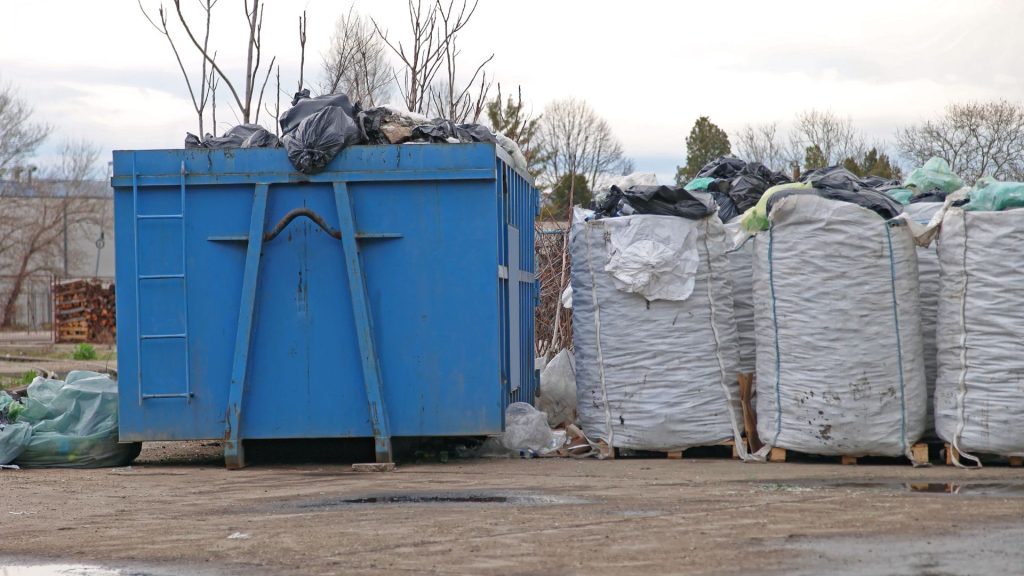
Tracking and Documenting Recycled Materials

Monitoring and documenting recycled materials can significantly enhance the effectiveness of junk removal services. Some professional services provide clients with records of what was recycled, donated, or disposed of safely. This transparency encourages accountability, enabling property owners to track their contribution to sustainable practices. Documentation also supports businesses in meeting environmental compliance standards and can be a useful tool for demonstrating corporate social responsibility. Tracking recycled items reinforces the ecological value of junk removal and encourages ongoing participation in sustainable disposal programs.

Documentation processes often involve itemized lists, weight measurements, or photographic records of materials handled. These tools provide insights into the efficiency of recycling efforts and highlight areas for improvement. For homeowners and businesses, having tangible records of responsible disposal strengthens confidence in the environmental impact of their actions. Moreover, consistent tracking can reveal patterns in waste generation, helping property owners plan future removal and recycling activities more effectively. This proactive approach ensures that each removal initiative is both accountable and optimized for maximum ecological benefit.

Reducing Environmental Impact through Eco-Conscious Practices

Eco-conscious junk removal is not only about diverting waste; it is about minimizing the overall environmental footprint of disposal activities. Practices such as using fuel-efficient vehicles, consolidating trips, and employing reusable containers contribute to reducing emissions and resource consumption. Additionally, careful handling of hazardous materials and electronics prevents pollution and supports safer recycling processes. By integrating these strategies, removal services can significantly lower the ecological cost associated with clearing unwanted items. Clients benefit from knowing that their junk removal efforts are contributing to broader environmental sustainability goals.

The adoption of green practices also encourages property owners to consider the environmental implications of disposal choices. Services that emphasize recycling, donation, and responsible material handling cultivate awareness and promote long-term behavioral change. Through conscientious decision-making, individuals can reduce landfill reliance, conserve natural resources, and support circular economies. Each eco-conscious removal action amplifies the positive impact of sustainable disposal, turning ordinary cleanup into a deliberate and meaningful effort to protect the environment and build a culture of mindful consumption.

Educating Clients on Sustainable Disposal Options

Educating clients about sustainable disposal options empowers them to make informed decisions about their unwanted items. Professional removal services often provide guidance on what can be recycled, donated, or disposed of safely. Sharing knowledge about local recycling regulations, donation centers, and e-waste programs encourages property owners to participate actively in reducing environmental harm. Education transforms junk removal from a passive service into a proactive environmental action, fostering long-term awareness and responsible habits. Well-informed clients are better equipped to support sustainability goals and contribute to a more circular economy in their communities.

Client education often involves practical demonstrations, written guides, or consultations about disposal options. Explaining the benefits of recycling, the impact of landfill reduction, and the potential for item repurposing reinforces the value of responsible removal. This approach ensures that both individuals and organizations understand their role in minimizing waste and maximizing resource efficiency. By investing in client education, junk removal services create a partnership with property owners, encouraging ongoing commitment to environmentally conscious practices and helping cultivate a community-wide culture of sustainable disposal.

Conclusion

Engaging professional junk removal services offers a highly effective way to combine convenience with environmental responsibility. By following best practices such as planning, proper sorting, collaboration with removal teams, and utilizing recycling and donation partnerships, property owners can significantly reduce waste and contribute to sustainability goals. Tracking recycled materials and adopting eco-conscious strategies further amplify the benefits, ensuring that each removal session creates a meaningful ecological impact. Educating clients about sustainable disposal options fosters long-term awareness, transforming routine cleanouts into proactive environmental contributions.

For those in Palatine, IL, 24-7 Junk Removal provides a comprehensive solution for responsible junk disposal. Their team ensures that unwanted items are recycled, donated, or disposed of safely, helping clients maintain clean, clutter-free spaces while supporting sustainability. Whether handling residential or commercial projects, they offer prompt, professional service, making the process seamless and eco-friendly. Contact 24-7 Junk Removal at (773) 309-6966, visit their location at 611 W. Wise Schaumburg, IL 60193, or email support@24-7junk.com to schedule a service that prioritizes both convenience and the environment.