

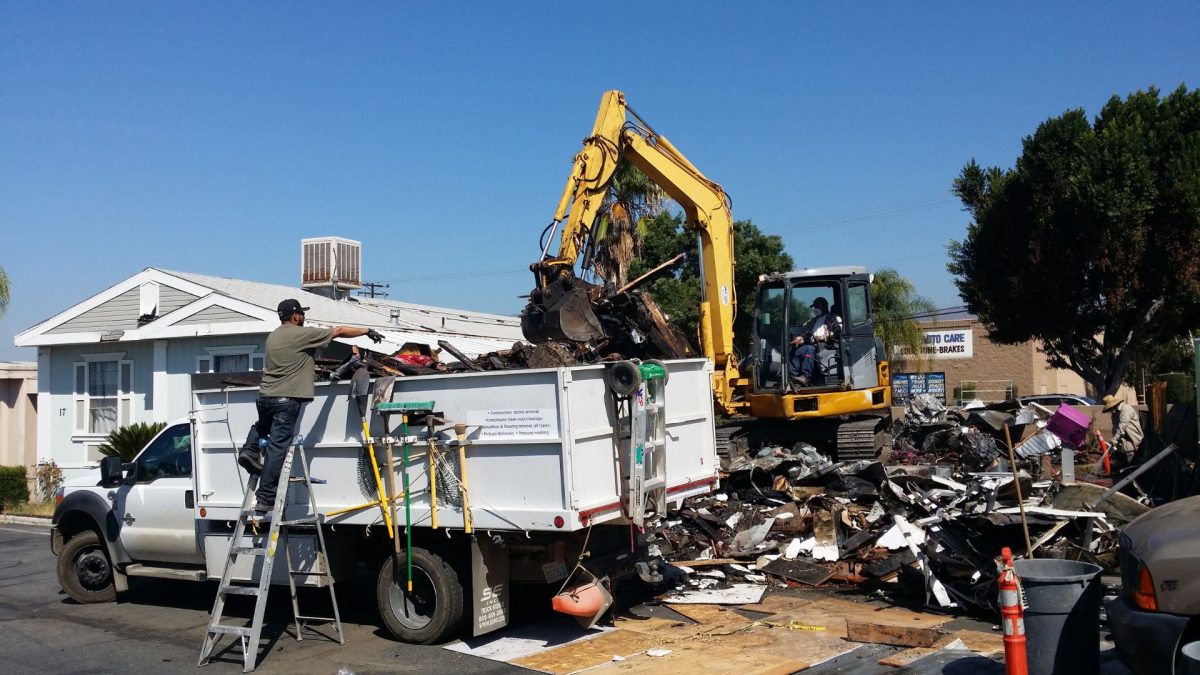
After a demolition project, the remnants left behind can be overwhelming. Not all debris is created equal, and understanding how each type is handled is crucial for efficient disposal. Materials like wood, metal, and concrete require separate handling due to their distinct environmental and recycling needs. Wood often gets repurposed into mulch or used in energy generation, while metals are sorted and sent to recycling facilities where they are melted down and reused. Concrete, on the other hand, can be crushed and repurposed for road construction or as a base for new concrete projects. Sorting at the source ensures that the debris stream is cleaner, more manageable, and more environmentally responsible.
Professional demolition cleanup teams often follow strict protocols to minimize the risk of contamination. Hazardous items such as asbestos, lead paint, or treated wood are identified and isolated early in the process. By doing this, recyclables are protected from contamination, and hazardous materials are handled safely according to local regulations. This meticulous sorting also reduces landfill waste, which benefits both the environment and the budget of any renovation project. Sorting may seem like a small step, but it lays the foundation for responsible debris management that keeps projects running smoothly.
Transporting Debris Safely
Once debris is sorted, transportation becomes the next critical stage. The process involves specialized vehicles designed to handle heavy and bulky materials efficiently. Large trucks and dumpsters are commonly used to move items from the demolition site to recycling centers or disposal facilities. Safety during transport is paramount, as improperly secured debris can cause accidents on the road. Drivers are trained to load materials in a way that prevents shifting or spillage, ensuring the debris reaches its destination intact and without creating hazards. Proper transport also reduces the risk of environmental contamination during transit.
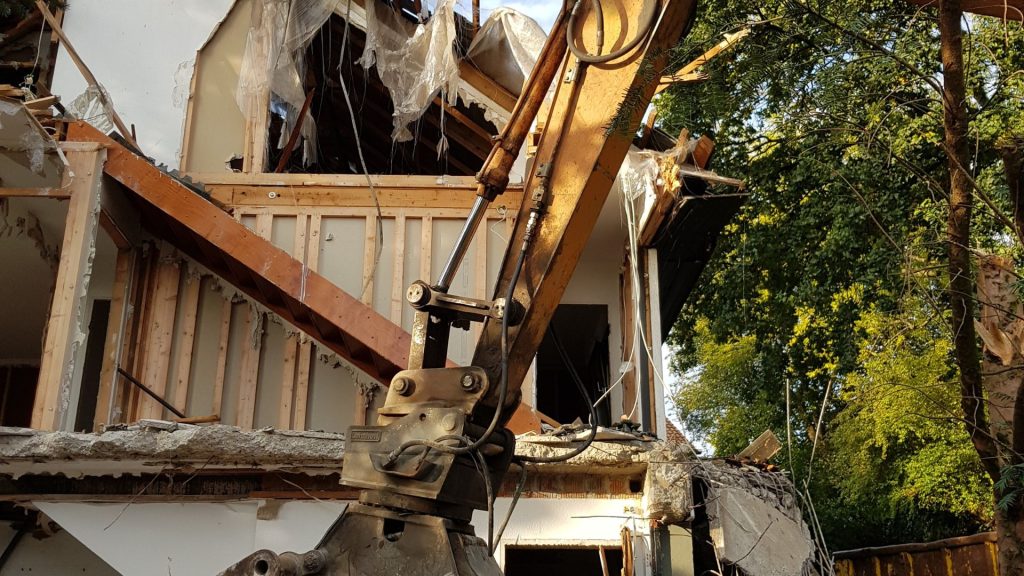
Transporting debris efficiently often involves coordination with local recycling and disposal facilities. Timelines must be planned to ensure that trucks are not left idle, and routes are selected to avoid heavy traffic or residential disruption. Environmental compliance is another priority, as some materials have strict rules for disposal or recycling. Proper labeling and documentation of hazardous items may be required to meet regulatory standards. By combining safety and organization, debris transport becomes a seamless part of the demolition cleanup process, protecting workers, the community, and the environment.
Recycling Opportunities for Construction Waste
Construction and demolition debris represent a significant opportunity for recycling. Materials like metals, concrete, wood, and glass can often be transformed into new products, reducing the need for virgin resources. Metals, in particular, are highly valuable because they can be melted and reformed multiple times without losing quality. Concrete can be crushed into aggregate for roadbeds, driveways, or even new concrete mixes, effectively giving it a second life. Wood can be chipped into mulch or used in bioenergy projects, while glass can be melted down and formed into new bottles or tiles. Recognizing these recycling pathways helps reduce the environmental footprint of demolition projects.
Recycling also offers economic advantages. Many recycling facilities pay for scrap metals or other valuable materials, offsetting some of the costs of demolition. Additionally, diverting debris from landfills avoids disposal fees and supports sustainable construction practices. Teams that focus on maximizing recycling opportunities often develop partnerships with local facilities to ensure the materials are used efficiently. This approach encourages a circular economy where demolition debris is not waste but a resource ready to be reintegrated into new construction projects or other industrial processes.
Hazardous Material Management
Demolition debris sometimes contains hazardous materials that require specialized attention. Asbestos, lead-based paints, chemicals, and certain treated woods pose serious health and environmental risks. Handling these materials safely is non-negotiable, and trained personnel use protective equipment, proper containment, and strict disposal methods to prevent contamination. In many regions, regulations mandate specific removal and disposal processes for hazardous waste, and failure to comply can result in significant penalties. Proper management protects workers, the community, and the environment from harmful exposure.
Early identification of hazardous debris is key to maintaining a safe cleanup environment. Teams typically conduct inspections before major demolition work begins to locate potentially dangerous materials. Once identified, these items are segregated, contained, and transported to licensed facilities equipped to handle them. Comprehensive planning ensures that hazardous materials do not mix with recyclable or non-hazardous debris, reducing the likelihood of contamination. By following these protocols, demolition projects not only comply with regulations but also foster a safer and more responsible approach to debris disposal.
Landfill Disposal Practices
While recycling and repurposing are prioritized, some debris inevitably ends up in landfills. Materials that cannot be reused or recycled, such as certain plastics, composite materials, or contaminated items, are transported to authorized disposal sites. Modern landfills are engineered to minimize environmental impact, with systems for leachate collection, gas management, and soil layering to contain waste safely. By following proper landfill disposal practices, demolition cleanup teams help prevent pollution and adhere to local environmental standards.
Landfill operations are highly regulated, requiring detailed documentation of what is deposited and how it is managed. Some facilities have dedicated sections for different types of waste to streamline future monitoring or potential recycling. Efficient landfill management reduces the space required for debris storage, ensuring that valuable land resources are conserved. Demolition debris that reaches these landfills is monitored to prevent hazards such as chemical leaks or excessive runoff, maintaining safety for surrounding communities and ecosystems.
Debris Reduction Strategies
Reducing the volume of demolition debris before disposal is both environmentally and economically beneficial. Techniques such as deconstruction, which involves carefully dismantling structures rather than demolishing them outright, allow materials to be salvaged for reuse. Crushing concrete on-site reduces the volume that must be transported and enables immediate recycling. Segregating materials for repurposing, such as sorting metal from wood, also decreases the amount of debris sent to landfills. These strategies streamline cleanup and support sustainable construction practices.
Debris reduction is enhanced by planning and foresight. Project managers can identify materials that might be reused in future construction or renovation projects, preventing unnecessary waste. Additionally, using machinery to compact or shred materials on-site saves transportation costs and reduces carbon emissions associated with hauling debris. Teams that focus on reduction techniques contribute to a more sustainable construction industry by minimizing waste generation and maximizing resource efficiency.
Sorting for Local Recycling Programs
Local recycling programs often have specific requirements for the types of materials they accept and how they are processed. Sorting debris according to these guidelines ensures that more materials can be recycled and fewer are unnecessarily sent to landfills. Many communities have separate streams for metals, wood, concrete, and hazardous items. By aligning demolition cleanup practices with local recycling programs, debris management becomes more efficient and environmentally responsible.
Understanding local regulations and programs is vital for maximizing recycling potential. Teams may coordinate with municipal facilities to schedule deliveries, follow weight limits, and adhere to material preparation standards. Proper sorting increases the likelihood that items are processed correctly and reused in other projects. This approach not only benefits the environment but also supports the community by reducing local landfill use and fostering a culture of resource conservation.
On-Site Debris Management
Managing debris on-site during demolition is essential for safety, efficiency, and organization. Temporary storage areas, bins, and containers are used to segregate materials as they are removed. This prevents clutter, reduces hazards, and allows workers to locate materials quickly for recycling or disposal. On-site management also helps teams monitor the volume of debris being produced, enabling adjustments in the cleanup process to maintain workflow and minimize disruption.
Effective on-site debris management requires careful planning and team coordination. Workers need to be aware of which materials are recyclable, hazardous, or destined for landfill. Tools such as color-coded bins, signage, and detailed tracking systems ensure that debris is handled correctly from the moment it is removed. This approach improves productivity, ensures compliance with regulations, and keeps the site safer for all personnel.
Preparing Debris for Transportation
Before debris leaves the demolition site, it must be prepared for safe transportation. Materials are compacted, secured, and sometimes bagged or wrapped to prevent shifting during transit. Proper labeling is also applied, especially for hazardous or recyclable items, to guide handlers and ensure compliance with regulations. Preparing debris correctly reduces the risk of accidents and streamlines the handoff to transportation teams or recycling facilities.
Teams use specialized equipment to load heavy or bulky items efficiently, often employing cranes, forklifts, or conveyor systems. Ensuring that loads are balanced and contained prevents spillage or damage during transit. Well-prepared debris also facilitates faster unloading at the destination, allowing recycling or disposal processes to begin without delay. Proper preparation reflects the professionalism and attention to detail of demolition cleanup crews.
Environmental Impact Considerations
The ultimate goal of demolition debris management is to minimize the environmental impact of construction projects. By focusing on recycling, repurposing, and responsible disposal, teams help reduce pollution, conserve natural resources, and lower greenhouse gas emissions. Sustainable practices in debris management extend beyond immediate cleanup, influencing broader construction practices and community well-being.
Environmental considerations also include monitoring runoff, preventing air pollution from dust and particulate matter, and safely handling hazardous materials. Demolition teams often adopt practices such as using dust suppression techniques, covering loads during transport, and planning routes to reduce carbon emissions. These measures reflect a holistic approach to debris management, prioritizing environmental stewardship alongside efficiency and safety.
Conclusion
After a demolition project, debris follows a carefully planned journey from the site to its final destination. From initial sorting to safe transport, recycling, and eventual disposal, every step prioritizes safety, efficiency, and environmental responsibility. Hazardous materials are handled with care, valuable materials are recycled, and non-recyclables are directed to authorized landfills, reducing the environmental footprint of construction activities. Debris management is a crucial aspect of modern demolition practices, reflecting the industry’s commitment to sustainable operations and community well-being.
If you are in Palatine, IL and need professional help with junk removal, 24-7 Junk Removal provides expert services to handle debris efficiently and safely. Their team ensures that every item is properly sorted, transported, and disposed of according to local regulations. Contact them at (773) 309-6966 or visit 611 W. Wise Schaumburg, IL 60193 for reliable service. They also provide support through email at support@24-7junk.com. Choosing their services guarantees a streamlined, environmentally responsible approach to demolition cleanup, giving property owners peace of mind.