

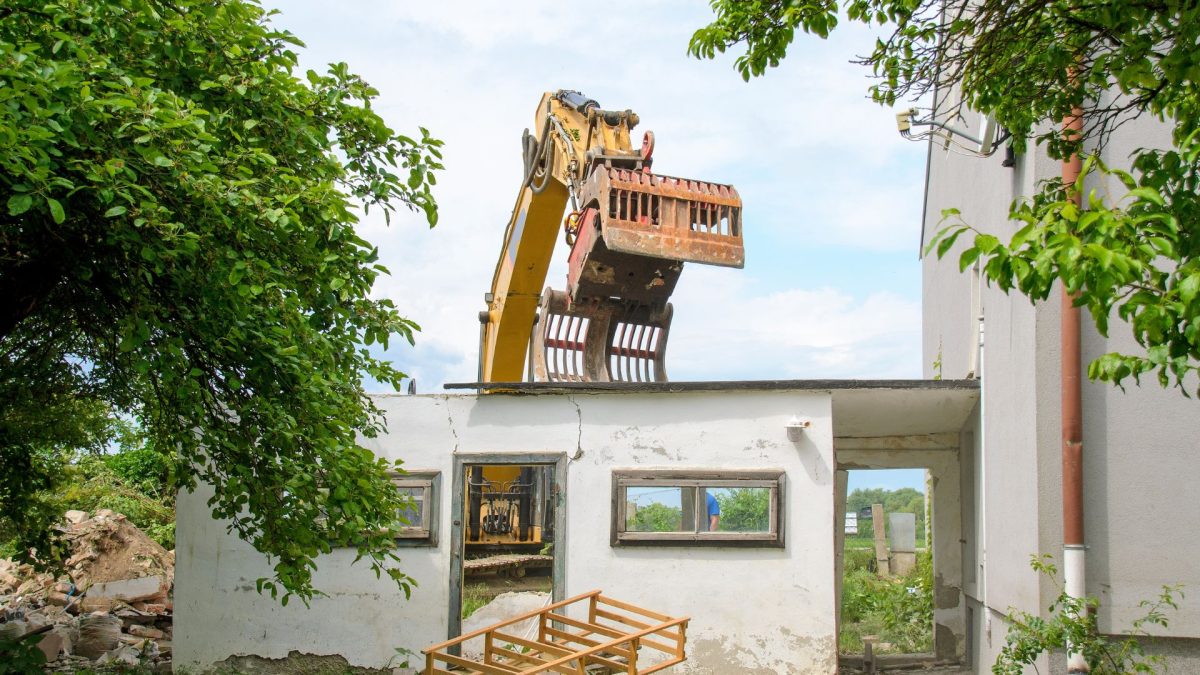
Demolishing a shed is more than just pulling it apart; it involves anticipating the aftermath and planning for the leftover debris. Each shed carries materials that differ in composition, weight, and disposal requirements. Wood, metal, shingles, and plastics may all intermingle, creating a complex jumble that demands careful sorting. Considering this beforehand can prevent last-minute chaos and unnecessary strain during cleanup. It is vital to assess the shed’s size, the construction materials, and any potential hazards that might complicate the removal process. A strategic approach allows for efficient segregation and proper disposal, reducing environmental impact and protecting property.
Another aspect often overlooked is the sequence of demolition. Stripping down the roof, dismantling walls, and handling flooring requires attention to safety and stability. Mistakes can lead to accidents or damage surrounding areas, creating more waste than necessary. Taking note of nails, screws, and adhesives embedded in panels can save time during separation. By planning ahead and visualizing each step, the task transforms from chaotic to controlled. Even though it may seem overwhelming initially, understanding the scope and intricacies of shed demolition lays the groundwork for a smoother process, ensuring that every piece of material finds its correct path toward recycling, reuse, or disposal.
Sorting Materials Before Disposal
One of the most critical aspects of shed demolition is separating materials based on type and recyclability. Different components of a shed require distinct disposal methods. Wood can often be repurposed, shredded for mulch, or taken to facilities that accept construction timber. Metal, including nails and bolts, should be collected separately to prevent contamination of other waste. Plastic siding or panels may have recycling options depending on local regulations. Failing to sort effectively increases landfill waste and can make the overall cleanup more time-consuming and costly. Preparing designated zones for each material during the demolition stage ensures that the work area remains organized and reduces potential hazards.

In addition to environmental considerations, material separation supports safety. Sharp metal edges, splintered wood, and broken plastics can cause injury if handled carelessly. By maintaining organized piles, demolition workers or homeowners can protect themselves while streamlining transport. Proper labeling or color-coded bins may enhance efficiency, making the transfer to trucks or dumpsters smoother. Sorting ahead of time also helps identify materials suitable for donation or repurposing, further minimizing unnecessary disposal. By treating each piece with intention rather than mixing everything together, the process becomes more manageable, efficient, and aligned with responsible waste management principles.
Handling Hazardous Components Safely
Shed demolition may uncover hazardous materials that require special attention. Lead-based paint, asbestos shingles, or chemical residues can pose significant health risks if not managed carefully. Protective gear, including gloves, goggles, and respirators, becomes essential when handling these elements. Ensuring proper containment prevents exposure and keeps the work environment safe. Local regulations often mandate specific disposal procedures for hazardous waste, so awareness and compliance are key to avoiding legal complications. Planning for safe handling before demolition begins can save time and reduce stress, transforming potentially dangerous situations into controlled tasks.
Equally important is educating everyone involved about the risks and necessary precautions. Accident prevention extends beyond personal protection to include safe storage and transportation of hazardous debris. Containers should be labeled clearly, kept sealed, and removed promptly from the worksite. Consulting with local waste management facilities can provide guidance on how to dispose of these materials responsibly. Ignoring hazards or attempting shortcuts may lead to long-term environmental damage and costly fines. Prioritizing safety while managing hazardous components ensures the shed demolition process is responsible, efficient, and protective of both human health and the surrounding ecosystem.
Utilizing Professional Junk Removal Services
Engaging professional junk removal services can transform shed demolition cleanup from a stressful ordeal into a manageable task. Experts bring the equipment, experience, and knowledge necessary to handle bulky debris safely and efficiently. They can assess the scope of the demolition, provide appropriate containers, and transport materials to the correct disposal or recycling facilities. This approach saves time, reduces physical strain, and ensures compliance with local waste regulations. While DIY cleanup may seem cost-effective initially, professional intervention often proves more practical in managing large amounts of mixed materials without delays.
Another advantage of hiring professionals is the ability to handle unexpected complications. Whether it is discovering hidden hazards, encountering structural challenges, or managing excessive debris volume, trained removal teams can adapt and provide solutions on the spot. They often maintain partnerships with recycling centers and donation outlets, ensuring that salvageable materials avoid the landfill. For property owners who value efficiency and environmental responsibility, professional junk removal services present a reliable method to maintain order, minimize risk, and complete shed demolition projects smoothly. Their expertise ensures that waste management becomes a systematic, stress-free process rather than an overwhelming burden.
Recycling and Repurposing Shed Materials
Repurposing shed materials not only reduces environmental impact but also opens creative opportunities for homeowners. Wood panels can be transformed into garden beds, furniture, or decorative structures. Metal components may be melted down or reused for new construction projects. Even plastic panels can find second life in landscaping or DIY endeavors. By identifying salvageable items during demolition, property owners can conserve resources, reduce landfill contributions, and even save money on future projects. This proactive mindset turns demolition debris from waste into potential assets.
Recycling requires careful preparation. Materials must be clean, free from hazardous residues, and separated according to local recycling regulations. This process demands patience and foresight but ultimately contributes to a more sustainable approach. Reclaimed wood and metal often command a higher value at recycling centers, encouraging responsible disposal while benefiting the community. By investing time in sorting and repurposing, homeowners embrace environmental stewardship and create opportunities for practical reuse. Every component recovered from a shed can be a small victory for sustainability, demonstrating that thoughtful management of demolition debris goes beyond mere cleanup into the realm of resourceful innovation.
Efficient Transportation of Shed Debris
Transporting shed debris effectively reduces the risk of accidents and speeds up the cleanup process. Properly loaded trucks or containers ensure that materials remain secure during transit, preventing spills, damage, and safety hazards. Heavy or awkward items such as roof panels, metal beams, or large wooden planks require careful handling to avoid injury. Preparing debris in manageable sizes, bundling materials, and using sturdy equipment like dollies or wheelbarrows simplifies movement and keeps the process organized. These efforts may seem minor, but they significantly impact efficiency and worker safety throughout the project.
Strategic planning of routes and trips is also essential. Multiple trips may be necessary for large sheds, so prioritizing which materials to transport first can optimize time and fuel usage. Additionally, coordinating with disposal or recycling facilities ensures that unloading is straightforward and timely. A structured approach prevents clutter at the site, allowing space for ongoing demolition work while keeping hazards contained. Ultimately, meticulous attention to debris transportation minimizes delays, protects both personnel and property, and maintains a consistent flow in the shed demolition workflow. This disciplined strategy ensures that every piece reaches its intended destination without unnecessary complications or environmental impact.
Minimizing Environmental Impact
Shed demolition inherently generates waste, but steps can be taken to mitigate the environmental footprint. Reducing landfill contributions starts with sorting, recycling, and reusing as much material as possible. Choosing disposal methods that align with sustainability principles helps preserve natural resources and minimizes pollution. Careful planning of demolition activities also limits soil disruption, vegetation damage, and contamination from hazardous substances. This conscious approach allows property owners to balance necessary renovation work with environmental responsibility.
Beyond material management, thoughtful practices like selecting eco-friendly tools, minimizing unnecessary energy use, and containing dust and debris contribute to overall sustainability. Even small adjustments, such as proper tarp usage or water control, can prevent harmful runoff into local ecosystems. Integrating these considerations transforms the demolition from a purely destructive process into an organized operation that respects both the immediate property and the broader environment. The outcome is a shed removal project that maintains efficiency while demonstrating environmental awareness, proving that responsible demolition and sustainability can coexist seamlessly.
Organizing the Worksite for Safety
Maintaining a safe worksite is crucial when dealing with shed demolition debris. Uncontrolled clutter, sharp edges, and uneven surfaces present significant hazards. Establishing clear zones for active demolition, debris collection, and temporary storage helps prevent accidents. Tools should be kept in designated areas and inspected regularly for safety. Workers must be aware of potential risks, including unstable walls or protruding nails, and maintain clear communication throughout the project. This organized approach ensures that each phase of demolition progresses smoothly without compromising health or efficiency.
In addition, safety extends to surrounding structures and neighbors. Shielding nearby plants, fences, and property from falling debris minimizes accidental damage. Clearly marking boundaries and pathways allows for safer navigation of heavy materials and vehicles. Protective measures such as gloves, helmets, and reinforced footwear are essential for anyone involved. By combining physical safety precautions with meticulous organization, shed demolition becomes a controlled process rather than a chaotic event. This thoughtful preparation reduces risks, keeps timelines on track, and fosters confidence among workers handling large or hazardous debris.
Choosing Appropriate Disposal Facilities
Not all disposal facilities accept every type of shed material. Researching local waste management sites, recycling centers, and donation outlets ensures that debris is handled correctly. Some facilities have restrictions on treated wood, plastics, or metals, while others specialize in hazardous material disposal. Understanding these rules before transport prevents rejections, fines, and delays. Coordinating drop-off points for each material type simplifies the process, saving time and effort. Proper disposal is an integral part of responsible demolition and contributes to a cleaner, safer community environment.
Furthermore, utilizing approved facilities often provides additional benefits. Many recycling centers compensate for metals and certain wood types, reducing overall costs. Donation centers may accept reusable materials, giving them a second life and supporting local charities. Aligning demolition waste management with established disposal infrastructure ensures compliance, efficiency, and environmental care. By planning ahead and selecting the right facilities, property owners create a streamlined system that efficiently moves debris from the worksite to its next destination, completing the shed demolition process in a professional and conscientious manner.
Planning for Unexpected Challenges
Even with careful preparation, shed demolition can present surprises. Rotten wood, hidden nails, or structural weaknesses may emerge during dismantling, complicating the cleanup. Being mentally and logistically prepared for these challenges allows for flexible problem-solving without compromising safety or efficiency. Maintaining a toolkit that includes extra fasteners, pry bars, and protective equipment can mitigate delays and hazards. Anticipating contingencies is part of effective shed waste management and ensures the project stays on schedule despite unforeseen difficulties.
Adapting to unexpected issues also involves revisiting initial waste management strategies. Additional disposal containers may be required, or hazardous materials may be discovered. Keeping communication lines open with disposal or recycling partners allows for quick adjustments. Flexibility combined with careful planning ensures that obstacles do not escalate into major setbacks. By embracing a proactive mindset, property owners transform potential frustration into organized action, maintaining control over the demolition process and guaranteeing that debris is managed responsibly from start to finish.
Conclusion
Effectively managing shed demolition waste demands thoughtful planning, safety awareness, and an organized approach to materials. From sorting wood, metal, and plastics to handling hazardous substances, each step contributes to a smoother cleanup while minimizing environmental impact. Using professional junk removal services can provide efficiency, expertise, and peace of mind, ensuring that debris is transported safely and disposed of responsibly. Proper recycling, repurposing, and careful transportation of materials turn what might seem like overwhelming waste into an opportunity for sustainability and creativity. Safety precautions and organized work zones reduce accidents, while selecting appropriate disposal facilities guarantees compliance and efficiency.
For homeowners in Palatine IL seeking reliable assistance with shed demolition and overall junk removal, 24-7 Junk Removal offers professional services designed to manage waste responsibly. Their experienced team ensures that every project runs smoothly, from debris removal to environmentally conscious disposal. Customers can reach 24-7 Junk Removal at 611 W. Wise Schaumburg IL 60193 or call (773) 309-6966 for prompt, efficient, and safe service. By combining expert handling with commitment to sustainable practices, this local service provides the support necessary for tackling shed demolition projects without stress, ensuring a clean, organized, and environmentally mindful outcome.