

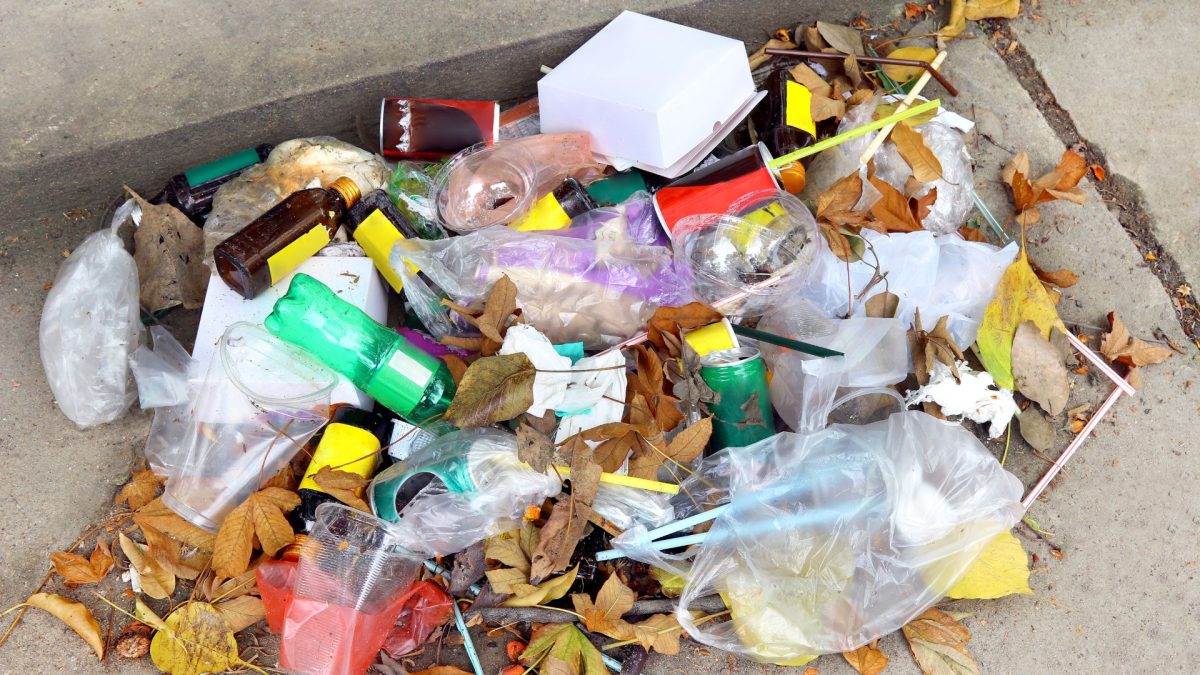
Junk removal services are more than just a convenience for clearing clutter; they are a cornerstone of modern recycling efforts. By leveraging professional removal, individuals and businesses can ensure that discarded items are sorted and processed in an environmentally responsible way. These services often collaborate with recycling centers, donation hubs, and waste management facilities to minimize landfill contributions. The process involves identifying what can be repurposed, recycled, or safely disposed of, creating a clear pathway for sustainable disposal. Utilizing these services also reduces the burden on local waste systems, allowing communities to allocate resources toward more efficient recycling and environmental initiatives. Every item removed responsibly contributes to a broader effort to conserve natural resources and reduce environmental impact.
Additionally, engaging with professional junk removal provides an opportunity to educate property owners about the value of their discarded items. Many materials, from metals and plastics to electronics, have significant recycling potential. By carefully sorting items during removal, these services help prevent hazardous waste from contaminating soil and water sources. This approach transforms the simple act of clearing space into an impactful ecological contribution. The combination of convenience, efficiency, and sustainability makes junk removal services a practical choice for anyone committed to reducing their environmental footprint and fostering a culture of responsible disposal.
Planning Your Junk Removal for Maximum Recycling Efficiency
Efficient recycling begins with thoughtful planning. Before scheduling a junk removal service, it is essential to assess the volume and types of materials that need disposal. Separate items into categories such as metals, electronics, plastics, and furniture. This preliminary sorting helps the removal team understand which items require special handling or can be diverted to donation centers. Proper planning ensures that recyclable materials are not accidentally discarded in landfills, maximizing the environmental benefits of the service. In addition, planning allows homeowners and businesses to prioritize which items are most urgent to remove, creating a smoother workflow and reducing unnecessary transportation trips.
Engaging in pre-removal preparation also allows for better communication with service providers. Sharing a detailed inventory enables removal teams to bring the right tools, containers, and manpower to handle materials responsibly. Moreover, it allows clients to inquire about specific recycling practices and ensure that hazardous items are disposed of safely. This proactive approach minimizes delays and enhances the overall efficiency of the recycling process. Planning your junk removal with recycling in mind transforms the activity from a routine cleanup into a deliberate, environmentally conscious effort.
Identifying Recyclable Materials in Your Home or Office
Recognizing which items are recyclable is a critical step in optimizing junk removal services. Many everyday items, including cardboard, paper, certain plastics, glass, and metals, can be diverted from landfills if correctly identified. Electronics, such as computers, phones, and appliances, contain valuable materials that can be extracted and repurposed, preventing hazardous substances from entering the environment. Furniture, clothing, and gently used household items may also be donated or repurposed, extending their lifecycle. Properly identifying these items not only ensures compliance with recycling regulations but also amplifies the ecological benefits of professional removal services.
The process of sorting recyclable materials requires attention to detail and an understanding of local recycling guidelines. Removal services often assist clients by providing insight into which items can be reused, donated, or recycled. For instance, metals may be sent to scrap facilities, while electronics could be processed through specialized e-waste programs. By carefully categorizing items before removal, property owners reduce the likelihood of contamination, which can compromise entire recycling batches. Effective identification of recyclables transforms a typical decluttering session into a purposeful, eco-conscious initiative that positively impacts both communities and ecosystems.
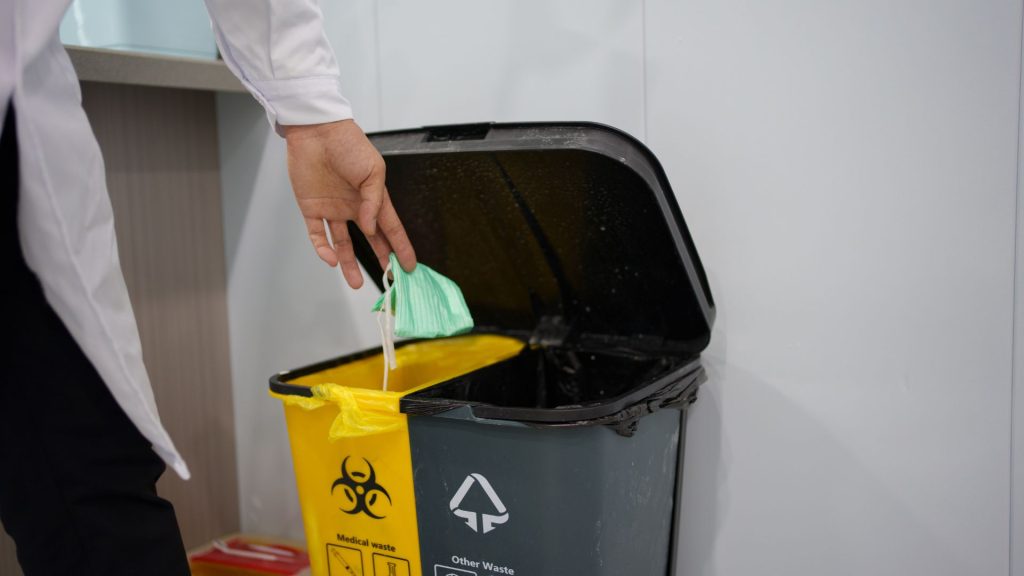
Scheduling Professional Junk Removal for Optimal Results
Timing and coordination play significant roles in ensuring that junk removal contributes effectively to recycling efforts. Scheduling removal at a time when teams can operate efficiently helps reduce the carbon footprint associated with transportation and repeated trips. Many professional services offer flexible appointment options to accommodate busy schedules while prioritizing environmental outcomes. Early coordination also allows the team to allocate resources appropriately, ensuring that each type of material is handled according to its specific recycling requirements. This structured approach guarantees that items are processed promptly, preventing degradation and making the recycling process more effective.
A well-scheduled junk removal service also reduces disruption to everyday activities. For businesses, this minimizes downtime, while homeowners can avoid prolonged clutter or safety hazards. Removal teams often arrive prepared with equipment and knowledge about recycling protocols, ensuring the process is smooth and environmentally responsible. Effective scheduling not only maximizes operational efficiency but also reinforces the sustainability goals of the removal initiative. By aligning timing, resources, and recycling strategies, property owners can ensure that each removal session has the greatest positive impact on waste reduction and resource conservation.
Collaborating with Removal Teams for Responsible Disposal
Active collaboration with junk removal teams enhances the sustainability of recycling efforts. Open communication about materials, priorities, and special requirements ensures that all items are processed in accordance with best practices. Providing detailed information about electronics, hazardous waste, or bulky items allows teams to handle these responsibly, preventing contamination and supporting effective recycling. Collaboration also fosters a partnership mindset, where clients and professionals work together to reduce environmental impact. This approach transforms a simple removal service into a shared commitment to sustainable living, demonstrating that collective effort amplifies ecological benefits.
Removal teams often bring expertise and equipment that enable safer handling of complex or heavy materials. By coordinating closely with these professionals, clients can ensure that each item is disposed of or repurposed according to regulatory and environmental standards. Discussions regarding donation options, recycling methods, and hazardous material protocols can further optimize outcomes. This collaborative process builds trust and enhances the efficiency of the removal operation, allowing property owners to feel confident that their contributions to sustainability are meaningful and effective. Responsible collaboration ensures that junk removal is not merely a convenience but a deliberate step toward environmental stewardship.
Ensuring Proper Sorting for Recycling and Donation
Proper sorting of items is essential to maximize recycling and donation opportunities. Junk removal services often provide guidance on separating materials to prevent contamination, ensuring that metals, plastics, and electronics are appropriately directed. Furniture, clothing, and other usable goods can be channeled to donation centers, giving them a second life and reducing waste. Proper sorting also facilitates compliance with local recycling regulations and reduces the overall environmental footprint of removal operations. By paying attention to categorization, property owners contribute to a more efficient and ethical waste management system, creating tangible benefits for both communities and ecosystems.
Sorting is more than a logistical step; it is an ethical approach to waste management. Removal professionals often recommend separating items based on material type, condition, and potential for reuse. Clear labeling and organized staging of materials allows for faster processing and prevents unnecessary landfill disposal. This methodical approach enhances the impact of recycling efforts, allowing more items to be repurposed or processed efficiently. The combination of careful sorting, professional handling, and adherence to recycling guidelines ensures that every item removed is accounted for and directed to the most beneficial outcome.
Utilizing Recycling and Donation Partnerships
Professional junk removal services often collaborate with recycling centers and donation organizations to extend the lifecycle of discarded items. These partnerships ensure that materials are properly processed, recycled, or redistributed to communities in need. By leveraging these networks, property owners can trust that their unwanted items are contributing to meaningful environmental and social outcomes. Recycling partnerships help divert metals, plastics, and electronics from landfills, while donation programs provide tangible benefits to underserved populations. Utilizing these connections enhances the overall sustainability of the junk removal process.
Partnerships with certified recycling and donation facilities allow removal services to maintain high standards of environmental responsibility. These relationships ensure that hazardous materials are handled safely and that reusable goods reach appropriate recipients. Property owners can actively inquire about these partnerships, aligning their junk removal efforts with trusted organizations that prioritize eco-friendly and socially responsible practices. By taking advantage of these collaborative networks, the impact of each removal session extends far beyond immediate waste management, fostering a culture of conscientious disposal and resource stewardship.
Tracking and Documenting Recycled Materials
Monitoring and documenting recycled materials can significantly enhance the effectiveness of junk removal services. Some professional services provide clients with records of what was recycled, donated, or disposed of safely. This transparency encourages accountability, enabling property owners to track their contribution to sustainable practices. Documentation also supports businesses in meeting environmental compliance standards and can be a useful tool for demonstrating corporate social responsibility. Tracking recycled items reinforces the ecological value of junk removal and encourages ongoing participation in sustainable disposal programs.
Documentation processes often involve itemized lists, weight measurements, or photographic records of materials handled. These tools provide insights into the efficiency of recycling efforts and highlight areas for improvement. For homeowners and businesses, having tangible records of responsible disposal strengthens confidence in the environmental impact of their actions. Moreover, consistent tracking can reveal patterns in waste generation, helping property owners plan future removal and recycling activities more effectively. This proactive approach ensures that each removal initiative is both accountable and optimized for maximum ecological benefit.
Reducing Environmental Impact through Eco-Conscious Practices
Eco-conscious junk removal is not only about diverting waste; it is about minimizing the overall environmental footprint of disposal activities. Practices such as using fuel-efficient vehicles, consolidating trips, and employing reusable containers contribute to reducing emissions and resource consumption. Additionally, careful handling of hazardous materials and electronics prevents pollution and supports safer recycling processes. By integrating these strategies, removal services can significantly lower the ecological cost associated with clearing unwanted items. Clients benefit from knowing that their junk removal efforts are contributing to broader environmental sustainability goals.
The adoption of green practices also encourages property owners to consider the environmental implications of disposal choices. Services that emphasize recycling, donation, and responsible material handling cultivate awareness and promote long-term behavioral change. Through conscientious decision-making, individuals can reduce landfill reliance, conserve natural resources, and support circular economies. Each eco-conscious removal action amplifies the positive impact of sustainable disposal, turning ordinary cleanup into a deliberate and meaningful effort to protect the environment and build a culture of mindful consumption.
Educating Clients on Sustainable Disposal Options
Educating clients about sustainable disposal options empowers them to make informed decisions about their unwanted items. Professional removal services often provide guidance on what can be recycled, donated, or disposed of safely. Sharing knowledge about local recycling regulations, donation centers, and e-waste programs encourages property owners to participate actively in reducing environmental harm. Education transforms junk removal from a passive service into a proactive environmental action, fostering long-term awareness and responsible habits. Well-informed clients are better equipped to support sustainability goals and contribute to a more circular economy in their communities.
Client education often involves practical demonstrations, written guides, or consultations about disposal options. Explaining the benefits of recycling, the impact of landfill reduction, and the potential for item repurposing reinforces the value of responsible removal. This approach ensures that both individuals and organizations understand their role in minimizing waste and maximizing resource efficiency. By investing in client education, junk removal services create a partnership with property owners, encouraging ongoing commitment to environmentally conscious practices and helping cultivate a community-wide culture of sustainable disposal.
Conclusion
Engaging professional junk removal services offers a highly effective way to combine convenience with environmental responsibility. By following best practices such as planning, proper sorting, collaboration with removal teams, and utilizing recycling and donation partnerships, property owners can significantly reduce waste and contribute to sustainability goals. Tracking recycled materials and adopting eco-conscious strategies further amplify the benefits, ensuring that each removal session creates a meaningful ecological impact. Educating clients about sustainable disposal options fosters long-term awareness, transforming routine cleanouts into proactive environmental contributions.
For those in Palatine, IL, 24-7 Junk Removal provides a comprehensive solution for responsible junk disposal. Their team ensures that unwanted items are recycled, donated, or disposed of safely, helping clients maintain clean, clutter-free spaces while supporting sustainability. Whether handling residential or commercial projects, they offer prompt, professional service, making the process seamless and eco-friendly. Contact 24-7 Junk Removal at (773) 309-6966, visit their location at 611 W. Wise Schaumburg, IL 60193, or email support@24-7junk.com to schedule a service that prioritizes both convenience and the environment.