

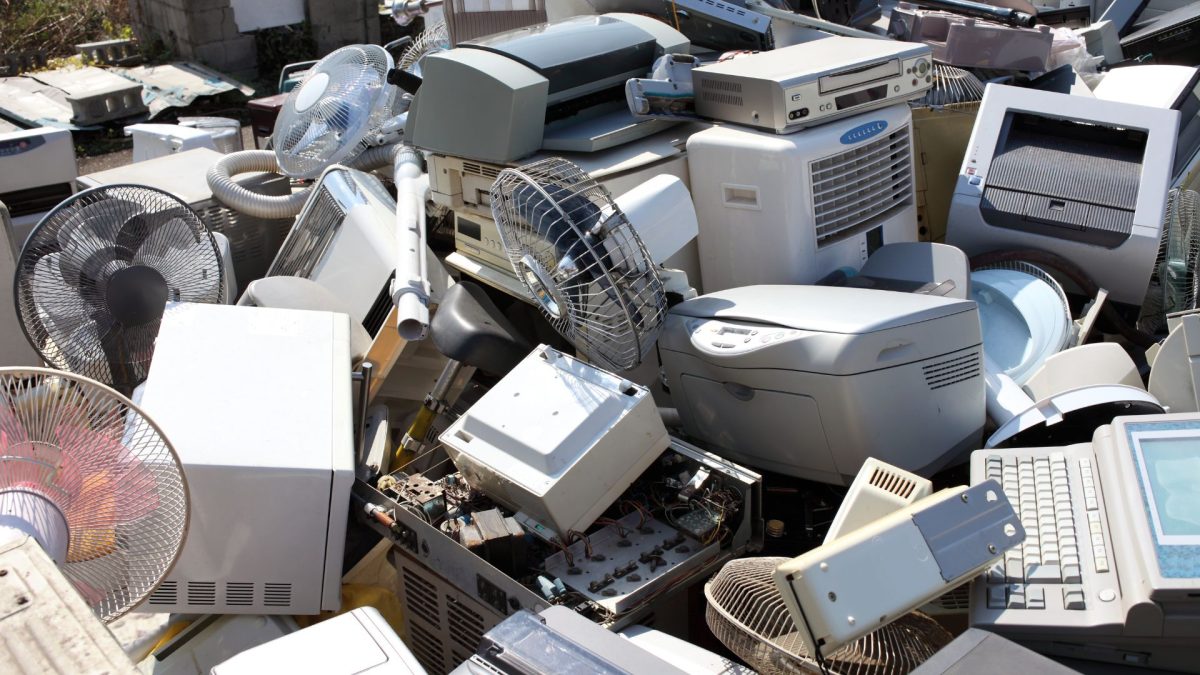
Electronic devices and household appliances may seem harmless once discarded, yet their environmental footprint is significant. Old gadgets contain metals, plastics, and hazardous chemicals that, if improperly disposed of, can leach into soil and water. Even small items like batteries or outdated phones pose risks when tossed in general trash. Recognizing the hidden hazards behind everyday electronics is a critical step toward responsible disposal. By appreciating the full scope of e-waste consequences, you can make more informed choices that protect ecosystems and human health. Green disposal practices minimize these dangers and encourage a cycle of reuse and recycling.
Taking the time to understand your e-waste’s impact also allows households and businesses to participate actively in sustainable efforts. Appliances like refrigerators and washing machines contain refrigerants or heavy metals that require special handling. Similarly, electronics such as computers and televisions carry intricate circuits with valuable recoverable materials. By acknowledging the potential environmental harm and the opportunity for material recovery, you can transform a simple decluttering task into an environmentally conscious action. Responsible disposal not only mitigates pollution but also contributes to the broader movement toward a sustainable future.
Separating Recyclable Components from Hazardous Materials
Proper disposal starts with identifying what can be recycled versus what needs special attention due to toxic elements. Items like metal frames, plastic casings, and glass panels are often accepted at recycling centers, whereas batteries, CRT screens, and refrigerants require specialized processing. Understanding this distinction ensures that hazardous components do not contaminate otherwise recyclable materials. By separating components before disposal, you help streamline the recycling process and prevent environmental contamination. This small step can significantly enhance the efficiency of recycling operations and reduce landfill waste.
Creating a clear separation strategy also saves time and ensures compliance with local disposal regulations. Many municipalities now provide guidelines for sorting e-waste and appliances, making it easier for residents to act responsibly. Even minor efforts, such as storing batteries separately or removing appliance doors, can make a substantial difference. Thoughtful segregation ensures that valuable resources like copper, aluminum, and certain plastics are recovered efficiently, while hazardous substances are neutralized safely. This method exemplifies the practical steps anyone can take to make green disposal a reality in everyday life.
Finding Local Recycling Centers and Drop-Off Locations
One of the most effective ways to ensure electronics and appliances are disposed of properly is to locate certified recycling centers nearby. Local drop-off points often accept a wide range of devices, from old smartphones to large kitchen appliances. Recycling facilities typically have the expertise to dismantle electronics safely, recover valuable materials, and manage toxic elements responsibly. Utilizing these centers not only keeps hazardous materials out of landfills but also supports the local economy and reduces the carbon footprint associated with long-distance transportation.
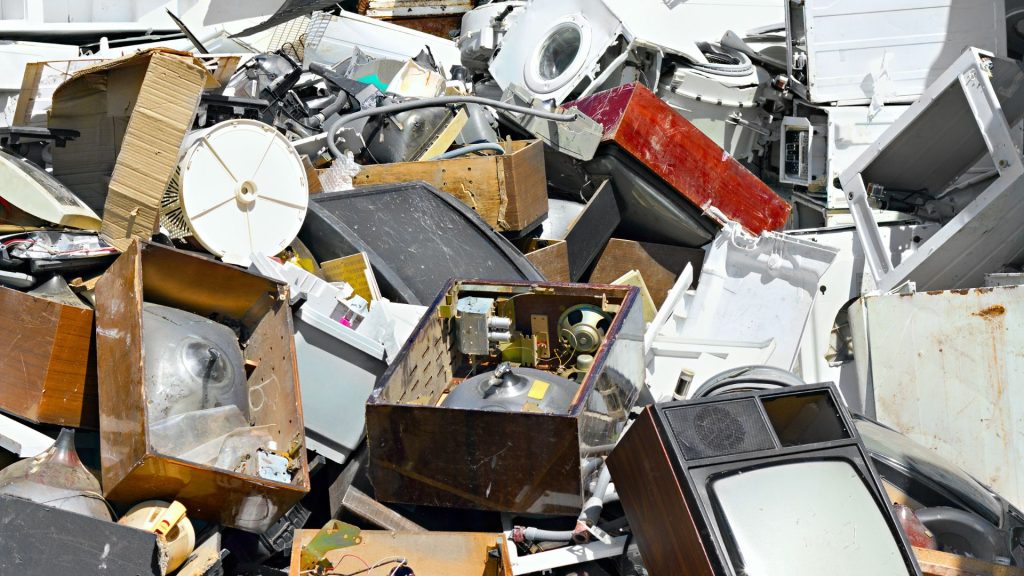
Engaging with local resources also encourages community participation in sustainable practices. Many recycling centers host special collection events for items that cannot be disposed of with regular curbside pickup. By taking advantage of these opportunities, you contribute to reducing environmental pollution while promoting awareness about responsible disposal. Researching available facilities in advance and following their guidelines ensures your electronics and appliances are handled appropriately, maintaining the integrity of green disposal initiatives.
Utilizing Professional Junk Removal Services
Professional junk removal services provide a convenient and eco-friendly solution for disposing of electronics and appliances. These companies not only remove bulky items safely from homes or businesses but also ensure proper recycling and disposal of materials. Choosing a service committed to green practices guarantees that hazardous elements are treated responsibly and that recyclable materials are diverted from landfills. By hiring experts, you reduce the risk of injury, damage, or improper disposal associated with handling large or complex items.
Beyond convenience, using professional services enhances environmental accountability. Trained teams understand the regulations governing e-waste disposal and maintain connections with certified recycling facilities. Their knowledge enables them to identify which items can be donated, recycled, or safely processed, maximizing resource recovery. Additionally, these services often provide timely and efficient removal, allowing households and businesses to declutter without compromising sustainability goals. Professional involvement ensures that electronics and appliances are removed from your space responsibly while promoting greener disposal practices.
Preparing Electronics for Safe Disposal
Before disposing of electronics, it is essential to prepare devices properly to protect personal information and facilitate recycling. This includes wiping data from computers, smartphones, and tablets and removing batteries or any non-recyclable parts. Preparing devices correctly not only secures sensitive information but also ensures recyclers can efficiently extract valuable materials without contamination. By investing time in preparation, you enhance both the environmental and personal safety aspects of disposal.
Additionally, labeling components and separating cords or accessories can improve the recycling process. Many recycling facilities appreciate organized input, as it allows them to sort materials more effectively and recover usable elements. Preparing electronics thoughtfully also demonstrates a commitment to sustainable disposal, setting a positive example for neighbors, friends, and colleagues. Small actions, such as removing batteries or sorting detachable parts, may seem minor but collectively contribute to a more efficient and environmentally responsible recycling system.
The Role of Donations in Extending Product Life
Not all electronics or appliances are ready for recycling; some may still function and benefit others. Donating usable items can extend their lifecycle and reduce environmental strain. Charities, schools, and community organizations often accept working electronics and appliances, providing them to those in need. This approach reduces waste and fosters social responsibility while giving items a second life. By prioritizing donations before recycling, you contribute to both environmental and community well-being.
Evaluating items for donation requires an honest assessment of condition and functionality. Even slightly outdated devices may have practical uses in educational settings or for low-income households. By redirecting items to donation centers, you help decrease the demand for newly manufactured goods, indirectly reducing resource extraction and carbon emissions. Donation programs serve as a crucial bridge between disposal and sustainability, highlighting the intersection of environmental consciousness and social impact in managing electronics and appliances responsibly.
Understanding Manufacturer Take-Back Programs
Many electronics manufacturers offer take-back programs for old devices. These programs ensure items are recycled responsibly, often providing incentives for customers to return products. Manufacturer take-back initiatives reduce landfill accumulation, prevent environmental contamination, and promote circular economy principles. By participating in these programs, consumers support responsible disposal and contribute to broader sustainability goals. These initiatives also simplify the process, offering a direct route from ownership to safe recycling.
Take-back programs often include mail-in options, drop-off points, or trade-in opportunities for upgrades. By collaborating with manufacturers, consumers help recover valuable materials such as metals, plastics, and rare earth elements. Awareness of these programs allows individuals to make informed decisions about disposal, bypassing the uncertainty of general trash disposal. These initiatives exemplify how private companies can play a pivotal role in promoting environmentally conscious behaviors while offering practical solutions for electronics and appliance management.
Minimizing E-Waste Through Smart Purchasing
Reducing e-waste begins before the item reaches the end of its life. Making thoughtful purchasing decisions, such as choosing durable, repairable, or energy-efficient electronics, lowers the rate of disposal and environmental impact. Opting for high-quality appliances that last longer reduces frequent replacement cycles, ultimately minimizing waste. Considering repair options or extended warranties also helps prolong the utility of devices, supporting greener consumption habits.
Smart purchasing decisions have a ripple effect, influencing both environmental outcomes and consumer culture. By prioritizing longevity, energy efficiency, and recyclability, consumers encourage manufacturers to adopt sustainable production practices. Additionally, reducing unnecessary purchases curbs the extraction of raw materials and lessens carbon emissions associated with manufacturing and transportation. This proactive approach highlights the importance of conscious consumerism in addressing the broader challenges of electronics and appliance waste.
Safe Disposal of Refrigerants and Hazardous Components
Appliances like refrigerators and air conditioners contain refrigerants and other harmful chemicals that must be managed carefully. Improper disposal of these substances can cause ozone depletion, air pollution, and environmental harm. Specialized handling is required to remove and neutralize hazardous elements safely. Consulting certified disposal services ensures these components do not enter the ecosystem while complying with environmental regulations.
Understanding the dangers of refrigerants and hazardous components emphasizes the importance of professional handling. Many facilities employ trained technicians to extract these substances safely, preventing leaks or accidental exposure. By adhering to strict safety protocols, households and businesses reduce environmental damage and protect human health. Proper disposal of hazardous elements complements recycling efforts, contributing to a holistic approach that addresses both material recovery and environmental safety in electronics and appliance management.
Recycling Large Appliances Efficiently
Large appliances like washing machines, ovens, and water heaters require strategic planning for removal and recycling. Their size, weight, and complexity make safe handling essential. Efficient recycling involves dismantling units, segregating recyclable materials, and safely discarding any hazardous components. Facilities equipped to manage large items ensure maximum resource recovery while preventing environmental contamination. This structured approach highlights the importance of logistics and specialized knowledge in the green disposal of bulky appliances.
Planning ahead for large appliance recycling also minimizes risks to individuals performing the task. Many services offer pick-up solutions, reducing the physical burden and ensuring materials are directed to appropriate recycling channels. Proper dismantling and material separation are crucial for extracting metals, plastics, and other reusable components. Through careful handling, these otherwise cumbersome items become an opportunity to recover valuable resources and limit environmental harm, demonstrating the practical benefits of organized and eco-conscious disposal strategies.
Conclusion
Proper disposal of electronics and appliances is vital for environmental protection and resource conservation. By separating hazardous materials, utilizing recycling centers, and considering donations, individuals can dramatically reduce e-waste’s impact. Professional junk removal services play a key role in making the process convenient, safe, and environmentally responsible. These combined efforts support a cycle of reuse, recycling, and sustainable living.
For residents and businesses in Palatine, IL, 24-7 Junk Removal offers expert assistance with eco-friendly disposal and junk removal services. Their team ensures appliances and electronics are handled safely, with a focus on recycling and reducing landfill waste. For scheduling and inquiries, contact them at (773) 309-6966. Their location at 611 W. Wise Schaumburg, IL 60193 and email support@24-7junk.com make accessing these services straightforward. Partnering with professionals ensures that your disposal practices are responsible, efficient, and contribute positively to the environment.