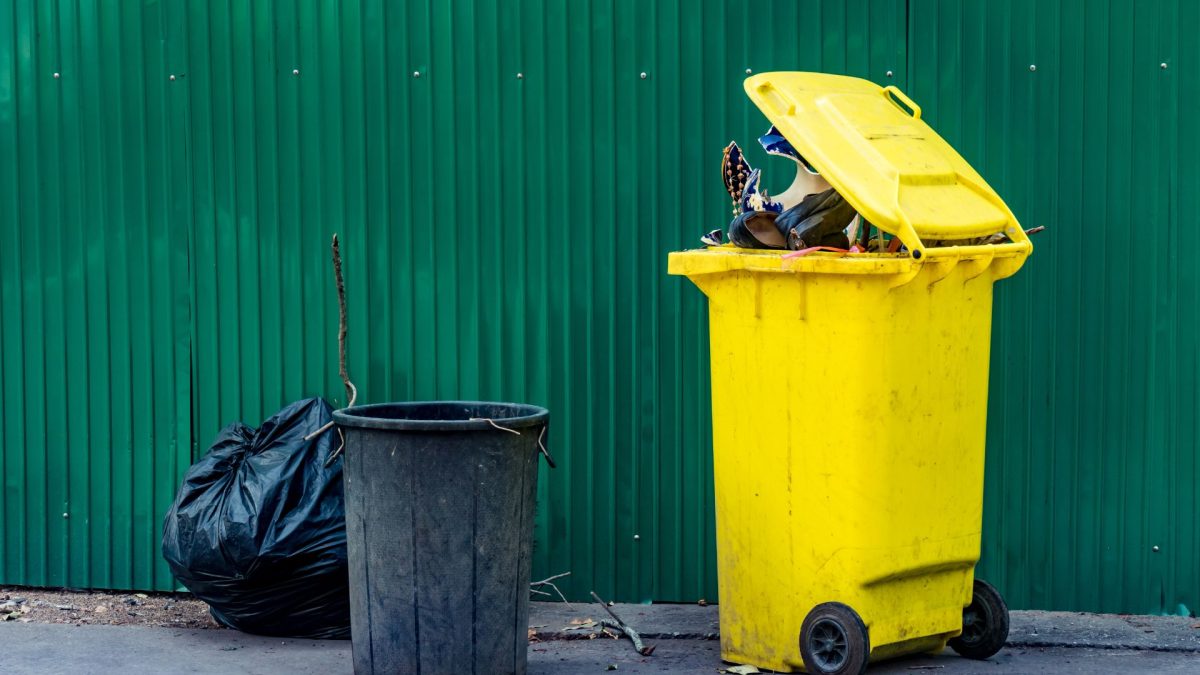
Every item that we discard carries an environmental footprint that often goes unnoticed. When junk is dumped into landfills, it does not simply disappear; it decomposes slowly, releasing harmful greenhouse gases and toxins into the soil and water systems. Electronics, plastics, and metals in particular can linger for decades, seeping dangerous chemicals that disrupt ecosystems and contribute to climate change. The impact extends beyond the landfill, affecting wildlife and contaminating natural resources that humans depend on. Awareness of these consequences is the first step toward reducing the environmental strain caused by improper disposal.
Proactively addressing junk removal with sustainability in mind requires more than just getting rid of unwanted items. It involves understanding the full lifecycle of the materials being discarded. Items that could be recycled, reused, or donated often end up unnecessarily contributing to environmental degradation. Shifting mindset from disposal to responsible management allows individuals and businesses to make choices that reduce landfill accumulation, conserve resources, and protect local ecosystems. Each conscious decision in junk disposal becomes a small but meaningful contribution toward environmental stewardship, reinforcing the idea that what we throw away does not vanish without consequences.
Prioritizing Recycling Over Landfill Disposal
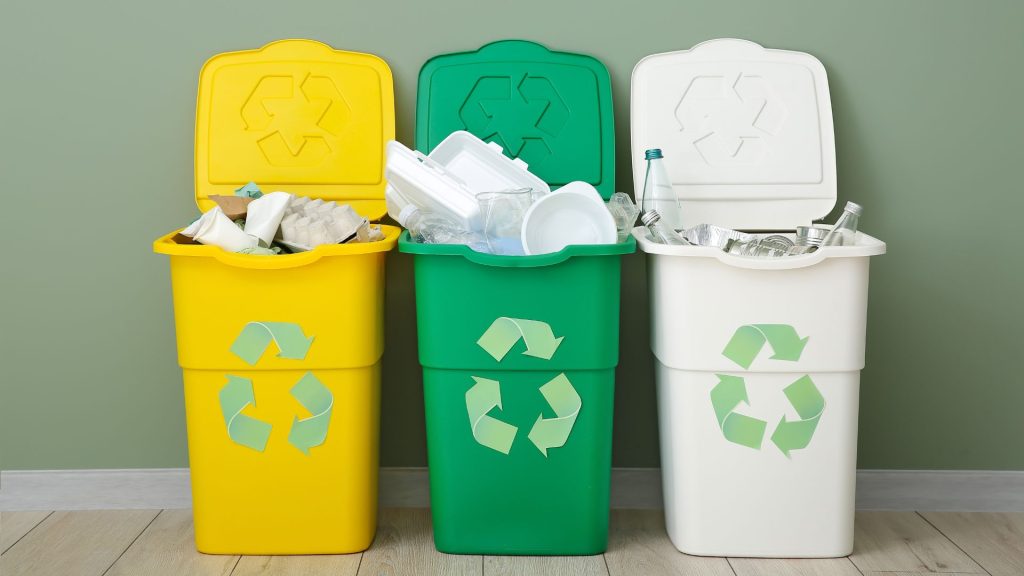
Recycling has a profound effect on reducing environmental impact, yet many people still default to throwing everything in the trash. Materials such as aluminum, steel, paper, and certain plastics can be repurposed repeatedly, significantly reducing the demand for new resources. By diverting these materials from landfills, we reduce energy consumption associated with extracting raw materials and minimize pollution. Recycling not only conserves natural resources but also reduces the volume of waste filling local landfills, which in turn limits methane emissions and other environmental hazards.
Implementing recycling strategies during junk removal means taking a closer look at the items being discarded and sorting them accordingly. Household appliances, scrap metals, and even furniture components can often be sent to specialized recycling facilities rather than ending up in a landfill. This approach requires a bit more effort upfront but yields significant long-term environmental benefits. By cultivating the habit of sorting and recycling materials, individuals and organizations can reduce their ecological footprint while promoting a circular economy where materials remain in use longer, effectively contributing to sustainable waste management practices.
Reducing Waste Through Donation and Reuse
Many items considered junk still have a useful life if repurposed or donated. Furniture, electronics, clothing, and household goods can find new homes with organizations or individuals who need them. Donating these items prevents them from contributing to landfill overflow and allows communities to benefit from resources that would otherwise go to waste. Choosing donation over disposal transforms the concept of junk removal into a sustainable cycle of sharing and reusing, fostering environmental responsibility while simultaneously helping others.
Reusing items also encourages creative thinking in managing unwanted materials. Upcycling, repairing, or refurbishing old furniture or electronics not only prolongs the life of these items but also reduces the need to manufacture new ones. This practice conserves raw materials, decreases energy use, and mitigates pollution. Integrating donation and reuse into regular junk removal routines helps establish a culture of sustainability, where items are valued beyond their initial purpose. By embracing these approaches, individuals actively contribute to minimizing their environmental impact and support a more conscious approach to material consumption.
Choosing Eco-Friendly Junk Removal Services
Professional junk removal services that prioritize environmental responsibility offer an effective way to minimize the ecological footprint of discarded items. These services often have established connections with recycling centers, donation organizations, and specialized disposal facilities. By selecting a provider with eco-friendly practices, you ensure that materials are handled responsibly and diverted from landfills whenever possible. This approach makes sustainable disposal convenient, reducing the burden on individuals while promoting environmentally conscious business practices.
Eco-friendly services also provide guidance on managing specific types of waste, including electronics, hazardous materials, and metals. Their expertise ensures that items are disposed of in compliance with environmental regulations, reducing the risk of contamination and pollution. By leveraging professional services committed to sustainability, homeowners and businesses can significantly reduce their environmental impact without compromising convenience. This not only protects local ecosystems but also aligns with broader efforts to address climate change and resource depletion, making responsible junk removal a critical component of environmental stewardship.
Managing Hazardous Materials Safely
Certain items in our homes and workplaces contain hazardous substances that require careful disposal. Paints, batteries, electronics, and cleaning chemicals, if improperly discarded, can leach toxic chemicals into the soil and waterways. Managing these materials responsibly ensures that they do not harm the environment or pose health risks to people. Identifying hazardous items and understanding safe disposal practices is crucial in minimizing ecological damage during junk removal.
Safe handling of hazardous materials involves separating them from regular trash, storing them securely, and taking them to certified disposal or recycling facilities. Many professional junk removal services provide this specialized handling, ensuring compliance with safety and environmental regulations. By prioritizing the proper disposal of hazardous waste, individuals can prevent contamination and contribute to a healthier environment. Responsible management of these materials reduces potential risks to wildlife, soil quality, and human health, emphasizing the broader importance of conscientious disposal in maintaining ecological balance.
Reducing Carbon Footprint Through Strategic Planning
Efficient junk removal is not just about discarding items responsibly but also about planning the process to minimize carbon emissions. Multiple trips with a personal vehicle or unnecessary pickups increase fuel consumption and contribute to greenhouse gas emissions. Strategically consolidating items, scheduling pickups efficiently, and using services that optimize route planning can drastically reduce the carbon footprint associated with junk removal activities.
Planning ahead also involves evaluating which items can be recycled, donated, or repurposed, thereby reducing the volume of material transported to landfills. Each decision impacts fuel usage, resource consumption, and environmental stress. By approaching junk removal with foresight and organization, individuals and businesses can actively participate in lowering emissions. Such practices not only save energy and reduce environmental harm but also demonstrate a proactive commitment to sustainable living, reinforcing the idea that thoughtful logistics are as important as responsible disposal in minimizing ecological impact.
Incorporating Sustainable Practices in Business Operations
Businesses generate a significant volume of waste, from office furniture and electronics to packaging materials. Integrating sustainable junk removal practices into daily operations allows companies to reduce their environmental footprint while promoting a positive corporate image. By ensuring items are recycled, donated, or disposed of responsibly, businesses contribute to environmental preservation while demonstrating a commitment to sustainability to clients and employees.
Beyond waste disposal, sustainable practices can include material audits, responsible procurement, and staff education on eco-friendly habits. These measures create a culture of environmental awareness, encouraging employees to make conscious choices both in the office and beyond. Responsible junk management becomes a visible reflection of a company’s values, showing stakeholders that environmental responsibility is a priority. This approach benefits the planet, enhances brand reputation, and fosters community engagement, illustrating how business operations can align with sustainable principles in meaningful and practical ways.
Minimizing Single-Use Materials and Packaging Waste
Single-use items and excessive packaging contribute disproportionately to landfill accumulation and environmental degradation. During junk removal, these materials often constitute a significant portion of discarded waste. Reducing reliance on disposable products, reusing packaging materials, and prioritizing sustainable alternatives can significantly decrease environmental impact. Conscious choices in this area prevent unnecessary waste generation and promote resource conservation.
Incorporating these practices requires evaluating the necessity of items and identifying opportunities for reduction or reuse. Cardboard boxes, plastics, and packing materials can often be repurposed multiple times before being recycled. This approach reduces the strain on waste management systems while minimizing resource extraction. By actively reducing single-use waste during junk removal, individuals and organizations contribute to a broader movement toward sustainability, fostering an eco-conscious lifestyle that prioritizes long-term environmental health over short-term convenience.
Community Engagement and Environmental Advocacy
Minimizing environmental impact extends beyond personal or business actions to community involvement. Supporting local recycling initiatives, educational programs, and sustainable waste management policies helps create a culture of environmental responsibility. Engaging with neighbors, schools, and community organizations amplifies the effect of individual actions, creating a collective impact that drives meaningful change in waste reduction and sustainability.
Advocacy also encourages local governments and businesses to adopt greener practices. By promoting awareness and participating in community-based projects, individuals can influence waste management policies, recycling infrastructure, and environmental education efforts. This collaboration strengthens the connection between responsible junk removal and broader environmental initiatives. Active engagement fosters a sense of accountability and encourages others to make sustainable choices, demonstrating that minimizing environmental impact is a shared responsibility with far-reaching benefits for society and the planet.
Monitoring and Evaluating Your Environmental Impact
Effective environmental responsibility in junk removal requires ongoing monitoring and evaluation. Tracking the types of items discarded, the proportion recycled, and the frequency of donations helps measure the tangible benefits of sustainable practices. This data-driven approach highlights successes and identifies areas where further improvements can be made, ensuring that efforts to minimize environmental impact are both consistent and effective.
Regular evaluation also encourages reflection on habits, allowing individuals and organizations to refine strategies and adopt new practices as necessary. By quantifying the environmental benefits of recycling, reusing, and responsible disposal, stakeholders can make informed decisions and demonstrate accountability in their sustainability initiatives. This continuous improvement mindset ensures that junk removal is not merely a task but a thoughtful, strategic process aimed at reducing ecological footprint and contributing to long-term environmental well-being.
Conclusion
Minimizing environmental impact through responsible junk removal is both a practical and essential commitment. Thoughtful approaches, including recycling, donation, and safe disposal of hazardous materials, significantly reduce the strain on landfills, conserve natural resources, and limit pollution. Strategic planning, efficient logistics, and eco-conscious decision-making amplify these benefits, demonstrating that sustainable waste management is achievable in everyday life. Each step toward conscious disposal reflects a commitment to preserving the environment for future generations and reinforces the importance of individual and organizational responsibility.
For residents and businesses in Palatine, IL, partnering with 24-7 Junk Removal ensures that junk removal is handled in the most environmentally responsible way possible. This service focuses on recycling, donation, and proper disposal while offering efficient and professional removal solutions. By contacting 24-7 Junk Removal at (773) 309-6966, individuals can reduce their environmental footprint and support sustainable waste management practices. Their team at 611 W. Wise Schaumburg, IL 60193, ensures that every removal effort aligns with eco-friendly standards, making it easier than ever to protect the planet while maintaining a clean and organized space.