

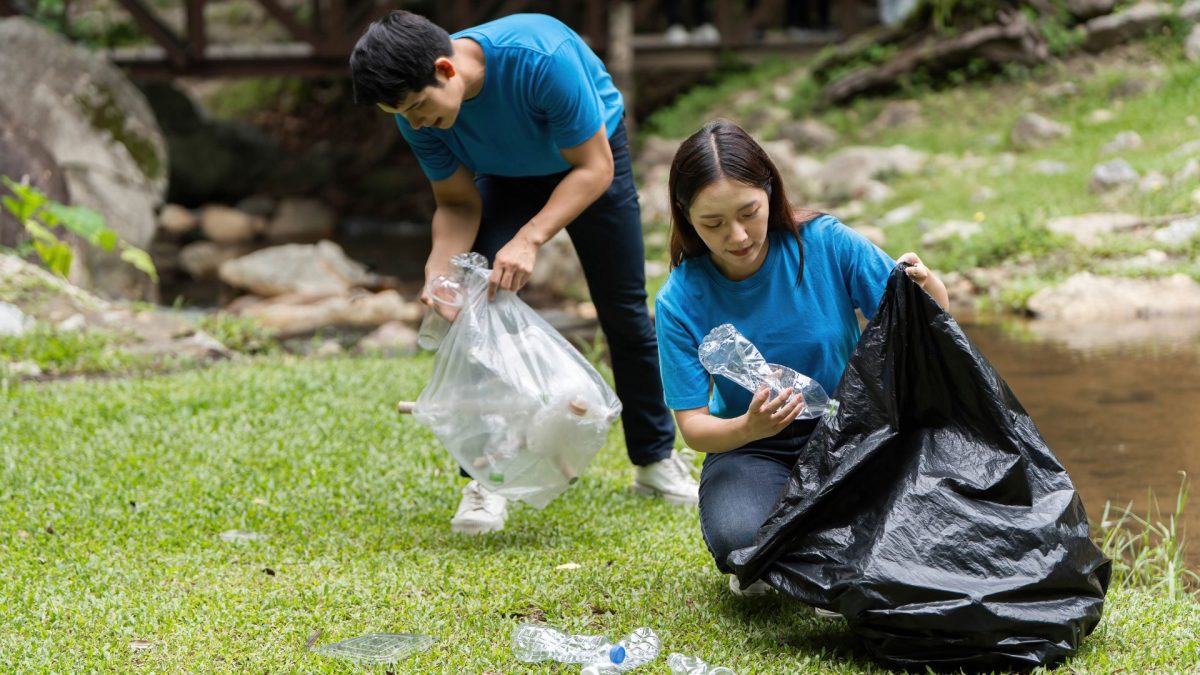
Junk removal services are reshaping the way communities handle excess waste, offering a structured solution to a problem that often seems overwhelming. By providing systematic removal of unwanted items, these services reduce the amount of debris that ends up in local landfills. Traditional waste disposal methods often lead to overfilled sites, creating not only environmental challenges but also logistical headaches for municipalities.
The environmental impact of this shift is profound. By redirecting items like electronics, metals, and furniture from landfill disposal, junk removal services contribute to the conservation of natural resources and reduce harmful emissions associated with landfill decomposition. Communities benefit from cleaner surroundings, while landfills gain more longevity. The careful separation of recyclable and reusable materials means fewer toxic substances leaching into the soil, and less methane produced from organic waste. This evolution in waste management demonstrates how targeted strategies can produce tangible environmental improvements, highlighting the importance of structured junk disposal solutions for sustainable urban living.
Encouraging Recycling and Repurposing
One of the most significant advantages of professional junk removal is its ability to foster recycling and repurposing habits. Items that might have been discarded haphazardly are now carefully assessed for reuse, donation, or recycling. This process not only diverts materials from overcrowded landfills but also reduces the need to extract new resources for manufacturing. Materials such as metals, plastics, and glass are systematically separated and processed, allowing them to re-enter the production cycle instead of remaining buried in waste sites. By turning discarded items into useful resources, junk removal services create a more circular approach to waste management, one that emphasizes conservation and reduces environmental degradation.
Repurposing also extends the life of household and commercial items, preventing unnecessary disposal. Furniture, electronics, and appliances that are still functional can find new homes, while broken items are disassembled and their components salvaged. This practice significantly lowers the volume of waste in landfills, which traditionally struggle to manage both space and hazardous materials. Communities benefit not only from the reduced environmental impact but also from the increased availability of affordable items through donation networks. Encouraging these habits establishes a culture of environmental responsibility, demonstrating that sustainable waste management is both achievable and practical when professionals guide the process.
Reducing Environmental Pollution
Junk removal services play a critical role in mitigating environmental pollution by controlling the destination of discarded materials. Without proper management, landfills can become significant sources of contamination, releasing harmful chemicals and gases into the surrounding environment. Materials like electronic waste, batteries, and household chemicals pose severe risks if left unmanaged, seeping into soil and water systems.
Additionally, minimizing landfill congestion lessens the environmental footprint of waste disposal operations. Overflowing landfills often require the creation of new sites, which disrupt natural habitats and contribute to deforestation and biodiversity loss. Junk removal services alleviate this pressure by efficiently diverting waste, reducing the need for additional landfill expansions.
Alleviating Space Constraints in Landfills
Landfills face ongoing challenges related to space limitations, often requiring meticulous planning to accommodate increasing volumes of waste. Junk removal services alleviate some of this pressure by preventing unnecessary items from reaching disposal sites. By collecting and sorting materials before they arrive at landfills, these services reduce congestion and extend the operational life of existing facilities. Space that would have been consumed by items that could have been recycled or repurposed is freed for materials that truly need to be buried. This not only optimizes landfill management but also contributes to cost savings for municipalities, which would otherwise have to expand or establish new disposal sites.
The strategic removal of waste also enhances logistical efficiency. Fewer items in landfills mean less frequent maintenance, reduced emissions from waste-processing equipment, and improved organization of materials within the site. Over time, this leads to a more sustainable and manageable waste management system. By targeting the root causes of landfill overcrowding, junk removal services provide an effective solution that benefits both communities and the environment. Residents enjoy cleaner surroundings, and municipalities experience fewer operational challenges, reinforcing the importance of a systematic approach to waste reduction.
Supporting Sustainable Urban Growth
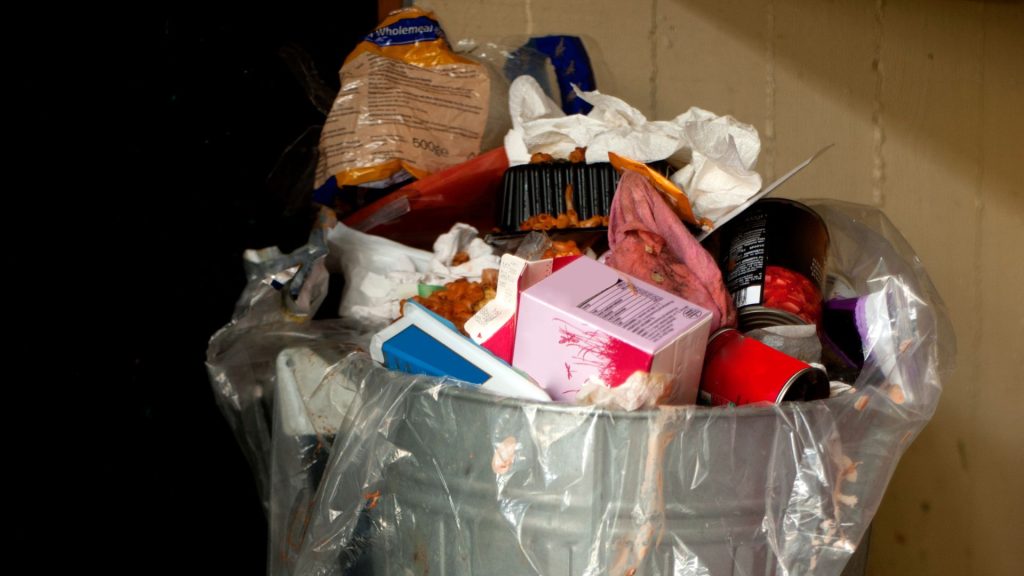
Rapid urbanization places an immense burden on existing waste management infrastructure. Junk removal services help cities grow sustainably by providing a scalable solution for dealing with increasing waste volumes. In densely populated areas, improper disposal can quickly lead to environmental hazards and degraded public spaces. By offering structured removal, recycling, and repurposing, these services ensure that urban growth does not come at the cost of environmental health. The ability to manage large quantities of waste efficiently supports urban planning goals, contributing to cleaner streets, parks, and neighborhoods.
Sustainable urban growth also requires reducing the environmental impact of waste disposal processes. Junk removal services help achieve this by implementing eco-friendly practices, such as diverting materials from landfills, promoting recycling programs, and educating clients on responsible disposal methods. These initiatives create a culture of environmental awareness, encouraging residents and businesses to make conscious choices. The integration of professional junk removal into urban waste management strategies allows cities to accommodate growth while maintaining ecological balance, proving that development and environmental stewardship can coexist harmoniously.
Minimizing Landfill Expansion Needs
As populations increase, the pressure to expand landfills grows exponentially. Junk removal services minimize the need for this expansion by diverting a significant portion of waste before it reaches these sites. Many materials can be recycled, donated, or repurposed, reducing the overall volume of landfill-bound trash. This proactive approach helps communities avoid costly and environmentally disruptive landfill expansions. Less expansion means fewer natural areas are converted into disposal sites, preserving ecosystems and reducing the ecological footprint of waste management.
Efficient waste diversion also reduces transportation demands, as less waste needs to be hauled to distant landfills. This decreases fuel consumption and emissions associated with waste collection and transport, contributing to a smaller carbon footprint for communities. By focusing on sustainable disposal methods, junk removal services help manage waste volumes effectively, ensuring that landfills remain functional for longer periods without encroaching on natural habitats. This approach demonstrates a practical solution for municipalities grappling with growing waste management challenges.
Encouraging Responsible Consumer Behavior
The availability of junk removal services encourages individuals and businesses to adopt more responsible consumer behavior. Knowing that unwanted items can be properly disposed of, recycled, or donated, people are more likely to make conscious choices regarding purchases and disposal. This awareness reduces impulsive accumulation of unnecessary items and promotes thoughtful consumption. Over time, this behavior reduces the overall volume of waste entering landfills, reinforcing the benefits of professional waste management.
Additionally, junk removal services provide educational resources and guidance for sustainable practices. Clients gain insight into what can be recycled, how to dispose of hazardous materials, and the benefits of donating usable items. This knowledge fosters long-term environmental responsibility, creating a cycle where reduced consumption leads to less waste, which in turn lowers landfill strain. By influencing consumer habits, junk removal services extend their impact beyond immediate waste collection, contributing to a more sustainable and environmentally conscious society.
Protecting Natural Resources
Every item diverted from a landfill represents a conserved natural resource. Junk removal services play a crucial role in protecting materials that would otherwise require extraction from the earth. Metals, plastics, wood, and other components can be recycled or repurposed, reducing the demand for raw resource extraction. This conservation effort not only preserves forests, minerals, and fossil fuels but also reduces the energy consumption associated with manufacturing new products from virgin materials. By focusing on reuse and recycling, junk removal services contribute to a more sustainable and resource-efficient economy.
The protection of natural resources extends to reducing environmental degradation. Landfills often contaminate surrounding land and water sources, disrupting ecosystems and reducing biodiversity. By minimizing the amount of waste that reaches these sites, junk removal services help maintain natural habitats and prevent unnecessary environmental damage. Communities benefit from cleaner surroundings, while industries benefit from a steady supply of recyclable materials. This holistic approach demonstrates how professional waste management can safeguard resources for future generations, emphasizing the long-term importance of responsible disposal practices.
Supporting Local Communities
Beyond environmental benefits, junk removal services provide practical advantages for local communities. Proper disposal reduces unsightly clutter in residential and commercial areas, contributing to more livable neighborhoods. Streets, parks, and public spaces remain cleaner, enhancing the quality of life for residents and encouraging civic pride. By facilitating organized waste removal, these services also reduce the risk of pest infestations and health hazards associated with unmanaged debris, creating safer environments for families and workers alike.
Local economies benefit as well, as junk removal often creates job opportunities in collection, sorting, and recycling operations. This economic support reinforces community resilience while promoting environmentally responsible practices. Additionally, many services partner with donation centers or charities, ensuring that usable items benefit individuals and families in need. The combined environmental, social, and economic impact underscores the multifaceted value of junk removal services, positioning them as essential components of thriving, sustainable communities.
Enhancing Overall Environmental Awareness
Junk removal services serve as catalysts for broader environmental consciousness. By demonstrating the impact of proper disposal, recycling, and repurposing, these services encourage individuals and businesses to consider the environmental consequences of their actions. Clients gain firsthand understanding of how their choices affect landfill capacities, resource conservation, and pollution reduction. This heightened awareness fosters environmentally responsible habits, extending far beyond the immediate removal of junk and contributing to long-term ecological stewardship.
Communities that embrace professional junk removal often experience cultural shifts toward sustainability. Schools, businesses, and residents become more engaged in reducing waste and supporting eco-friendly initiatives. The visibility of these services highlights the importance of structured waste management and motivates collective participation in sustainable practices. Over time, this fosters a society that values conservation, resource efficiency, and environmental protection, reinforcing the critical role that organized junk removal plays in shaping a greener, cleaner future for all.
Conclusion
Junk removal services are transforming the way communities manage waste, reducing the burden on overfilled landfills and supporting environmental sustainability. By carefully sorting materials for recycling, repurposing, or safe disposal, these services mitigate pollution, conserve natural resources, and extend the operational life of existing disposal sites. Communities benefit from cleaner, safer surroundings, while municipalities face fewer logistical challenges associated with waste management. These efforts reflect a growing recognition of the importance of responsible waste handling in modern urban and suburban settings.
For residents in Palatine, IL, and surrounding areas, 24-7 Junk Removal provides a comprehensive approach to reducing landfill strain while promoting eco-friendly practices. By offering professional junk removal services, the company ensures that discarded items are handled efficiently and sustainably, giving individuals and businesses the tools to make a positive environmental impact. To schedule a pickup or learn more, contact them at (773) 309-6966. Their office is located at 611 W. Wise Schaumburg, IL 60193, and inquiries can also be directed to support@24-7junk.com. This service not only helps maintain a cleaner community but also supports the long-term health of the environment.