

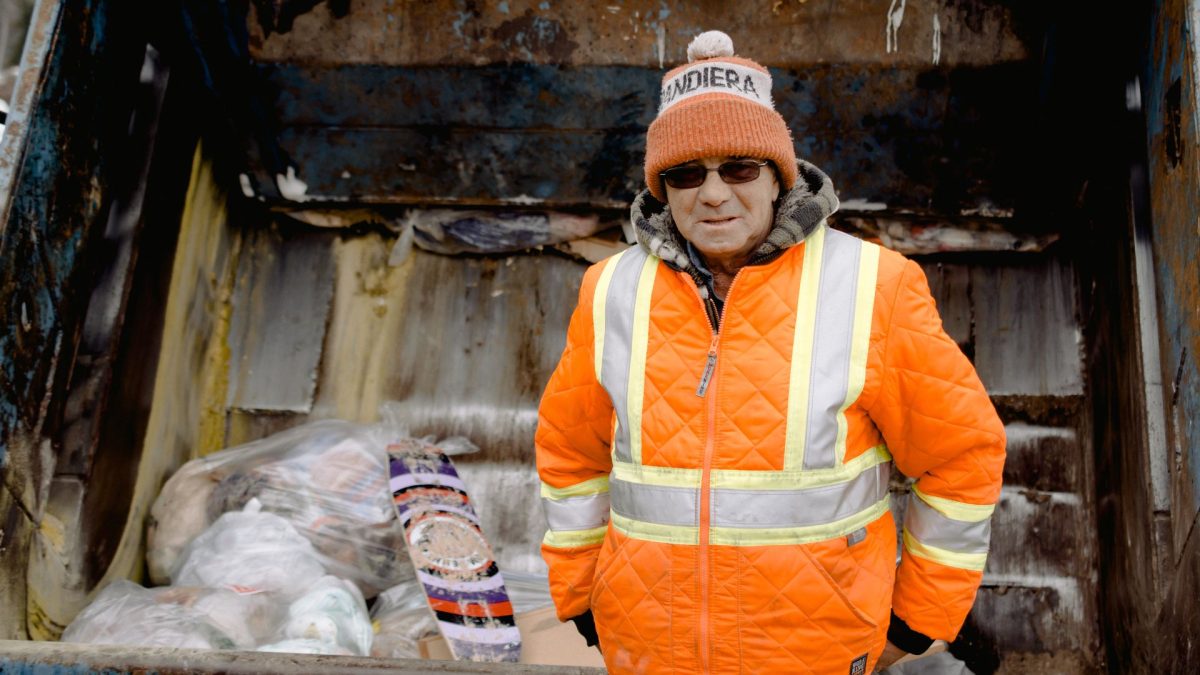
When a business faces closure, the environment often becomes cluttered with unused furniture, equipment, and miscellaneous items that have accumulated over time. Offices, warehouses, and retail spaces can quickly turn chaotic, making it difficult to maintain a functional space. The accumulation of unnecessary materials can hinder the process of shutting down operations efficiently. Business owners may find themselves overwhelmed by the volume of items needing removal, from office chairs and filing cabinets to outdated technology and promotional materials. Without a systematic approach, the closure can become a logistical nightmare, delaying the finalization of leases or the sale of the property. Allocating time to organize, sort, and plan the removal of junk is crucial to prevent unnecessary stress during this already challenging period.
Managing this transition effectively requires foresight and strategic planning. By assessing the space and identifying items that require removal versus those that can be donated, recycled, or repurposed, business owners can streamline the process and ensure a cleaner, more organized exit. Proper junk removal not only improves the aesthetics of the vacant space but also enhances safety by eliminating potential hazards such as broken furniture, tangled wires, and scattered debris. Furthermore, establishing a clear schedule and determining priority items allows for a smoother workflow, avoiding last-minute panic. The key lies in combining efficiency with environmentally responsible disposal practices, ensuring that the business closure leaves a positive impression on landlords, employees, and potential buyers alike.
Preparing a Comprehensive Junk Removal Plan
Creating a thorough plan for junk removal during a business closure is essential to ensure a seamless transition. The first step involves evaluating the types of items that need to be removed and categorizing them according to whether they are recyclable, reusable, or destined for disposal. By sorting through office furniture, equipment, and supplies ahead of time, business owners can avoid unnecessary delays. Developing a timeline for the removal process also helps in coordinating with movers, waste management services, or donation centers, making sure the closure proceeds according to schedule. The goal is to maintain a clear, organized approach that mitigates stress while optimizing efficiency.
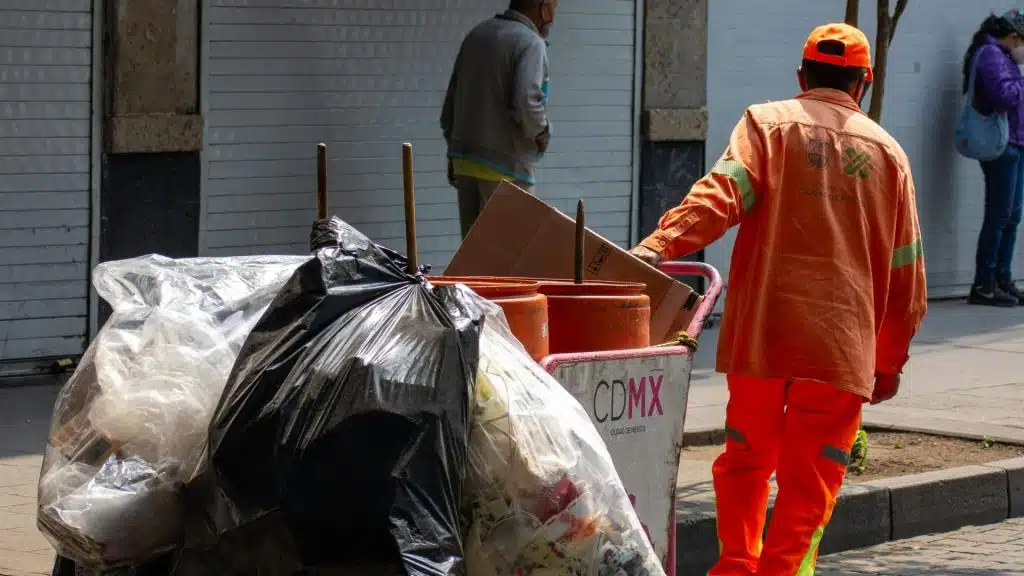
In addition to categorization, it is important to establish a realistic budget for the junk removal process. Business closures often come with tight financial constraints, and allocating funds toward proper disposal ensures that items are handled responsibly. Working with a reliable service can provide guidance on the most effective methods of removal, from large-scale hauling to environmentally friendly recycling options. Planning in advance also allows business owners to address any legal or regulatory considerations related to waste disposal, preventing potential fines or liabilities. A well-structured junk removal plan transforms an overwhelming task into a manageable process, enabling a smoother closure and a more positive conclusion to the business chapter.
Evaluating Items for Disposal or Repurposing
A critical aspect of junk removal during a business closure is determining which items should be discarded and which can be repurposed or donated. Not all office equipment and furniture need to end up in a landfill. Items in good condition can be sold, donated to nonprofit organizations, or reused within other business ventures. Conducting a thorough inventory and inspection of assets allows business owners to make informed decisions, reducing waste and potentially generating extra revenue or tax benefits. The evaluation process also helps prioritize items for immediate removal, ensuring that space is cleared efficiently and safely.
Repurposing or recycling items also supports environmentally responsible practices. Many businesses overlook the potential value in what appears to be “junk,” but with a careful review, a significant portion of materials can find new life. From electronics to office furniture, creating separate streams for reusable and disposable items simplifies the removal process and minimizes environmental impact. Engaging employees in the evaluation process can further improve outcomes, as they often have insights into which materials are still useful or valuable. This methodical approach ensures that the business closure proceeds with a balance of efficiency, sustainability, and fiscal prudence, turning a challenging process into an opportunity for responsible decision-making.
Coordinating with Professional Junk Removal Services
Partnering with a professional junk removal service can dramatically simplify the closure process. Businesses often lack the manpower, equipment, or expertise required to handle large-scale cleanouts efficiently. Experienced service providers bring trained personnel and specialized vehicles to remove items safely and promptly. Their knowledge of local disposal regulations ensures compliance while reducing the risk of fines or penalties. Hiring professionals allows business owners to focus on other critical aspects of the closure, such as employee transitions, legal obligations, and financial matters, rather than being consumed by logistical challenges.
Professional services also offer a range of flexible options tailored to different business needs. Whether it is a one-time haul of bulk items or a staged removal over several days, these experts can customize solutions that fit the schedule and budget. They often provide environmentally conscious disposal methods, including recycling, donations, or landfill diversion, helping businesses maintain sustainable practices. The efficiency and reliability of a professional team can alleviate stress, reduce labor costs, and ensure that the closure process remains organized from start to finish. Engaging a service that prioritizes safety, speed, and sustainability makes the daunting task of junk removal far more manageable.
Managing Electronic Waste Responsibly
During a business closure, electronic waste accumulates quickly from computers, printers, servers, and other technological equipment. Proper disposal of these items is not just a matter of convenience but a legal and environmental obligation. Electronic waste contains hazardous materials that can harm the environment if disposed of improperly. Implementing a responsible e-waste management strategy helps protect both the surrounding community and the planet. Identifying electronics suitable for donation, resale, or recycling is a crucial step in maintaining compliance and promoting sustainability.
Reputable junk removal services often provide specialized electronic waste handling. They ensure that sensitive data is securely destroyed and that devices are dismantled and processed according to environmental regulations. Businesses can benefit from working with providers who understand the complexities of e-waste disposal, reducing liability while promoting corporate responsibility. Thoughtful handling of electronics not only mitigates environmental impact but also fosters a positive public perception of the business, even during closure. By integrating responsible e-waste management into the overall removal plan, business owners can leave behind a legacy of conscientious operational practices.
Addressing Hazardous Materials Safely
Business closures sometimes involve the removal of hazardous materials, including chemicals, paints, cleaning agents, and batteries. Handling these substances improperly can pose serious health and safety risks, making professional intervention essential. Developing a clear strategy for identifying, segregating, and safely disposing of hazardous materials ensures that the closure process does not endanger employees, contractors, or the environment. Safety protocols and proper protective equipment are necessary components of a thorough hazardous materials management plan.
Certified junk removal companies are equipped to manage hazardous materials according to legal and safety standards. They have the training, equipment, and disposal channels required to handle substances that could otherwise cause contamination or injury. Segregating hazardous items from general waste prevents accidents and ensures compliance with local and federal regulations. Incorporating these practices into the overall junk removal strategy streamlines the closure process, demonstrating a commitment to safety and responsibility. Businesses that prioritize proper hazardous material management reduce risk while contributing to a safer and healthier community.
Optimizing Storage During Transition Periods
During the process of closing a business, there may be a temporary need for storage of certain assets, documents, or equipment before final removal. Optimizing storage space is essential to avoid congestion and maintain accessibility. Properly labeling and organizing stored items prevents loss or damage and ensures that critical materials remain easily retrievable. This approach also minimizes disruptions and hazards that can arise from cluttered spaces during the transition period.
Strategic storage solutions complement a structured junk removal plan by providing temporary holding areas for valuable or pending items. Rental storage units, dedicated warehouse sections, or on-site staging areas allow business owners to manage space efficiently while keeping operations orderly. By implementing clear storage protocols and ensuring regular monitoring, businesses can prevent unnecessary delays and maintain a smooth workflow. Effective storage management during closure reduces stress, safeguards assets, and ensures a more organized approach to clearing out the business premises.
Enhancing Safety During the Removal Process
Safety is a paramount consideration when removing large volumes of junk from business premises. Cluttered spaces, heavy equipment, and sharp objects create potential hazards for employees, contractors, and service providers. Implementing safety protocols, such as wearing appropriate protective gear, using proper lifting techniques, and maintaining clear walkways, minimizes the risk of injury. Planning the removal process in phases also ensures that heavy or bulky items are handled without compromising safety standards.
Professional junk removal services typically integrate safety measures into every stage of the process. Their experience in handling diverse materials allows them to anticipate potential risks and mitigate accidents effectively. Ensuring that all participants are aware of the safety plan and adhere to guidelines promotes a secure environment, protecting both people and property. By prioritizing safety, businesses not only prevent injuries and liability but also contribute to a smoother, more efficient removal process. A safe approach ensures that the business closure proceeds without unnecessary delays or complications.
Scheduling and Coordinating Timely Removal
Timing plays a critical role in managing junk removal during a business closure. Coordinating removal activities with lease terminations, employee exit schedules, and final property inspections ensures a seamless transition. A carefully planned timeline avoids last-minute surprises and allows for staged removal of large or sensitive items. Establishing clear deadlines and communicating them with all involved parties ensures that the process remains on track, preventing unnecessary stress and disruption.
Scheduling removal services in advance is also essential to secure availability and accommodate the volume of items needing disposal. Effective coordination with professional providers ensures that the right equipment and personnel are deployed at the appropriate times. This approach reduces downtime and enhances efficiency while keeping costs under control. A well-managed schedule fosters a sense of order during an otherwise chaotic period, allowing business owners to close operations smoothly and leave the property in optimal condition.
Leveraging Environmentally Friendly Disposal Options
Incorporating eco-conscious disposal practices into a junk removal plan reflects a commitment to sustainability and corporate responsibility. Recycling materials, donating reusable items, and minimizing landfill contributions demonstrate thoughtful stewardship of resources. Businesses that consider environmentally friendly options can reduce waste, lower disposal costs, and improve community relations, even during the closure process.
Partnering with providers who specialize in sustainable removal methods ensures that materials are handled responsibly and in accordance with environmental regulations. From paper and plastics to electronics and metals, each item can be directed to the appropriate recycling or donation channel. A comprehensive approach to eco-friendly disposal not only benefits the planet but also aligns with modern business ethics, leaving a positive legacy even as the enterprise concludes its operations. This methodical, conscientious approach ensures that the closure process is both effective and environmentally responsible.
Conclusion
Successfully managing junk removal during a business closure requires careful planning, strategic execution, and a focus on both efficiency and responsibility. Partnering with professional services can dramatically simplify the process, providing the manpower, expertise, and environmentally conscious methods needed to handle large volumes of items safely and efficiently. By addressing electronic waste, hazardous materials, and general clutter in an organized manner, businesses can close their operations with minimal stress and maximum compliance. Prioritizing safety, scheduling, and eco-friendly disposal ensures that the space is cleared effectively while upholding legal and ethical standards.
Businesses in Palatine, IL seeking assistance with junk removal can rely on 24-7 Junk Removal for professional support. With services tailored to large-scale business closures, they provide a comprehensive approach to clearing out offices, warehouses, and commercial spaces. Contacting them at (773) 309-6966 or visiting their location at 611 W. Wise Schaumburg, IL 60193 ensures access to skilled personnel and efficient removal solutions. Their commitment to responsible, timely, and safe junk removal makes them a dependable partner for businesses navigating the challenges of closure, providing peace of mind and a smooth transition.