

Categories
Deck Removal

Why Deck Removal Is Vital for Long-Term Home Maintenance

A deck may seem harmless at first glance, but beneath the weathered boards often lurks a silent threat. Over time, moisture seeps through cracks, allowing rot to spread unnoticed. Termites may burrow in, creating hollow spaces that weaken structural integrity. What was once a charming outdoor escape gradually turns into a potential hazard that compromises both safety and home value. Many homeowners underestimate how quickly decay spreads, especially when rain and temperature changes accelerate deterioration. A single loose board might be a warning sign of deeper structural problems waiting to surface.

Beyond the physical damage lies another issue—appearance. Faded paint, splintered edges, and sagging beams make any backyard look neglected. Removing a deteriorating deck gives homeowners a clean slate to rebuild or repurpose the space. It’s not just about removing wood and nails, but reclaiming peace of mind and restoring harmony between the home and its surroundings.

How Deck Removal Protects Your Foundation

When decks begin to deteriorate, their structural flaws can cause stress on a home’s foundation. Moisture that collects under the deck doesn’t evaporate easily, creating damp conditions that may lead to mold, mildew, and soil shifting. This constant exposure to moisture eventually threatens not just the deck, but also the foundation’s stability. Over time, small shifts in the soil can create uneven support, leading to costly repairs if ignored.
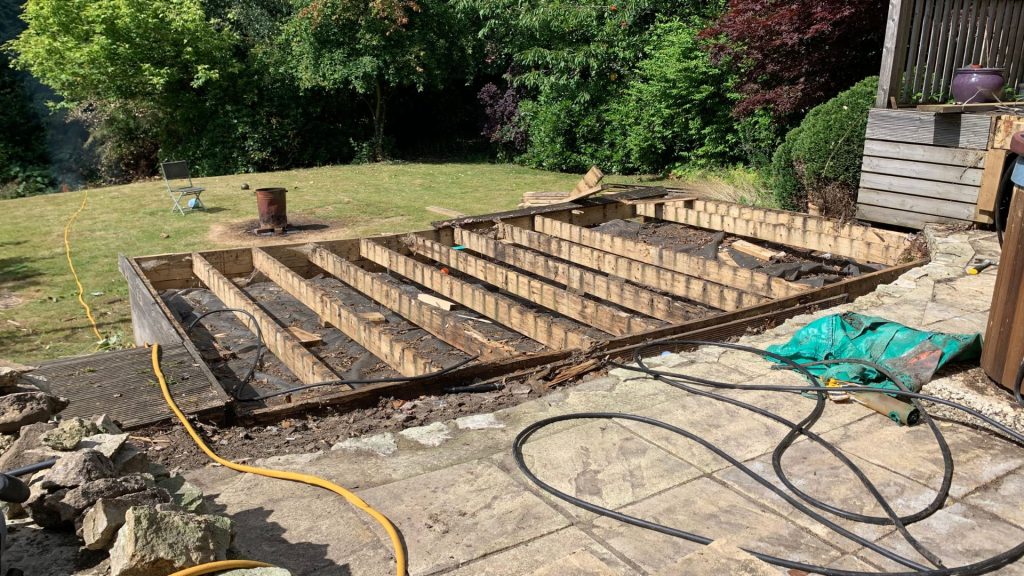
Removing an old deck allows airflow and sunlight to reach the soil again, reducing excess moisture buildup. It also provides a chance to inspect the foundation and identify early warning signs before they worsen. A well-timed deck removal can prevent a cascade of structural issues, ensuring the home’s base remains strong and dry. Protecting your foundation means protecting your entire property, and deck removal plays a surprising role in that defense.

The Impact of Weather on Deck Longevity

Decks face every storm, every frost, every relentless summer sun. Exposure to the elements gradually wears down even the most well-built structures. UV rays dry out the wood, rainwater seeps into tiny fractures, and freezing temperatures cause expansion that splits the planks. Weather, over time, doesn’t just alter how a deck looks—it changes its internal strength.

When these natural forces combine year after year, even pressure-treated wood starts to crumble. Removing an old deck before it reaches that stage saves homeowners from future headaches. It clears the path for safer construction or an open yard design that resists the elements better. Understanding how weather impacts decks helps homeowners see removal not as destruction, but as renewal. It’s an act of preserving the beauty and health of your home against the natural wear of time.

Safety Hazards That Lurk Beneath the Surface

The real danger of an aging deck lies where eyes rarely look. Rusted nails, loose bolts, hidden rot, and weak joists hide beneath the surface, silently eroding the deck’s ability to bear weight. Each step becomes riskier, especially for children or elderly family members. What once hosted barbecues and laughter can quickly turn into a liability if ignored.

By choosing deck removal, homeowners eliminate these unseen hazards before they lead to injury or costly accidents. Removal experts disassemble the structure carefully, ensuring each compromised part is disposed of properly. In return, the property regains a sense of safety and trust. A home should never be a place of silent danger, and deck removal ensures it stays that way—secure, stable, and ready for the next chapter.

Environmental Benefits of Responsible Deck Disposal

An often-overlooked advantage of deck removal is its environmental impact. Old wood, metal fasteners, and composite materials don’t belong in landfills where they’ll sit for decades. Responsible removal ensures recyclable materials are separated and processed correctly. Many boards can be repurposed, while metals and nails are sent to recycling facilities.

This process reduces waste and supports sustainability. It aligns with eco-conscious living, ensuring that your home improvement choices leave a smaller footprint on the planet. Every responsible disposal makes room for cleaner surroundings and a healthier ecosystem. Deck removal, when done mindfully, is not destruction—it’s contribution. It’s how a homeowner can blend personal improvement with environmental responsibility.

The Cost of Neglecting Deck Maintenance

Ignoring an aging deck may seem harmless at first, but costs accumulate quietly. Small cracks deepen, screws loosen, boards warp, and eventually repairs become unavoidable. What could have been a simple removal and rebuild transforms into a major renovation project with inflated expenses. Neglect doesn’t just drain money—it chips away at comfort and safety.

Regular inspections and timely deck removal prevent unnecessary repair bills and keep the home’s exterior appealing. Once a deck loses its durability, patchwork fixes rarely hold for long. Removing it early saves homeowners from long-term financial strain. It’s an investment in both safety and peace of mind, showing that sometimes, taking something down is the smartest way to build better later.

Creating Space for Modern Upgrades

Old decks often limit creativity. Their fixed layout and outdated materials can clash with modern design preferences. By removing an old deck, homeowners open endless possibilities for reimagining their outdoor space. Maybe a new patio, a small garden retreat, or an outdoor dining area fits better with today’s lifestyle. The removal process clears not only physical space but mental space too.

Once gone, homeowners see their yard differently. The blank canvas invites imagination, whether it’s for new landscaping or a sleek composite deck that requires less upkeep. Sometimes, the best home improvement projects begin not with adding more, but with letting go of what no longer fits. Deck removal creates room for the future—fresh, adaptable, and inspiring.

The Role of Professional Help in Deck Removal

Taking down a deck may look simple, but beneath the surface lies a complex process. Each plank, nail, and beam connects in ways that require caution to dismantle safely. Professionals understand load-bearing points and use equipment that ensures no part collapses unexpectedly. They protect both property and people during every stage of removal.

Beyond the manual work, experts know how to handle waste responsibly and transport materials efficiently. They take what seems overwhelming and turn it into a seamless operation. Hiring skilled professionals isn’t just about convenience—it’s about ensuring safety, efficiency, and compliance with local regulations. Trusting the right team turns deck removal into a stress-free step toward improving your home.

How Deck Removal Increases Property Value

A neglected or unstable deck can drastically reduce a property’s appeal. Prospective buyers notice damaged wood, uneven rails, and peeling paint. Even if the rest of the home shines, that one area can plant doubt. Removing it before listing transforms the space into a blank, clean area full of potential. Buyers imagine possibilities instead of problems.

This simple act signals care, maintenance, and foresight—qualities every buyer values. It reflects an owner who understands long-term upkeep, raising confidence in the property’s condition. Whether replaced with a new design or left open for landscaping, a removed deck enhances curb appeal instantly. Sometimes, subtraction adds more value than addition.

Preventing Pest Infestations Through Deck Removal

Old decks often become shelters for pests—termites, ants, spiders, and even small rodents. Cracks and crevices provide perfect nesting grounds shielded from weather and sight. These pests eventually spread to other parts of the property, leading to infestations that compromise not only comfort but health. Ignoring such habitats allows minor inconveniences to evolve into full-scale problems.

Removing the deck cuts off this chain at its root. Once the wood and debris are gone, the pests lose their hiding spots and access routes. A clean, open area allows pest control measures to work more effectively, and future infestations become less likely. Deck removal isn’t just about aesthetics—it’s a shield against unwanted guests who thrive on neglect.

Preparing for New Construction or Renovation

Before adding new structures, homeowners often need a clear and level surface. Deck removal is an essential first step when planning expansions, patio installations, or landscape redesigns. Keeping an old deck limits layout options and risks damaging new work if left in poor condition. Removing it ensures that any future project starts with a safe, solid base.

This process allows professionals to assess the underlying ground, drainage, and space planning more effectively. It prevents construction delays and ensures better outcomes for new builds. Every successful renovation begins with preparation, and removing outdated decks is one of the smartest ways to prepare for something new. It clears not only space but also potential obstacles that might stand in the way of progress.

Conclusion

Home maintenance is more than keeping up appearances—it’s preserving safety, stability, and value. Removing an aging or damaged deck is one of the smartest moves a homeowner can make. It protects against rot, pests, and foundation damage while opening space for new possibilities. Responsible removal also supports eco-friendly disposal and prevents unnecessary costs down the road.

For reliable and efficient Junk Removal, contact 24-7 Junk Removal in Palatine, IL. Their expert team provides full-service deck removal and disposal that prioritizes safety and sustainability. Call (773) 309-6966, visit their office at 611 W. Wise Schaumburg, IL 60193, or email support@24-7junk.com to schedule your service today. They make home maintenance simpler, safer, and smarter—one deck at a time.
Categories
Deck Removal

Deck Removal Services: Making Your Yard More Functional

The Purpose Behind Removing an Old Deck

A deck may once have been the heart of backyard gatherings, but as time moves on, so do your needs. Old decks begin to lose their charm, showing cracks, loose boards, or even rot that threatens safety and appearance. When that happens, removal isn’t just about aesthetics—it’s about reclaiming space for something new. Whether it’s an open lawn, a garden, or a new outdoor living area, getting rid of a deteriorating deck gives you the foundation to start over fresh.

Taking down a structure made of aged wood and weathered nails may sound easy, but it often involves careful dismantling and disposal. Professionals handle the process in a way that ensures no damage to your property. The goal is to clear the area while keeping safety and efficiency at the forefront. Once the last board is gone, what remains is possibility—a blank canvas where functionality meets imagination.

How Deck Removal Transforms Your Outdoor Space

When a deck overstays its welcome, it restricts the potential of your backyard. Removing it opens up endless opportunities. Suddenly, there’s room for a fire pit, patio, outdoor kitchen, or simply a lush patch of green. A once-cluttered area becomes a flexible extension of your home—one that adapts to your evolving lifestyle.

Beyond the physical transformation, deck removal can revitalize the way you interact with your space. The process eliminates hidden pest zones, unsafe footing, and wasted corners that no longer serve a purpose. With proper cleanup and leveling, you’re left with a clean, smooth area ready for redesign. It’s not just demolition—it’s renewal. Your yard becomes a living, breathing part of your home again, ready to inspire new memories.

The Hidden Hazards of Keeping a Damaged Deck

Keeping a worn or unstable deck might seem harmless, but time tells another story. Cracked planks, rusted nails, and weakened beams can quickly turn from inconvenience to danger. A single misstep could result in splinters, injuries, or even structural collapse. Beyond safety, deteriorating wood often harbors mold and insects that slowly spread into nearby areas, causing long-term issues for your property.

Ignoring these signs means risking both comfort and home value. Once wood rot sets in or water damage takes hold, repairs become costly and often temporary. Removing the deck entirely becomes the smarter move—addressing not just the surface but the underlying decay. Clearing it away prevents future infestations and allows you to replace it with safer, more durable materials. In the end, removing a damaged deck means choosing health, stability, and peace of mind.

The Process of Deck Removal Explained

Deck removal isn’t just about tearing boards apart. It’s a detailed process that starts with an evaluation of the structure. Professionals assess the deck’s materials, foundation, and connection points to determine the safest dismantling method. Nails and screws are carefully removed, planks are detached one by one, and the framework is systematically disassembled to prevent property damage.

Once the deck is fully taken down, the cleanup begins. Debris is sorted, reusable materials are separated, and waste is hauled away responsibly. Every nail, splinter, and beam is cleared from the site, leaving no trace behind. What remains is an open, leveled surface—ready for whatever project comes next. Whether you plan to redesign the area or leave it open, a proper removal ensures that your property remains clean, safe, and prepared for transformation.

Eco-Friendly Deck Disposal Practices

Old decks often contain large amounts of wood, metal, and fasteners. Disposing of these materials carelessly can harm the environment. That’s why eco-friendly deck removal practices focus on recycling and repurposing as much as possible. Treated lumber might go to specialized recycling centers, while metal hardware and railings are separated for reuse. This approach ensures less waste ends up in landfills and more materials find a second life.

Environmentally conscious removal also involves responsible hauling. Instead of dumping everything together, items are transported based on material type. This step-by-step sorting minimizes environmental impact and encourages sustainability. When done correctly, your deck removal not only improves your property but also contributes to a cleaner planet. Choosing a team that values eco-friendly methods means you’re investing in both your home’s future and environmental preservation.

Preparing Your Yard Before Removal

Before professionals arrive, preparing the area ensures the process goes smoothly. Start by removing outdoor furniture, potted plants, and any décor surrounding the deck. Clear pathways to allow access for equipment and hauling. It’s also wise to turn off nearby sprinklers and move fragile garden items away from the work zone. These small actions save time and protect your belongings during demolition.

Preparation isn’t just about logistics—it’s about envisioning the change. Once the space is empty, take a moment to picture what comes next. Maybe it’s a new patio, a patch of grass for pets, or a simple open area for family gatherings. By preparing early, you give both yourself and the removal team the ability to focus on precision and care, ensuring every step from dismantling to cleanup happens efficiently and safely.

Cost Considerations for Deck Removal

Every deck removal project comes with its own price tag, influenced by several factors. The deck’s size, material type, condition, and accessibility all play major roles in determining cost. Wood decks with heavy framing may take longer to dismantle than lighter structures, increasing labor time. Likewise, elevated decks or those attached to the home can require extra caution and specialized tools, slightly affecting pricing.

However, professional removal remains a worthwhile investment. It saves you from potential injury, costly repairs, and improper disposal fees. More importantly, it ensures your property remains intact and ready for future projects. Instead of struggling through a do-it-yourself teardown that might take days or weeks, experts complete the process efficiently—often within a single day. The cost isn’t just for removal—it’s for peace of mind, safety, and a fresh start in your outdoor space.

When to Schedule a Deck Removal

Timing can make a big difference in how smoothly your deck removal unfolds. The best time to schedule depends on your local weather conditions and project goals. Many homeowners choose spring or early summer, when temperatures are mild and the ground is firm. Others prefer fall, giving them a clean slate before winter sets in.

Beyond the season, it’s wise to schedule removal when you’re ready to plan your next outdoor project. If a replacement deck, patio, or garden redesign is in your future, early planning prevents delays. By coordinating removal with future upgrades, you streamline the entire process. Whether your motivation is safety, renovation, or a fresh start, scheduling at the right time ensures both convenience and efficiency.

The Role of Professionals in Safe Deck Dismantling

Taking apart a deck without experience can lead to injuries and property damage. Professionals bring not only the right tools but also the right techniques to handle even the most complex structures. They know where to begin dismantling, how to manage load-bearing sections, and how to safely haul materials away. This expertise keeps your home safe and prevents costly mistakes.

In addition to skill, professionals prioritize safety measures that protect surrounding areas. Nearby windows, siding, and landscaping are shielded during removal. The entire process is methodical and clean, ensuring minimal disruption. Working with trained experts means your deck is removed efficiently, and your yard remains intact and ready for its next purpose. What might take an untrained person several days is completed swiftly, with precision and respect for your property.

Reimagining Your Yard After Deck Removal

Once the deck is gone, the transformation truly begins. The space feels lighter, open, and full of potential. Without barriers, you can design your yard exactly how you envision it—perhaps a new garden, stone patio, or play area for the kids. The removal doesn’t just clear wood and nails; it clears the way for creativity.

This is the moment when function meets imagination. The once-worn platform becomes fertile ground for new ideas. Whether you lean toward modern minimalism or natural landscapes, the possibilities expand far beyond what the old structure allowed. Reimagining your yard after deck removal means taking control of your environment again—designing it not for what it used to be, but for what it can become.

Why Deck Removal Adds Value to Your Property

Removing an outdated deck can increase your home’s appeal instantly. Prospective buyers often notice clean, open yards that offer flexibility over worn-out wooden platforms. A clear, functional space allows others to picture their own ideas, whether it’s a new entertainment area or extra landscaping.

Beyond visual impact, removing a deteriorating deck prevents potential inspection issues. Unsafe structures can reduce property value and turn away buyers. Once it’s removed, the area becomes a positive feature instead of a liability. Whether you plan to sell or simply enhance your living experience, investing in deck removal is a smart way to boost both beauty and value—giving your property a refreshed and cared-for appearance that lasts.

Conclusion

Transforming your outdoor space begins with one simple but powerful choice—removing what no longer serves your home. With every board and beam cleared away, you create room for new ideas, safer gatherings, and better use of your yard. The process might seem demanding, but in reality, it’s the first step toward designing a space that truly reflects your needs and lifestyle.

For professional assistance that ensures safety, speed, and precision, contact 24-7 Junk Removal. Serving Palatine, IL, this trusted team brings experience and care to every project. Whether you’re clearing a small deck or undertaking a complete yard overhaul, they handle the hard work so you can focus on what comes next. Call (773) 309-6966 or visit them at 611 W. Wise Schaumburg, IL 60193, or email support@24-7junk.com to schedule dependable Junk Removal services that make your space functional again.

Categories
Deck Removal

The Best Ways to Handle Deck Removal

Understanding the Scope of Deck Removal

Removing a deck might seem straightforward at first glance, but the task often hides a surprising depth of complexity. Each plank, nail, and support beam tells the story of how that structure was built—and dismantling it demands more than brute strength. It’s about understanding how the deck connects to your home, the weight distribution across joists, and how each piece interlocks. Without a plan, you risk damaging siding, landscaping, or even underground utilities. Preparation becomes your shield against chaos.

A thoughtful approach always begins with assessment. Inspect the structure to identify rot, rust, and weakened spots. Take note of the materials—pressure-treated wood, composite boards, or aluminum—since disposal methods vary. Some materials can be recycled or repurposed, while others need careful disposal. Deck removal isn’t simply about demolition; it’s a methodical process that respects safety, structure, and sustainability from start to finish.

Preparing Your Space Before Starting

A successful deck removal project begins with creating an organized workspace. Clear away furniture, planters, and decorative items that might obstruct your movement. The more open the area, the smoother the dismantling process will go. Preparation ensures safety—not just for you, but for anyone helping. You’ll want a clear path to move debris, tools, and equipment without stumbling or causing accidental damage.

Mark any underground utilities or sprinkler systems nearby. Contacting local utility companies can save you from costly mistakes. The soil beneath your deck may have shifted over time, meaning steps or support beams could be less stable than they appear. A few minutes spent preparing could save hours of frustration later. Proper setup makes every step after that more efficient, safer, and far less stressful, transforming potential chaos into a controlled, predictable operation.

Choosing the Right Tools for Deck Dismantling

Deck removal requires the right combination of force and finesse. Crowbars, hammers, reciprocating saws, and drills often serve as your essential tools. However, what makes a difference isn’t just what’s in your toolbox, but how you use it. A dull blade or the wrong attachment can turn a simple task into a grueling one. Having the proper gear means every nail, screw, and joint gives way with less resistance.

Safety equipment is just as crucial. Gloves protect from splinters, safety goggles shield from flying debris, and sturdy boots keep you grounded. You’ll find that efficiency grows when your setup blends safety with precision. Instead of tearing through the project haphazardly, you’ll work systematically—removing boards in sections, preserving what can be reused, and ensuring nothing gets damaged unnecessarily. The right tools turn what could be back-breaking labor into a project of calculated rhythm.

Dismantling the Deck in Sections

Breaking a deck apart in sections transforms a chaotic demolition into a manageable sequence. Start with the railings, removing them carefully before addressing the decking boards. Doing so gives you a clear view of the structure’s bones—the joists and beams that hold everything together. Each step reveals more about how the deck was constructed, making it easier to disassemble safely and effectively.

Working in sections allows for controlled removal, reducing the risk of injury and property damage. You can sort debris as you go, keeping wood, metal, and nails separated for disposal or recycling. It’s tempting to tear through everything at once, but patience always pays off. By pacing the work, you minimize accidents and maintain an organized workflow. Section-by-section dismantling is not just efficient—it’s the most practical way to ensure every piece is handled responsibly.

Recycling and Disposal Considerations

Deck removal leaves behind piles of material, but not everything should go straight to the landfill. Much of the debris can find new life elsewhere. Pressure-treated lumber can sometimes be repurposed for outdoor projects if it remains in good condition, while untreated wood might be recycled into mulch or composite materials. Metal fasteners and hardware can be gathered separately for recycling, reducing environmental impact.

Disposal regulations differ by region, so it’s vital to check local guidelines before hauling everything away. Some materials contain chemicals that must be handled carefully to avoid environmental harm. Partnering with an eco-conscious disposal service ensures the waste from your deck removal contributes as little as possible to pollution. Recycling transforms what might have been waste into resources, aligning the process with sustainable values while keeping the project cleaner and more responsible.

Safety Precautions During Deck Removal

Safety isn’t just about wearing protective gear—it’s a mindset that shapes every decision during deck removal. Before you start, ensure your tools are in good condition and cords or batteries are secure. The moment one careless step is taken, accidents happen quickly. Keeping the worksite organized minimizes tripping hazards and makes navigation easier. Remember, heavy materials often shift unexpectedly once structural supports are loosened.

Weather also plays its part. Slippery surfaces from rain or dew can create hidden risks. Taking time to double-check your footing, especially on elevated decks, could prevent serious falls. Removing old nails, screws, and sharp edges as you go helps maintain a safer environment. Deck removal isn’t a race—it’s a deliberate process where awareness and caution protect both you and your property. Every careful move keeps the project on track without unnecessary setbacks.

When to Hire Professional Help

Some decks demand more than DIY enthusiasm can handle. The structure might be too large, too old, or simply unsafe for a solo effort. In those situations, calling professionals can be the wisest choice. Experienced crews know how to identify hazards before they cause problems. They arrive with specialized tools and the knowledge to dismantle complex decks without damaging surrounding structures or landscaping.

Professionals also handle debris disposal and recycling more efficiently, saving you the time and effort of sorting through materials. If your deck connects directly to your home or has electrical fixtures, hiring experts ensures everything is detached safely. Choosing professional help doesn’t mean giving up control—it means trusting trained hands to manage the risky parts while you oversee the process. It’s peace of mind wrapped in efficiency and expertise.

Handling Hidden Damage and Structural Surprises

Deck removal often exposes the unexpected. Beneath the boards, rot, rust, or insect damage may reveal the extent of deterioration that was once hidden. What looks stable might crumble when pressure is applied. These discoveries, while frustrating, are invaluable—they help you understand what caused the decline and guide your next steps, whether that’s repair or rebuilding.

When damage surfaces, it’s essential not to rush repairs. Evaluate the foundation, inspect for moisture damage near your home’s siding, and determine if soil erosion has affected the deck’s support. Addressing these problems before rebuilding prevents future issues. Structural surprises aren’t setbacks; they’re opportunities to strengthen the base of your next project. Patience and a clear eye for detail ensure you build—or rebuild—on a solid foundation that stands the test of time.

Restoring the Area After Deck Removal

Once the last board is gone and the debris cleared, you’re left with an open space brimming with potential. The area beneath a deck often hides compacted soil or worn patches of grass. Restoring it brings balance back to your yard. Begin by leveling the ground, filling holes, and removing leftover debris. Good preparation now means less frustration when you decide how to repurpose the space later.

You might choose to install new landscaping, extend a patio, or plant a garden. The removal process becomes a chance to redefine your outdoor environment. Treating the soil, adding new top layers, and planning drainage help prevent future erosion. Reclaiming this area feels like a fresh start—a blank page waiting to be written with creativity, design, and a renewed connection to the space that once sat beneath your deck.

Sustainable Deck Removal Practices

Every removal project has environmental consequences, but small choices can make a large difference. Choosing to recycle, donate, or repurpose materials lessens the impact on landfills. Working with eco-friendly hauling services ensures discarded materials don’t become pollution but are reintroduced into production cycles. The wood from an old deck can find a new home as reclaimed lumber, furniture, or mulch. Sustainability begins with intention, not perfection.

Even transportation plays a role—combining trips or hiring a company with efficient routes reduces emissions. Responsible disposal and mindful recycling redefine what deck removal means in a modern world. It becomes less about destruction and more about transformation. Turning waste into value fosters a healthier balance between progress and preservation. When sustainability guides each step, every plank removed brings a cleaner, greener tomorrow.

Planning for Your Next Outdoor Project

After the deck is gone, possibilities open wide. That space might evolve into a garden retreat, a paved patio, or a modern outdoor lounge. Before rushing to rebuild, spend time envisioning how you’ll use it. The removal process gives you a clean canvas to create something that fits your current lifestyle rather than your past one. Planning thoughtfully ensures that the new addition complements your home’s layout and enhances daily living.

Consider the materials you’ll use this time—eco-friendly options, composite decking, or natural stone surfaces. Think of maintenance, durability, and the environment’s role in longevity. A well-planned project not only replaces the old but elevates your property’s entire aesthetic. With clear vision and mindful design, what began as deck removal transforms into a journey toward renewal and creativity that celebrates both practicality and beauty.

Conclusion

Handling deck removal takes more than effort—it takes understanding, patience, and a plan that respects both safety and sustainability. When done right, the process becomes a bridge between what once was and what’s about to be. From preparation to cleanup, every stage carries its own purpose, revealing opportunities for renewal and reinvention. The effort spent today clears space for tomorrow’s ideas, ensuring your property remains safe, clean, and full of potential.

For those who prefer expert assistance, 24-7 Junk Removal in Palatine, IL is ready to help. Whether your goal is complete deck removal or full-scale junk removal, their team ensures the job is handled efficiently from start to finish. You can reach them at (773) 309-6966, visit them at 611 W. Wise Schaumburg, IL 60193, or email support@24-7junk.com for assistance. A cleaner, renewed outdoor space is just one call away.

Categories
Deck Removal

Deck Removal: The Best Materials for Your New Outdoor Area

The moment the old deck comes down, a fresh opportunity rises—a blank canvas ready to be shaped into your ideal outdoor living space. Selecting the right foundation sets the stage for everything that follows, influencing not only durability but also the overall aesthetic appeal. Many homeowners choose concrete as a base, drawn to its strength and longevity. Others lean toward gravel or compacted soil for a more natural, cost-effective approach. Each option carries its own charm, and the right choice depends on your vision, maintenance preferences, and local climate conditions.

A sturdy foundation also ensures safety and stability. If you plan to build on a slope, proper grading and drainage should be priorities to prevent future damage. Reinforcing the ground with quality materials adds a layer of reliability that pays off over time. Whether you’re going for a sleek, modern terrace or a cozy backyard escape, what lies beneath determines how well your outdoor haven holds up against years of use and changing weather. It’s not just the surface you see—it’s the invisible strength that defines your deck’s future.

Exploring Natural Wood Options for Warmth and Character

There’s something timeless about the way natural wood transforms a backyard. The texture, the grain, and even the scent carry a warmth that synthetic materials often struggle to replicate. Among popular choices, cedar and redwood stand out for their natural resistance to rot and insects. These woods maintain their beauty for years with proper sealing and maintenance. If you prefer something more budget-friendly, pressure-treated pine offers an attractive balance between affordability and resilience, especially in areas prone to moisture.

The personality of wood evolves over time. Exposure to sunlight deepens its color, giving your outdoor area a story of its own. Regular staining or oiling enhances the look while preserving its integrity. While wooden decks require upkeep, many homeowners find that the effort feels worthwhile. The authenticity of real wood creates an atmosphere that draws people in—a space where morning coffee tastes better and evenings feel calmer. When chosen and cared for wisely, natural wood becomes more than a building material—it becomes part of your home’s soul.

Composite Decking: A Low-Maintenance Modern Choice

Composite materials have redefined what it means to enjoy outdoor living without constant upkeep. Made from a blend of recycled wood fibers and plastic, composite decking offers the visual appeal of timber without the vulnerability. The surface resists fading, warping, and splintering, making it a favorite for homeowners who want long-lasting beauty with minimal maintenance. It’s a practical solution for families or anyone looking to spend more time relaxing and less time refinishing.

One of the best aspects of composite decking is its versatility. The variety of colors and textures available today means you can mimic the warmth of wood or opt for something sleek and contemporary. Many brands incorporate hidden fastening systems, creating a clean and seamless appearance. While the initial cost may be higher, the savings in maintenance and longevity often justify the investment. Over the years, composite decking has proven that innovation and sustainability can work hand in hand, offering both durability and design flexibility in one dependable package.

The Allure of Stone and Tile Surfaces

For homeowners craving sophistication and permanence, stone and tile decks offer undeniable appeal. Natural stone—such as slate, travertine, or granite—brings elegance to outdoor spaces, effortlessly blending with gardens and landscaping. The cool feel underfoot on a warm day, the way light dances across textured surfaces, all add depth and luxury. These materials resist weathering exceptionally well, requiring little more than periodic sealing to maintain their brilliance.

Tile, on the other hand, provides creative freedom. Porcelain and ceramic tiles designed for outdoor use open a world of color, pattern, and texture combinations. They’re easy to clean, durable, and ideal for patios or poolside areas. Installation demands precision, especially for even spacing and proper waterproofing, but the final result rewards the effort. The beauty of stone and tile lies in their ability to elevate even modest spaces into something that feels intentional and timeless. If your goal is sophistication and endurance, this path leads exactly there.

Sustainable Deck Materials for the Eco-Conscious Homeowner

Sustainability has shifted from trend to necessity. Homeowners are increasingly mindful of how their choices affect the environment, and decking materials are no exception. Bamboo has emerged as a standout option—it grows rapidly, renews itself, and offers remarkable strength. Another eco-friendly option is reclaimed wood, salvaged from old structures and repurposed into beautiful decking boards. These materials carry stories, preserving history while reducing waste.

Recycled composites also contribute to sustainability. By transforming discarded plastics and wood fibers into durable surfaces, they keep waste out of landfills while producing a product that lasts decades. Choosing eco-conscious materials doesn’t mean compromising on style. Many of these options rival traditional wood in texture and color while providing longer life and easier maintenance. It’s about creating a backyard that feels good not only for its beauty but also for the responsible decisions that shaped it. Sustainability and elegance, after all, can coexist beautifully.

Weather-Resistant Materials That Stand the Test of Time

Outdoor decks endure constant exposure to sun, rain, wind, and sometimes snow. Choosing materials that can withstand these elements makes all the difference between a deck that fades and one that endures. PVC decking is one of the strongest contenders, known for its waterproof nature and ability to resist mold and mildew. It doesn’t absorb moisture, which prevents cracking and expansion issues common in traditional materials.

Aluminum decking also stands out as a weatherproof marvel. Lightweight yet extremely tough, it doesn’t rust or warp, even under extreme conditions. The powder-coated finish enhances durability while keeping it cool underfoot. Although these options might not deliver the same rustic appeal as wood, they more than compensate with longevity and minimal maintenance. When the goal is to build once and enjoy for decades, weather-resistant materials provide the peace of mind that nature won’t easily undo your investment.

Balancing Aesthetics and Functionality in Deck Design

An outdoor area is not just an extension of your home—it’s an expression of how you live. The materials you select play a crucial role in shaping both the look and functionality of your deck. Balancing those two elements means thinking beyond color and texture. A surface that complements your home’s architecture should also handle the practical realities of daily use, such as foot traffic, furniture placement, and exposure to weather.

Blending beauty with practicality doesn’t have to be complicated. Pairing materials, like composite decking with a stone border, can add contrast and visual interest. Smooth tiles near entrances make transitions easier, while textured surfaces near pools improve safety. Every choice affects the atmosphere you create—from modern minimalism to rustic retreat. A thoughtful approach ensures that form and function coexist, resulting in a deck that’s not only stunning but also built to be lived in fully.

The Role of Color and Texture in Outdoor Ambiance

Color shapes emotion. The tones you choose for your new deck can transform your outdoor environment from a bright, lively hangout to a calm, meditative retreat. Earthy hues like walnut, ash, or sandstone blend seamlessly with natural surroundings, while cool grays and charcoals lend a modern edge. It’s worth considering how the deck color interacts with other outdoor features—furniture, plants, even the siding of your home.

Texture adds another dimension. Smooth surfaces give a polished, contemporary look, while hand-scraped or embossed finishes add depth and tactile appeal. The right combination can enhance safety, reduce slipperiness, and heighten the sensory experience of being outdoors. Your deck becomes more than just a platform—it becomes an emotional landscape. With careful attention to these subtle details, you can create a space that feels not only visually captivating but deeply personal.

Maintenance-Friendly Materials for Effortless Enjoyment

Not every homeowner wants to spend weekends sanding, staining, or sealing. For those who value low-maintenance living, the right materials make all the difference. Composite decking, PVC, and aluminum options are designed to withstand time and weather with minimal effort. A quick wash restores their shine, saving countless hours over the years. These materials resist fading, cracking, and pests, ensuring your deck remains inviting without constant upkeep.

For those who prefer natural materials, consider hardwoods like ipe or mahogany. Though they may require occasional oiling, their natural density resists damage exceptionally well. Choosing materials that align with your lifestyle allows you to enjoy your space rather than constantly maintaining it. A well-designed deck should simplify your life, not add to your chores. The goal is effortless beauty—an outdoor area that continues to impress without demanding attention every season.

Adding Modern Touches with Innovative Deck Materials

Innovation has revolutionized deck construction. Beyond wood and stone, new materials are emerging that combine technology with design. Fiber cement, for instance, offers exceptional durability and a sleek appearance while being resistant to fire, insects, and moisture. Some manufacturers even create decking infused with reflective pigments that keep the surface cooler under intense sun—a practical solution for comfort in warm climates.

Another exciting innovation is modular decking. These systems use interlocking panels that can be installed quickly without traditional framing. They’re ideal for temporary or small-scale outdoor projects. Some incorporate built-in drainage or underdeck lighting, transforming simple spaces into functional extensions of the home. Exploring modern materials opens creative possibilities, ensuring your outdoor area isn’t just built for today but designed for the future.

Conclusion

Transforming your backyard begins the moment old decking gives way to new ideas. The materials you choose define not just the structure’s look but its soul—how it feels underfoot, how it ages, how it invites people in. Every decision carries weight, from the texture of a single plank to the way the sun glows across the surface at dusk. Building a new outdoor space is a chance to align comfort, beauty, and resilience in perfect balance.

For reliable help in clearing out old decks and preparing your space for what comes next, 24-7 Junk Removal in Palatine, IL, offers efficient and professional Junk Removal services tailored to your project needs. You can reach them at (773) 309-6966 or visit their office at 611 W. Wise Schaumburg, IL 60193. For inquiries, email support@24-7junk.com. Their team ensures every removal is handled smoothly, paving the way for your next outdoor transformation with ease and care.

Categories
Deck Removal

Deck Removal: An Easy Guide for Homeowners

Deck removal often begins with one simple realization—the structure that once enhanced your outdoor space has started to wear out its welcome. Time, weather, and constant use can leave even the sturdiest decks splintered, sagging, or unsafe. Removing an old deck isn’t just about clearing space; it’s about creating opportunity. Once it’s gone, you open the door to fresh design ideas, new landscaping, or simply a safer, cleaner environment around your home.

For many homeowners, though, deck removal can feel like a daunting project. There’s more to it than just grabbing a hammer and pulling up boards. Each section must be disassembled carefully to avoid damaging your home’s exterior or underground utilities. The process may seem intimidating at first glance, but when approached methodically, it becomes surprisingly manageable. Whether you plan to do it yourself or call in professionals, understanding why and how this task matters sets the tone for success.

Preparing Your Space Before the Work Begins

Before the first board is loosened, preparation makes all the difference. The area surrounding the deck needs to be cleared of furniture, planters, and decorations. These small steps might seem insignificant, yet they pave the way for safer, faster removal. Checking the structure for electrical wiring or lighting fixtures is crucial, too. Many decks are connected to outdoor outlets, and cutting through those wires accidentally can cause unnecessary trouble.

Next, consider where the debris will go. Old lumber, nails, and concrete footings can pile up faster than expected. Renting a dumpster or arranging for hauling in advance saves time later. And if you’re planning to build a new deck afterward, measuring and photographing the area before demolition helps with future designs. Proper preparation isn’t glamorous, but it’s what keeps a deck removal project efficient and stress-free from the start.

Evaluating the Condition of Your Existing Deck

Before any demolition begins, take a moment to study the current condition of your deck. Look for rotted boards, loose nails, and weakened railings. These signs reveal where the structure might collapse or break apart more easily, guiding your removal strategy. Older decks, especially those built with untreated wood, often have hidden decay beneath the surface. Knowing where the weak points are helps prevent injury and keeps the project under control.

It’s also smart to note which parts of the deck are still sturdy. You may find that certain beams or posts can be salvaged for reuse or recycling. Evaluating the deck thoroughly allows for safer dismantling and reduces waste. A well-planned assessment can also determine whether the foundation can be reused for a future build, saving money in the long run. Taking this step may feel slow, but it lays the groundwork for smoother removal and smarter reconstruction later.

Choosing Between DIY and Professional Help

Every homeowner faces the same decision at this stage—should you handle the job yourself or hire professionals? Doing it on your own can save money and offer a sense of accomplishment. It’s a chance to get hands-on with your property and control each detail of the project. However, DIY deck removal demands strength, patience, and the right tools. Without proper safety equipment or disposal planning, it can quickly turn overwhelming.

On the other hand, professional removal services streamline the process. They bring experience, specialized equipment, and a team to handle everything from dismantling to debris removal. While it comes with a cost, hiring experts often saves time and prevents potential damage to your home or yard. Whether you go solo or call in help depends on your comfort level, available tools, and schedule. Each option carries its own benefits—it’s about choosing what fits your needs best.

Tools and Equipment That Make the Job Easier

Deck removal may sound like a brute-force task, but the right tools can turn it into a smooth and efficient process. Essential items include pry bars, hammers, reciprocating saws, and drills. Each tool serves a purpose—some help dismantle decking boards while others separate beams or remove screws. Investing in a sturdy wheelbarrow or heavy-duty trash bags also simplifies cleanup. Wearing gloves, eye protection, and sturdy boots isn’t optional; it’s part of doing the job safely.

For larger decks, renting power tools can make an enormous difference. Jackhammers can break through concrete footings, while circular saws cut through thicker sections quickly. If you’re tackling this as a DIY project, familiarize yourself with how each tool operates before using it. Understanding your equipment’s strengths keeps the workflow steady and minimizes mistakes. Efficient deck removal isn’t about speed—it’s about precision and preparation combined.

Step-by-Step Breakdown of the Deck Removal Process

Start from the top and work your way down. That’s the golden rule for any deck removal project. Begin with railings and stairs, as these are often the easiest parts to remove and open up space for the main structure. Once those are out of the way, focus on prying up deck boards one by one. Be mindful of nails and screws; removing them carefully ensures they don’t scatter across your yard. Slow and steady often beats fast and messy when dealing with old construction.

After the surface boards are gone, you’ll reach the support frame—the heart of the deck. Cutting beams and joists into manageable sections helps with disposal. Pay special attention to the posts anchored in concrete, as these can require extra effort or even power tools to remove. Following a clear, methodical approach keeps the project under control and helps prevent damage to nearby landscaping or siding. Each step completed thoughtfully brings you closer to a clear, usable space once again.

Managing the Disposal of Deck Materials

Once the deck is gone, a new challenge arises—what to do with the remains. Piles of wood, metal fasteners, and chunks of concrete can quickly clutter your property. Sorting materials right away saves time later. Separate treated wood from untreated wood since some disposal centers handle them differently. Nails and screws can be gathered with a magnetic sweeper to avoid tire punctures or foot injuries.

Many homeowners choose to recycle old decking materials. Some types of wood can be repurposed for garden beds, outdoor benches, or firewood if untreated. However, treated wood must be disposed of properly to avoid environmental hazards. Partnering with a junk removal or hauling service simplifies this process, ensuring everything ends up where it should. Clean, responsible disposal isn’t just about getting rid of waste—it reflects care for your home and the community.

Environmental Considerations When Removing a Deck

Deck removal doesn’t have to mean sending everything to the landfill. Many of the materials can find new life through recycling or repurposing. Old metal railings, screws, and brackets often go straight to scrap yards. Even wood, when untreated, can be creatively reused for outdoor projects. Taking a mindful approach to what happens after removal makes a significant impact. It keeps your project environmentally responsible while reducing the overall waste footprint.

Moreover, using eco-friendly disposal options ensures that harmful chemicals from treated lumber don’t seep into soil or groundwater. Contacting local recycling centers before starting the project helps you understand their requirements. Sometimes, even professionals can guide you toward sustainable solutions. Deck removal might seem purely practical, but it also offers a chance to make environmentally conscious choices that contribute to a cleaner, safer neighborhood.

Post-Removal Cleanup and Site Preparation

After the deck is gone, the real transformation begins. What’s left behind is often uneven ground, bits of debris, and maybe even concrete stubs where posts once stood. Cleaning the site thoroughly helps visualize what comes next. Raking up nails, screws, and small wood fragments prevents future injuries. It’s also the moment to inspect your home’s siding or foundation for any accidental damage that occurred during the removal.

Once the area is clean, you can begin leveling the soil or laying groundwork for your next project. Whether you plan to rebuild, install a patio, or start a garden, having a clear and stable surface makes all the difference. Site preparation after deck removal might seem like a small step, but it sets the stage for whatever outdoor vision you have in mind. This phase marks the shift from demolition to creation—the exciting part of any home improvement journey.

Budgeting and Planning for Deck Removal Costs

Financial preparation is often overlooked until the project is already underway. The total cost of deck removal depends on several factors, such as deck size, material type, and accessibility. DIY removal can reduce expenses but may increase labor time and cleanup responsibilities. On the flip side, hiring professionals means upfront payment but offers efficiency and peace of mind. Considering these trade-offs helps you make informed financial choices.

Additional expenses may include dumpster rentals, tool purchases, or landfill fees. Planning for these early prevents unwanted surprises later. Even a simple budget spreadsheet can help track each component of the project. By anticipating costs, homeowners can maintain control over their finances and ensure a smoother experience from start to finish. Deck removal doesn’t have to strain your budget—it just requires thoughtful planning and clear priorities.

Conclusion

Removing a deck isn’t just another home improvement task—it’s an investment in reclaiming your outdoor space. When done with preparation and purpose, the process reveals the hidden potential beneath old boards and fading paint. Each careful step, from dismantling railings to clearing debris, contributes to a cleaner, safer, and more inviting property.

For those seeking reliable help with the heavy lifting, 24-7 Junk Removal in Palatine, IL offers professional assistance in handling the debris and cleanup that follow. Whether it’s hauling old materials or providing efficient junk removal, their team makes the transition effortless. Located at 611 W. Wise Schaumburg, IL 60193, they can be reached at (773) 309-6966 or via email at support@24-7junk.com. With expert support and a thoughtful approach, your outdoor transformation begins not with demolition—but with a fresh start.