

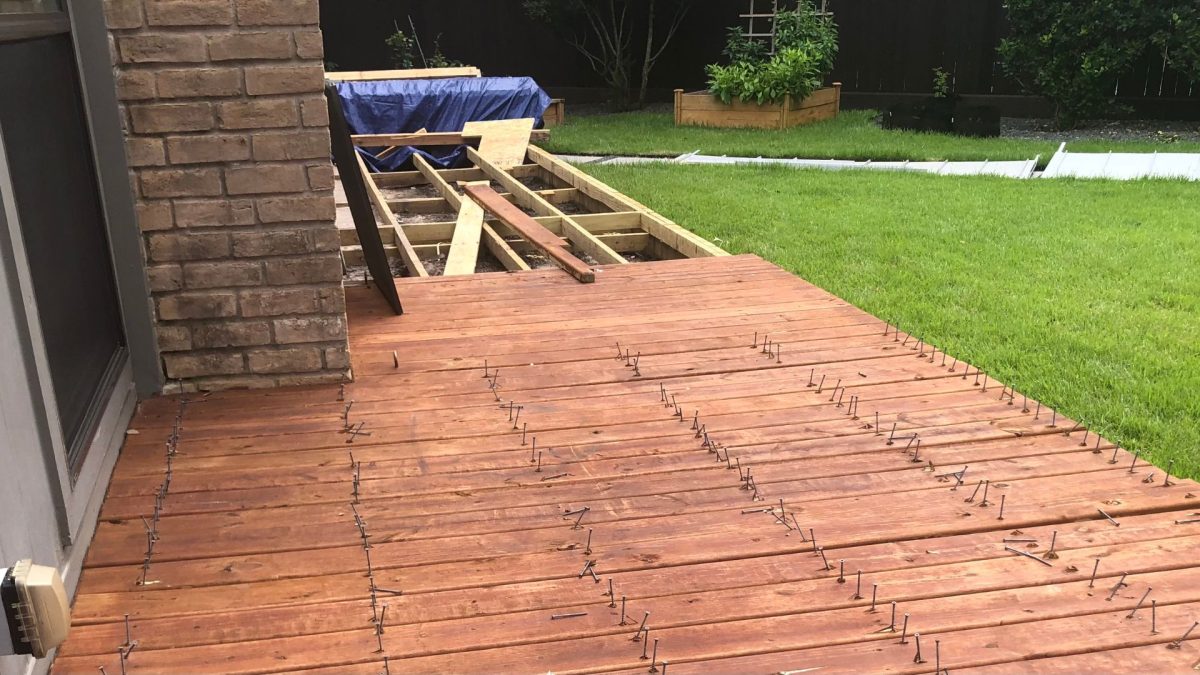
Decks are often thought of as the heart of outdoor gatherings, the place for morning coffees, barbecues, or lazy summer afternoons. However, over the years, many decks lose their charm. Exposure to sunlight, rain, and snow takes a toll, leading to splintered wood, warped boards, and weakened supports. These issues aren’t just cosmetic; they can present significant safety hazards. Rotting wood or unstable posts can result in falls, injuries, or even structural collapse if left unattended. Even when not dangerous, an outdated deck can make your backyard feel cluttered and uninviting, diminishing the aesthetic appeal and functional use of your property. Removing such a deck opens the door to creative possibilities, allowing homeowners to reimagine their outdoor space as something fresh, safe, and more aligned with their lifestyle.
In addition to safety and appearance, deck removal can have a broader impact on property value. Potential buyers often view aging, poorly maintained decks as a liability rather than an asset, so clearing out an old deck can improve the overall impression of your home. Beyond resale considerations, deck removal facilitates the creation of outdoor areas tailored to modern needs. You might choose a smaller, more functional patio, raised garden beds, or an open lawn perfect for gatherings and recreation. By eliminating the old structure, you’re not only addressing clutter but also giving yourself a blank canvas to redesign your outdoor living space in a way that is practical, beautiful, and safe.
Evaluating Deck Condition Before Removal
Before initiating deck removal, it is crucial to assess the deck’s current condition comprehensively. Many problems may not be visible at first glance. Weathered surfaces, hidden rot beneath the boards, loose nails, or compromised joists can make demolition trickier than anticipated. A detailed inspection helps homeowners understand which parts of the deck require careful handling and which areas may present a higher risk of injury during removal. For instance, pressure-treated wood may be tougher to dismantle, while older decks might contain nails or screws that are rusted and difficult to remove. Recognizing these nuances early allows you to plan effectively, ensuring safety and efficiency.
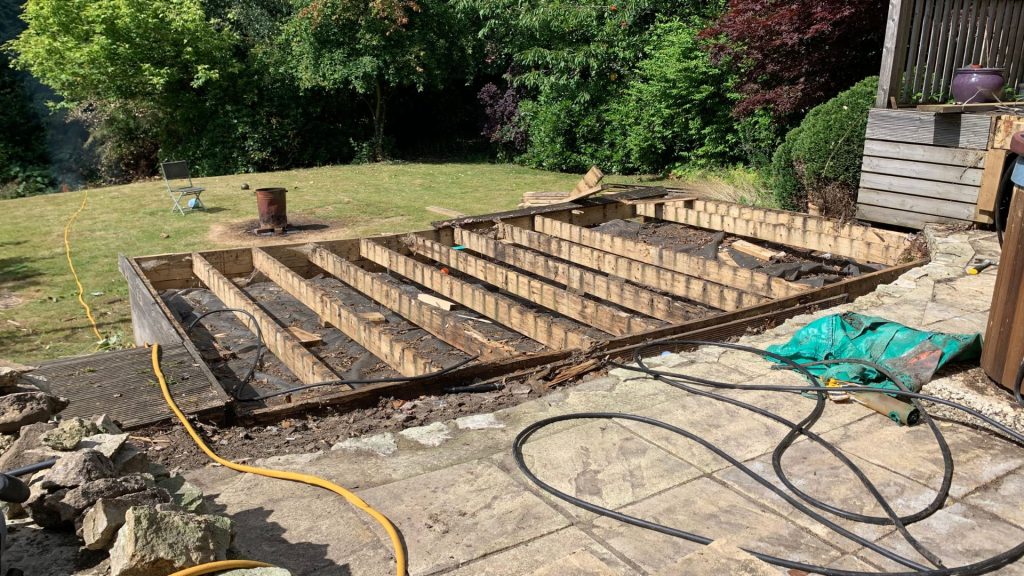
A thorough evaluation also aids in waste management planning. Knowing the materials your deck comprises helps decide what can be recycled, what can be repurposed, and what must be discarded responsibly. Some metal components and untreated wood can be salvaged, while pressure-treated lumber may need special disposal methods to comply with environmental guidelines. By taking the time to assess the deck thoroughly, you reduce surprises during demolition, streamline the removal process, and ensure both safety and sustainability. This step is foundational for homeowners aiming to minimize clutter without creating a new set of problems during the process.
Preparing Your Yard for Deck Removal
Preparation is key when removing a deck. Before any demolition begins, it is essential to clear the surrounding area of any outdoor furniture, fragile plants, or decorative elements. This prevents accidental damage during removal and provides a safer workspace. Additionally, identifying utility lines and marking their locations is crucial to avoid any interruptions or hazards. Overlooking underground cables, pipes, or sprinkler systems could result in serious damage and costly repairs. Alongside safety, preparation makes post-removal cleanup easier by designating specific zones for debris, helping keep the yard organized as the deck comes down.
Proper preparation also involves gathering necessary tools and materials. Having dumpsters or containers ready for debris, protective gear for everyone involved, and an organized plan for dismantling ensures that the removal process proceeds smoothly. Preparing the yard with safety and efficiency in mind allows homeowners to avoid unnecessary delays, minimize risks, and maintain order throughout the demolition. A well-prepared site is not just safer; it fosters a sense of control and confidence, making the transformation of your backyard a more positive and manageable experience.
Tools and Equipment Needed for Deck Demolition
Effective deck removal depends on having the right tools and equipment. Essential hand tools include hammers, pry bars, and wrenches for dismantling boards and loosening fasteners. Sawing tools, such as circular saws and reciprocating saws, are critical for cutting through thicker beams or stubborn sections of wood. For larger projects, heavy-duty machinery like mini-excavators or skid-steer loaders may be required to handle bulky materials safely. Alongside tools, personal protective equipment such as gloves, eye protection, and steel-toed boots is vital to prevent injuries from nails, splinters, and falling debris.
The correct combination of tools and safety measures makes deck removal more efficient and significantly reduces the likelihood of accidents. While smaller decks may be manageable for DIY enthusiasts, professional-grade equipment or outside help is often recommended for larger or complex structures. Knowing which tools to use and how to operate them properly ensures a controlled demolition process. Beyond safety, the right equipment also protects your property from accidental damage, making the entire project smoother and more predictable. Adequate preparation in terms of tools and safety gear transforms what could be an overwhelming job into a task that is achievable and organized.
The Process of Safe Deck Removal
The process of deck removal begins methodically, typically by dismantling the decking boards first. Working from the top down helps prevent structural collapse and makes handling the materials safer. Nails, screws, and other fasteners should be carefully removed or cut to avoid injury. Once the decking boards are removed, attention shifts to joists, beams, and posts, which may require extra support or machinery to lift safely. By breaking down the deck in manageable sections, you maintain control and reduce risks associated with heavy or unstable components.
Safety is at the heart of every step. Stabilizing the structure, using proper lifting techniques, and wearing protective gear are essential to prevent accidents. Planning each stage before starting ensures that removal proceeds smoothly, avoiding sudden collapses or mishaps. Furthermore, organized demolition allows for the separation of materials for recycling or repurposing. Taking the time to approach removal with careful attention to safety and sequence reduces stress and maintains efficiency, ultimately resulting in a cleaner, safer, and more organized backyard ready for future use.
Managing Debris During Deck Removal
Deck removal generates considerable debris, ranging from wood and nails to screws, brackets, and metal supports. Effective debris management begins with categorizing these materials. Untreated wood can be stacked for reuse or recycling, metal fasteners can be sorted for scrap, and hazardous materials such as pressure-treated wood or chemically treated components should be disposed of responsibly according to local regulations. Organizing debris into categories not only makes disposal easier but also reduces environmental impact.
Creating a designated staging area or using dumpsters ensures that materials do not scatter across the yard, preventing hazards and making cleanup more efficient. Planning ahead for debris management saves time, reduces clutter, and enhances overall safety during removal. Homeowners who take the effort to manage debris effectively find that the demolition process is not only smoother but also sets the stage for a more organized and appealing outdoor transformation once the deck is gone.
Recycling and Repurposing Deck Materials
Many components from a removed deck can find new purposes. Untreated wood may be turned into firewood, mulch, or garden beds, while metal fasteners can be recycled through local facilities. Even worn or damaged boards can be repurposed creatively into furniture, planters, or decorative projects. Repurposing materials helps reduce waste, adds value to old materials, and encourages environmentally friendly practices in home improvement.
Recycling deck materials is not only sustainable but also cost-effective. Salvaging what is usable saves money on new materials for outdoor projects or home renovations. Creative repurposing also allows homeowners to integrate personal touches into their backyard design, giving discarded materials a second life and a sense of purpose. By thinking beyond simple disposal, deck removal becomes an opportunity to embrace sustainability while enhancing the aesthetic and functional qualities of your outdoor space.
Hiring Professional Help for Deck Removal
Deck removal can be physically demanding and time-consuming, often requiring more expertise than anticipated. Hiring professionals ensures the process is efficient, safe, and compliant with local regulations. Experienced teams bring the knowledge and equipment necessary to handle complex structures, heavy debris, and potential hazards. They can also advise on the most environmentally responsible ways to dispose of or recycle materials, reducing the burden on homeowners.
Professional assistance eliminates the stress of tackling a physically intensive and potentially risky task. With experts handling demolition, debris removal, and cleanup, homeowners can focus on planning new outdoor designs or simply enjoy peace of mind. Skilled professionals reduce the likelihood of property damage and ensure that the space is cleared quickly and safely, providing a smoother transition from an old, cluttered deck to a functional and visually appealing outdoor area.
Safety Considerations During Deck Demolition
Safety cannot be overstated during deck removal. Protective gear such as gloves, helmets, eye protection, and steel-toed boots is essential to prevent injuries. Ensuring a clear workspace, stabilizing the deck structure, and using tools correctly prevents accidents like punctures, cuts, or falls. Hidden hazards such as sharp fasteners, unstable posts, or buried utilities require careful attention to detail.
Planning for emergencies, keeping a first aid kit nearby, and educating everyone involved on proper procedures enhances overall safety. Prioritizing safety throughout the demolition process not only protects individuals but also ensures that the project proceeds smoothly. A well-organized, safety-conscious approach minimizes risks, preserves materials for recycling, and sets the stage for a successful and controlled outdoor transformation.
Enhancing Outdoor Space After Deck Removal
Once the deck is removed, the cleared space presents endless possibilities for outdoor improvement. Homeowners can redesign the area to include patios, gardens, recreational zones, or open lawns for gatherings. With old structures eliminated, the yard becomes a flexible, aesthetically pleasing canvas that can be tailored to modern needs and lifestyle preferences.
Transforming the area after deck removal improves both the usability and appeal of your property. A thoughtfully redesigned outdoor space encourages social interactions, relaxation, and functional use. By removing an outdated deck, you make room for innovative solutions, blending beauty and practicality. The process of creating an open, inviting yard enhances your living environment while boosting property value, leaving a sense of satisfaction in reclaiming and revitalizing your outdoor area.
Conclusion
Deck removal is a practical and transformative solution for managing outdoor clutter. The process allows homeowners to eliminate aging, unsafe, or unattractive structures while opening up opportunities to enhance the yard’s functionality and appearance. Through careful planning, proper tool use, safety considerations, and debris management, removing a deck becomes a controlled, efficient, and rewarding project. This process can also provide environmentally responsible recycling and repurposing options, turning old materials into new opportunities for your outdoor space.
For those seeking professional deck removal and comprehensive junk removal services, 24-7 Junk Removal in Palatine, IL offers reliable, efficient, and safe solutions. Their experienced team ensures that debris is handled responsibly, reducing stress for homeowners and providing peace of mind throughout the process. Contact them today at (773) 309-6966 to schedule service. Their location at 611 W. Wise Schaumburg, IL 60193 and support email support@24-7junk.com makes it easy to connect and start your outdoor transformation with expert guidance. Choosing 24-7 Junk Removal guarantees a clean, safe, and revitalized yard ready for new possibilities.