

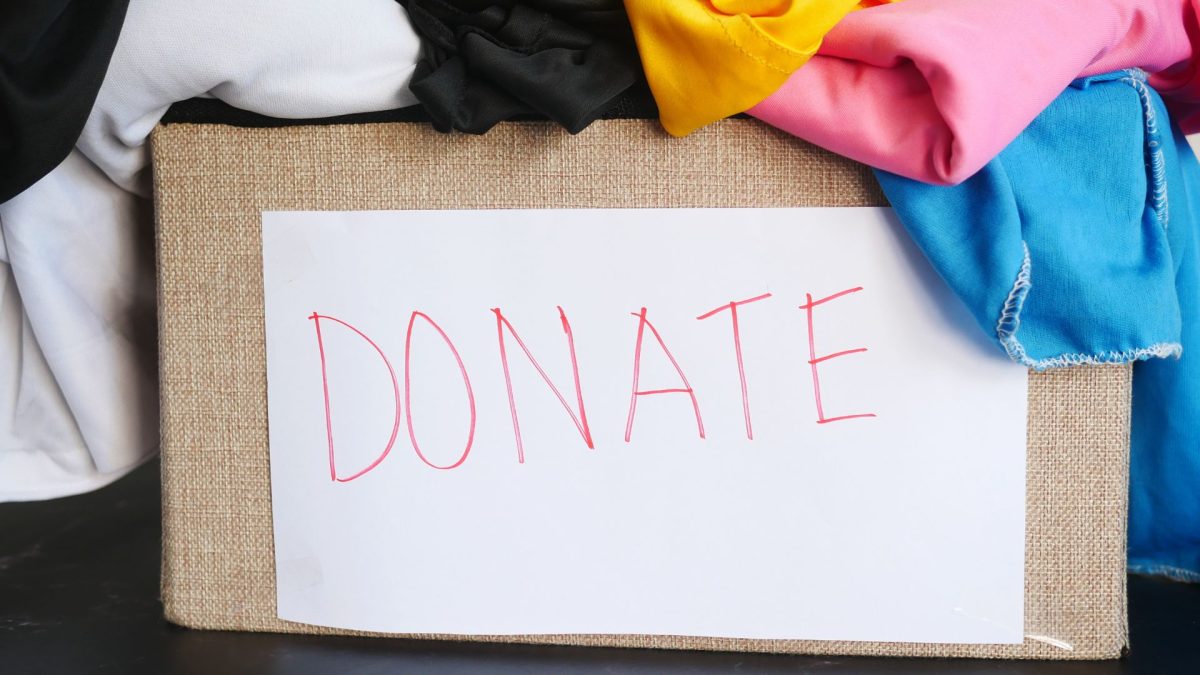
Donation pickup services play a pivotal role in keeping usable items out of landfills. When individuals or businesses declutter, these services collect furniture, clothing, appliances, and other goods that are still in good condition. Instead of being discarded, these items are redirected to charities, shelters, or community organizations that can repurpose them. This process not only reduces landfill waste but also lessens the demand for new products, conserving resources that would otherwise be consumed in manufacturing.
By extending the life of these items, donation pickup services foster a culture of reuse. People feel encouraged to give their belongings a second chance rather than contributing to environmental degradation. The convenience of having professionals handle the collection ensures that more people participate, maximizing the positive impact. Every item picked up represents a step toward reducing waste, saving space in homes, and minimizing environmental footprint. As communities embrace this system, they collectively contribute to sustainable practices, creating a ripple effect that benefits society and the planet alike.
Encouraging Responsible Consumer Habits
Donation pickup services also influence consumer behavior by promoting mindful disposal practices. Knowing that items can be picked up and donated instead of thrown away motivates individuals to evaluate what they truly need, fostering intentional consumption. This shift helps curb the excessive accumulation of goods and encourages people to consider the environmental consequences of their purchases. Over time, these services nurture habits that prioritize sustainability over convenience, making eco-friendly decision-making a routine part of everyday life.
Additionally, businesses benefit from these services by efficiently managing surplus inventory and office equipment. Rather than contributing to commercial waste, companies can donate functional items to nonprofits or community programs. This not only supports social causes but also reinforces corporate responsibility. The structured approach of donation pickups ensures that goods are properly assessed, collected, and redistributed, minimizing waste while maximizing value for recipients. In essence, these services bridge the gap between excess and need, turning potential waste into meaningful contributions that strengthen community and environmental stewardship.
Reducing Environmental Impact Through Diversion
Donation pickup services serve as an effective method to divert waste from traditional disposal channels. Items that would otherwise end up in landfills or incinerators are carefully sorted and redirected, significantly reducing the environmental burden. Metals, electronics, textiles, and furniture that remain usable find a second life, which helps conserve energy, raw materials, and space in municipal waste facilities. This practice alleviates the strain on local ecosystems and reduces greenhouse gas emissions associated with waste decomposition.
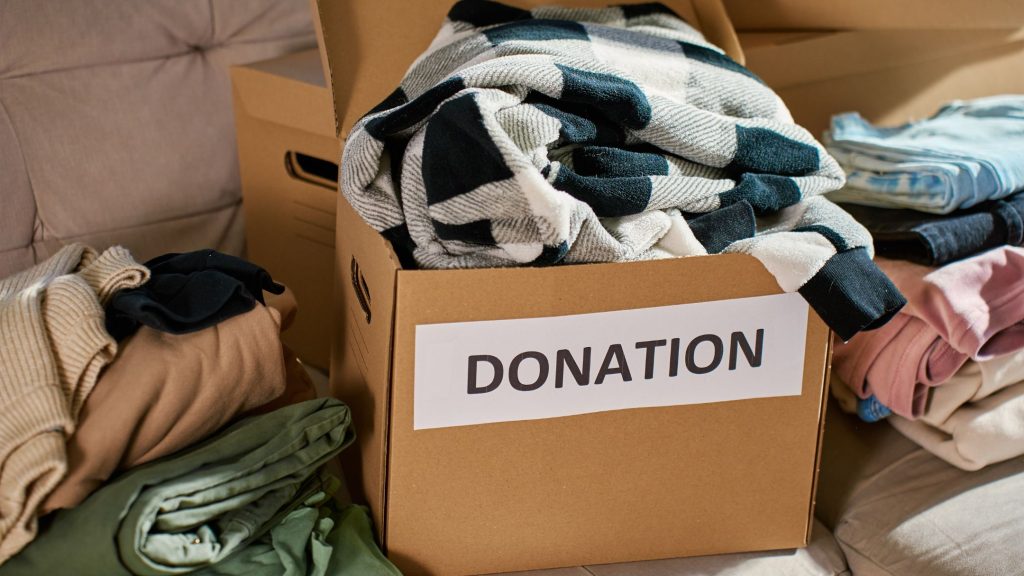
The environmental benefits extend beyond simply avoiding landfill accumulation. By reintroducing items into circulation, donation pickups reduce the need for manufacturing new products, which often involves extensive energy use, water consumption, and chemical processing. Every item rescued from disposal represents a small but meaningful step toward sustainable resource management. Communities that embrace donation services contribute to a broader movement of eco-conscious behavior, where waste is seen not as an end but as a potential resource. This perspective encourages continual innovation in recycling and upcycling initiatives, ultimately fostering a more sustainable and resilient environment for future generations.
Supporting Local Communities
Donation pickup services do more than just protect the environment; they strengthen communities. Collected items are often distributed to local charities, shelters, and nonprofits that support vulnerable populations. Furniture, clothing, and household goods become essential resources for families, individuals, and community programs, alleviating financial burdens and improving quality of life. By linking surplus resources to areas of need, donation services transform potential waste into tangible social benefits.
Furthermore, the presence of such services encourages community engagement. Residents are more likely to participate in donation programs when the process is convenient and reliable, fostering a sense of shared responsibility. Neighborhoods see increased collaboration between donors, service providers, and beneficiaries, which builds stronger social networks. This cyclical exchange of goods nurtures empathy and civic responsibility, showing that reducing waste and helping others can go hand in hand. Ultimately, donation pickups create a sustainable system that not only addresses environmental concerns but also nurtures a more connected and compassionate society.
Simplifying the Donation Process
One of the key advantages of donation pickup services is the simplicity they offer. Scheduling a pickup eliminates the need to transport heavy or bulky items to donation centers, making the process accessible for people of all ages and abilities. The convenience encourages greater participation, ensuring that more items are diverted from landfills. This ease of use is critical in motivating habitual donors, reinforcing environmentally responsible habits over time.
The services typically include assessment, collection, and transportation, leaving donors with minimal effort. Professional teams handle logistics and ensure items are delivered to the appropriate charitable organizations, maintaining quality and usability. This efficiency not only saves time but also reduces the carbon footprint associated with multiple individual trips to donation centers. By streamlining the process, these services remove common barriers to donation, making it practical and appealing to a broader segment of the population. As a result, more goods are successfully repurposed, magnifying both environmental and social benefits.
Maximizing Resource Recovery
Donation pickup services excel at recovering valuable resources from items that are still functional. Electronics, appliances, and furniture contain materials that can be reused, refurbished, or repurposed, reducing the need to extract and process raw materials. By channeling these goods into reuse pathways, these services support a circular economy, where materials remain in productive use for as long as possible.
This approach minimizes environmental degradation associated with mining, logging, and manufacturing. For instance, salvaged electronics reduce the demand for precious metals, while repurposed furniture prevents additional wood and fabric from being harvested. Recovery through donation also promotes innovation in repair, upcycling, and redistribution initiatives, encouraging local entrepreneurs and community programs to develop creative solutions for extended product lifecycles. The result is a dynamic system in which waste is transformed into opportunity, demonstrating the profound impact of thoughtfully organized donation services on both economy and environment.
Reducing Landfill Overload
Landfills are facing increasing pressure due to the sheer volume of waste generated daily. Donation pickup services act as a mitigating force by redirecting usable items away from these sites. Every piece of furniture, clothing, or household item donated represents one less object contributing to landfill overcrowding, which in turn reduces soil contamination and methane emissions.
Moreover, the long-term benefits extend to municipal waste management systems. By diverting substantial volumes of material, donation services help municipalities conserve space and reduce the frequency of landfill expansion projects. This translates to lower operational costs, less environmental disruption, and decreased energy consumption for waste processing. The cumulative effect of widespread participation in donation programs is a healthier environment and a more sustainable approach to handling surplus goods. Communities that embrace this practice witness both ecological and economic advantages, reinforcing the necessity of organized donation pickups in modern waste reduction strategies.
Fostering a Culture of Giving
Beyond environmental benefits, donation pickup services instill a culture of generosity and civic-mindedness. Donating items becomes more than a simple act of disposal; it is a way to support others, build community connections, and demonstrate social responsibility. This cultural shift promotes empathy and encourages individuals to think beyond personal convenience, recognizing the broader impact of their actions.
Schools, community centers, and local organizations often benefit from these contributions, receiving resources they may not otherwise afford. As more people engage in regular donation practices, the value of giving becomes embedded in societal norms. Communities cultivate an ethos where possessions are shared for collective good, fostering a mindset that prioritizes sustainability and social welfare over individual accumulation. The ripple effect of this cultural transformation strengthens bonds, enriches lives, and reinforces the symbiotic relationship between waste reduction and social impact.
Enhancing Recycling Efforts
Donation pickup services complement traditional recycling programs by ensuring that items unsuitable for immediate reuse are properly processed. Materials that cannot be donated are often sent to specialized recycling facilities, where metals, plastics, and other components are reclaimed. This integration ensures minimal waste while maximizing resource efficiency, creating a seamless system of diversion and reuse.
The strategic sorting and redirection performed by these services enhance the overall sustainability of waste management. By separating reusable items from recyclable components, donation pickups reduce contamination in recycling streams and improve recovery rates. This dual approach—reusing what is functional and recycling the rest—optimizes environmental outcomes. Communities benefit from reduced landfill use, lower carbon emissions, and a more efficient resource cycle. Consequently, donation services act as a crucial bridge between charitable reuse and formal recycling, creating a holistic system that addresses multiple facets of waste reduction.
Promoting Environmental Awareness
Donation pickup services contribute significantly to raising awareness about sustainable practices. By actively involving residents and businesses in responsible disposal, these programs educate the public on the importance of reuse, recycling, and mindful consumption. As people witness the tangible impact of their donations, they become more conscious of the environmental consequences of their choices.
Educational campaigns and visibility of donation operations further reinforce the importance of sustainability. Schools, neighborhoods, and workplaces are inspired to adopt environmentally friendly habits, extending beyond donation activities into daily life. Over time, this awareness shapes societal attitudes, cultivating a generation that values resource conservation and environmental stewardship. The proactive engagement fostered by donation services thus amplifies their impact, creating lasting change that extends well beyond individual transactions.
Conclusion
Donation pickup services are indispensable in reducing waste while simultaneously supporting social and environmental initiatives. By facilitating the redistribution of usable goods, they prevent unnecessary landfill contributions, conserve resources, and empower communities. These services streamline the donation process, maximize resource recovery, and foster sustainable consumer habits, illustrating how thoughtful management of surplus items can produce far-reaching benefits.
For those seeking reliable and professional junk removal assistance, 24-7 Junk Removal in Palatine, IL offers comprehensive solutions tailored to your needs. By contacting them at (773) 309-6966 or visiting their location at 611 W. Wise Schaumburg, IL 60193, residents and businesses can efficiently declutter while supporting eco-friendly and charitable initiatives. Their expertise ensures that your items are responsibly handled, donated, or recycled, reinforcing both environmental responsibility and community welfare. Engaging their services transforms clutter into opportunity, making a meaningful impact on sustainability and quality of life in Palatine and surrounding areas.