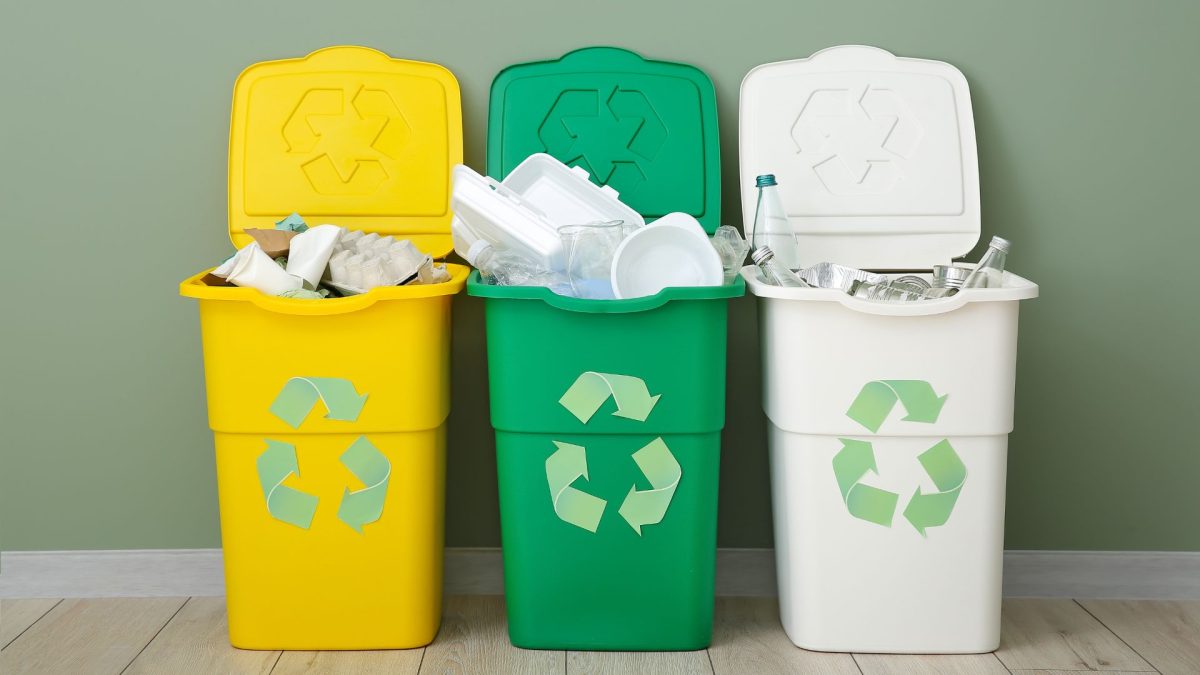
Electronic waste contains hazardous materials such as lead, mercury, and cadmium, which can seep into soil and water when improperly discarded. Disposing of e-waste responsibly prevents these harmful substances from contaminating ecosystems and reduces the long-term health risks to humans and wildlife. Beyond pollution control, proper e-waste disposal encourages the safe handling and recycling of electronics, which minimizes the release of toxic chemicals into the environment. By channeling e-waste into specialized facilities, we can ensure that dangerous compounds are contained and neutralized, preserving natural habitats and supporting the delicate balance of our ecosystems.
The practice of proper e-waste disposal also alleviates the strain on landfills, which are often overwhelmed by the sheer volume of discarded electronics. Electronics occupy significant space, and their decomposition can take decades, releasing harmful gases in the process. Responsible disposal strategies not only keep landfills manageable but also conserve the surrounding environment by preventing potential contamination. Every device recycled or disposed of correctly represents a step toward cleaner air, safer soil, and a healthier planet overall, demonstrating that small individual actions can have profound environmental impacts.
Conserving Natural Resources
E-waste is rich in recoverable materials such as gold, silver, copper, and rare earth elements. Recycling these components reduces the need for mining, which is resource-intensive and often damaging to natural landscapes. By diverting electronic devices from landfills to recycling centers, the metals can be extracted and repurposed for new products, conserving finite natural resources and reducing the ecological footprint associated with raw material extraction. This process also helps to decrease energy consumption because manufacturing products from recycled materials typically uses less energy than producing them from virgin materials, leading to reduced greenhouse gas emissions.
Moreover, conserving resources through e-waste recycling supports sustainable economic practices by creating demand for material recovery industries. These industries employ environmentally conscious processes that prioritize efficiency and sustainability. Communities benefit when e-waste is repurposed, as it promotes responsible consumption patterns, encourages innovation in recycling technologies, and reduces dependency on nonrenewable resources. Through thoughtful recycling efforts, the value embedded in electronic devices is harnessed rather than wasted, fostering a more sustainable future for subsequent generations.
Minimizing Greenhouse Gas Emissions
When e-waste is disposed of improperly, many devices end up in landfills or are incinerated, leading to the release of greenhouse gases such as carbon dioxide and methane. Proper disposal and recycling prevent these emissions, contributing to efforts against climate change. By channeling e-waste into specialized facilities, components can be recovered, and toxic materials can be neutralized safely, which significantly reduces the carbon footprint associated with electronic waste. The cumulative effect of responsible e-waste management is substantial, curbing the release of harmful gases that exacerbate global warming and climate instability.
In addition to reducing greenhouse gas emissions, responsible e-waste recycling supports energy efficiency in manufacturing processes. Metals recovered from discarded electronics require less energy to process compared to raw materials, lowering overall energy demand. This energy reduction further decreases carbon emissions associated with industrial production. By integrating e-waste disposal into climate-conscious strategies, individuals and businesses alike can actively participate in mitigating environmental damage, proving that conscientious disposal is not only beneficial for immediate pollution control but also for the broader effort to sustain planetary health.
Protecting Human Health
Improperly discarded electronics can release toxic substances that pose severe health risks. Substances like lead, cadmium, and brominated flame retardants can cause neurological damage, respiratory issues, and other chronic health problems. Proper e-waste disposal ensures that these materials are handled safely, protecting workers in recycling facilities, surrounding communities, and even future generations from exposure. Safe disposal methods involve segregating hazardous materials, following stringent guidelines, and employing environmentally sound recycling techniques, all of which minimize potential health hazards.
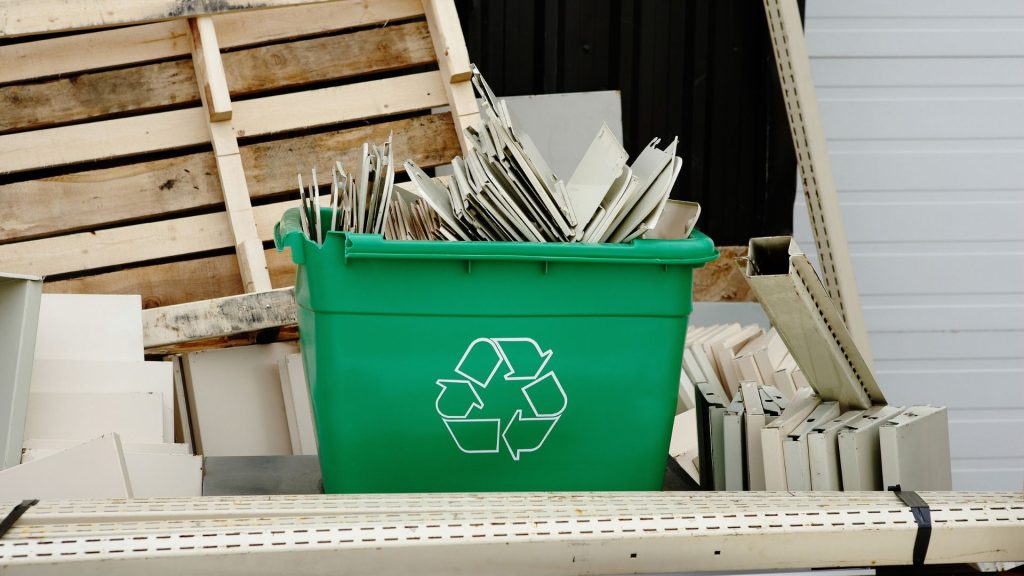
Responsible e-waste management also reduces the likelihood of informal recycling practices in developing regions, where improper handling often exposes workers to dangerous chemicals without adequate protective measures. By supporting regulated disposal channels, we help prevent these health risks on a global scale. This collective responsibility safeguards human health, highlighting the intersection of environmental stewardship and personal well-being. Proper e-waste disposal demonstrates that environmental care is inseparable from public health initiatives, underscoring the broader societal benefits of conscientious electronic waste management.
Supporting Circular Economy
E-waste recycling plays a crucial role in promoting a circular economy, where products and materials are continually reused rather than discarded. This model emphasizes sustainability by keeping materials in circulation, reducing waste, and extending the lifecycle of electronic devices. By refurbishing and repurposing components, e-waste becomes a valuable resource rather than a liability, contributing to innovative product designs and sustainable consumption patterns. Companies and individuals alike can benefit economically while contributing to environmental preservation through a circular approach to electronics.
The circular economy also fosters technological innovation, encouraging manufacturers to design devices with longevity, reparability, and recyclability in mind. This shift in production and consumption reduces the pressure on natural resources and landfill capacities. By embracing e-waste recycling as part of a circular system, communities actively participate in an environmentally responsible economy that values conservation, efficiency, and regeneration. The circular approach demonstrates how e-waste, once considered purely detrimental, can be transformed into a catalyst for ecological and economic improvement.
Preventing Soil and Water Contamination
E-waste often contains heavy metals and chemicals that, when leached into soil or water, disrupt ecosystems and contaminate food chains. Proper disposal prevents these substances from entering natural environments, safeguarding agricultural lands and freshwater sources. Recycling centers and regulated disposal facilities employ advanced techniques to neutralize hazardous materials and manage waste safely, reducing the risk of contamination. This proactive approach ensures that water bodies remain clean, soil retains its fertility, and wildlife is protected from toxic exposure.
Furthermore, by preventing soil and water contamination, responsible e-waste management enhances food safety and public health. Crops and livestock can be negatively impacted when soil or water is polluted, leading to broader societal implications. Preventative disposal measures create a ripple effect, benefiting local communities and ecosystems alike. Each electronic device disposed of responsibly contributes to the preservation of natural resources and the overall integrity of the environment, reinforcing the essential link between e-waste management and ecological protection.
Encouraging Responsible Consumer Behavior
Proper e-waste disposal instills a sense of accountability among consumers regarding the lifecycle of their electronic devices. When individuals understand the environmental impact of their discarded electronics, they are more likely to make sustainable choices, such as repairing, refurbishing, or recycling instead of discarding devices irresponsibly. Educating the public about the importance of responsible disposal fosters a culture of environmental stewardship, motivating communities to prioritize eco-friendly practices in their daily lives.
This behavioral shift also influences product development, as companies respond to consumer demand for sustainable electronics. Encouraging responsible disposal practices drives the market toward environmentally conscious innovations and promotes the adoption of green technologies. Over time, collective consumer awareness and participation in proper e-waste management can significantly reduce electronic waste generation and enhance overall environmental quality. Promoting conscientious consumption patterns is integral to achieving long-term sustainability and creating a society that values resource efficiency and environmental health.
Reducing Landfill Burden
Electronic waste occupies significant space in landfills, which are already under immense pressure from the accumulation of residential and industrial waste. By diverting e-waste to recycling facilities, the strain on landfills is alleviated, extending their operational lifespan and reducing associated environmental risks. Electronics in landfills can take decades to degrade, releasing toxic substances in the process. Proper disposal mitigates this risk, ensuring that hazardous materials are managed safely and do not pose long-term environmental hazards.
Reducing landfill burden also contributes to the optimization of waste management systems. Fewer electronic items in landfills mean less contamination, lower risk of leachate production, and easier management of other types of waste. Communities benefit from cleaner surroundings, healthier soil and water, and a more organized approach to waste disposal. By actively participating in e-waste recycling, individuals and businesses collectively reduce the pressure on landfills while contributing to a more sustainable, environmentally conscious society.
Promoting Job Creation and Economic Growth
The e-waste recycling industry generates employment opportunities in collection, transportation, sorting, and processing. These jobs not only provide income but also support economic development within local communities. By investing in sustainable e-waste disposal practices, regions can cultivate a skilled workforce and stimulate green economic growth. This industry encourages technological advancements and efficient recycling methods, further amplifying its positive impact on society and the environment.
Additionally, e-waste recycling fosters entrepreneurship by creating opportunities for businesses specializing in refurbishment, resale, and component recovery. This sector drives innovation and encourages investments in environmentally sustainable practices. The economic benefits of e-waste disposal extend beyond job creation, reinforcing the notion that environmental responsibility and economic prosperity can coexist. By participating in and supporting e-waste recycling, communities contribute to both ecological preservation and local economic resilience.
Strengthening Global Environmental Initiatives
Responsible e-waste management aligns with international efforts to combat pollution, climate change, and resource depletion. By ensuring that electronic waste is recycled or disposed of safely, communities contribute to global environmental objectives and demonstrate commitment to sustainability. Countries and organizations working together to manage e-waste can share best practices, technologies, and strategies, reinforcing worldwide initiatives aimed at protecting the planet for future generations.
Participation in these global efforts also enhances public awareness and drives collective action toward environmental preservation. Local initiatives complement international policies, creating a cohesive network of responsible practices that have measurable impacts on planetary health. Through proper e-waste disposal, communities contribute to global sustainability goals, highlighting the interconnection between individual actions and worldwide environmental well-being. Supporting these initiatives ensures that environmental stewardship becomes a shared responsibility with lasting global consequences.
Conclusion
Proper e-waste disposal offers extensive benefits, ranging from pollution reduction and resource conservation to energy efficiency and climate protection. Safeguarding soil, water, and human health while promoting responsible consumer behavior underscores the importance of incorporating effective e-waste management practices into everyday life. By transforming discarded electronics into reusable materials, we support a sustainable cycle that mitigates environmental degradation and fosters ecological balance. A proactive approach to e-waste disposal strengthens local communities and protects natural ecosystems from the harmful impacts of improperly discarded electronics, demonstrating the tangible benefits of responsible disposal.
For residents and businesses in Palatine, IL, 24-7 Junk Removal offers expert Junk Removal services that ensure e-waste is handled responsibly and sustainably. Their team provides safe collection, transportation, and recycling of electronics, contributing to a cleaner and healthier environment. Contact 24-7 Junk Removal at (773) 309-6966 or visit 611 W. Wise Schaumburg, IL 60193 to schedule service. Their commitment to eco-friendly disposal practices exemplifies how professional junk removal can support both environmental stewardship and community well-being. Support responsible e-waste management and help make a measurable difference today by reaching out to 24-7 Junk Removal.