


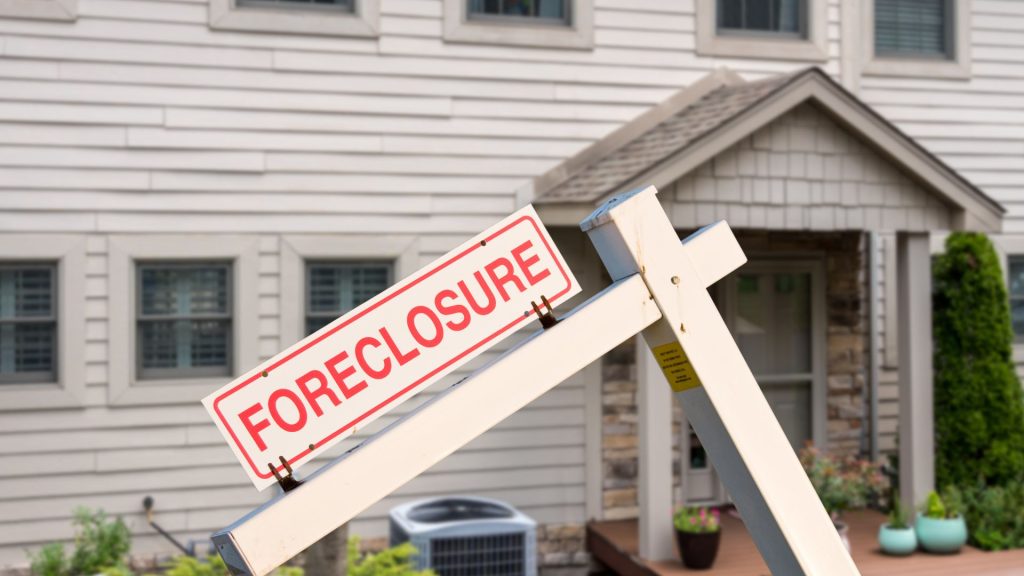
When a property is slated for foreclosure, the state of the home often reflects a period of neglect or personal transition. Tackling the cleanout without a clear understanding of what’s involved can lead to unnecessary stress and delays. A foreclosure cleanout is more than just tidying up the space. It requires assessing the property for hazardous materials, damaged furnishings, and items that cannot simply be discarded without caution. Knowing the extent of the work ahead can help plan the time, resources, and manpower needed to ensure the property is left in a condition suitable for inspection or sale. Foreclosure cleanouts often involve deep cleaning areas that homeowners may have ignored over time, such as basements, attics, and storage sheds, which may accumulate debris, forgotten furniture, or trash that has lingered through the foreclosure process.
Having a strategy in place means categorizing items into what can be recycled, what needs special disposal, and what is purely waste. Understanding local disposal regulations and guidelines ensures that the cleanout process is compliant with city ordinances, environmental policies, and safety measures. Often, scheduling a professional service helps handle items requiring expertise, such as electronics or potentially hazardous waste. Taking inventory before starting ensures nothing is overlooked and prevents duplicate efforts. A methodical approach creates efficiency and reduces the chances of last-minute surprises. By thoroughly evaluating the property beforehand, the cleanout process becomes smoother and less physically and emotionally taxing, turning a daunting task into a manageable one.
Sorting and Prioritizing Items for Removal
A successful foreclosure cleanout begins with a thoughtful approach to sorting items by type and urgency. Properties can accumulate years’ worth of belongings, ranging from personal effects to furniture, appliances, and miscellaneous debris. The first step is to determine which items need immediate removal and which can be temporarily stored or donated. Prioritizing the removal process helps avoid confusion and ensures that critical spaces such as entryways, kitchens, and bathrooms are cleared first. Working systematically through each room, starting from the most cluttered or accessible areas, prevents the process from becoming overwhelming. Sorting also helps identify materials that require special handling, such as electronics, chemicals, or fragile antiques, which cannot simply be thrown into a dumpster or left behind.
The process of prioritization also involves making decisions about sentimental items that might have value or relevance. While it’s tempting to focus solely on efficiency, taking a moment to evaluate belongings can save regrets later. Separating items for donation or resale can also support charitable initiatives, turning a challenging situation into a chance to benefit others. Additionally, labeling items and creating zones for removal improves workflow and minimizes repeated handling. A clear plan for sorting sets the foundation for a smoother cleanout, helping avoid potential hazards, wasted time, and the stress that can accompany haphazard removal. By organizing the process, every step moves closer to the ultimate goal of a cleared, prepared property.
Assessing Hazardous and Potentially Dangerous Materials
Foreclosure properties often harbor hidden dangers that require careful attention before removal. Items such as cleaning chemicals, old paint cans, asbestos-containing materials, or mold-infested furniture can pose serious risks. It is essential to identify these hazards early in the cleanout process to prevent accidents, contamination, or legal liabilities. Wearing protective gear, including gloves, masks, and sturdy footwear, is a minimum precaution for handling unknown substances. In some cases, professional intervention is necessary for materials that cannot be safely managed by homeowners, especially when it comes to electrical components, mold remediation, or structural issues. Recognizing the potential dangers ensures that the cleanout is both safe and compliant with regulations governing hazardous waste disposal.
Handling hazardous items also involves understanding the correct methods for disposal. Improperly discarding chemicals, batteries, or appliances can lead to environmental harm or fines. Foreclosure cleanouts may also reveal unexpected conditions such as water damage, pest infestations, or broken furniture that must be addressed carefully. Taking the time to inspect each room and make a plan for safe handling reduces the risk of injury and prevents delays in the cleanout schedule. By prioritizing safety and proper disposal methods, the process becomes manageable and less stressful. Awareness and preparation for potential hazards are key elements that transform a complex task into a controlled, organized effort, ultimately making the property safer for future use.
Gathering Necessary Tools and Equipment
Having the right tools and equipment is crucial when preparing for a foreclosure cleanout. While some tasks may only require basic cleaning supplies such as brooms, mops, and trash bags, larger items demand specialized equipment. Dollies, carts, and heavy-duty gloves facilitate the safe movement of furniture and appliances, while tarps and protective coverings prevent damage to floors and walls during removal. The availability of containers for recycling, donation, or temporary storage allows for organized handling of materials, minimizing clutter and wasted effort. Preparing all necessary equipment in advance ensures that the cleanout proceeds efficiently without unnecessary interruptions, delays, or frustration.
Equipping oneself for a thorough cleanout also includes arranging transportation for debris removal. Renting a truck, trailer, or scheduling a professional junk removal service ensures that bulky items, including mattresses, cabinets, and broken appliances, can be transported safely. Proper planning also involves anticipating cleaning solutions, protective gear, and disposal containers to prevent last-minute trips to hardware stores or donation centers. When all tools and equipment are ready and accessible, every step of the cleanout process flows more smoothly. This preparation not only saves time but also reduces physical strain and enhances safety, ensuring that each item is removed systematically and effectively, leaving the property in optimal condition.
Developing a Step-by-Step Cleanout Plan
Creating a clear step-by-step plan is essential for an effective foreclosure cleanout. Without a structured approach, the process can feel chaotic and exhausting, leading to skipped tasks or overlooked items. Begin by establishing a timeline for each room or area, determining which sections require immediate attention, and identifying the sequence for debris removal. Breaking the cleanout into manageable stages helps maintain focus and momentum, making the work feel less overwhelming. Each step should consider sorting, handling hazardous materials, and preparing items for disposal or donation, creating a logical flow that maximizes efficiency and minimizes unnecessary labor.
A detailed plan also includes allocating responsibilities, whether working solo or with a team. Assigning tasks based on skill level or physical ability ensures that heavier items are handled safely and fragile possessions are treated with care. Integrating cleanup and final inspection into the plan guarantees that no area is overlooked. By laying out a comprehensive sequence of actions, the foreclosure cleanout becomes organized and predictable. A step-by-step strategy promotes productivity, reduces stress, and ensures that the property is thoroughly prepared for the next phase, whether it is sale, renovation, or inspection.
Coordinating with Professionals for Assistance
While some homeowners attempt foreclosure cleanouts alone, professional assistance can save time, effort, and risk. Professional cleanout services bring experience, manpower, and specialized tools to handle the process efficiently. They can manage bulky items, hazardous waste, and unexpected complications that may arise during the cleanout. Coordinating with a professional team also ensures adherence to local disposal regulations, preventing legal issues or fines. Even when a DIY approach is chosen, consulting professionals for advice or partial assistance can streamline the project, providing guidance on logistics, necessary equipment, and safe handling practices.
Engaging with professionals also reduces the physical and emotional toll often associated with foreclosure cleanouts. They are accustomed to working in homes with clutter, damage, or safety hazards, offering solutions that homeowners may not have considered. By scheduling a service in advance, timelines become more predictable, and tasks that would otherwise take days can often be completed within hours. Professionals also offer environmentally responsible disposal methods, recycling, or donation options for items that still hold value. Collaboration with experienced teams transforms a daunting task into a structured process, ensuring that the property is thoroughly cleaned and ready for its next chapter.
Ensuring Compliance with Local Regulations
Foreclosure cleanouts are not only about clearing space but also about staying compliant with municipal, county, and state regulations. Each jurisdiction may have rules regarding the disposal of electronics, appliances, hazardous chemicals, or construction debris. Violating these rules can result in fines, delays, or legal complications. Understanding and adhering to these regulations ensures that the cleanout proceeds smoothly without unexpected interruptions. Consulting local authorities or professional services for guidance on disposal requirements protects both the homeowner and the property, while also promoting environmentally responsible practices that prevent contamination or hazards.
Compliance extends beyond disposal laws to safety codes and neighborhood ordinances. Proper handling of debris, noise considerations during the cleanout, and avoiding obstruction of public property are all important aspects. In some cases, permits may be required for large-scale removals or temporary dumpsters. Being proactive about regulations prevents complications and ensures that the cleanout meets legal standards. This attention to compliance also enhances the property’s value and appeal for future buyers or tenants. By integrating regulation adherence into the cleanout process, homeowners can approach the task confidently, knowing the work is thorough, legal, and responsible.
Handling Special Items with Care
During a foreclosure cleanout, certain items require extra care due to their size, fragility, or potential value. Antique furniture, electronics, and appliances need careful handling to avoid damage during removal. Some items may have resale or donation potential, while others may be hazardous if not managed properly. Identifying these special items early allows homeowners or professionals to create a strategy for safe extraction, transport, and disposal. Using protective wrapping, sturdy containers, and proper lifting techniques preserves their condition and ensures that the cleanout is efficient and responsible.
Special items often include electronics containing sensitive data, requiring secure disposal to prevent identity theft or privacy breaches. Similarly, appliances with refrigerants or batteries must be handled according to environmental guidelines to avoid hazards. Planning for these items reduces risks, prevents accidental damage, and can maximize potential financial or charitable benefits. Taking the time to recognize and manage special possessions ensures that every aspect of the cleanout is handled thoughtfully, leaving the property both safe and organized. This careful attention turns a potentially chaotic environment into one of control and order.
Time Management and Efficient Workflow
Effective time management is a crucial component of any foreclosure cleanout. Without allocating sufficient time and pacing the work, the process can become overwhelming and physically exhausting. Creating a schedule with defined start and end times, incorporating short breaks, and setting realistic goals for each session enhances productivity and maintains energy levels. Following a workflow that prioritizes high-impact areas first, then gradually tackling less critical spaces, helps maintain momentum and prevents the cleanout from stalling. Organizing tasks in a logical order reduces backtracking and repetitive effort, saving both time and energy.
Efficiency is also improved by anticipating potential challenges, such as unexpected debris, heavy items, or hazardous materials. Preparing solutions in advance—such as having extra gloves, bags, or disposal containers—keeps the workflow smooth and uninterrupted. Monitoring progress against the plan provides motivation and clarity, ensuring all areas receive attention. Balancing speed with careful handling avoids accidents or damage. By adopting an organized and intentional approach to time and workflow, the foreclosure cleanout can be completed efficiently, safely, and effectively, leaving the property ready for the next stage.
Maintaining Safety and Minimizing Stress
The foreclosure cleanout process can be physically demanding and emotionally taxing, making safety and stress management essential. Proper lifting techniques, protective clothing, and maintaining a clutter-free pathway reduce the risk of injury. Frequent breaks and hydration prevent fatigue, while a structured plan provides mental clarity amidst the chaos. Emotional stress can be heightened by confronting personal belongings or the state of disrepair in a property. Practicing mindfulness, delegating tasks, and celebrating small accomplishments throughout the cleanout can help reduce the psychological burden, making the work more manageable and less overwhelming.
Creating a safe environment also includes awareness of environmental hazards such as mold, broken glass, or exposed nails. Ensuring adequate lighting, ventilation, and proper disposal prevents accidents while facilitating smooth progress. Stress management techniques, including breathing exercises, pacing, and seeking professional support, can turn a potentially draining experience into one of accomplishment. By prioritizing safety and mental wellbeing, homeowners can approach foreclosure cleanouts with confidence and efficiency. The result is a cleared, organized property achieved without compromising physical or emotional health.
Conclusion
Preparing for a foreclosure cleanout requires careful planning, attention to detail, and a clear understanding of both the physical and legal aspects involved. Every step—from sorting belongings to handling hazardous materials, developing a plan, and coordinating professionals—plays a crucial role in ensuring the process is efficient and safe. Organizing the workflow, prioritizing items, and complying with local disposal regulations reduces stress while creating a controlled environment. The combination of preparation, safety measures, and strategic execution allows homeowners to transform a challenging task into a manageable project, ultimately leaving the property ready for its next chapter.
For comprehensive foreclosure cleanouts, residents in Palatine, IL, can rely on 24-7 Junk Removal for expert assistance. Their team offers full-service junk removal solutions, handling bulky items, hazardous materials, and deep cleaning tasks with efficiency and professionalism. Contacting them at (773) 309-6966 ensures that every stage of the cleanout is addressed promptly and responsibly. Located at 611 W. Wise Schaumburg, IL 60193, 24-7 Junk Removal provides environmentally responsible disposal, making the process seamless and stress-free. Their expertise turns an overwhelming job into a smooth and organized experience, giving homeowners peace of mind while restoring the property to a clean, orderly state. For inquiries, email support@24-7junk.com to coordinate services and schedule appointments for a thorough, reliable cleanout.