


Electronic waste, commonly referred to as e-waste, represents far more than just outdated or broken gadgets collecting dust in our homes. Devices such as old smartphones, computers, televisions, and tablets contain a mix of metals, plastics, and chemical compounds that can be dangerously toxic if improperly discarded. Substances like lead, mercury, cadmium, and brominated flame retardants are common in these items, and when they enter landfills, they can seep into soil, groundwater, and waterways. This contamination has the potential to disrupt local ecosystems, affect wildlife, and even threaten human health when hazardous chemicals find their way into the food chain. The invisible nature of these dangers often makes e-waste seem harmless, yet the environmental implications are profound, affecting air, water, and soil quality across communities. Understanding the risks associated with improper e-waste disposal is a critical first step in adopting safe and responsible practices that protect both people and the planet.
In addition to environmental hazards, informal and unsafe handling of e-waste can pose severe health risks. Many discarded electronics end up in regions where workers dismantle devices without proper protective equipment, exposing themselves to toxic metals and chemicals through inhalation or skin contact. Practices such as open burning, acid baths, and uncontrolled extraction of valuable metals may recover some resources but result in serious harm to workers and nearby communities. Respiratory illnesses, neurological issues, and chemical burns are common consequences of such unsafe handling methods. Recognizing the hidden dangers in our e-waste stream encourages a shift toward responsible disposal and recycling, emphasizing the importance of certified recycling channels and environmentally conscious solutions that prevent the spread of toxic substances.
The Importance of Recycling E-Waste Responsibly
Recycling e-waste is more than simply freeing up space in our homes; it is an essential environmental practice. Electronic devices often contain precious metals like gold, silver, and copper, alongside plastics and other components that can be recovered and reused. By recycling responsibly, we reduce the need for new mining operations, conserve natural resources, and prevent additional energy-intensive processes. Proper recycling also ensures that hazardous materials such as lead and mercury do not leach into the environment, mitigating the risk of soil and water contamination. Every small effort to recycle e-waste responsibly contributes to a larger goal of sustainability and environmental protection, demonstrating that even individual actions can create meaningful change in reducing the harmful impacts of discarded electronics.
It is equally important to select recycling methods and facilities that adhere to strict environmental and safety standards. Certified e-waste recyclers follow protocols designed to dismantle, process, and safely dispose of hazardous components while maximizing material recovery. Without these safeguards, e-waste can still pose a threat if it ends up in unregulated recycling streams or landfills. Ensuring your electronics are handled by certified recyclers guarantees that harmful substances are contained and recovered efficiently, preventing them from contaminating the environment. Choosing responsible recycling options demonstrates a commitment to sustainable practices, showing that careful management of e-waste can protect both natural ecosystems and public health.
Donating Functional Electronics to Extend Their Life
Before discarding electronics that are still operational, consider donating them to organizations that can put them to good use. Schools, non-profits, and community centers often rely on donations of functional devices to support educational programs and improve access to technology. By giving electronics a second life, we extend their usability, reduce overall e-waste generation, and help bridge the digital divide. Each donation contributes to a circular economy where resources are reused rather than discarded, fostering environmental responsibility while providing social benefits. Functional electronics that might otherwise sit unused can become valuable tools for learning, communication, and professional development, creating a meaningful impact for recipients.
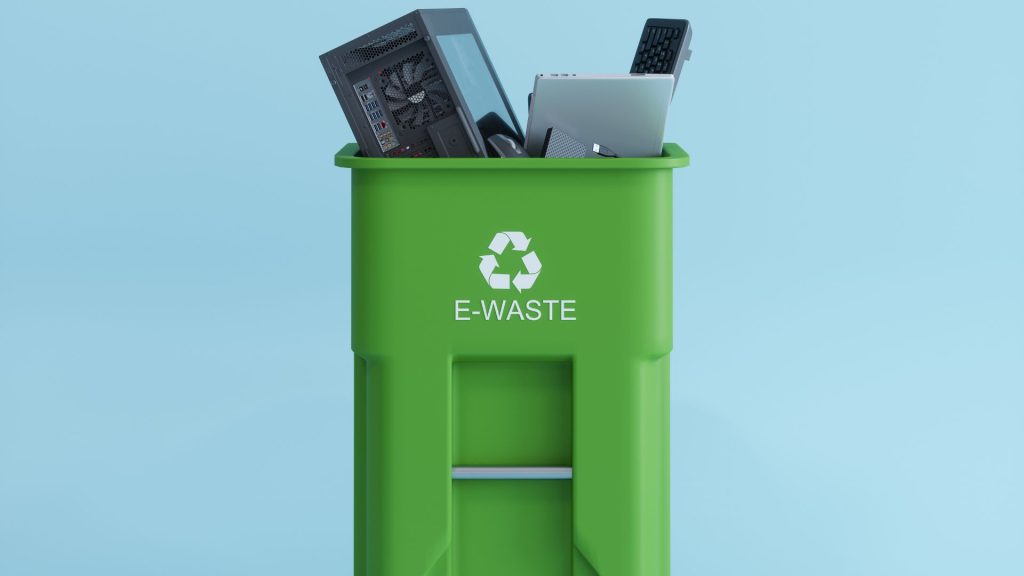
When preparing devices for donation, it is vital to remove all personal information to protect privacy. Factory resets and secure data-wiping software ensure that sensitive information is completely removed, minimizing the risk of identity theft. Additionally, cleaning and organizing the devices before donation improves their usability and lifespan for the new users. Donating electronics demonstrates a proactive approach to sustainability, emphasizing the value of reuse and responsible consumption. By redirecting functional electronics to communities in need, we reduce the environmental burden of e-waste while fostering social equity, making this practice both environmentally and socially impactful.
Properly Preparing E-Waste for Recycling
Proper preparation of e-waste before it reaches recycling facilities is essential for safe and efficient processing. Start by removing batteries, which often require separate handling due to their chemical composition and potential hazards. Backup and erase personal data to prevent identity theft, ensuring devices are completely free of sensitive information. Sorting e-waste by type—such as separating computers, monitors, and small electronics—can streamline the recycling process, making it easier for facilities to recover valuable components while safely managing toxic materials. Using protective packaging for transport reduces the risk of damage and exposure to hazardous substances, safeguarding both the recycler and the environment.
Labeling boxes clearly as containing e-waste adds another layer of precaution, guiding handlers to follow specific protocols. In some cases, certain electronics may need special attention, such as old CRT monitors or appliances containing refrigerants, which require specialized recycling processes. Taking the time to properly prepare e-waste ensures that devices are processed efficiently, hazardous materials are safely contained, and valuable resources are recovered for reuse. Responsible preparation contributes to a safer recycling ecosystem, highlighting the role of individual actions in the broader mission of sustainable e-waste management.
Choosing Certified E-Waste Recyclers
Selecting a certified e-waste recycler is critical to ensuring that your electronics are disposed of safely and responsibly. Certifications such as R2 (Responsible Recycling) and e-Stewards indicate that a recycler adheres to strict environmental, safety, and ethical standards. These facilities employ trained staff, use advanced equipment, and follow rigorous protocols to dismantle, process, and safely recycle electronics. By choosing a certified recycler, you can be confident that toxic materials are handled properly and that valuable resources like metals, plastics, and glass are recovered efficiently. Proper recycling helps prevent contamination and supports a sustainable materials lifecycle, making certification a key factor in responsible e-waste management.
Working with certified recyclers also encourages accountability in the e-waste industry. It ensures that electronics are not shipped to regions where informal or unsafe processing could occur, avoiding the risks associated with unregulated practices. Certified facilities often provide documentation or certificates of recycling, offering transparency and reassurance to consumers. By prioritizing certified recyclers, individuals and businesses alike can take meaningful action in reducing environmental harm while promoting sustainable and ethical e-waste practices. Choosing responsible partners for recycling aligns personal actions with broader environmental goals, creating a positive impact on both local and global scales.
Participating in Local E-Waste Collection Events
Many communities organize e-waste collection events to provide residents with safe and convenient disposal options. These events collect outdated or broken electronics and ensure they are processed by certified recyclers rather than ending up in landfills. Participating in local collection programs promotes responsible e-waste management, reduces environmental hazards, and encourages community engagement. Such events often provide additional services, including secure data destruction and safe handling of hazardous components, making it easier for individuals to dispose of e-waste responsibly while protecting their personal information.
Information about local collection events can typically be found through municipal websites, social media, or local waste management offices. These events often operate on a seasonal or annual schedule, providing a recurring opportunity to safely recycle electronics. Engaging in community programs fosters awareness about the importance of e-waste recycling and demonstrates a commitment to environmental stewardship. Participation also helps build a sense of collective responsibility, showing that individual efforts contribute to a larger societal shift toward sustainability and responsible electronic waste management.
Educating Others About E-Waste Disposal
Awareness and education play a crucial role in reducing the environmental impact of e-waste. By sharing knowledge about proper disposal, certified recyclers, and local collection opportunities, individuals can encourage responsible behaviors in their communities. Informing friends, family, and colleagues about the risks of improper e-waste handling fosters a culture of sustainability. Additionally, sharing resources and practical steps for preparing electronics for recycling empowers others to take action without feeling overwhelmed by technical or logistical challenges.
Organizing workshops, informational sessions, or online campaigns in local communities can amplify the message, ensuring that knowledge about responsible e-waste practices reaches a wider audience. By educating others, individuals help build a network of informed participants who collectively reduce the volume of e-waste ending up in landfills. The ripple effect of education strengthens long-term sustainability, fostering environmentally conscious habits that extend far beyond individual actions. Knowledge sharing is therefore a powerful tool in creating a community-wide impact on e-waste reduction.
Supporting Legislation for E-Waste Management
Advocating for policies that regulate and promote responsible e-waste management is essential for tackling the growing global e-waste crisis. Legislation can encourage manufacturers to design products with recyclability in mind, create incentives for recycling programs, and hold companies accountable for the environmental impact of their products. By supporting such legislation, citizens help shape a system that prioritizes sustainability, safety, and the responsible handling of electronic devices throughout their lifecycle.
Individuals can participate by engaging with policymakers, submitting feedback on proposed regulations, and voting for initiatives that enhance e-waste management. Advocacy for legislative action ensures that sustainable practices are supported at the structural level, complementing individual and community efforts. Creating a framework for responsible e-waste management at a legislative level provides long-term solutions that address systemic issues, ensuring that electronic products are managed safely and sustainably from production to disposal.
Reducing E-Waste Through Conscious Consumption
Mindful consumption is a powerful way to reduce e-waste before it is even generated. Carefully considering the need for new electronics and evaluating options for repair, refurbishment, or upgrades can significantly extend the life of existing devices. Choosing products designed for longevity and repairability helps minimize the environmental impact of frequent replacements. Avoiding electronics with planned obsolescence and supporting companies with sustainable production practices contributes to lowering overall e-waste production.
In addition, responsible purchasing encourages a culture of sustainability and accountability. Consumers who prioritize eco-friendly products and repairable designs create market pressure for manufacturers to adopt better practices. By reducing the frequency of disposal and extending the lifecycle of devices, conscious consumption directly diminishes the demand for new electronics and the volume of e-waste. Every decision to reuse, repair, or carefully select products contributes to a larger environmental benefit and helps protect natural resources from excessive exploitation.
The Role of Manufacturers in E-Waste Management
Manufacturers hold significant responsibility for the lifecycle of their electronic products. Designing devices with recyclability in mind, offering repair services, and implementing take-back programs allow consumers to return end-of-life products safely. Take-back initiatives ensure that electronics are dismantled, recycled, or refurbished in environmentally responsible ways, preventing hazardous materials from entering landfills. Manufacturers who prioritize eco-friendly design can drastically reduce the environmental footprint of their products while creating sustainable options for consumers.
Supporting manufacturers that adopt these practices strengthens the demand for responsible electronics production. Advocacy and consumer choice can influence companies to implement sustainability initiatives, including using recyclable materials, reducing toxic components, and designing products for longer usability. By holding manufacturers accountable and favoring companies with eco-conscious practices, individuals contribute to systemic changes that promote responsible e-waste management, ensuring that the industry as a whole supports environmental stewardship and resource conservation.
Conclusion
Handling toxic e-waste in an eco-friendly manner requires conscious effort, planning, and commitment. Every step, from understanding the hazards of electronic waste to responsibly recycling, donating, or preparing devices for disposal, contributes to reducing the environmental impact. By adopting safe practices, individuals can protect soil, water, and air quality while promoting a circular economy where resources are reused and extended rather than discarded. Public education, legislation, and community engagement further reinforce these efforts, creating a collective approach to sustainable e-waste management. Conscious consumer choices, such as opting for repairable electronics and supporting certified recycling, help reduce the demand for new products and minimize toxic waste generation. The responsibility lies with everyone to ensure electronic devices are handled thoughtfully, keeping the planet and human health a priority.
In Palatine, IL, 24-7 Junk Removal provides professional and eco-friendly junk removal services, ensuring that electronic waste is safely and responsibly disposed of. Their team specializes in managing all types of e-waste while adhering to environmental regulations, offering convenience and peace of mind to local residents. To schedule a pickup or learn more about their services, call (773) 309-6966 or visit 611 W. Wise Schaumburg, IL 60193. With dedicated support and responsible practices, 24-7 Junk Removal makes it easy for individuals and businesses to dispose of e-waste safely while contributing to environmental sustainability. Proper handling of toxic electronics ensures that harmful substances are contained, valuable materials are recovered, and communities are protected from environmental hazards.