Categories
Yard Waste Disposal

Yard Waste Disposal Easy and Efficient Solutions

Yard waste often accumulates faster than anticipated. From fallen leaves to overgrown shrubs, it can clutter outdoor spaces, reducing their aesthetic appeal and potentially creating hazards. Left unattended, yard debris can attract pests, hinder lawn growth, and contribute to soil erosion. Understanding the nature of yard waste is crucial to developing an effective disposal strategy. Leaves, branches, grass clippings, and other organic materials require proper handling to prevent environmental damage. This involves separating biodegradable matter from non-biodegradable items like plastics or metal fragments. Proper identification ensures that the waste can either be composted, mulched, or recycled efficiently. Ignoring yard waste not only affects the visual charm of a property but also introduces health and safety risks.

In addition to environmental concerns, yard waste poses logistical challenges. It can occupy significant space, making outdoor maintenance difficult and time-consuming. Managing the seasonal influx of debris requires planning, appropriate tools, and sometimes professional assistance. Disposal options vary, from municipal pickup services to private junk removal solutions, and choosing the right approach can simplify the process. Efficient disposal reduces clutter, promotes sustainable landscaping, and enhances the overall functionality of outdoor areas. Implementing a consistent strategy ensures that yard waste is handled responsibly, supporting both local regulations and eco-conscious practices.

Seasonal Yard Cleanup Strategies

The changing seasons bring different yard waste challenges. Spring often generates a surge of debris from fallen branches, old mulch, and leftover winter leaves. Summer requires frequent grass clipping removal to maintain healthy lawns, while autumn floods landscapes with fallen leaves and twigs. Understanding the seasonal patterns allows homeowners to anticipate workload and plan disposal activities accordingly. Maintaining a routine cleanup schedule not only preserves the yard’s appearance but also prevents organic matter from decomposing improperly, which could lead to mold or pest infestations. Seasonal cleanup is more manageable when yard waste is systematically segregated and collected.
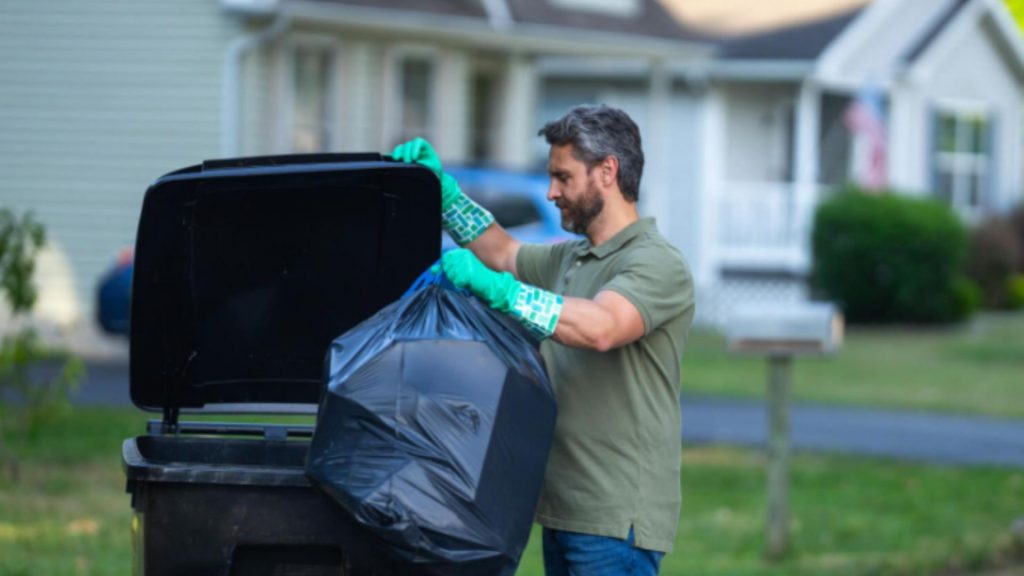
Adopting seasonal strategies also benefits the environment. Organic waste like leaves and grass clippings can be repurposed as mulch or compost, enriching soil and reducing landfill contributions. Removing dead branches and invasive plants prevents them from spreading, protecting native flora. Seasonal attention ensures a balanced ecosystem in home gardens, promoting healthier growth and sustainable maintenance practices. By staying ahead of yard waste challenges, homeowners can transform cleanup tasks from stressful obligations into structured, environmentally conscious routines.

Tools and Equipment for Efficient Disposal

Proper tools can significantly ease yard waste management. Rakes, leaf blowers, pruning shears, and wheelbarrows are essential for collecting, trimming, and transporting debris. Heavy-duty gloves, tarps, and protective gear ensure safety during physically demanding tasks. Investing in the right equipment not only streamlines the cleanup process but also reduces strain and risk of injury. Efficient collection begins with choosing tools suited to specific tasks, whether gathering leaves, cutting overgrown branches, or moving compostable matter. The selection of equipment impacts the speed and effectiveness of disposal operations.

Using tools efficiently requires technique and planning. For instance, leaves and grass clippings can be raked into piles and transported on tarps, minimizing trips to compost bins or curbside collection points. Branches and shrub trimmings benefit from pruning and bundling, which facilitates easier handling and disposal. Incorporating mechanical aids such as leaf blowers or lawn vacuums further accelerates cleanup. By combining appropriate tools with systematic methods, yard waste management becomes a smoother, less labor-intensive process that encourages regular maintenance and enhances property aesthetics.

Composting and Recycling Yard Waste

Composting represents a practical, environmentally friendly approach to yard waste disposal. Organic materials such as grass clippings, leaves, and small branches can be converted into nutrient-rich compost, improving soil quality for gardens and landscaping projects. Composting reduces the amount of waste sent to landfills and promotes sustainable gardening practices. Setting up a composting area requires minimal investment, yet it delivers long-term benefits for both the environment and the homeowner. By understanding which materials are compostable, individuals can create a consistent, renewable source of fertilizer for their yards.

Recycling yard waste extends beyond composting. Some communities offer programs for shredding branches into mulch, while other materials may be accepted at local green waste facilities. Recycling reduces landfill strain, prevents methane emissions from decomposing organic matter, and contributes to sustainable waste management. Properly sorted yard waste ensures that biodegradable items are repurposed while non-organic debris is discarded appropriately. By adopting recycling practices, homeowners not only maintain cleaner yards but also actively participate in environmentally responsible disposal strategies that benefit local ecosystems and community well-being.

Hiring Professional Yard Waste Removal Services

Professional yard waste removal services simplify disposal by handling the collection, transportation, and recycling of debris. These services offer convenience and efficiency, particularly for large properties or after significant landscaping projects. Experienced teams have the equipment, manpower, and knowledge to manage all types of yard waste safely and responsibly. By outsourcing the labor-intensive aspects of disposal, homeowners save time and reduce physical strain. Professional services also adhere to local regulations, ensuring that waste is processed correctly and sustainably.

These services are particularly beneficial during peak seasons or after storm events that generate excessive debris. Professionals provide structured removal strategies, often offering options for recycling, composting, or donation of yard materials when applicable. Their expertise ensures that waste is handled efficiently and reduces the risk of accidental property damage or injury during cleanup. Engaging a professional team transforms a tedious task into a streamlined process, allowing homeowners to enjoy clean, safe, and visually appealing outdoor spaces without the hassle of manual disposal.

Eco-Friendly Disposal Practices

Sustainable disposal of yard waste focuses on minimizing environmental impact. Techniques like composting, mulching, and recycling divert organic matter from landfills, reduce greenhouse gas emissions, and enrich soil quality. Homeowners can adopt eco-friendly practices by avoiding the use of chemical-laden bags and containers, choosing biodegradable or reusable materials instead. Eco-conscious disposal supports local biodiversity, prevents water contamination, and fosters healthier ecosystems. Small changes in handling yard waste can significantly influence the long-term sustainability of a property.

In addition, eco-friendly practices often involve evaluating the entire lifecycle of yard debris. For instance, using a shredder to convert branches into mulch minimizes waste and reduces transportation needs. Collecting rainwater to mix with compost enhances nutrient value while conserving resources. Such integrated approaches not only dispose of yard waste efficiently but also contribute to regenerative gardening practices that improve soil fertility and plant growth. By committing to sustainable disposal, homeowners protect natural resources while maintaining tidy, vibrant outdoor spaces.

Seasonal Storm Cleanup Solutions

Storms and extreme weather can dramatically increase yard waste, leaving broken branches, uprooted plants, and scattered debris. Prompt removal is critical to prevent hazards, maintain aesthetics, and protect soil integrity. Storm cleanup requires a methodical approach, focusing on safety and efficiency. Removing large or hazardous debris often necessitates professional assistance, as improper handling can result in injury or property damage. Addressing storm-related yard waste quickly preserves outdoor areas and ensures that subsequent landscaping efforts can proceed without obstacles.

Efficient storm cleanup also includes sorting debris for proper disposal. Organic materials can be repurposed into compost or mulch, while non-organic debris is segregated for recycling or landfill processing. Prioritizing debris that poses immediate danger, such as broken tree limbs near structures, ensures safety for residents and visitors. Strategic planning and organized execution of storm cleanup minimize the risk of accidents and promote environmental responsibility. By responding promptly to storm-generated yard waste, homeowners can restore their outdoor spaces effectively and sustainably.

Bulk Yard Waste Removal Tips

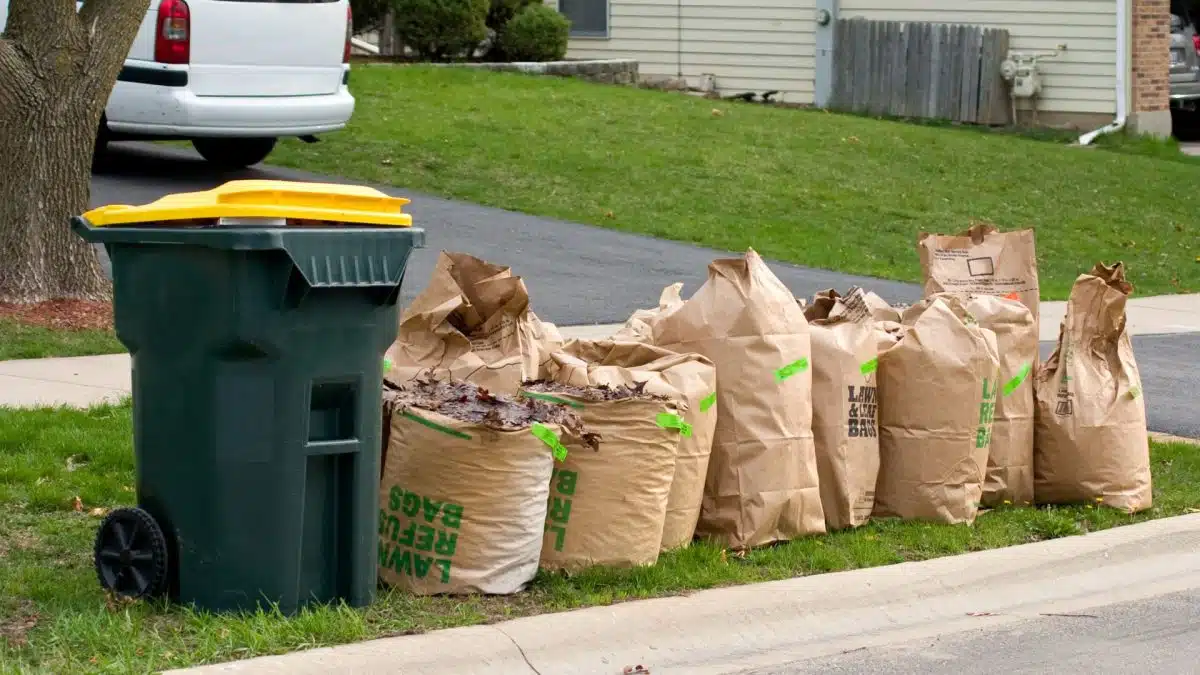
Handling large quantities of yard waste requires careful preparation. Breaking down branches, bagging leaves, and organizing clippings in manageable piles make transportation and disposal more efficient. Bulk removal often benefits from temporary storage solutions, like tarps or bins, to streamline the process. Efficient planning ensures that no debris is left behind and reduces the number of trips needed to disposal sites or recycling centers. Managing bulk yard waste with strategy and preparation optimizes both time and resources.

In addition to organization, safety considerations are critical for bulk yard waste removal. Heavy branches, thorny plants, and sharp tools require proper protective equipment and cautious handling. Dividing labor among multiple helpers or scheduling professional assistance can mitigate injury risks while accelerating cleanup. Bulk removal strategies combine efficiency, safety, and environmental responsibility, ensuring that yards remain uncluttered and well-maintained. Effective bulk disposal promotes a sense of order and cleanliness that enhances property appeal and usability.

Yard Waste and Landscape Health

Proper disposal of yard waste directly influences landscape health. Decomposing organic matter can enrich soil and support plant growth, while improperly handled waste may harbor pests or spread disease. Ensuring that leaves, clippings, and branches are disposed of or repurposed appropriately maintains soil quality and prevents negative impacts on surrounding vegetation. Healthy landscapes benefit from clean, organized spaces where waste is regularly managed.

Additionally, landscape maintenance through proper yard waste disposal encourages sustainable gardening practices. Mulching improves moisture retention, suppresses weeds, and moderates soil temperature, creating favorable conditions for plants. Composting introduces essential nutrients, reducing the need for synthetic fertilizers. Consistent attention to yard waste management ensures both aesthetic appeal and ecological balance, supporting vibrant, resilient landscapes over time. By linking disposal practices to overall garden health, homeowners achieve cleaner, safer, and more productive outdoor environments.

Long-Term Yard Waste Management Strategies

Developing a long-term yard waste management plan ensures efficiency and sustainability. Establishing a regular cleanup schedule, investing in composting or mulching solutions, and utilizing professional services when necessary create a structured approach. Predictable routines reduce clutter, prevent seasonal overload, and maintain the visual appeal of outdoor spaces. Over time, consistent strategies build healthier landscapes and encourage environmentally responsible habits.

Long-term management also considers growth trends in landscaping and seasonal variations. Tracking yard waste volume, planning for storm events, and adjusting disposal methods according to garden expansion enhances preparedness. Strategic planning incorporates both immediate and future needs, optimizing resources, time, and effort. A proactive approach to yard waste management safeguards property aesthetics, supports soil health, and reduces stress associated with sudden or overwhelming debris accumulation. By adopting a long-term perspective, homeowners achieve a balance between convenience, sustainability, and outdoor beauty.

Conclusion

Efficient and responsible yard waste disposal requires a combination of planning, tools, knowledge, and sometimes professional assistance. Incorporating practices such as composting, mulching, recycling, and seasonal cleanups ensures that outdoor spaces remain safe, visually appealing, and environmentally responsible. Whether handling daily clippings or storm-generated debris, a strategic approach prevents hazards and enhances the overall functionality of landscapes. Homeowners who prioritize yard waste management enjoy cleaner, healthier, and more organized outdoor areas, while contributing to sustainable environmental practices.

For those seeking reliable assistance, 24-7 Junk Removal in Palatine, IL offers professional junk removal services that streamline yard waste disposal. Their team handles collection, recycling, and proper disposal efficiently, ensuring compliance with local regulations and sustainability standards. To schedule service or inquire about solutions, contact them at (773) 309-6966. With a focus on convenience, safety, and eco-conscious practices, 24-7 Junk Removal transforms cluttered yards into organized, well-maintained outdoor spaces while delivering expert support tailored to homeowners’ needs.
Categories
Yard Waste Disposal

How to Ensure Safe Yard Waste Disposal

Yard waste might seem harmless, but leaving it unattended or disposing of it carelessly can introduce unexpected hazards. Overgrown branches, sharp thorns, and hidden debris can create physical dangers, not only for your family but also for wildlife and neighbors. Moreover, decomposing plant material left in piles can attract pests or foster mold and bacteria that compromise soil and air quality. Recognizing these risks is the first step toward responsible yard management. Planning ahead allows you to handle every branch, leaf, and blade of grass thoughtfully, transforming a simple cleanup into a safe and eco-conscious activity.

Environmental impact also plays a crucial role. Improper disposal, such as burning yard waste or dumping it in unauthorized areas, can pollute local waterways and soil. Even composting, when done incorrectly, can lead to leachate or odors that affect nearby residents. By understanding the consequences of careless yard waste disposal, homeowners can make informed decisions that protect their community, maintain property value, and promote a healthier ecosystem. Taking the time to organize and categorize waste, and knowing safe disposal methods, ensures a cleaner, safer environment for everyone.

Segregating Yard Waste for Safety

Sorting yard waste according to type and size is an essential practice for safe disposal. Leaves, branches, grass clippings, and large tree limbs all require different handling methods. For instance, small organic matter can often be composted, while larger wood pieces may need chipping or professional collection. Keeping materials separated reduces the risk of injury and makes subsequent disposal more efficient, avoiding unnecessary strain on your body or equipment. Proper segregation also simplifies recycling and composting processes, helping to divert waste from landfills and support sustainability.

Segregation is also a matter of hygiene and environmental responsibility. Mixing organic waste with plastics, metals, or chemicals can contaminate compost and limit its usefulness. Additionally, combining dry and wet plant material without care may create conditions for mold growth, which can affect both personal health and soil quality. Establishing clear zones for each type of yard debris not only safeguards physical well-being but also promotes a more organized, methodical cleanup process. Over time, this habit reduces clutter and supports a cleaner, healthier yard environment.

Using Protective Gear During Yard Cleanup

Even seemingly minor yard chores carry potential hazards, making personal protective equipment indispensable. Gloves, sturdy footwear, and eye protection shield against cuts, splinters, and irritants such as poison ivy. For heavier work, helmets or protective jackets may prevent serious injuries from falling branches or equipment mishaps. Equipping yourself properly ensures that every cleanup session prioritizes safety without compromising efficiency, letting you work confidently and avoid preventable accidents.

Protective gear also helps minimize long-term health concerns. Prolonged exposure to dust, pollen, and chemical fertilizers can trigger respiratory problems, skin irritation, or allergic reactions. Wearing appropriate clothing, masks, and durable gloves can reduce such exposure, preserving overall well-being. Moreover, the consistent use of protective gear sets a standard for safe habits, reinforcing the importance of caution when handling yard waste. Investing in quality equipment translates to fewer interruptions, faster cleanup, and greater confidence during even the most labor-intensive tasks.

Safe Tools and Equipment for Yard Waste Removal

Selecting the right tools enhances both safety and efficiency. Pruning shears, rakes, and wheelbarrows should be maintained in good condition to prevent accidents. Blunt or damaged tools increase the likelihood of slips, cuts, or broken handles, turning a simple cleanup into a potential hazard. Power equipment, such as chainsaws or lawnmowers, requires careful handling, proper training, and adherence to manufacturer guidelines. Understanding your tools and their limitations is essential to preventing injuries and ensuring the yard waste disposal process remains smooth and controlled.

Equipment safety also extends to storage and preparation. Keeping sharp or motorized tools in a secure location prevents accidental contact, especially by children or pets. Additionally, checking cords, blades, and other moving parts before each use reduces the risk of malfunctions during operation. Proper tool management contributes not only to immediate safety but also to the longevity and performance of equipment, allowing for repeated, efficient yard maintenance. Combining knowledge with preparation fosters a safer, more predictable cleanup routine for any property.

Composting Yard Waste Safely

Composting transforms organic yard debris into valuable soil enrichment while reducing landfill burden. However, improper composting can introduce safety concerns. Ensuring adequate aeration, moisture balance, and temperature control prevents harmful bacteria growth or foul odors. Avoiding composting meat, dairy, or diseased plants helps maintain a healthy, safe compost pile. Following proper guidelines ensures that your composting process is environmentally friendly, hygienic, and productive.

Composting also requires strategic placement. Piles should be situated away from pathways and structures to minimize pests and accidental contact. Turning compost regularly accelerates decomposition and reduces the likelihood of compacted layers where bacteria or mold could thrive. By carefully monitoring the pile and understanding the science behind decomposition, homeowners can create nutrient-rich compost that benefits gardens while eliminating hazards associated with unmanaged organic waste.

Mulching and Recycling Yard Materials

Mulching yard waste can enhance garden health while providing a sustainable way to reuse organic material. Shredded leaves, grass clippings, and small branches create protective layers that retain soil moisture and suppress weeds. Using yard materials in this manner reduces the need for synthetic products while giving plant beds natural nutrients. By repurposing organic debris, homeowners not only improve garden aesthetics but also contribute to an environmentally conscious disposal method.

Recycling yard materials also involves thoughtful collection and processing. Some municipalities offer yard waste drop-off sites, while others provide curbside pickup services. Ensuring that materials are free of contaminants such as plastic or treated wood prevents recycling facilities from rejecting them. Consistent attention to these details allows homeowners to support sustainable waste practices while maintaining a tidy, healthy yard space. Proper mulching and recycling practices ultimately reduce environmental impact and streamline yard management.

Safe Transportation of Yard Waste

Transporting yard waste requires careful planning to prevent accidents or environmental contamination. Loose debris in vehicles can shift unexpectedly, potentially damaging property or causing injuries. Using secure containers or tarps ensures that leaves, branches, and clippings remain contained during transit. Whether heading to a local composting facility or arranging pickup, careful transport safeguards both the homeowner and the surrounding area.

Vehicle preparation and load distribution also matter for safety. Overloading a truck or trailer can compromise handling, brakes, and visibility, increasing the likelihood of accidents. Arranging waste in stable, balanced layers prevents tipping or spillage. Planning the transport route to avoid high-traffic areas or uneven terrain further reduces risk. Thoughtful handling during transportation ensures yard waste reaches its destination efficiently, safely, and with minimal environmental disruption.

Understanding Local Yard Waste Regulations

Awareness of municipal or county regulations is crucial for legal and safe yard waste disposal. Many areas specify acceptable disposal methods, collection schedules, and prohibited items. Ignoring these rules may result in fines or the need to retrieve improperly discarded waste. Familiarity with local guidelines ensures compliance and promotes community responsibility while protecting the environment from potential hazards caused by inappropriate disposal practices.

Regulations often address more than collection logistics, covering composting standards, chemical treatment restrictions, and green waste recycling requirements. Engaging with these rules provides clarity about what can be safely disposed of at home versus what requires professional handling. Staying informed empowers homeowners to make responsible decisions and avoid hazards linked to illegal dumping or unsafe yard waste handling. Knowledge of regulations supports a safer, cleaner neighborhood and reinforces sustainable yard management practices.

Engaging Professional Yard Waste Services

Hiring trained professionals can significantly enhance safety and convenience. Experienced teams have the equipment and knowledge to handle large volumes of yard waste, including branches, heavy soil, and garden debris. Professionals ensure that waste is disposed of according to environmental standards, reducing the risk of injury or contamination while saving homeowners considerable effort and time. Professional involvement also helps maintain a clean, orderly property throughout the disposal process.

Working with experts also provides peace of mind. They handle transportation, lifting, and disposal in a controlled, efficient manner, often incorporating recycling or composting strategies that align with sustainability goals. Their experience with safe handling techniques and hazardous materials ensures that potential risks are mitigated. Homeowners can focus on other aspects of property maintenance or personal tasks, knowing that yard waste management is being executed professionally and responsibly.

Seasonal Preparation for Yard Waste Disposal

Planning for seasonal changes can prevent yard waste buildup and associated hazards. Autumn leaves, spring pruning, and summer garden debris all require distinct handling approaches. By anticipating seasonal needs, homeowners can organize cleanup schedules, secure proper disposal containers, and ensure protective equipment is ready. Seasonal preparation reduces last-minute chaos, promotes safety, and encourages consistent yard care throughout the year.

Seasonal planning also supports environmental and aesthetic benefits. Regular removal of debris prevents fungal growth, insect infestations, and unsightly accumulation. Scheduling yard cleanup around seasonal shifts allows for composting, mulching, or professional removal services to be integrated smoothly into property maintenance routines. Thoughtful seasonal strategies create safer spaces, preserve landscaping integrity, and foster a proactive approach to yard waste management.

Conclusion

Ensuring safe yard waste disposal requires a combination of careful planning, protective measures, and environmental awareness. Homeowners who invest time in sorting debris, using proper equipment, and following safe handling practices reduce risks of injury and contamination. Whether it’s through composting, mulching, or professional collection, a thoughtful approach creates a cleaner, safer outdoor environment that benefits the entire community.

For residents in Palatine, IL seeking reliable assistance, 24-7 Junk Removal provides professional Junk Removal services that prioritize safety and efficiency. Their team is equipped to handle all yard waste challenges while following environmentally responsible practices. Contact 24-7 Junk Removal at (773) 309-6966 or visit them at 611 W. Wise Schaumburg, IL 60193 for dependable and safe yard waste disposal solutions. Email inquiries can be sent to support@24-7junk.com, ensuring that every yard cleanup is managed with expertise and care.

Categories
Yard Waste Disposal

A Simple Guide to Yard Waste Disposal

Yard waste is more than just leaves and grass clippings. It includes branches, shrubs, and other organic debris that accumulate in your yard over time. Ignoring this waste can lead to clogged gutters, overgrown lawns, and even pest infestations. Proper disposal not only keeps your outdoor space visually appealing but also contributes to a healthier environment. Composting, for example, turns yard debris into nutrient-rich soil that benefits plants and reduces landfill waste.

Managing yard waste responsibly requires awareness and planning. Seasonal changes, weather conditions, and the types of plants in your yard all influence how quickly organic materials accumulate. Mulching can help minimize yard waste by breaking down leaves and grass into natural fertilizer. Additionally, understanding local regulations for yard waste collection ensures that you remain compliant while maintaining the aesthetic and ecological balance of your property. By adopting thoughtful disposal methods, homeowners can create cleaner, greener outdoor spaces that reflect care and sustainability.

Sorting and Preparing Yard Waste

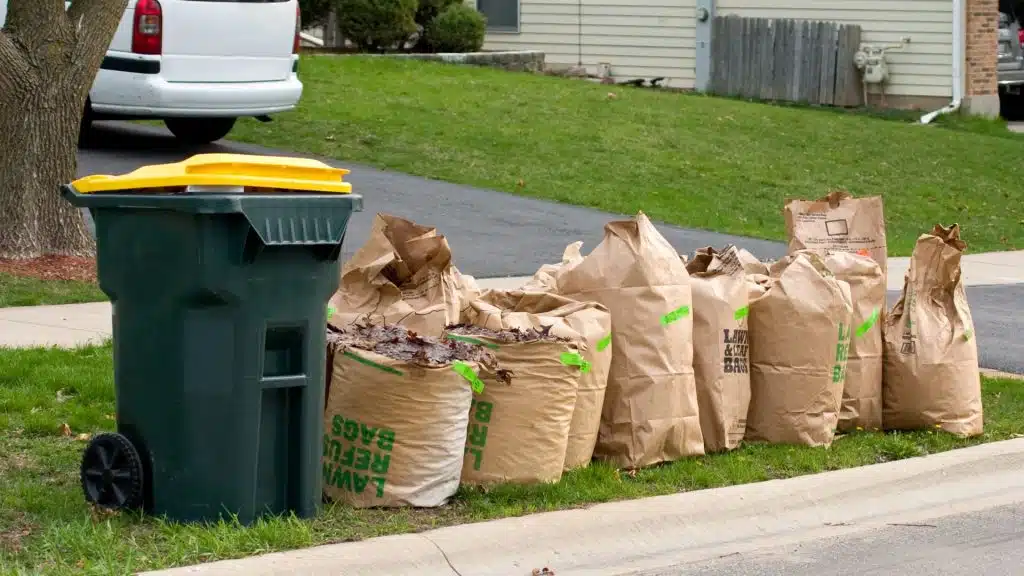
Effective yard waste disposal begins with proper sorting. Separating organic materials like leaves, grass, and branches from non-organic items such as plastics or metals ensures efficient recycling and composting. By organizing debris before disposal, you can reduce the strain on collection services and avoid contamination that prevents composting. Preparing yard waste by bagging or bundling it according to local guidelines simplifies pickup and ensures that materials are processed correctly.

Preparation also involves considering the size and weight of the waste. Large branches may need to be cut into manageable lengths, while wet leaves should be drained to prevent excessive weight. Using biodegradable bags or reusable containers promotes sustainability and makes handling easier. When yard waste is sorted and prepared thoughtfully, disposal becomes a smoother, safer process that benefits both homeowners and the environment. This organized approach encourages long-term maintenance habits and minimizes the ecological footprint of routine landscaping tasks.

Composting for Sustainable Disposal

Composting is one of the most environmentally friendly ways to manage yard waste. By turning organic debris into nutrient-rich compost, homeowners can enhance soil health, reduce the need for chemical fertilizers, and lower landfill contributions. Leaves, grass clippings, and small branches are ideal materials for compost piles, which can be created in bins or designated garden areas. Regularly turning the compost ensures proper aeration, accelerates decomposition, and produces a high-quality soil amendment for lawns and gardens.

Composting not only diverts yard waste from landfills but also improves the resilience of your garden. Rich compost improves water retention, supports plant growth, and fosters a thriving ecosystem for beneficial insects and microorganisms. Homeowners who embrace composting gain a cost-effective and sustainable method for yard waste management. By dedicating space and effort to this process, gardens flourish naturally, and the environmental impact of everyday yard maintenance is significantly reduced, making composting a smart, eco-conscious choice.

Local Regulations and Collection Services

Understanding local yard waste regulations is crucial for proper disposal. Many municipalities have specific rules regarding collection schedules, acceptable materials, and packaging requirements. Familiarity with these guidelines prevents fines and ensures that yard waste is processed efficiently. Local services may offer curbside pickup, drop-off sites, or composting facilities, each with distinct rules for preparation and delivery. Staying informed allows homeowners to align their disposal practices with community expectations while maintaining clean and safe outdoor spaces.

Collection services vary in frequency and type, with some offering seasonal or year-round pickups. Knowing whether materials must be bagged, bundled, or placed in designated containers is essential for compliance. Additionally, some communities provide educational resources to help residents reduce waste through composting or recycling programs. By taking advantage of available services and following local regulations, homeowners can ensure responsible yard waste disposal that supports environmental sustainability and neighborhood cleanliness.

Yard Waste Disposal Equipment and Tools

The right tools simplify yard waste management and reduce physical strain. Rakes, leaf blowers, pruners, and wheelbarrows make it easier to gather and transport organic debris. Investing in durable, ergonomic equipment enhances efficiency and safety while reducing the time spent on repetitive tasks. Equipment choice should match the size of your property and the volume of waste generated, ensuring that cleanup is manageable and effective.

In addition to traditional tools, specialized containers or bins designed for yard waste improve handling and organization. Compost bins, garden carts, and biodegradable bags support sustainable practices while minimizing mess. By using appropriate tools, homeowners can streamline yard maintenance, prevent injuries, and promote eco-friendly disposal methods. Consistently applying proper equipment in daily or seasonal yard work encourages a cleaner, healthier outdoor environment while reinforcing responsible waste management habits.

The Role of Recycling in Yard Waste

Recycling is an essential component of comprehensive yard waste disposal. Materials such as branches and grass clippings can be processed into mulch or compost, diverting organic matter from landfills. Recycling yard waste conserves natural resources, reduces greenhouse gas emissions, and promotes soil health. Homeowners who engage in recycling practices contribute to a circular ecosystem where waste becomes a valuable resource, fostering sustainability in their local communities.

Beyond composting, some recycling programs accept wood chips, leaves, and other yard debris for municipal landscaping projects. Participating in these initiatives supports community beautification efforts and encourages responsible environmental stewardship. By separating recyclable organic matter and following local recycling guidelines, homeowners can reduce their environmental impact and enhance the longevity and productivity of gardens and green spaces. Integrating recycling into yard maintenance reinforces sustainable practices that benefit both individuals and the broader community.

Seasonal Yard Waste Strategies

Yard waste varies with the seasons, requiring adaptive strategies for effective disposal. Spring often brings an abundance of new growth, while autumn results in fallen leaves and dead plants. Each season demands tailored approaches, from mulching fresh grass clippings to composting autumn leaves. Recognizing these patterns allows homeowners to anticipate the volume and type of yard waste, creating a consistent and manageable disposal routine.

Seasonal planning also minimizes ecological disruption. For example, leaving certain plant materials over winter can provide shelter for wildlife, while spring cleanup ensures healthy regrowth. Adapting disposal methods according to seasonal changes enhances sustainability and reduces the effort required for yard maintenance. By understanding the cyclical nature of yard waste, homeowners can implement practical, efficient strategies that maintain a balanced landscape year-round.

Hazardous Yard Waste Considerations

Certain yard materials require careful handling due to potential hazards. Pesticide-treated plants, chemically treated wood, or thorny branches can pose health risks if not disposed of properly. Identifying and segregating hazardous items protects both homeowners and waste management personnel. Local guidelines often outline safe disposal procedures for these materials, including specialized collection or treatment methods.

Proper handling of hazardous yard waste ensures compliance with regulations while minimizing environmental harm. Using gloves, protective clothing, and designated containers can prevent injuries and contamination. Homeowners who prioritize safety in yard waste management reduce the risk of accidents, safeguard local ecosystems, and uphold community standards. Integrating hazard awareness into disposal routines reinforces responsible stewardship and protects both people and nature from preventable harm.

Community Yard Waste Programs

Engaging with community programs enhances yard waste management and fosters shared responsibility. Many municipalities offer drop-off sites, composting workshops, or neighborhood cleanup events. Participating in these programs provides access to additional resources, promotes knowledge sharing, and encourages eco-friendly practices. Community involvement transforms yard maintenance from an individual task into a collective effort, improving local environmental quality and public spaces.

Community programs also provide opportunities for reducing overall waste through donations or resource sharing. Leaves, branches, and other organic debris can be repurposed for communal gardens or landscaping projects. By integrating local initiatives into yard waste disposal routines, homeowners contribute to sustainable practices, strengthen community ties, and create greener, healthier neighborhoods. These programs reinforce the notion that responsible waste management benefits everyone, extending beyond private properties to the wider environment.

Professional Yard Waste Disposal Services

Professional yard waste services offer an efficient solution for homeowners with large volumes of debris or limited time. Experts handle collection, transport, and proper disposal, ensuring compliance with local regulations and sustainable practices. Hiring professionals reduces physical strain, prevents injuries, and guarantees that waste is processed responsibly, providing peace of mind for busy households or extensive properties.

These services often include equipment, labor, and disposal expertise, making them ideal for spring cleanups, storm damage, or large landscaping projects. Professionals can also advise on composting, recycling, and mulch creation, maximizing the environmental benefits of yard waste. By outsourcing disposal tasks to trained specialists, homeowners save time, improve yard aesthetics, and contribute to sustainability efforts. Professional assistance transforms yard maintenance from a daunting chore into a streamlined, eco-conscious process.

Conclusion

Proper yard waste disposal is essential for maintaining a healthy, attractive, and environmentally responsible outdoor space. By sorting materials, engaging in composting, following local regulations, and utilizing appropriate tools, homeowners can manage yard debris efficiently. Sustainable practices such as recycling, seasonal strategies, and hazard awareness reduce environmental impact while promoting long-term garden health. Community engagement and professional services provide additional support, ensuring that yard maintenance remains practical, safe, and effective throughout the year.

For reliable and efficient yard waste removal, 24-7 Junk Removal in Palatine, IL, offers comprehensive junk removal services. Their team ensures all materials are disposed of responsibly, helping homeowners maintain clean and sustainable outdoor spaces. Contact 24-7 Junk Removal at (773) 309-6966 or visit 611 W. Wise Schaumburg, IL 60193 to schedule professional assistance. You can also reach them via email at support@24-7junk.com to discuss your yard waste disposal needs and receive expert guidance tailored to your property.

Categories
Yard Waste Disposal

Efficient and Eco-Friendly Yard Waste Disposal

Yard waste, often overlooked, can quietly pile up in our gardens and yards, creating both aesthetic and ecological concerns. Grass clippings, leaves, branches, and plant trimmings, when left unmanaged, decompose in ways that may harm the surrounding environment. Improper disposal, such as burning or dumping in landfills, releases greenhouse gases, contributes to air pollution, and consumes valuable landfill space. Addressing yard waste responsibly means recognizing the potential environmental toll of negligence and opting for methods that support sustainability. Composting, mulching, and recycling yard debris not only reduce waste but also enrich soil, conserve water, and promote healthier plant growth. Integrating these eco-conscious strategies into routine yard maintenance ensures that gardens remain vibrant and ecosystems protected.

Adopting eco-friendly yard waste practices involves more than just dumping clippings in a compost pile. It’s about creating a cycle where organic matter is returned to the soil as nutrients, reducing the need for chemical fertilizers. Mulching leaves and branches on-site conserves moisture and limits erosion while naturally fertilizing lawns and garden beds. Community programs and local services may offer collection and recycling options that guarantee green waste is repurposed effectively. By understanding the consequences of improper disposal and actively seeking sustainable alternatives, homeowners can make informed choices that protect both their property and the planet for future generations.

Composting as a Natural Recycling Method

Composting is one of the most effective ways to manage yard waste while simultaneously benefiting your garden. This natural decomposition process transforms leaves, grass clippings, and small branches into nutrient-rich humus that can improve soil structure, retain moisture, and provide essential nutrients to plants. Unlike conventional disposal methods, composting reduces the volume of waste sent to landfills, minimizes methane emissions, and supports local biodiversity by encouraging earthworm activity. Composting can be implemented at any scale, from small backyard bins to larger community composting projects, making it accessible for all homeowners seeking a sustainable solution.

Effective composting requires a balanced mix of “green” and “brown” materials, combining nitrogen-rich waste such as grass clippings with carbon-rich components like dry leaves or shredded branches. Turning the pile regularly aerates the compost, accelerates decomposition, and prevents unpleasant odors. Homeowners can also leverage composting to reduce dependency on chemical fertilizers, creating a closed-loop system that benefits both plants and the environment. With patience and careful management, composting not only diverts yard waste from landfills but also enhances soil health, reduces water usage, and contributes to a greener, more resilient ecosystem.

Mulching for Soil Health and Water Conservation

Mulching is a practical and eco-friendly method for managing yard waste while simultaneously nurturing your garden. By shredding leaves, grass, and small branches into mulch, you create a protective layer that retains soil moisture, suppresses weeds, and moderates temperature fluctuations in garden beds. This natural barrier also decomposes over time, adding organic matter back into the soil and improving its structure and fertility. Mulching is a versatile technique that can be applied to flower beds, vegetable gardens, and around trees, providing both aesthetic appeal and functional benefits.

In addition to improving soil health, mulching contributes to water conservation by reducing evaporation, which is especially valuable during hot and dry periods. It also mitigates soil erosion and runoff, preventing valuable topsoil from being washed away during storms. Utilizing yard waste for mulch is an efficient way to reduce reliance on synthetic landscaping products while promoting sustainable gardening practices. By transforming organic debris into a beneficial resource, homeowners can close the loop on waste management, create a healthier yard, and support the environment without extra effort or cost.

Efficient Collection and Transportation Techniques

Efficient yard waste disposal starts with thoughtful collection and transportation. Proper segregation of leaves, branches, grass clippings, and other organic debris ensures that each type of material is processed in the most suitable way, whether it’s composting, mulching, or recycling. Utilizing sturdy containers, biodegradable bags, or dedicated green waste bins simplifies the collection process and keeps the yard tidy. Additionally, consolidating waste before transport minimizes the number of trips required, reducing fuel consumption and environmental impact. Organized collection not only saves time but also ensures that yard waste is handled responsibly.

Transporting yard waste efficiently involves planning routes, using vehicles that can accommodate different types of debris, and avoiding unnecessary trips. Local recycling centers or municipal collection services often provide guidelines for separating organic materials, which ensures they can be processed correctly. Some services offer curbside pickup for yard waste, while others accept bulk drop-offs for larger projects. Homeowners who adopt these methods reduce the risk of improper disposal, prevent contamination of other recyclables, and contribute to broader environmental sustainability. By thinking ahead and managing yard waste strategically, the disposal process becomes both practical and eco-conscious.

The Role of Local Regulations in Yard Waste Management

Local regulations play a crucial role in shaping responsible yard waste disposal. Municipalities often provide rules regarding collection schedules, acceptable materials, and approved disposal sites to prevent environmental hazards and maintain community aesthetics. Understanding and adhering to these regulations ensures that yard waste is not only removed efficiently but also processed in ways that minimize ecological impact. Compliance helps reduce fines and promotes a culture of environmental responsibility among residents, reinforcing sustainable habits on a neighborhood scale.

Regulations may dictate separation of organic materials, the use of biodegradable bags, and restrictions on burning or illegal dumping. Many cities also offer educational resources, curbside collection programs, and designated composting facilities to support eco-friendly practices. By familiarizing themselves with these guidelines, homeowners can integrate legal compliance with environmental stewardship, making yard waste management easier and more effective. Observing local rules ensures that every disposal effort contributes positively to both community well-being and broader sustainability goals.

Leveraging Professional Yard Waste Services

Professional yard waste services offer a convenient solution for homeowners seeking efficient disposal without compromising environmental responsibility. These services provide trained personnel, proper equipment, and systematic processes to collect, transport, and recycle yard waste safely and effectively. Leveraging professional expertise can save time, reduce physical strain, and guarantee that organic materials are handled in compliance with environmental regulations. This approach ensures that yard debris is not only removed promptly but also repurposed through composting, mulching, or donation programs whenever possible.

In addition to efficiency, professional services often have established partnerships with recycling centers and municipal programs, ensuring that waste is diverted from landfills whenever possible. Homeowners can benefit from customizable services tailored to their specific yard size, type of waste, and disposal preferences. By outsourcing yard waste management to experts, individuals gain peace of mind knowing that their efforts contribute to a cleaner environment, healthier soil, and sustainable community practices. The convenience and ecological benefits make professional assistance a worthwhile consideration for responsible yard maintenance.

Seasonal Yard Waste Strategies

Seasonal changes influence the type and volume of yard waste, necessitating tailored disposal strategies throughout the year. Spring and summer typically produce abundant grass clippings, pruning debris, and garden trimmings, while autumn generates large amounts of fallen leaves and branches. Winter, though less intensive, may require removal of storm-damaged trees and shrubs. Adapting disposal techniques to seasonal variations ensures that yard waste is managed effectively and efficiently, preventing accumulation and promoting continuous garden health.

Homeowners can implement season-specific strategies such as creating leaf compost piles in autumn, mulching freshly trimmed branches in summer, or scheduling storm debris removal in winter. Seasonal planning also allows for coordinated use of professional services or municipal collection programs, maximizing efficiency and minimizing environmental impact. By anticipating changes in yard waste patterns and adjusting disposal methods accordingly, individuals can maintain a clean, sustainable, and resilient landscape throughout the year.

Reducing Chemical Use Through Organic Yard Practices

Minimizing the use of chemical fertilizers and pesticides in yard maintenance aligns closely with eco-friendly waste disposal. Organic yard practices, including composting and mulching, naturally enrich the soil, promote healthy plant growth, and reduce the need for synthetic additives. By adopting these methods, homeowners prevent harmful chemicals from leaching into groundwater, preserve soil microbiomes, and support pollinators and other beneficial organisms. Managing yard waste organically transforms debris into a valuable resource rather than a potential environmental hazard.

Integrating organic methods into daily yard care also complements sustainable disposal efforts. For instance, grass clippings and plant trimmings can be returned to the soil to provide nutrients, reducing dependency on commercial fertilizers. Leaves and branches can be mulched to maintain soil moisture and suppress weeds, cutting down the need for chemical herbicides. Through consistent application of organic practices, yard waste becomes part of a closed-loop system that nurtures the environment, enhances soil fertility, and contributes to a greener, healthier home landscape.

Community and Neighborhood Initiatives

Community engagement amplifies the impact of eco-friendly yard waste management. Neighborhood programs that organize composting, recycling, or collective clean-up days foster collaboration, reduce individual workload, and ensure that yard waste is handled sustainably. Participation in such initiatives strengthens community ties, promotes environmental education, and encourages residents to adopt long-term, responsible practices. Collective action also increases the volume of organic material that can be effectively recycled, composted, or repurposed, amplifying the benefits beyond individual households.

These initiatives may include local compost exchanges, community gardens utilizing shared organic waste, or organized curbside pickups that streamline disposal for multiple households. By working together, communities can reduce landfill contributions, promote greener public spaces, and inspire sustainable habits. Residents benefit from shared resources, knowledge, and labor, making eco-friendly yard waste management more accessible and efficient. Embracing collaborative efforts ensures that environmental stewardship becomes a shared value, strengthening both neighborhoods and the broader ecosystem.

Innovative Technologies in Yard Waste Management

Advancements in technology are transforming yard waste disposal into a more sustainable and efficient process. Innovations such as biomass shredders, composting accelerators, and smart collection systems allow for faster, cleaner, and more environmentally friendly processing of organic materials. These tools enhance the effectiveness of recycling and composting, reduce greenhouse gas emissions, and enable homeowners to manage yard waste with minimal effort. Technological integration supports precision in waste separation, processing, and transportation, contributing to a more sustainable cycle of reuse.

Smart devices and automated systems can track yard waste quantities, schedule collections, and optimize transportation routes to reduce fuel consumption. High-capacity shredders and mulching machines transform large debris into usable materials more quickly, facilitating on-site composting or mulch production. By embracing these innovations, homeowners and service providers can maximize efficiency while minimizing ecological impact. Technology not only streamlines yard waste management but also supports long-term sustainability goals, ensuring that organic debris becomes a valuable asset rather than a burden on the environment.

Economic and Environmental Benefits of Efficient Disposal

Efficient and eco-friendly yard waste disposal delivers significant economic and environmental advantages. Homeowners save money by reducing the need for commercial fertilizers, mitigating water usage through mulching, and avoiding penalties associated with improper disposal. On a broader scale, sustainable practices lower landfill costs, decrease greenhouse gas emissions, and conserve natural resources. The combination of financial savings and ecological responsibility underscores the importance of integrating smart waste management strategies into routine yard care.

In addition to cost savings, eco-friendly disposal strengthens community resilience by promoting healthy soils, cleaner waterways, and reduced pollution. Repurposing yard waste through composting, mulching, or donation initiatives ensures that organic materials continue to provide value rather than contributing to environmental degradation. These practices foster a culture of sustainability, encouraging homeowners and communities to recognize the tangible benefits of responsible yard management. By prioritizing efficient disposal, individuals protect both their property and the planet while enjoying measurable financial and ecological rewards.

Conclusion

Efficient and eco-friendly yard waste disposal is not only a matter of convenience but also a critical step in fostering sustainable living. Homeowners can reduce their environmental footprint, improve soil health, and conserve resources through thoughtful practices like composting, mulching, and strategic collection. Professional services can further streamline this process, ensuring proper handling, recycling, and repurposing of organic materials. By adopting a proactive and environmentally conscious approach, residents contribute meaningfully to a healthier and more resilient ecosystem.

For those in Palatine, IL seeking reliable assistance, 24-7 Junk Removal offers comprehensive junk removal services that handle yard waste responsibly. Their team ensures timely, eco-friendly disposal while maximizing recycling and donation efforts. Homeowners can reach out at (773) 309-6966 or visit 611 W. Wise Schaumburg, IL 60193 for professional support and guidance. Choosing these experts not only guarantees efficient waste management but also reinforces commitment to sustainable living practices.