

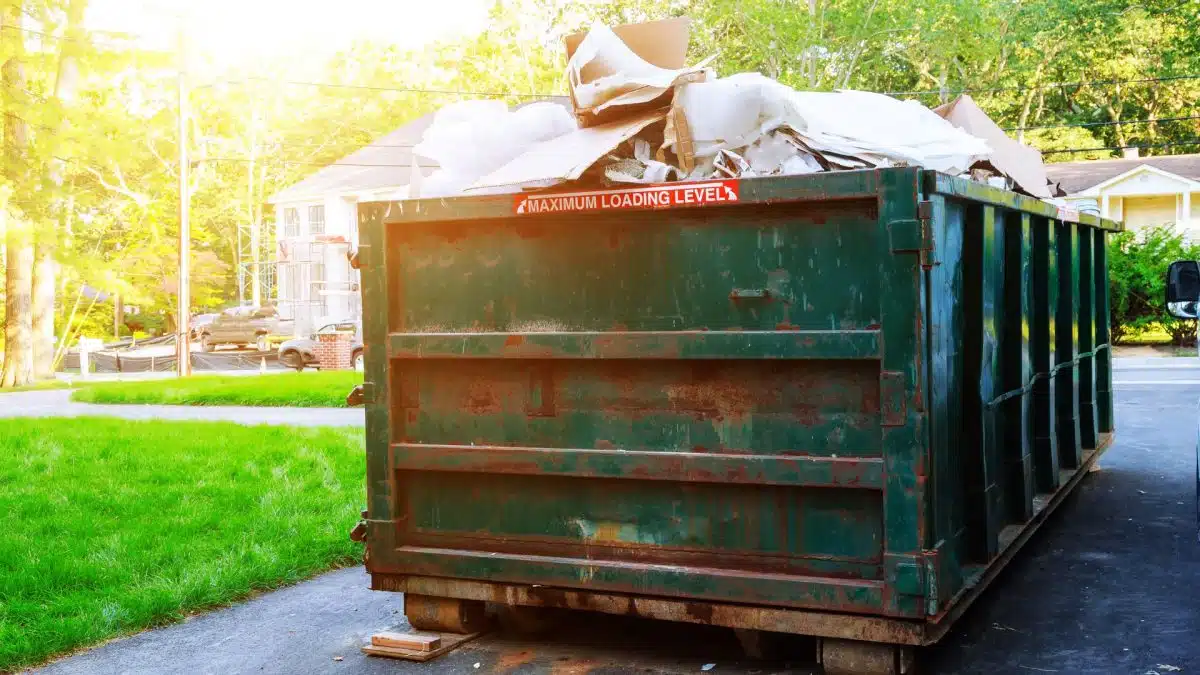
Yard waste, often overlooked, can quietly pile up in our gardens and yards, creating both aesthetic and ecological concerns. Grass clippings, leaves, branches, and plant trimmings, when left unmanaged, decompose in ways that may harm the surrounding environment. Improper disposal, such as burning or dumping in landfills, releases greenhouse gases, contributes to air pollution, and consumes valuable landfill space. Addressing yard waste responsibly means recognizing the potential environmental toll of negligence and opting for methods that support sustainability. Composting, mulching, and recycling yard debris not only reduce waste but also enrich soil, conserve water, and promote healthier plant growth. Integrating these eco-conscious strategies into routine yard maintenance ensures that gardens remain vibrant and ecosystems protected.
Adopting eco-friendly yard waste practices involves more than just dumping clippings in a compost pile. It’s about creating a cycle where organic matter is returned to the soil as nutrients, reducing the need for chemical fertilizers. Mulching leaves and branches on-site conserves moisture and limits erosion while naturally fertilizing lawns and garden beds. Community programs and local services may offer collection and recycling options that guarantee green waste is repurposed effectively. By understanding the consequences of improper disposal and actively seeking sustainable alternatives, homeowners can make informed choices that protect both their property and the planet for future generations.
Composting as a Natural Recycling Method
Composting is one of the most effective ways to manage yard waste while simultaneously benefiting your garden. This natural decomposition process transforms leaves, grass clippings, and small branches into nutrient-rich humus that can improve soil structure, retain moisture, and provide essential nutrients to plants. Unlike conventional disposal methods, composting reduces the volume of waste sent to landfills, minimizes methane emissions, and supports local biodiversity by encouraging earthworm activity. Composting can be implemented at any scale, from small backyard bins to larger community composting projects, making it accessible for all homeowners seeking a sustainable solution.
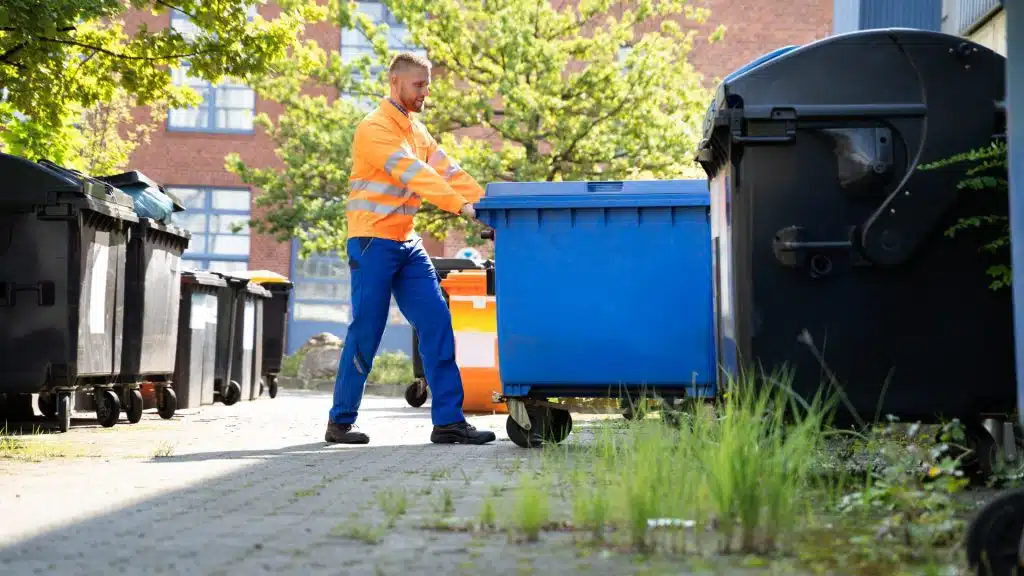
Effective composting requires a balanced mix of “green” and “brown” materials, combining nitrogen-rich waste such as grass clippings with carbon-rich components like dry leaves or shredded branches. Turning the pile regularly aerates the compost, accelerates decomposition, and prevents unpleasant odors. Homeowners can also leverage composting to reduce dependency on chemical fertilizers, creating a closed-loop system that benefits both plants and the environment. With patience and careful management, composting not only diverts yard waste from landfills but also enhances soil health, reduces water usage, and contributes to a greener, more resilient ecosystem.
Mulching for Soil Health and Water Conservation
Mulching is a practical and eco-friendly method for managing yard waste while simultaneously nurturing your garden. By shredding leaves, grass, and small branches into mulch, you create a protective layer that retains soil moisture, suppresses weeds, and moderates temperature fluctuations in garden beds. This natural barrier also decomposes over time, adding organic matter back into the soil and improving its structure and fertility. Mulching is a versatile technique that can be applied to flower beds, vegetable gardens, and around trees, providing both aesthetic appeal and functional benefits.
In addition to improving soil health, mulching contributes to water conservation by reducing evaporation, which is especially valuable during hot and dry periods. It also mitigates soil erosion and runoff, preventing valuable topsoil from being washed away during storms. Utilizing yard waste for mulch is an efficient way to reduce reliance on synthetic landscaping products while promoting sustainable gardening practices. By transforming organic debris into a beneficial resource, homeowners can close the loop on waste management, create a healthier yard, and support the environment without extra effort or cost.
Efficient Collection and Transportation Techniques
Efficient yard waste disposal starts with thoughtful collection and transportation. Proper segregation of leaves, branches, grass clippings, and other organic debris ensures that each type of material is processed in the most suitable way, whether it’s composting, mulching, or recycling. Utilizing sturdy containers, biodegradable bags, or dedicated green waste bins simplifies the collection process and keeps the yard tidy. Additionally, consolidating waste before transport minimizes the number of trips required, reducing fuel consumption and environmental impact. Organized collection not only saves time but also ensures that yard waste is handled responsibly.
Transporting yard waste efficiently involves planning routes, using vehicles that can accommodate different types of debris, and avoiding unnecessary trips. Local recycling centers or municipal collection services often provide guidelines for separating organic materials, which ensures they can be processed correctly. Some services offer curbside pickup for yard waste, while others accept bulk drop-offs for larger projects. Homeowners who adopt these methods reduce the risk of improper disposal, prevent contamination of other recyclables, and contribute to broader environmental sustainability. By thinking ahead and managing yard waste strategically, the disposal process becomes both practical and eco-conscious.
The Role of Local Regulations in Yard Waste Management
Local regulations play a crucial role in shaping responsible yard waste disposal. Municipalities often provide rules regarding collection schedules, acceptable materials, and approved disposal sites to prevent environmental hazards and maintain community aesthetics. Understanding and adhering to these regulations ensures that yard waste is not only removed efficiently but also processed in ways that minimize ecological impact. Compliance helps reduce fines and promotes a culture of environmental responsibility among residents, reinforcing sustainable habits on a neighborhood scale.
Regulations may dictate separation of organic materials, the use of biodegradable bags, and restrictions on burning or illegal dumping. Many cities also offer educational resources, curbside collection programs, and designated composting facilities to support eco-friendly practices. By familiarizing themselves with these guidelines, homeowners can integrate legal compliance with environmental stewardship, making yard waste management easier and more effective. Observing local rules ensures that every disposal effort contributes positively to both community well-being and broader sustainability goals.
Leveraging Professional Yard Waste Services
Professional yard waste services offer a convenient solution for homeowners seeking efficient disposal without compromising environmental responsibility. These services provide trained personnel, proper equipment, and systematic processes to collect, transport, and recycle yard waste safely and effectively. Leveraging professional expertise can save time, reduce physical strain, and guarantee that organic materials are handled in compliance with environmental regulations. This approach ensures that yard debris is not only removed promptly but also repurposed through composting, mulching, or donation programs whenever possible.
In addition to efficiency, professional services often have established partnerships with recycling centers and municipal programs, ensuring that waste is diverted from landfills whenever possible. Homeowners can benefit from customizable services tailored to their specific yard size, type of waste, and disposal preferences. By outsourcing yard waste management to experts, individuals gain peace of mind knowing that their efforts contribute to a cleaner environment, healthier soil, and sustainable community practices. The convenience and ecological benefits make professional assistance a worthwhile consideration for responsible yard maintenance.
Seasonal Yard Waste Strategies
Seasonal changes influence the type and volume of yard waste, necessitating tailored disposal strategies throughout the year. Spring and summer typically produce abundant grass clippings, pruning debris, and garden trimmings, while autumn generates large amounts of fallen leaves and branches. Winter, though less intensive, may require removal of storm-damaged trees and shrubs. Adapting disposal techniques to seasonal variations ensures that yard waste is managed effectively and efficiently, preventing accumulation and promoting continuous garden health.
Homeowners can implement season-specific strategies such as creating leaf compost piles in autumn, mulching freshly trimmed branches in summer, or scheduling storm debris removal in winter. Seasonal planning also allows for coordinated use of professional services or municipal collection programs, maximizing efficiency and minimizing environmental impact. By anticipating changes in yard waste patterns and adjusting disposal methods accordingly, individuals can maintain a clean, sustainable, and resilient landscape throughout the year.
Reducing Chemical Use Through Organic Yard Practices
Minimizing the use of chemical fertilizers and pesticides in yard maintenance aligns closely with eco-friendly waste disposal. Organic yard practices, including composting and mulching, naturally enrich the soil, promote healthy plant growth, and reduce the need for synthetic additives. By adopting these methods, homeowners prevent harmful chemicals from leaching into groundwater, preserve soil microbiomes, and support pollinators and other beneficial organisms. Managing yard waste organically transforms debris into a valuable resource rather than a potential environmental hazard.
Integrating organic methods into daily yard care also complements sustainable disposal efforts. For instance, grass clippings and plant trimmings can be returned to the soil to provide nutrients, reducing dependency on commercial fertilizers. Leaves and branches can be mulched to maintain soil moisture and suppress weeds, cutting down the need for chemical herbicides. Through consistent application of organic practices, yard waste becomes part of a closed-loop system that nurtures the environment, enhances soil fertility, and contributes to a greener, healthier home landscape.
Community and Neighborhood Initiatives
Community engagement amplifies the impact of eco-friendly yard waste management. Neighborhood programs that organize composting, recycling, or collective clean-up days foster collaboration, reduce individual workload, and ensure that yard waste is handled sustainably. Participation in such initiatives strengthens community ties, promotes environmental education, and encourages residents to adopt long-term, responsible practices. Collective action also increases the volume of organic material that can be effectively recycled, composted, or repurposed, amplifying the benefits beyond individual households.
These initiatives may include local compost exchanges, community gardens utilizing shared organic waste, or organized curbside pickups that streamline disposal for multiple households. By working together, communities can reduce landfill contributions, promote greener public spaces, and inspire sustainable habits. Residents benefit from shared resources, knowledge, and labor, making eco-friendly yard waste management more accessible and efficient. Embracing collaborative efforts ensures that environmental stewardship becomes a shared value, strengthening both neighborhoods and the broader ecosystem.
Innovative Technologies in Yard Waste Management
Advancements in technology are transforming yard waste disposal into a more sustainable and efficient process. Innovations such as biomass shredders, composting accelerators, and smart collection systems allow for faster, cleaner, and more environmentally friendly processing of organic materials. These tools enhance the effectiveness of recycling and composting, reduce greenhouse gas emissions, and enable homeowners to manage yard waste with minimal effort. Technological integration supports precision in waste separation, processing, and transportation, contributing to a more sustainable cycle of reuse.
Smart devices and automated systems can track yard waste quantities, schedule collections, and optimize transportation routes to reduce fuel consumption. High-capacity shredders and mulching machines transform large debris into usable materials more quickly, facilitating on-site composting or mulch production. By embracing these innovations, homeowners and service providers can maximize efficiency while minimizing ecological impact. Technology not only streamlines yard waste management but also supports long-term sustainability goals, ensuring that organic debris becomes a valuable asset rather than a burden on the environment.
Economic and Environmental Benefits of Efficient Disposal
Efficient and eco-friendly yard waste disposal delivers significant economic and environmental advantages. Homeowners save money by reducing the need for commercial fertilizers, mitigating water usage through mulching, and avoiding penalties associated with improper disposal. On a broader scale, sustainable practices lower landfill costs, decrease greenhouse gas emissions, and conserve natural resources. The combination of financial savings and ecological responsibility underscores the importance of integrating smart waste management strategies into routine yard care.
In addition to cost savings, eco-friendly disposal strengthens community resilience by promoting healthy soils, cleaner waterways, and reduced pollution. Repurposing yard waste through composting, mulching, or donation initiatives ensures that organic materials continue to provide value rather than contributing to environmental degradation. These practices foster a culture of sustainability, encouraging homeowners and communities to recognize the tangible benefits of responsible yard management. By prioritizing efficient disposal, individuals protect both their property and the planet while enjoying measurable financial and ecological rewards.
Conclusion
Efficient and eco-friendly yard waste disposal is not only a matter of convenience but also a critical step in fostering sustainable living. Homeowners can reduce their environmental footprint, improve soil health, and conserve resources through thoughtful practices like composting, mulching, and strategic collection. Professional services can further streamline this process, ensuring proper handling, recycling, and repurposing of organic materials. By adopting a proactive and environmentally conscious approach, residents contribute meaningfully to a healthier and more resilient ecosystem.
For those in Palatine, IL seeking reliable assistance, 24-7 Junk Removal offers comprehensive junk removal services that handle yard waste responsibly. Their team ensures timely, eco-friendly disposal while maximizing recycling and donation efforts. Homeowners can reach out at (773) 309-6966 or visit 611 W. Wise Schaumburg, IL 60193 for professional support and guidance. Choosing these experts not only guarantees efficient waste management but also reinforces commitment to sustainable living practices.