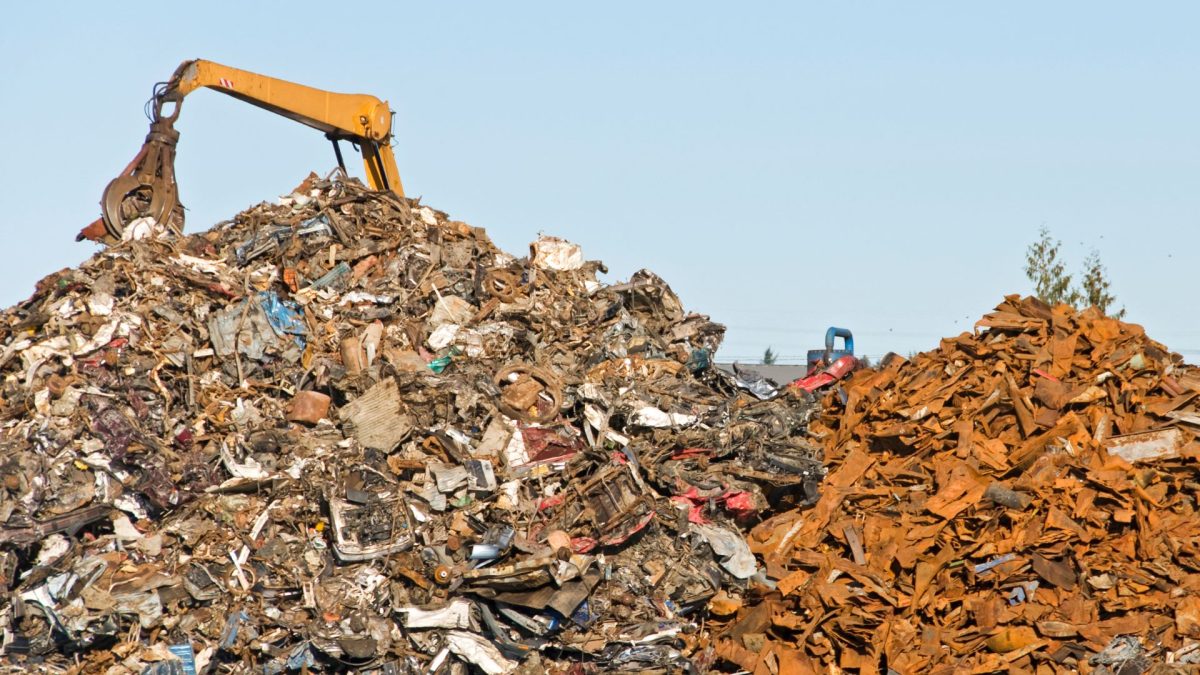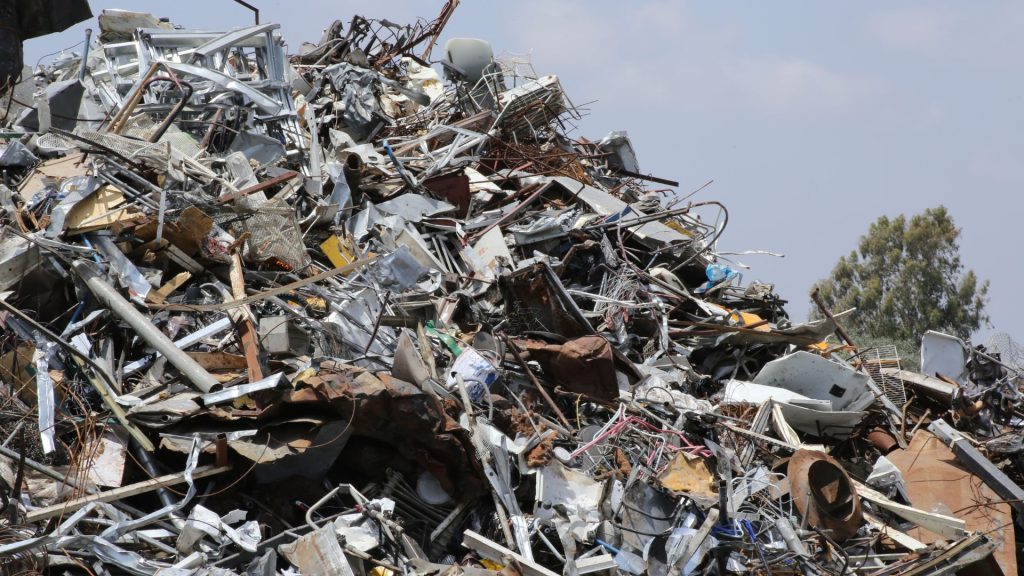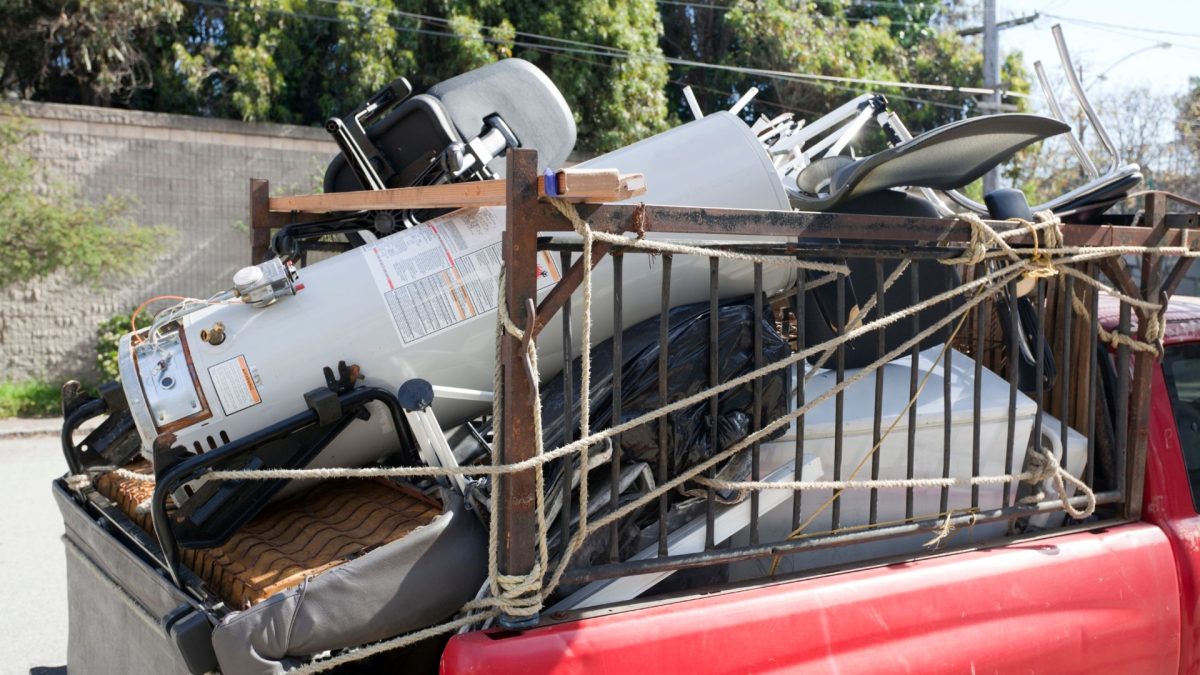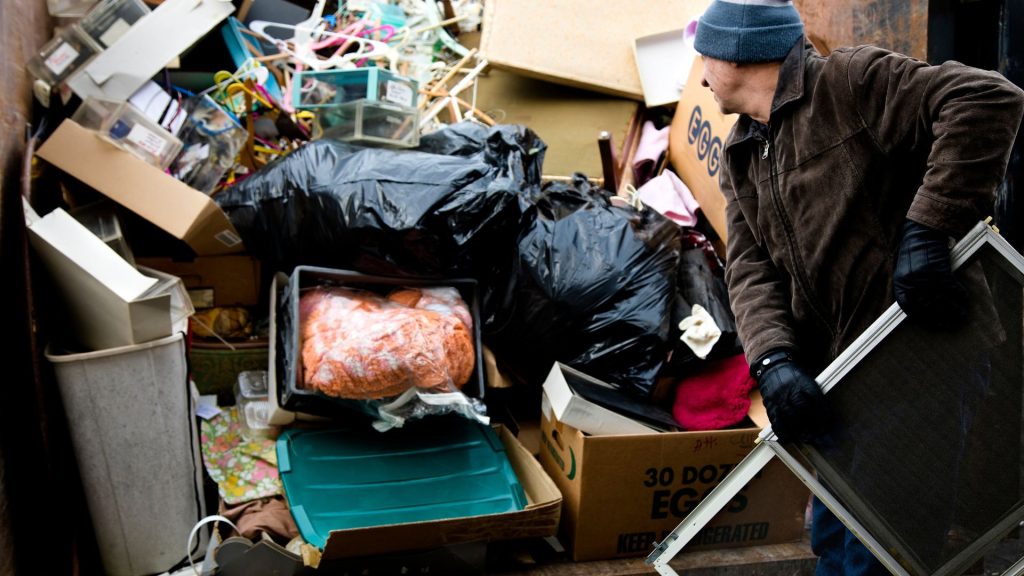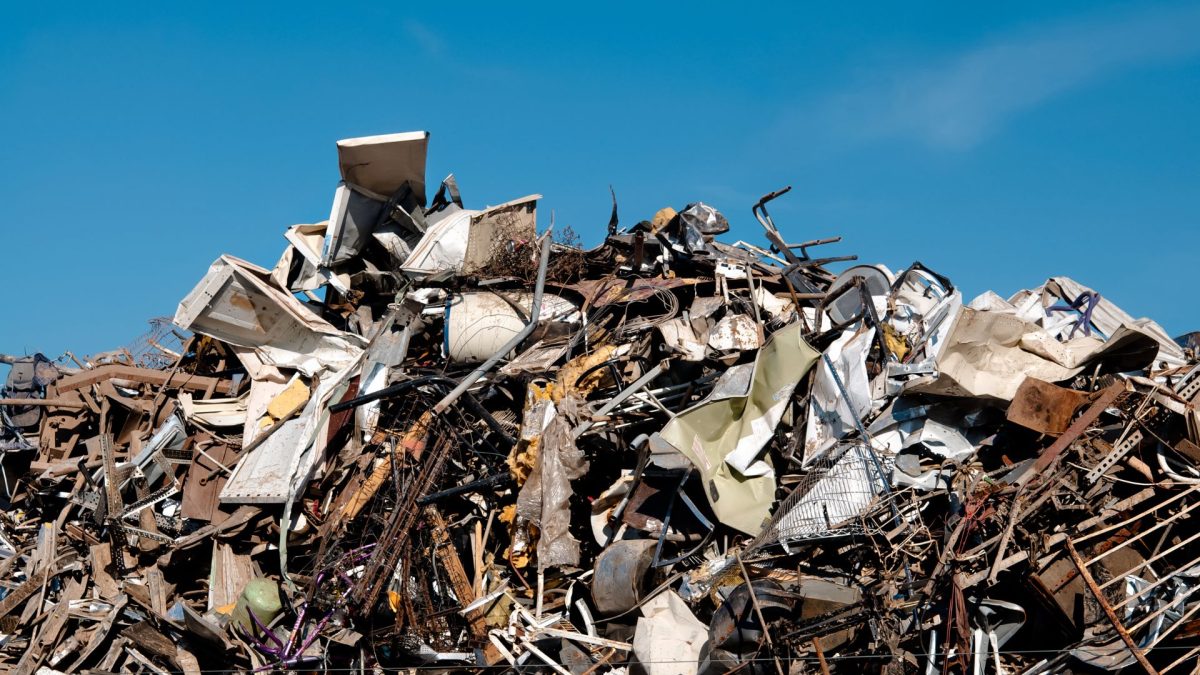
Scrap metal recycling plays a critical role in conserving natural resources and reducing environmental degradation. Metals such as steel, aluminum, and copper are finite resources, and their extraction from the earth requires significant energy and water, leading to habitat destruction and greenhouse gas emissions. By recycling scrap metal, we lessen the need for mining operations, which are notorious for leaving large ecological footprints. Every ton of metal recycled translates into fewer emissions and less strain on the planet’s ecosystems, providing a direct benefit to environmental sustainability.
Recycling also prevents discarded metal from occupying valuable landfill space. Metals that end up in landfills can leach harmful substances into soil and groundwater over time, creating long-term environmental hazards. Through careful collection and processing, recycled metals can be repurposed into new products without the detrimental side effects of raw mining. The process is circular, allowing metals to be used repeatedly, which embodies the principles of a truly sustainable economy. Supporting metal recycling is more than an eco-friendly gesture—it is a commitment to preserving the natural world for future generations.
Reducing Energy Consumption Through Recycling
One of the often-overlooked advantages of recycling scrap metal is its ability to drastically cut energy consumption. Manufacturing new metal products from raw ore consumes far more energy than remelting and reshaping recycled materials. For example, producing aluminum from bauxite requires vast amounts of electricity, while using recycled aluminum reduces energy needs by over ninety percent. This energy saving translates to fewer fossil fuels burned, resulting in lower carbon emissions and less air pollution, contributing positively to climate change mitigation efforts.
Recycling metals also encourages technological innovation within the manufacturing sector. Companies are constantly improving the efficiency of recycling processes to ensure metals are repurposed with minimal waste and energy loss. The energy saved from recycling allows manufacturers to redirect resources toward other sustainable initiatives, creating a positive feedback loop that benefits both the economy and the environment. By valuing recycled metals, society can significantly reduce its reliance on energy-intensive mining operations, creating a more sustainable industrial ecosystem.
Economic Benefits of Scrap Metal Recycling
Scrap metal recycling is not only environmentally responsible but also economically advantageous. The collection, sorting, and processing of scrap metal generate jobs across multiple sectors, from transportation and logistics to recycling facilities and material processing plants. This industry provides stable employment opportunities while simultaneously supporting local economies. Recycling metals creates a market for discarded materials, ensuring that what was once waste is transformed into valuable resources, fostering economic growth without further environmental damage.
Moreover, recycled metals often cost less than virgin materials due to the reduced energy and labor needed in their production. This cost-effectiveness makes recycled metal a preferred option for manufacturers looking to reduce expenses while maintaining quality. Additionally, local businesses and communities benefit from decreased disposal costs, as less waste is sent to landfills. Embracing scrap metal recycling thus creates a win-win situation: the economy thrives, jobs are created, and natural resources are preserved. It is an approach that aligns financial incentives with sustainable practices.
Preserving Natural Resources for Future Generations
Metal resources are finite, and mining new ore continuously threatens the availability of these essential materials. By incorporating scrap metal recycling into everyday practices, we safeguard natural resources for future generations. Each recycled metal item means one less need to extract raw materials from the earth, thereby preserving landscapes and maintaining biodiversity. This approach ensures that future industrial demands can be met without depleting the planet’s precious resources.
In addition to conserving materials, recycling fosters responsible consumption habits. Communities and individuals become more aware of the lifecycle of products, recognizing that discarded items can have a new purpose rather than being mere waste. This shift in perspective encourages innovation in design and usage, with manufacturers developing products that are easier to recycle and repurpose. Overall, scrap metal recycling helps establish a sustainable culture, where environmental responsibility is embedded in both production and consumption practices.
Reducing Landfill Waste and Pollution
Scrap metals that end up in landfills contribute significantly to environmental pollution. Metals are non-biodegradable, and their accumulation in waste sites can lead to soil contamination and water pollution. Over time, chemicals from corroding metal may leach into the surrounding environment, posing risks to ecosystems and human health. Recycling scrap metal diverts these materials from landfills, reducing environmental hazards and promoting cleaner communities.
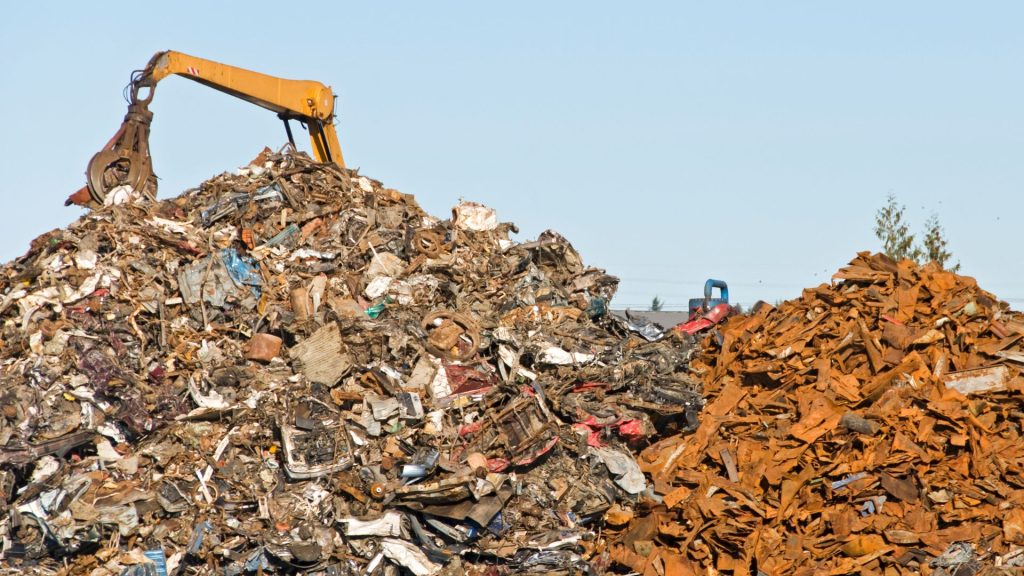
The process of metal recycling also reduces the volume of waste requiring management and disposal. This alleviates pressure on municipal waste systems, allowing cities to focus on more sustainable waste handling methods. Additionally, recycling metal conserves space, allowing landfills to serve communities more effectively without expanding into natural habitats. Ultimately, embracing scrap metal recycling is an essential step in minimizing environmental pollution while maximizing resource efficiency, benefiting both present and future generations.
Supporting Circular Economy Practices
Scrap metal recycling is a cornerstone of the circular economy, where products are designed and reused in continuous cycles. Unlike a linear model, which follows a take-make-dispose pattern, a circular economy emphasizes resource efficiency and sustainability. Metals, once recycled, can be used repeatedly to manufacture new products without significant loss of quality, making them ideal candidates for a circular economic system.
Incorporating recycled metals into manufacturing reduces reliance on virgin resources, decreases production costs, and minimizes environmental impact. Businesses and industries that prioritize recycled materials actively contribute to a sustainable supply chain. Consumers, in turn, play a role by choosing products made from recycled content, supporting the market for reclaimed metals. Together, these practices reinforce a self-sustaining system, ensuring that valuable resources are continually cycled back into use, which is critical for long-term environmental resilience.
Enhancing Community Sustainability Awareness
Recycling scrap metal also plays a significant role in raising community awareness about sustainability. When residents see metals being collected, sorted, and repurposed, they gain firsthand insight into the value of responsible waste management. Community-based recycling programs foster education and encourage environmentally conscious behavior, demonstrating that individual actions can have a meaningful impact on the local and global environment.
Beyond awareness, scrap metal recycling fosters community engagement. Local initiatives, schools, and organizations often participate in collection drives, turning recycling into a collective effort that strengthens social bonds. These programs help residents understand the broader implications of waste disposal and resource conservation, cultivating a culture of responsibility. By supporting scrap metal recycling, communities become active participants in sustainability efforts, amplifying environmental benefits and promoting a cleaner, healthier living space for everyone.
Reducing Greenhouse Gas Emissions
The recycling of scrap metals is instrumental in reducing greenhouse gas emissions associated with metal production. Traditional mining and smelting of metals generate substantial carbon emissions due to high energy requirements and fuel consumption. Recycling metal, however, uses significantly less energy, directly decreasing emissions of carbon dioxide and other harmful gases. This reduction plays a crucial role in combatting climate change and mitigating global warming.
Additionally, recycled metals contribute to cleaner industrial processes. By replacing raw ore with recycled content, manufacturers reduce reliance on energy-intensive extraction and refining operations. This not only lowers greenhouse gas emissions but also diminishes pollutants such as sulfur dioxide and nitrogen oxides that can contribute to acid rain and respiratory issues. Embracing scrap metal recycling is thus a proactive step toward cleaner air, reduced carbon footprints, and a more sustainable industrial sector.
Innovation in Metal Reuse and Design
Scrap metal recycling drives innovation in product design and material reuse. Manufacturers increasingly develop products with recyclability in mind, ensuring that metals can be efficiently recovered and repurposed at the end of their life cycles. This approach encourages modular design, reduces waste, and enhances the longevity of materials.
Innovative recycling technologies allow for the separation and refinement of mixed-metal scrap, ensuring higher-quality output for new manufacturing. These advancements reduce the need for raw material extraction and allow industries to meet sustainability goals without compromising product quality. By prioritizing recycled metals, companies demonstrate environmental stewardship while fostering creativity in production processes. The result is a more resource-efficient and forward-thinking manufacturing ecosystem that benefits both the economy and the planet.
Global Impact of Scrap Metal Recycling
Scrap metal recycling has a far-reaching effect beyond local communities. By reducing the demand for raw metals worldwide, recycling helps decrease the environmental degradation associated with mining activities in remote regions. This reduces habitat destruction, lowers carbon emissions, and mitigates water contamination, contributing to global environmental health.
Furthermore, the international trade of recycled metals creates economic opportunities while promoting sustainable practices across borders. Countries that import and export recycled metal benefit from cost-effective manufacturing inputs, lessening the need for environmentally damaging mining operations. The practice of recycling metals fosters a worldwide commitment to sustainability, demonstrating that local actions can generate substantial global benefits.
Conclusion
Embracing scrap metal recycling is a vital step toward sustainable living and environmental stewardship. Every effort to collect, process, and repurpose metals reduces the strain on natural resources, curtails pollution, and supports the circular economy. Communities that prioritize recycling not only protect their local environments but also contribute to global sustainability initiatives, fostering a culture of responsible consumption.
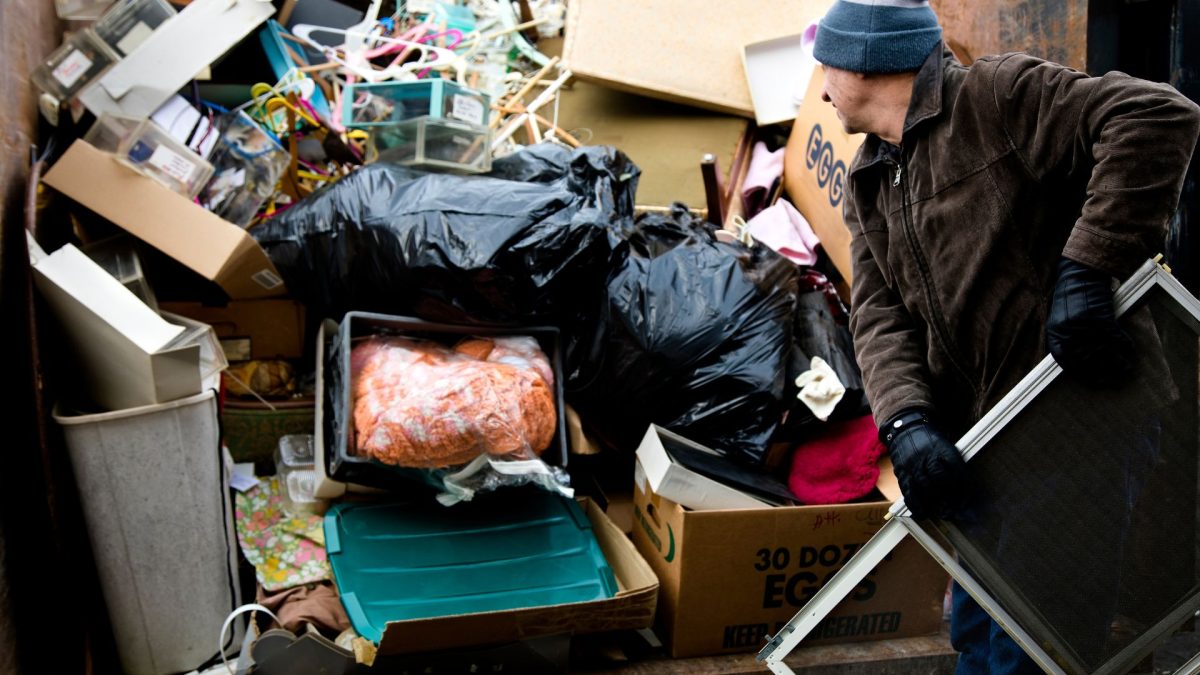
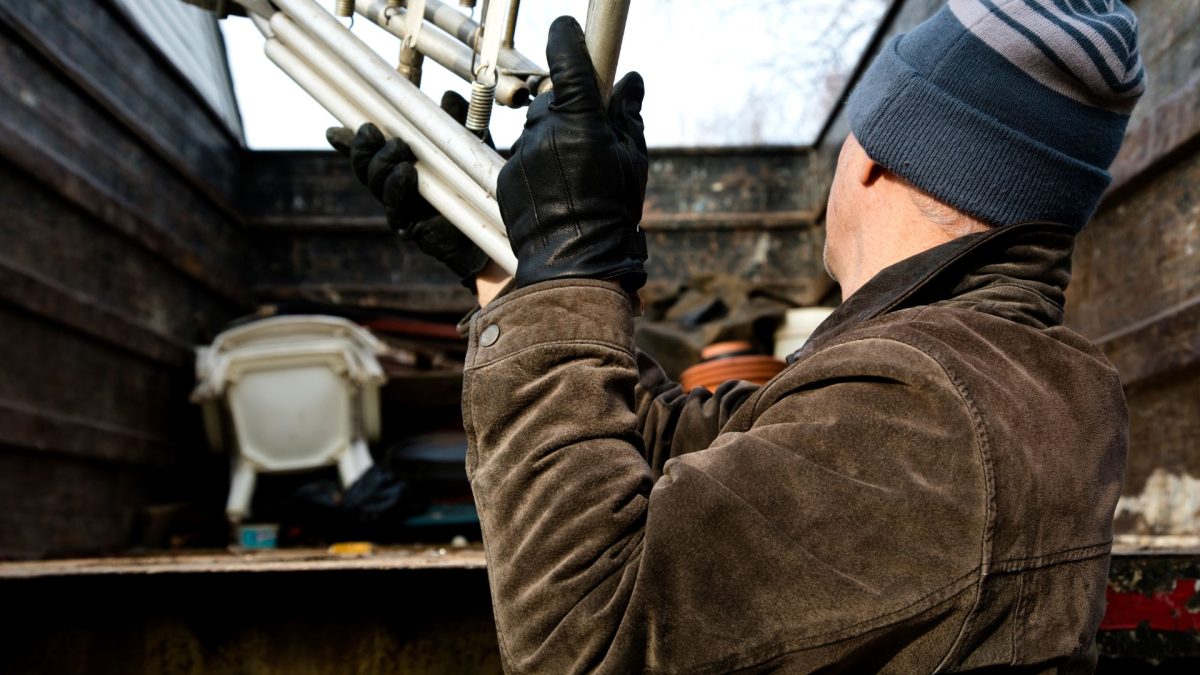
For residents in Palatine, IL, professional services like 24-7 Junk Removal make recycling and disposal seamless and efficient. By choosing their Junk Removal services, individuals and businesses ensure that scrap metal is handled responsibly and repurposed whenever possible. Contact 24-7 Junk Removal at (773) 309-6966 or visit them at 611 W. Wise Schaumburg, IL 60193 to make a tangible impact on environmental sustainability while keeping your spaces clutter-free.