

Categories
Old Electronics

How to Dispose of Old Electronics Safely

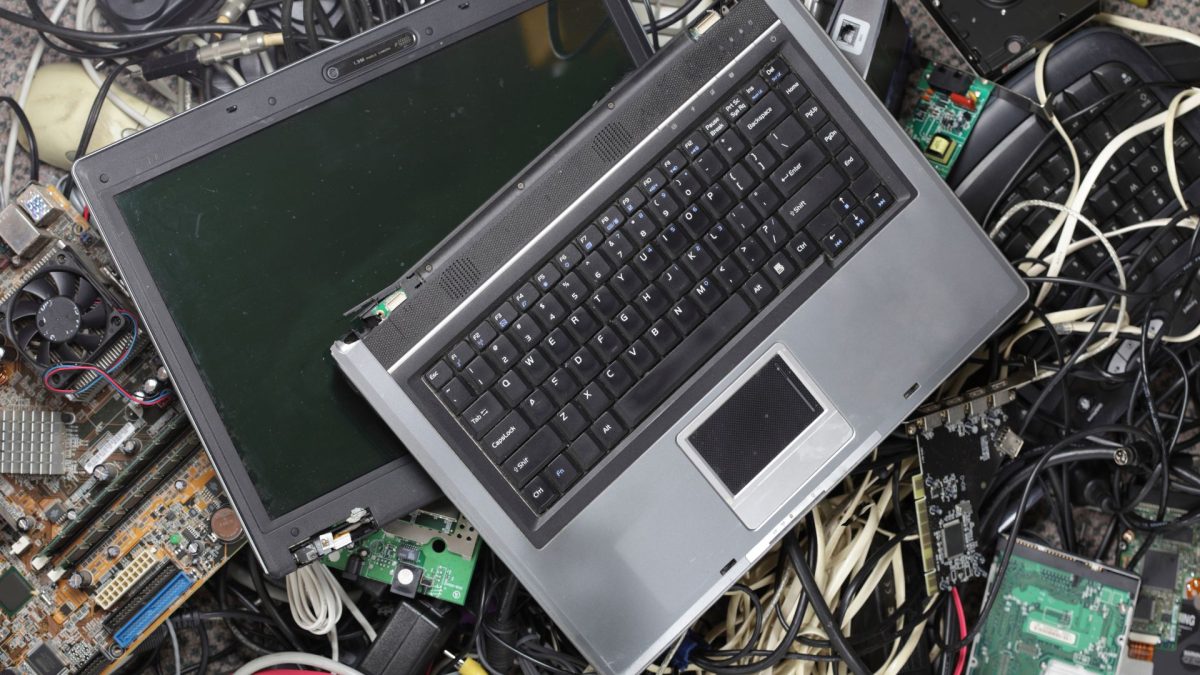
Old electronics might seem harmless once they stop working, but they carry hidden dangers that affect both health and the environment. Devices such as laptops, phones, and televisions contain heavy metals like lead, mercury, and cadmium, which can leach into soil and water when thrown in the trash. This contamination can eventually reach humans and wildlife, leading to serious health issues. Beyond chemical hazards, old electronics also store sensitive personal information that could be exploited if not properly wiped or destroyed. Therefore, treating electronic disposal casually can have long-lasting consequences that extend far beyond your home.

Proper handling of electronic waste requires more than just tossing gadgets into a dumpster. The materials inside these devices can be recycled and repurposed if managed correctly, helping conserve natural resources and reduce pollution. Taking the time to identify the right channels for disposal, whether through local recycling programs, certified e-waste centers, or professional removal services, ensures that electronics are treated responsibly. This proactive approach not only safeguards your personal information but also contributes to a healthier planet by diverting toxic materials from landfills and supporting sustainable recovery practices.

Evaluating Your Electronics Before Disposal

Before disposing of old electronics, a thorough evaluation is essential. Many devices still hold value even if they are outdated or slightly damaged. By assessing functionality and condition, you may discover items that can be refurbished, sold, or donated. For example, working laptops or smartphones might find a second life through charitable programs or resale platforms. Even non-functional electronics contain components like metals and plastics that can be efficiently recycled, making it critical to separate items according to their potential for reuse or proper recycling.
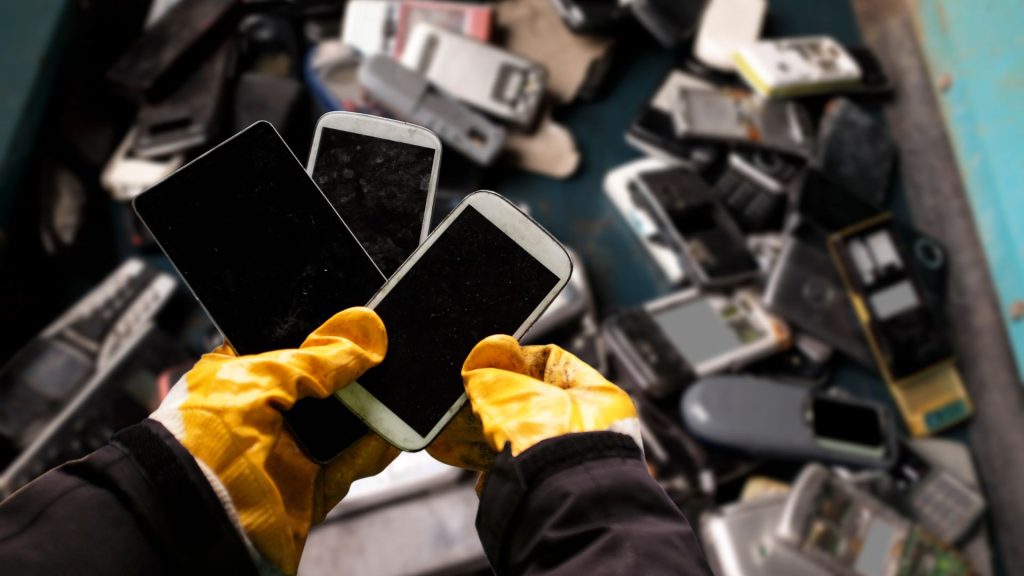
This evaluation also helps streamline the disposal process. Knowing exactly what you have ensures that hazardous components are handled correctly and reduces the risk of accidentally mixing electronic waste with regular household trash. Documenting serial numbers and removing storage media for data security further protects your information. Establishing a clear inventory before reaching out to recycling services or junk removal companies simplifies coordination and ensures that each item is directed toward the appropriate processing method. A careful assessment is the first step toward responsible disposal and environmental stewardship.

Preparing Electronics for Safe Disposal

Once electronics are evaluated, preparation becomes the next crucial phase. Start by removing batteries and any detachable parts, as these often require separate handling due to their chemical composition. Wiping devices clean and performing factory resets on phones or computers protects your personal information while making items ready for recycling. For larger electronics, securing cords and packaging fragile components minimizes damage during transport. This preparation ensures that every item arrives at disposal facilities safely and efficiently, reducing the chance of environmental harm or personal data breaches.

Proper preparation also involves understanding the disposal requirements for each type of electronic item. Some devices, such as monitors and older CRT televisions, may need specialized handling due to the presence of heavy metals. Following manufacturer guidelines or local disposal regulations can prevent contamination and legal complications. By investing time in careful preparation, you are taking responsibility for both environmental impact and data security. The steps you take today safeguard your personal information, contribute to community recycling efforts, and help prevent hazardous materials from causing harm to people and ecosystems.

Choosing Certified E-Waste Recycling Centers

Not all recycling centers are equipped to handle electronics safely, making certification a critical factor. Certified e-waste recycling centers follow strict protocols to ensure that hazardous materials are properly managed, valuable components are recovered, and data is destroyed securely. These facilities are often regulated by local or national authorities and adhere to environmentally responsible processing standards. Selecting a certified center guarantees that your electronics are not only disposed of correctly but also recycled in a way that maximizes resource recovery and minimizes ecological impact.

Working with certified centers also provides peace of mind that your personal information will be treated responsibly. Professional recyclers typically employ data destruction methods such as shredding or degaussing storage media, ensuring your sensitive information does not fall into the wrong hands. Additionally, these centers often track and document the recycling process, offering transparency and accountability. By prioritizing certified facilities, you align your electronic disposal efforts with best practices for environmental protection and digital security, turning a routine task into a meaningful contribution to sustainability.

Utilizing Professional Junk Removal Services

Professional junk removal services offer a convenient and safe way to dispose of old electronics, particularly when dealing with large volumes or bulky items. These companies bring trained personnel, proper equipment, and knowledge of disposal regulations to handle electronic waste efficiently. By entrusting your old devices to experts, you reduce the physical strain and risks associated with moving heavy or hazardous electronics, while ensuring items reach responsible recycling centers. This approach saves time, limits potential exposure to toxic materials, and guarantees adherence to environmental standards.

Engaging a junk removal service also allows you to integrate other household cleanout needs with electronic disposal. Services often handle a broad range of items, from appliances to furniture, streamlining the decluttering process. They can also provide documentation of disposal, which is beneficial for businesses or individuals needing proof of responsible recycling. Choosing a professional service ensures that every step—from collection to final recycling—is conducted safely, efficiently, and legally, giving you confidence that your old electronics are managed properly without any shortcuts that could compromise safety or environmental integrity.

Safe Transport of Electronics to Disposal Sites

Transporting electronics safely is an often-overlooked aspect of responsible disposal. Mishandling during transit can cause physical damage, release hazardous materials, or compromise sensitive data. To mitigate these risks, pack items securely in boxes or protective containers, separate fragile components, and avoid overloading vehicles. Labeling boxes clearly ensures that recyclers can identify hazardous or special-handling items easily. Taking these precautions during transport protects both the environment and your household by minimizing the risk of spills or breakages that could cause contamination or injury.

Safe transport also means planning logistics effectively. Route selection, timing, and vehicle type can influence how smoothly electronics reach the disposal site. For particularly large or heavy items, enlisting additional help or using specialized transport equipment may be necessary. Coordinating with the recycling center or junk removal service ahead of time ensures that staff are prepared to handle the items upon arrival, further reducing risks. By prioritizing careful handling and transport, you uphold the integrity of the disposal process, making sure electronics reach recycling facilities intact and ready for responsible processing.

Data Security and Electronic Waste

One of the most critical considerations in electronic disposal is safeguarding data. Hard drives, memory cards, and other storage devices can retain sensitive personal or financial information long after a device is decommissioned. Improper disposal can lead to identity theft or unauthorized access to confidential data. Therefore, performing complete data wipes, encryption, or physical destruction is essential before any electronic device leaves your possession. Taking these steps protects your privacy and ensures compliance with legal and ethical standards for information security.

Data security in electronic waste management also extends to organizational practices. Professionals handling electronic disposal often implement strict protocols for inventory tracking, data destruction verification, and secure transportation. Individuals and businesses can benefit by choosing services or facilities that offer certificates of data destruction, giving documented assurance that all information has been eradicated. By integrating data security into your disposal plan, you prevent personal or corporate breaches and contribute to a broader culture of responsible electronic waste management that balances convenience with safety and environmental responsibility.

Environmental Benefits of Proper E-Waste Disposal

Proper electronic disposal has far-reaching environmental benefits. Recycling electronic components reduces the need for raw material extraction, conserves energy, and prevents hazardous substances from polluting landfills and waterways. Metals such as copper, gold, and aluminum can be recovered and reused, while plastics and glass are repurposed in new manufacturing processes. By diverting electronics from conventional waste streams, you actively participate in reducing pollution and conserving the planet’s finite resources for future generations.

Furthermore, responsible e-waste management supports sustainable business and community practices. Facilities that adhere to environmental standards not only mitigate contamination risks but also create economic value through material recovery and resale. Public awareness campaigns and recycling initiatives encourage citizens to think critically about consumption and disposal habits. Through conscientious electronic disposal, every individual contributes to a broader network of environmental stewardship, fostering a healthier ecosystem and a more sustainable approach to technology use and lifecycle management.

Creative Reuse and Donation of Electronics

Many old electronics still hold potential for reuse, offering benefits beyond mere recycling. Donating functional devices to schools, charities, or community programs gives them a second life while supporting education and social initiatives. Even components that cannot be used directly can be repurposed for DIY projects or creative applications, turning otherwise discarded items into practical tools or art materials. This approach reduces waste, extends the utility of electronics, and encourages innovative thinking about resourcefulness.

Creative reuse also promotes community engagement and awareness of sustainability. By offering devices for educational purposes or community projects, individuals contribute to local development and digital inclusion. Electronics that might have ended up in landfills instead become valuable learning tools or resources for those in need. Integrating donation or repurposing into your electronic disposal strategy demonstrates a commitment to responsible stewardship, amplifying the impact of your actions and highlighting the potential of thoughtful management to make a meaningful difference.

Staying Informed About Local Regulations

Understanding local regulations surrounding electronic disposal is essential for compliance and environmental safety. Municipalities often have specific rules for handling e-waste, including designated drop-off sites, collection events, and restrictions on landfill disposal. Staying informed ensures that your actions are legally compliant, protects the environment, and often simplifies the disposal process. Regulatory awareness also helps identify certified recycling centers and authorized collection services, guiding you toward responsible and recognized disposal methods.

Being proactive about local rules fosters a culture of accountability and sustainability. Many communities offer resources, workshops, or public information campaigns to educate residents on e-waste management. Utilizing these resources ensures that your disposal practices align with current legal requirements and environmental standards. By keeping up to date with local regulations, you contribute to safe, ethical, and effective management of electronic waste, protecting both your personal interests and the broader community from potential hazards or legal repercussions.

Conclusion

Disposing of old electronics safely is more than a matter of convenience; it is a responsibility that protects both people and the environment. From evaluating devices and preparing them for recycling to choosing certified e-waste centers and professional junk removal services, each step plays a crucial role in preventing pollution, conserving resources, and safeguarding personal data. Proper transport, adherence to local regulations, and exploring opportunities for reuse or donation further enhance the effectiveness of your disposal strategy, ensuring that every device is handled responsibly and sustainably.

For residents in Palatine, IL, 24-7 Junk Removal offers expert Junk Removal services designed to simplify and secure the disposal process. Their trained professionals handle old electronics efficiently, ensuring environmentally responsible recycling while keeping your personal information safe. With convenient access at 611 W. Wise Schaumburg, IL 60193 and customer support available at (773) 309-6966 or support@24-7junk.com, you can rely on their expertise to manage unwanted electronics with care. Choosing 24-7 Junk Removal not only declutters your home but also contributes to a cleaner, safer community.
Categories
Old Electronics

What to Do with Your Old Electronics A Complete Guide

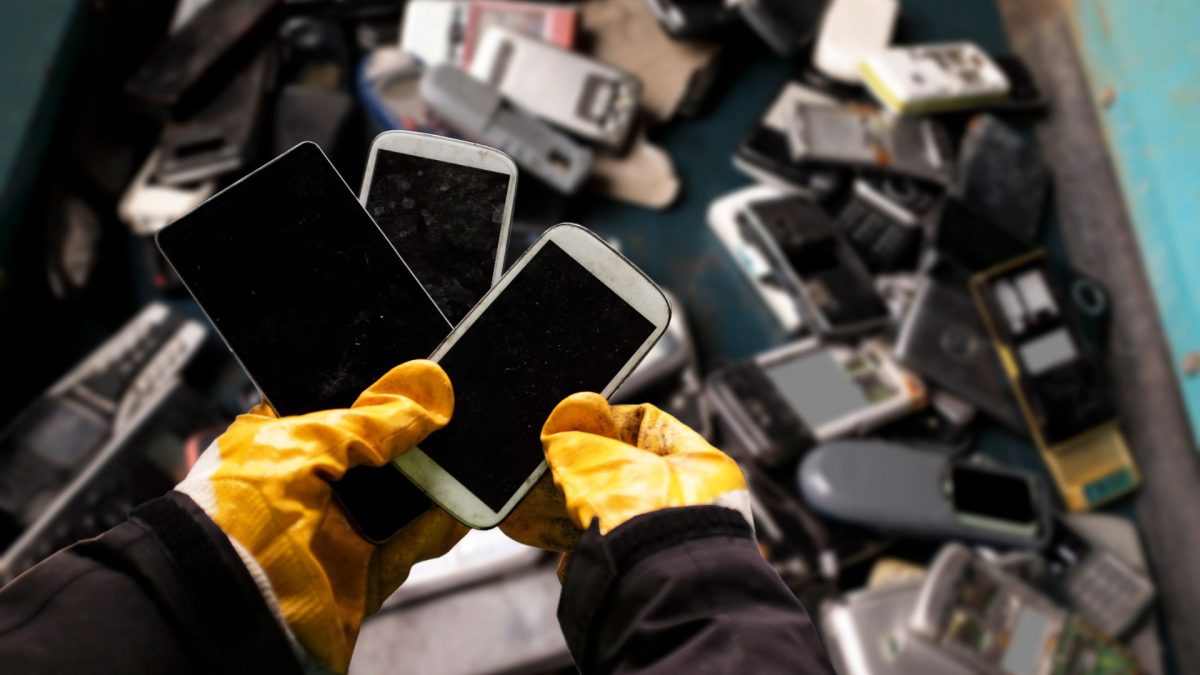
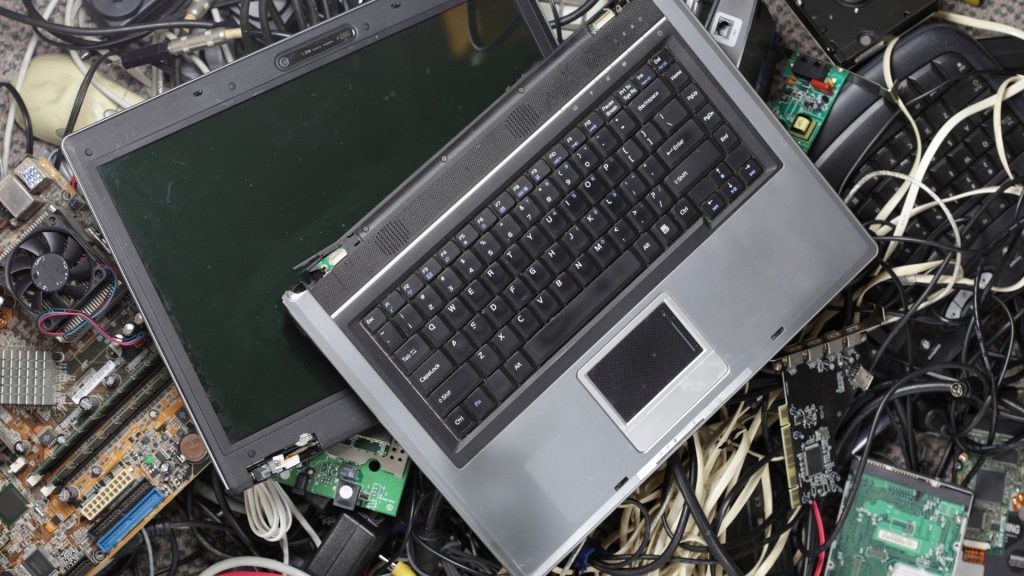
Old electronics often pile up unnoticed, yet their impact on the environment can be significant if disposed of carelessly. Devices like smartphones, computers, and TVs contain hazardous materials such as lead, mercury, and cadmium that can contaminate soil and water. Simply throwing these items in the trash can lead to long-term environmental damage, making responsible disposal essential. Additionally, many electronics hold components that can be repurposed or recycled, helping conserve natural resources and reduce the need for raw materials. By taking the time to handle your old electronics properly, you contribute to a healthier planet while ensuring that reusable elements find a second life.

Proper electronic disposal also benefits your personal safety and data security. Many devices contain sensitive information, including financial records, personal photos, and confidential work documents. Disposing of these items without precaution increases the risk of data theft. Therefore, separating data storage from other components and opting for certified recycling methods is crucial. Embracing responsible disposal practices not only protects the environment but also safeguards your personal privacy. Recognizing the importance of proper electronic management encourages individuals to take actionable steps that combine safety, sustainability, and practicality in a seamless approach to old electronics.

Evaluating Your Electronics for Reuse or Recycling

Before discarding old electronics, it’s wise to assess their condition to determine if they can be reused, refurbished, or recycled. Some devices may be outdated but still functional, allowing them to be donated or sold. Refurbished electronics often find their way to schools, community centers, or charitable organizations, extending the device’s life and providing access to technology for those in need. Recycling is another option, where components are broken down and processed to recover valuable metals, plastics, and other materials. By carefully evaluating each device, you can make environmentally responsible decisions that minimize waste and maximize usefulness.

Sorting your electronics also simplifies the disposal process. Grouping devices by type, brand, or condition can streamline recycling efforts and help identify items suitable for donation. Items that cannot be reused or sold should be directed to certified recycling facilities to ensure proper handling. Moreover, identifying repairable components allows technicians to salvage parts for future use, reducing the demand for raw resources. Thoughtful evaluation empowers you to make choices that balance convenience with environmental responsibility, creating a structured and sustainable approach to electronic waste management that benefits both the community and the planet.

Backing Up Data Before Disposal

One of the most overlooked aspects of electronic disposal is data security. Before parting with your devices, backing up essential files and personal information is critical. Cloud services, external hard drives, and USB storage options provide convenient ways to preserve important data. This step ensures that no valuable information is lost during the transition and allows you to access your records in the future. Additionally, organized backups simplify the transfer process if you intend to move data to new devices, keeping your digital life intact while safely parting with older electronics.

Once data is backed up, securely erasing storage media is the next step. This includes performing factory resets on smartphones, tablets, and computers to remove personal information. Specialized software can overwrite data multiple times, preventing potential recovery and maintaining privacy. Taking these precautions prevents identity theft and protects sensitive information while complying with data protection standards. Properly managing data prior to disposal ensures peace of mind, combining security measures with responsible recycling practices. This approach allows old electronics to be handled safely without compromising personal or professional information.

Finding Certified Electronic Recycling Centers

Choosing the right recycling center is crucial to ensure that your electronics are processed responsibly. Certified centers follow stringent guidelines to dismantle, sort, and recycle devices in ways that minimize environmental harm. Many facilities partner with manufacturers or government programs to handle specific types of electronic waste safely. Locating a certified recycler ensures that hazardous materials are disposed of correctly and that valuable components are recovered efficiently. This practice supports a sustainable cycle of reuse, preventing toxic substances from entering landfills and conserving natural resources through responsible recovery methods.

Certification also indicates compliance with environmental regulations, offering an added layer of trust. Many centers participate in programs such as e-Stewards or R2, which maintain strict standards for recycling and waste management. Partnering with such organizations guarantees that your old electronics are managed with professionalism and care. Additionally, certified centers often provide receipts or documentation, which can be useful for record-keeping or demonstrating environmental responsibility. Opting for certified electronic recycling ensures that disposal is ethical, safe, and aligned with broader sustainability goals, reinforcing the importance of responsible management in today’s technology-driven world.

Donating Usable Electronics

Not all old electronics are destined for the recycling bin. Many items, despite being outdated, remain functional and can be donated to charities, schools, or community organizations. Donating allows these devices to continue serving a purpose while providing access to technology for individuals who might not afford new equipment. This approach reduces waste and extends the product lifecycle, turning unwanted electronics into valuable resources for those in need. Ensuring devices are clean, functional, and safe for use enhances their potential impact when donated to others.

Before donating, it’s essential to verify the recipient’s needs and ensure compatibility. Some organizations may only accept certain types of devices or models, making prior communication critical. Additionally, removing personal data from all devices protects your privacy and ensures a smooth transition for the new user. Donation not only promotes sustainability but also fosters community engagement by giving back and supporting educational or social initiatives. Responsible donation creates a win-win scenario, reducing electronic waste while offering practical benefits to recipients who can make the most of these contributions.

Participating in Manufacturer Take-Back Programs

Many electronic manufacturers now offer take-back or trade-in programs, encouraging consumers to return old devices for proper recycling or refurbishment. These programs often provide incentives such as discounts, store credits, or promotional offers when a device is returned. Participating in take-back programs ensures that electronics are handled in accordance with best recycling practices, and that hazardous materials do not end up in landfills. Manufacturers often have established procedures for safely extracting components, which supports sustainability and responsible resource management.

Take-back programs also simplify the disposal process by providing convenient drop-off locations or prepaid shipping options. Consumers benefit from a structured system that guarantees responsible handling while potentially receiving rewards for their participation. Moreover, these programs help companies maintain accountability for the full lifecycle of their products, encouraging sustainable design and reducing environmental impact. Engaging with manufacturer take-back initiatives strengthens the link between production and disposal, creating a closed-loop system that benefits both consumers and the planet by reducing waste and promoting efficient resource use.

Selling Electronics Online

Selling old electronics online is a practical method to extend the life of devices while generating extra income. Marketplaces, auction sites, and specialized resale platforms allow individuals to reach buyers interested in second-hand electronics. Devices in good condition, such as laptops, smartphones, and gaming consoles, often retain significant value, making resale an attractive option. Online selling not only reduces environmental impact by keeping products in use but also creates opportunities for others to acquire technology at lower costs, promoting sustainable consumption habits.

Successful online selling requires clear communication about the device’s condition, specifications, and functionality. Providing high-quality photos and accurate descriptions ensures transparency and builds trust with potential buyers. Preparing the device for sale includes cleaning, resetting, and including necessary accessories, enhancing its appeal and usability. Selling online encourages a conscious approach to electronic waste, turning previously idle gadgets into functional tools for new users. This strategy combines economic benefits with environmental responsibility, demonstrating that old electronics can remain valuable assets beyond their initial ownership.

Repurposing and Upcycling Electronics

Old electronics can find a second life through creative repurposing or upcycling projects. Items like computer components, circuit boards, and cables can be transformed into decorative items, art projects, or even practical household tools. Repurposing electronics not only diverts waste from landfills but also sparks creativity and innovation, offering an eco-friendly approach to managing outdated devices. Simple DIY projects can turn non-functional items into visually appealing or useful creations, giving electronics a renewed purpose while contributing to sustainability.

Upcycling can also involve enhancing existing devices with modifications to extend their functionality. For example, converting an old tablet into a digital photo frame or a media center can breathe new life into the device. Small adjustments, like adding external storage or upgrading software, may transform outdated electronics into practical tools for everyday use. Embracing repurposing and upcycling emphasizes resourcefulness and environmental mindfulness, demonstrating that creativity and sustainability can coexist. By reimagining the potential of old electronics, individuals reduce waste while cultivating innovation in everyday life.

Understanding Local Regulations for E-Waste Disposal

Local governments often implement regulations to manage electronic waste effectively. These rules govern how certain devices can be disposed of, where they can be dropped off, and which items require specialized handling. Awareness of local regulations ensures that electronics are disposed of legally and responsibly, preventing fines or environmental hazards. Municipal programs often provide designated collection events, curbside pickups, or authorized drop-off locations for e-waste, making compliance accessible and straightforward for residents. Understanding these guidelines supports safe and sustainable disposal practices while promoting community-wide environmental responsibility.

Adhering to local e-waste regulations also reinforces accountability and encourages consistent disposal practices. Many communities collaborate with certified recyclers to ensure that hazardous components are managed correctly. Residents who follow these rules help reduce environmental contamination and contribute to broader sustainability initiatives. By staying informed about local legislation, individuals can take proactive steps toward responsible e-waste management. Knowledge of regulations empowers residents to make decisions that protect both the environment and their communities, fostering a culture of mindful electronic disposal and environmental stewardship.

Preparing Electronics for Pickup or Drop-Off

Proper preparation of electronics is essential when arranging for pickup or drop-off at recycling centers. Devices should be cleaned, organized, and sorted by type to facilitate efficient processing. Removing batteries, cords, and peripherals when required ensures that recycling facilities can handle items safely and correctly. Labeling items and grouping them by category reduces confusion, streamlines processing, and ensures that each component is directed to the appropriate recycling stream, maximizing recovery of valuable materials.

Preparation also involves securing data and protecting sensitive information, especially when devices are collected from households or offices. Documenting the items, checking for missing parts, and verifying functionality help recycling centers operate smoothly. By taking the time to prepare electronics properly, you contribute to a safer, more organized recycling process. This practice not only enhances efficiency but also supports sustainable handling, ensuring that old electronics are managed responsibly and responsibly reintegrated into the material cycle.

Conclusion

Proper management of old electronics combines environmental responsibility, personal safety, and practical utility. Whether through recycling, donation, resale, or creative repurposing, each approach helps reduce waste, recover valuable materials, and extend the lifecycle of devices. Adopting these strategies promotes sustainability, safeguards sensitive information, and fosters community engagement. By taking the time to evaluate, prepare, and dispose of electronics thoughtfully, individuals can make a meaningful impact on their surroundings while benefiting from organized and efficient waste management practices.

For professional assistance with electronic disposal and comprehensive junk removal solutions, 24-7 Junk Removal in Palatine, IL offers reliable services. Their team can handle all types of electronic waste efficiently while ensuring proper recycling and sustainable practices. Contact them at (773) 309-6966 or visit their office at 611 W. Wise Schaumburg, IL 60193 for tailored solutions. For inquiries, email support@24-7junk.com and discover how expert junk removal can simplify your life while promoting a greener environment.