

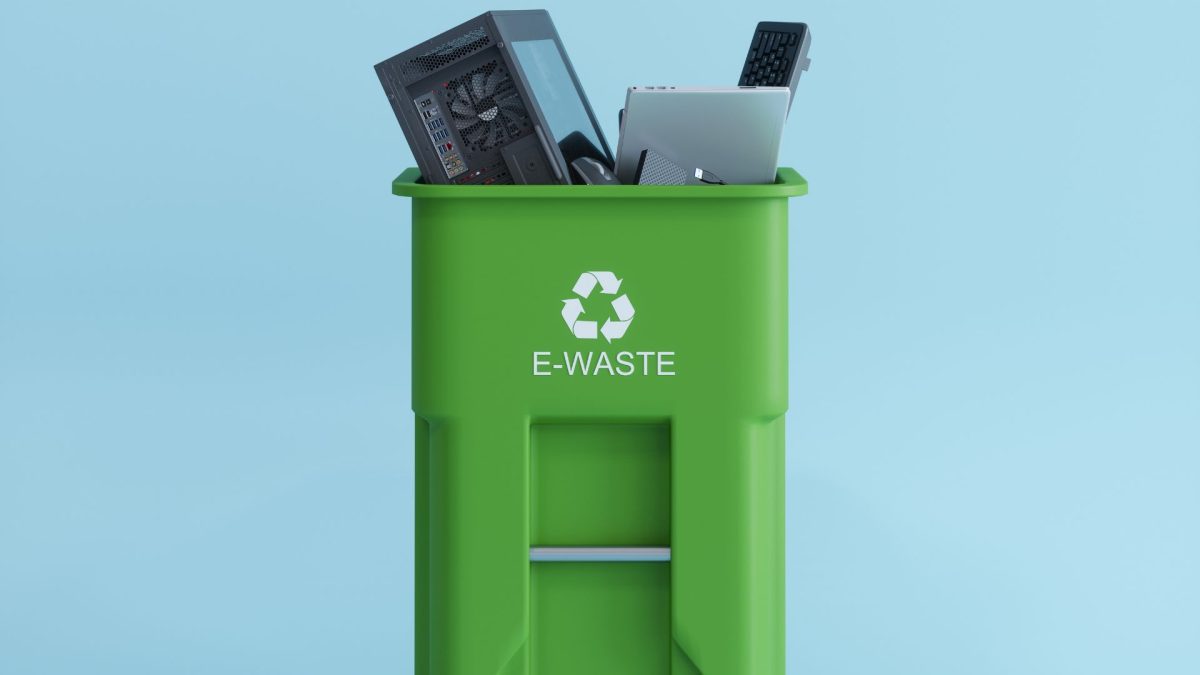
Electronic waste or e-waste encompasses discarded electronic devices, ranging from old computers and smartphones to televisions and kitchen appliances. The rapid pace of technological innovation often renders devices obsolete within a few years, leading to a steady accumulation of e-waste in homes and businesses. While many consider tossing old electronics harmless, the reality is more complex. Improper disposal of e-waste can release hazardous chemicals like lead, mercury, and cadmium into the environment. These substances seep into soil and waterways, posing severe risks to wildlife and human health. For homeowners and businesses alike, recognizing these dangers is the first step toward responsible disposal.
Managing e-waste responsibly extends beyond environmental concerns. Valuable resources such as gold, silver, and rare earth metals can be recovered through proper recycling. Ignoring e-waste not only wastes these precious materials but also contributes to unnecessary mining and environmental degradation. Awareness about the hidden dangers of improperly discarded electronics is vital. By prioritizing e-waste management, individuals and organizations can reduce ecological damage, promote sustainability, and safeguard public health.
Environmental Consequences of Improper Disposal
The improper disposal of electronic devices triggers a cascade of environmental challenges. Electronics contain chemicals and metals that, if released, contaminate soil and water supplies, directly impacting plant and animal life. For instance, lead and cadmium are notorious for their toxicity, causing neurological damage and chronic illnesses in humans and animals. Many discarded electronics end up in landfills, where they gradually degrade and leach harmful substances into surrounding ecosystems. This slow-release contamination can persist for decades, creating long-term environmental hazards.
Air quality also suffers when e-waste is incinerated without proper treatment. Burning electronics releases toxic fumes and particulate matter that contribute to respiratory problems and environmental pollution. Additionally, electronic components often contain plastics that do not biodegrade, adding to the global burden of plastic pollution. By understanding these environmental consequences, homeowners and businesses can make informed decisions about proper e-waste disposal. Proactive measures not only mitigate health risks but also promote ecological resilience in communities.
Legal Responsibilities for E-Waste Disposal
Governments and regulatory bodies have established strict laws governing e-waste disposal. These regulations exist to prevent environmental contamination and protect public health. Homeowners and businesses are increasingly held accountable for their discarded electronics, with penalties for improper disposal ranging from fines to legal action. Compliance requires understanding local e-waste recycling programs, collection centers, and disposal guidelines. Neglecting these responsibilities can result in both financial and reputational damage, especially for businesses aiming to maintain sustainable operations.
E-waste regulations often encourage recycling and reuse, incentivizing responsible disposal practices. Certain jurisdictions offer programs where old electronics are collected and safely processed to recover valuable materials. Compliance with these standards demonstrates social responsibility and environmental stewardship. Businesses that follow e-waste regulations not only avoid penalties but also strengthen trust with customers, partners, and employees. Recognizing these legal obligations underscores why e-waste disposal should be a top priority for all.
Economic Value of Recycling Electronics
Beyond environmental and legal considerations, e-waste holds significant economic value. Many electronic devices contain precious metals such as gold, silver, and palladium, alongside reusable components like circuit boards and plastic casings. When properly recycled, these materials can be extracted and repurposed, reducing the need for virgin resources. This practice lowers production costs for manufacturers while promoting a circular economy, where resources are continuously reused rather than wasted. Ignoring e-waste, in contrast, leads to lost opportunities for financial gain and sustainable resource management.
Investing in e-waste recycling also benefits businesses directly. Companies can partner with certified recycling providers to recover valuable materials from outdated office electronics, turning potential waste into revenue streams. Homeowners may likewise benefit from trade-in or recycling programs that offer credit for old devices. Recognizing the economic potential embedded in e-waste shifts the perception of discarded electronics from mere garbage to a valuable asset, encouraging responsible disposal.
Protecting Personal and Corporate Data
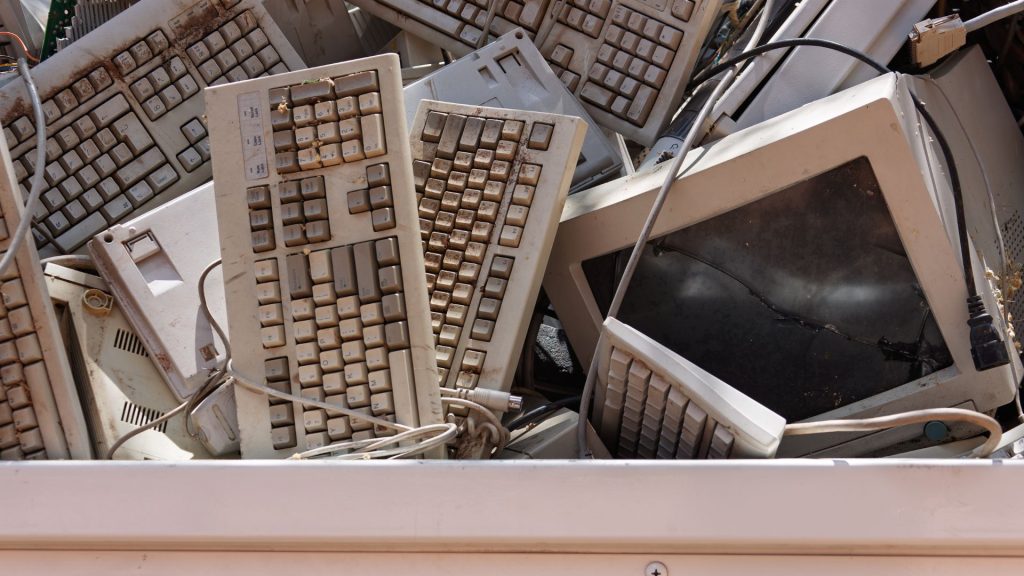
One of the often-overlooked aspects of e-waste disposal is data security. Discarded electronics frequently contain sensitive personal or corporate information, including financial records, login credentials, and proprietary business data. Improper disposal without data wiping or destruction can lead to identity theft, financial loss, or corporate espionage. Homeowners and businesses must ensure that all devices are securely erased or physically destroyed before recycling. This precaution is critical to protect privacy and prevent unauthorized access.
Data breaches linked to discarded electronics are becoming increasingly common. Many individuals and organizations underestimate the risks of not securing old devices, assuming that simply deleting files is sufficient. However, sophisticated recovery tools can retrieve deleted information from storage devices. Engaging certified e-waste disposal services that offer secure data destruction mitigates these risks. Prioritizing secure e-waste disposal protects sensitive information while contributing to broader environmental and sustainability goals.
Reducing Carbon Footprint Through Proper Disposal
Proper e-waste disposal contributes significantly to lowering a household or business’s carbon footprint. Manufacturing new electronics requires considerable energy and raw material extraction, both of which generate greenhouse gas emissions. By recycling old electronics, individuals and organizations reduce the demand for new products, indirectly decreasing the carbon emissions associated with production processes. Sustainable disposal practices are a tangible way to contribute to climate change mitigation.
Moreover, certified e-waste recyclers often employ environmentally friendly methods for dismantling and processing electronics. These practices minimize pollution and optimize resource recovery, further enhancing carbon reduction efforts. For businesses striving for sustainability, integrating responsible e-waste disposal into operational practices aligns with broader environmental initiatives. Homeowners can also take pride in contributing to these efforts, ensuring their discarded electronics support environmental rather than destructive outcomes.
Health Risks from Unmanaged E-Waste
Unmanaged e-waste poses serious health hazards to humans. Exposure to toxic substances such as lead, mercury, and brominated flame retardants can cause neurological damage, respiratory issues, and developmental problems. Children and vulnerable populations are particularly at risk when e-waste is improperly stored or disposed of in residential areas. Homeowners may unknowingly expose themselves and neighbors to harmful chemicals, while employees in businesses that mishandle electronics face occupational health threats.
These health risks extend beyond immediate exposure. Contaminated water sources, polluted soil, and airborne toxins from improper e-waste processing can have long-term effects on public health. Communities with inadequate e-waste management systems often experience higher incidences of chronic illnesses linked to toxic exposure. Recognizing the direct connection between e-waste and human health underscores the urgency for responsible disposal strategies at both the residential and corporate levels.
Community and Environmental Responsibility
Proper e-waste disposal is not just an individual concern; it reflects a commitment to community and environmental responsibility. By ensuring electronics are recycled or donated, homeowners and businesses actively reduce landfill accumulation and prevent pollution. Participating in local e-waste collection drives or partnering with certified disposal services supports community health and environmental preservation. This collective action fosters a culture of sustainability that benefits everyone.
Engaging in responsible e-waste management also enhances social reputation. Businesses demonstrating commitment to environmental stewardship attract conscientious customers, partners, and investors. Homeowners who adopt sustainable disposal practices inspire neighbors and local communities to follow suit. Recognizing the societal impact of e-waste disposal reinforces the notion that personal choices have far-reaching environmental consequences, encouraging proactive and mindful management of electronic waste.
Leveraging Professional E-Waste Disposal Services
Professional e-waste disposal services offer comprehensive solutions that combine safety, compliance, and convenience. Certified providers possess the expertise, equipment, and connections to handle a wide range of electronics responsibly. They ensure hazardous materials are processed correctly, valuable resources are recovered, and data security protocols are strictly followed. For both homeowners and businesses, outsourcing e-waste disposal to experts reduces risks, saves time, and guarantees adherence to regulations.
Furthermore, professional services often provide documentation of recycling and destruction processes, which can be critical for businesses seeking regulatory compliance or sustainability certifications. Homeowners benefit from the assurance that their discarded electronics are handled safely and efficiently. Partnering with professional e-waste disposal companies transforms the daunting task of managing old electronics into a streamlined, responsible process that aligns with environmental and societal values.
Future Implications of E-Waste Neglect
Failing to prioritize e-waste disposal has long-term consequences for both the environment and society. Accumulation of unmanaged electronics exacerbates pollution, strains landfill capacity, and increases the demand for virgin materials. Future generations may inherit landscapes contaminated by toxic substances, contributing to health challenges and environmental degradation. The continued neglect of e-waste undermines global sustainability efforts and intensifies the ecological footprint of modern technology.
Conversely, proactive e-waste management today paves the way for a more sustainable future. By recycling and responsibly disposing of electronics, homeowners and businesses contribute to resource conservation, pollution reduction, and community well-being. Understanding the long-term implications reinforces the urgency to act now, emphasizing that thoughtful management of e-waste today can prevent environmental crises tomorrow. Establishing responsible disposal habits safeguards both natural ecosystems and societal health for generations to come.
Conclusion
E-waste disposal is an essential responsibility for both homeowners and businesses, impacting environmental health, personal safety, and economic sustainability. From mitigating toxic exposure to recovering valuable materials, responsible management of discarded electronics addresses multiple challenges simultaneously. Homeowners who embrace safe e-waste disposal practices protect their families and neighborhoods, while businesses that prioritize proper recycling demonstrate leadership and social responsibility. Ignoring these responsibilities leads to environmental degradation, increased health risks, and the loss of valuable resources, making e-waste disposal a critical priority in modern society.
For residents and companies in Palatine, IL, 24-7 Junk Removal provides professional, eco-conscious junk removal services. Their team ensures that e-waste is handled safely, recycled responsibly, and managed efficiently. Located at 611 W. Wise Schaumburg, IL 60193, they serve the surrounding communities with dedication and reliability. Schedule your junk removal by calling (773) 309-6966 or reaching out via support@24-7junk.com to ensure your old electronics are disposed of responsibly, protecting both your environment and valuable personal or business data.