


Improper disposal of junk goes far beyond cluttering your space. Every item discarded carelessly carries potential hazards that affect soil, water, and air quality. Electronics left to decay in landfills can release heavy metals, while organic materials can produce methane, a potent greenhouse gas. These consequences accumulate silently, contributing to environmental degradation over time. Often, people overlook the broader picture, thinking that tossing items away solves an immediate problem without realizing the long-term ecological costs. Each piece of improperly disposed junk represents a missed opportunity to recycle, donate, or repurpose, which could have prevented harmful environmental outcomes.
Beyond the chemical hazards, the sheer volume of unmanaged waste strains local ecosystems. Wildlife can be injured or poisoned by ingesting or becoming trapped in discarded materials. Waterways often carry pollutants from surface runoff, contaminating aquatic life and disrupting natural habitats. Soil contamination can reduce fertility, affecting urban and rural green spaces alike. By understanding these consequences, individuals and businesses can make more informed decisions about how to handle their junk responsibly. Adopting mindful disposal practices is not just an ethical choice—it’s essential for protecting the health of our planet.
The Role of Recycling in Reducing Environmental Damage
Recycling is a critical tool in mitigating the environmental impact of junk. By diverting materials such as metals, plastics, and electronics from landfills, recycling reduces the need for raw resource extraction and lowers energy consumption. Each item recycled conserves valuable materials and diminishes pollution associated with manufacturing new products. Moreover, properly sorted recycling helps prevent hazardous substances from leaching into the environment. Without recycling, many items that could serve a second life instead contribute to a growing mountain of waste, harming ecosystems and human health alike.
Communities and businesses that embrace recycling initiatives not only reduce environmental damage but also promote a culture of sustainability. When individuals are conscious of what can be recycled or repurposed, waste becomes an opportunity rather than a burden. Education and awareness campaigns reinforce this mindset, encouraging people to consider the full life cycle of their belongings. Recycling facilities and donation centers provide practical solutions, making it easier for people to act responsibly. Collectively, these efforts foster a healthier environment and create a more sustainable society where waste is minimized, resources are conserved, and the planet’s ecosystems remain resilient.
The Threat of E-Waste and Hazardous Materials
Electronic waste, or e-waste, is a particularly insidious form of junk because of its toxic components. Old computers, televisions, and appliances contain metals such as lead, mercury, and cadmium, which can seep into the soil and groundwater if disposed of improperly. These substances pose significant health risks to humans and wildlife, including neurological damage and reproductive harm. Additionally, e-waste often ends up in informal recycling operations overseas, where workers are exposed to dangerous chemicals without adequate protection, perpetuating global environmental and health crises.
Hazardous household items like batteries, paint, and cleaning chemicals are equally concerning. These substances can ignite, corrode, or contaminate water systems when thrown away indiscriminately. Even seemingly harmless items can create environmental challenges if left unchecked. Proper disposal requires understanding local regulations and taking advantage of specialized collection services. By separating hazardous materials from general waste and seeking professional recycling or disposal solutions, individuals can drastically reduce their environmental footprint and prevent long-term ecological damage.
Landfill Overload and Its Ripple Effects
Landfills are often seen as a simple solution to excess junk, but they carry hidden consequences. As landfills expand, they take up valuable land and disrupt natural landscapes. Decomposing waste produces methane, a greenhouse gas far more potent than carbon dioxide, contributing to climate change. Leachate, the liquid formed as water filters through landfill materials, can contaminate nearby soil and water if not properly managed. Over time, these effects compound, creating long-term environmental and public health challenges for surrounding communities.
Furthermore, landfill dependence discourages responsible waste management practices. When disposal seems effortless, individuals and businesses may feel less incentive to reduce, reuse, or recycle. This cycle of neglect exacerbates waste accumulation, increasing the ecological burden. By understanding the environmental costs associated with landfill reliance, people are encouraged to explore alternative strategies for waste reduction. Strategies like donation, resale, and professional junk removal services help divert significant amounts of waste from landfills, minimizing the associated greenhouse gas emissions and environmental contamination.
How Sustainable Junk Removal Practices Make a Difference
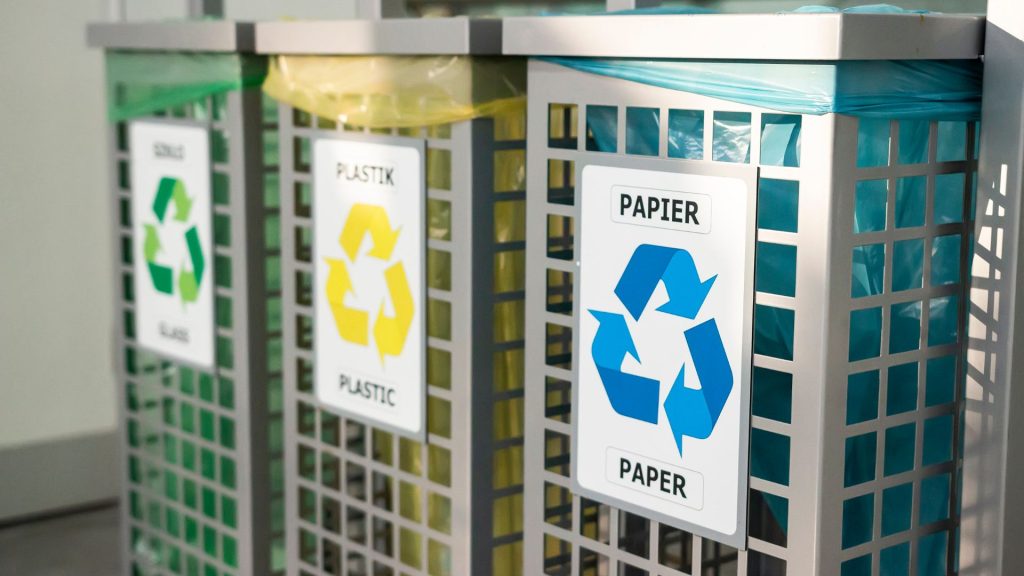
Sustainable junk removal goes beyond simply clearing clutter—it actively protects the environment. Professionals trained in eco-friendly disposal techniques can ensure that items are recycled, repurposed, or donated whenever possible. This approach reduces landfill contributions and conserves natural resources, turning waste into opportunity. By prioritizing sustainability, junk removal services play a crucial role in mitigating environmental degradation while helping clients manage their unwanted items efficiently.
Proper sorting of materials is a cornerstone of sustainable junk removal. Items like metals, plastics, and electronics are separated for recycling, while functional goods are directed to donation centers. Hazardous items are safely disposed of, reducing the risk of soil and water contamination. Communities that support these practices not only benefit environmentally but also socially, as donations reach individuals and organizations in need. Emphasizing sustainability in junk removal creates a ripple effect, encouraging responsible consumption and disposal patterns while protecting the natural world for future generations.
The Economic and Ecological Advantages of Donating Items
Donation is an often-overlooked aspect of responsible junk disposal that benefits both people and the planet. Donating usable items such as furniture, clothing, and electronics keeps materials out of landfills and provides essential resources to those in need. This practice extends the life cycle of products, reducing demand for new production and conserving natural resources. Each donation can help offset carbon emissions associated with manufacturing while fostering a culture of giving within local communities.
Additionally, donations reduce the economic burden on waste management systems. Fewer items entering landfills mean lower disposal costs and less environmental remediation. By giving unwanted items a second life, individuals and businesses contribute to a circular economy where resources are continuously reused. Donation centers and charitable organizations serve as practical partners in this process, providing accessible solutions for responsible disposal. Encouraging donation not only preserves the environment but also strengthens social networks and supports community resilience.
The Importance of Educating Communities About Waste
Awareness is a key factor in preventing the environmental consequences of improper junk disposal. Many people are unaware of the hazards associated with careless waste management, leading to practices that harm the planet. Community education programs, workshops, and outreach campaigns can bridge this knowledge gap, promoting responsible disposal techniques and eco-friendly habits. Understanding the impact of each discarded item empowers individuals to make informed choices that reduce ecological damage.
Education also fosters long-term behavioral change. When communities learn the benefits of recycling, repurposing, and donating, they are more likely to adopt these practices consistently. Local governments and organizations can provide resources, incentives, and convenient disposal options to reinforce these behaviors. Engaging residents in sustainability initiatives creates collective responsibility, transforming environmental stewardship into a shared value. By equipping communities with knowledge, society can prevent waste from becoming an environmental crisis and ensure that resources are used efficiently and ethically.
Technological Solutions to Manage Junk Responsibly
Technology offers innovative ways to reduce the environmental footprint of junk disposal. Apps and online platforms connect users with recycling centers, donation networks, and professional junk removal services, making responsible disposal easier and more accessible. Advanced sorting technologies in recycling facilities enhance efficiency and ensure that materials are processed correctly. These innovations help close the loop in the product life cycle, preventing unnecessary waste and environmental degradation.
Furthermore, digital tools enable tracking and reporting, providing insights into waste management trends and resource recovery rates. Businesses can use these systems to improve sustainability metrics and comply with environmental regulations. Consumers can also leverage technology to locate eco-friendly disposal options near them, reducing reliance on landfills. By embracing technological solutions, society can transition toward smarter, more sustainable junk management practices that preserve resources and protect ecosystems for the long term.
Policy and Regulation: Shaping Responsible Disposal
Government policies and regulations play a crucial role in guiding responsible junk disposal. Legislation that mandates recycling, limits landfill use, and regulates hazardous materials ensures that communities handle waste sustainably. Compliance with these rules prevents environmental contamination, conserves natural resources, and encourages businesses and individuals to adopt greener practices. Without regulation, improper disposal becomes more prevalent, intensifying pollution and ecological harm.
Policies can also incentivize responsible behavior, such as tax breaks for donations or penalties for illegal dumping. These measures help align economic motivations with environmental priorities, fostering sustainable habits at a societal level. Collaboration between policymakers, businesses, and community members is essential for effective waste management. By integrating policy guidance with practical disposal options, society can reduce the ecological impact of junk, support resource recovery, and cultivate a culture of environmental responsibility.
Integrating Waste Reduction into Daily Life
Reducing junk starts with conscious choices in everyday life. By buying only what is necessary, repairing rather than replacing items, and repurposing materials, individuals can dramatically decrease the volume of waste generated. Thoughtful consumption not only reduces clutter but also conserves resources and energy, making environmental stewardship a natural part of daily routines. These small, consistent actions collectively make a significant difference in mitigating the harmful effects of improper junk disposal.
Additionally, businesses can implement internal waste reduction strategies such as digital record keeping, sustainable packaging, and regular inventory audits to minimize discarded materials. Community-level initiatives, such as neighborhood swap events or local repair workshops, encourage collective participation in waste reduction. By embedding these practices into personal and professional habits, society can create a sustainable cycle where junk is minimized, reused, or recycled, protecting the environment and ensuring resources are available for future generations.
Conclusion
Improper junk disposal carries far-reaching environmental consequences, from contaminating soil and water to contributing to greenhouse gas emissions. Each item carelessly discarded represents lost opportunities for recycling, donation, or safe disposal, amplifying ecological damage over time. Adopting responsible disposal methods, including professional junk removal, recycling, and donation, is essential to mitigate these risks and protect natural resources. By making conscious decisions and embracing sustainable practices, individuals and businesses contribute to healthier ecosystems and a more resilient planet.
For residents and businesses in Palatine, IL, professional services like 24-7 Junk Removal offer a practical solution for environmentally responsible disposal. Their team ensures that unwanted items are handled safely, with a focus on recycling and repurposing whenever possible. Contact 24-7 Junk Removal at (773) 309-6966 or visit their location at 611 W. Wise Schaumburg, IL 60193 to schedule junk removal services that prioritize both convenience and sustainability. By leveraging such expert services, the community can significantly reduce its environmental footprint while maintaining a clutter-free space.