

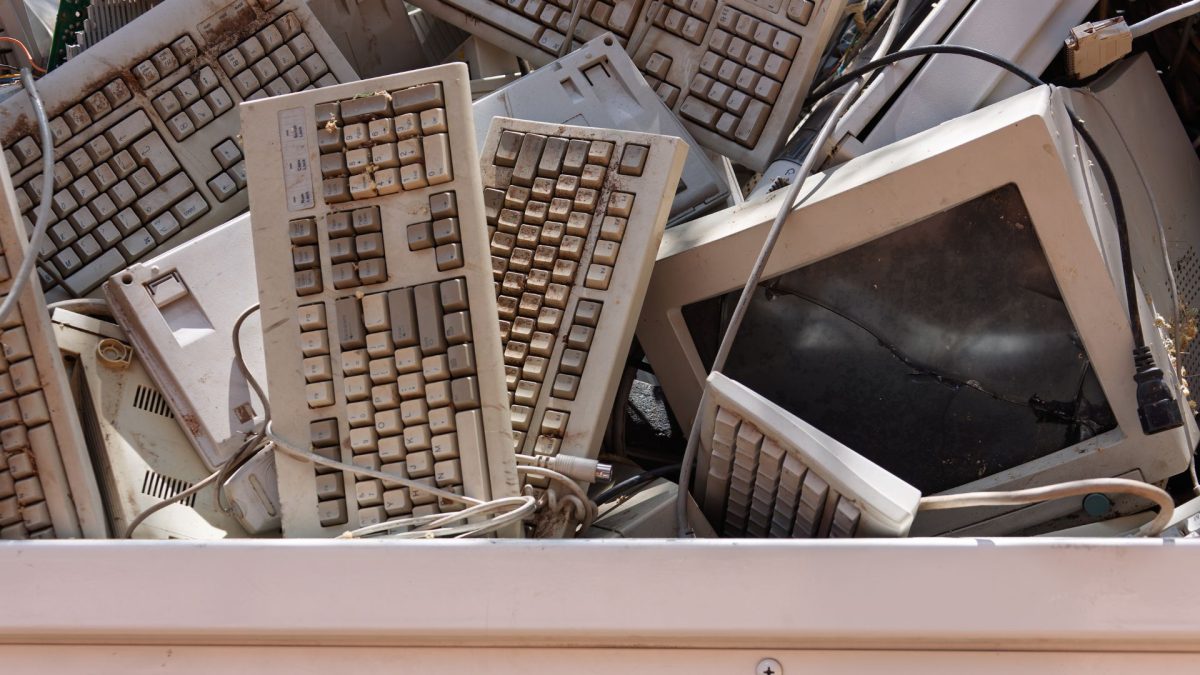
Electronic waste, commonly known as e-waste, encompasses outdated, broken, or unused electronic devices that accumulate in business environments over time. Computers, printers, monitors, servers, and other office electronics often become obsolete at a rapid pace, leaving companies with the challenge of proper disposal. When improperly discarded, e-waste can release harmful chemicals and heavy metals into the environment, affecting soil, water, and air quality. This creates a significant ecological footprint, which businesses can actively minimize through responsible disposal practices.
E-waste management is not only an environmental concern but also a regulatory and operational consideration. Businesses must ensure compliance with local, state, and federal guidelines for electronic disposal. By taking proactive measures, companies reduce liability risks and promote workplace safety. Moreover, handling e-waste responsibly signals a commitment to sustainability, enhancing corporate reputation and demonstrating social responsibility to clients, employees, and stakeholders alike.
Benefits of Proper E-Waste Disposal for Businesses
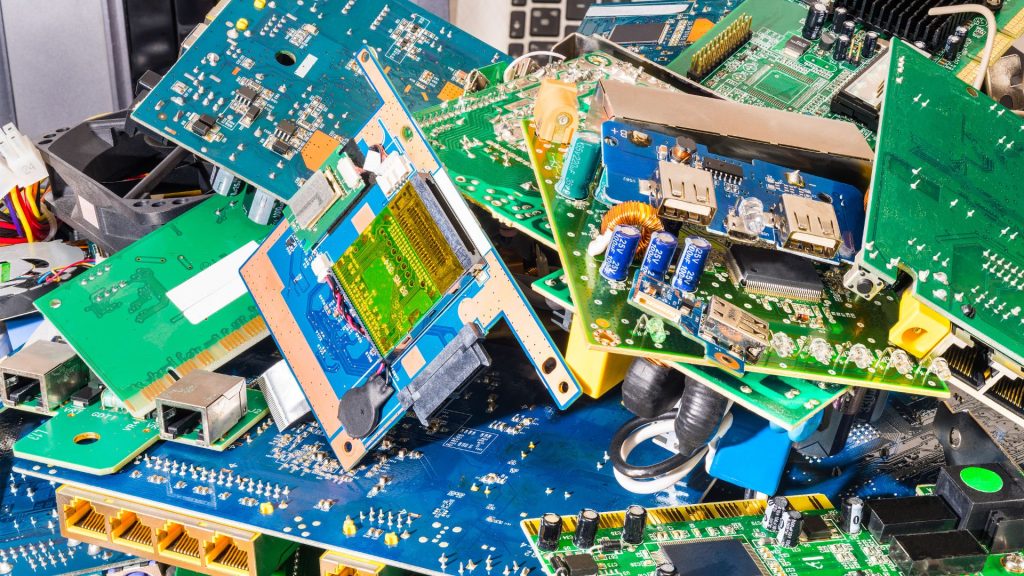
Proper disposal of e-waste offers several tangible and intangible advantages for businesses. Environmentally, recycling and safe disposal prevent toxic substances from entering landfills and water systems, helping preserve natural resources and supporting sustainability initiatives. Financially, companies can often recover value from retired electronics through resale or recycling programs that reclaim valuable metals such as gold, silver, and copper from circuit boards and other components.
Operationally, organized e-waste management streamlines workspace efficiency by eliminating clutter, freeing up valuable office space, and reducing storage costs. Employees benefit from a cleaner, safer work environment, while businesses reinforce a culture of responsibility. Additionally, proper e-waste disposal fosters community goodwill by demonstrating that the company prioritizes sustainable practices, which can positively influence customer perceptions and strengthen brand loyalty.
Common Types of E-Waste in Businesses
Businesses generate a wide array of electronic waste, reflecting the variety of devices used in modern offices. Common items include desktop and laptop computers, printers, copiers, fax machines, servers, and networking equipment. Mobile devices, tablets, and obsolete audiovisual equipment such as projectors and teleconferencing systems also contribute significantly to e-waste accumulation.
Understanding the types of e-waste is essential for businesses to implement targeted disposal strategies. Each category may require distinct handling procedures due to material composition, data sensitivity, or regulatory requirements. By categorizing devices, businesses can prioritize recycling, resale, donation, or safe destruction, ensuring compliance with environmental standards while maximizing recovery of reusable resources and minimizing environmental harm.
Risks of Improper E-Waste Disposal
Neglecting proper e-waste disposal can expose businesses to serious environmental, legal, and financial risks. Toxic materials like lead, mercury, cadmium, and brominated flame retardants present in electronics can contaminate soil and water if disposed of improperly. These pollutants pose health hazards to communities and wildlife, potentially resulting in reputational damage for companies perceived as environmentally negligent.
Additionally, businesses face legal consequences for failing to adhere to disposal regulations. Fines, penalties, and litigation can arise from violations of federal, state, and local environmental laws. Beyond legal implications, improperly managed e-waste may also lead to data security breaches if sensitive information on devices is not properly destroyed. Such risks underscore the importance of adopting comprehensive e-waste management practices tailored to business needs.
Data Security Considerations in E-Waste Management
Data security is a critical factor in e-waste disposal for businesses. Devices often store sensitive client information, financial records, employee data, and proprietary company information that must be protected during disposal. Without secure data destruction practices, businesses risk identity theft, data breaches, and regulatory non-compliance under privacy laws like GDPR or CCPA.
Implementing secure data erasure protocols or physical destruction methods ensures that all confidential information is rendered irretrievable. Certified e-waste recyclers often provide documentation confirming safe data destruction, giving businesses peace of mind and maintaining trust with stakeholders. By integrating security measures into e-waste management, companies can safeguard their reputation and mitigate potential operational and legal consequences.
Choosing the Right E-Waste Disposal Partner
Selecting a reliable e-waste disposal partner is essential for businesses to manage electronic waste responsibly. Professional providers offer comprehensive solutions, including on-site pickup, secure data destruction, and environmentally responsible recycling. Partnering with certified recyclers ensures compliance with regulatory standards while maximizing resource recovery and minimizing environmental impact.
Businesses should evaluate service providers based on experience, certifications, customer reviews, and transparency of recycling processes. Providers who prioritize eco-friendly methods, donation programs, and proper documentation enhance a company’s sustainability profile. A trusted partner simplifies the disposal process, reduces operational burden, and provides reassurance that e-waste is managed safely and ethically, aligning with corporate social responsibility goals.
Steps to Implement a Corporate E-Waste Program
Implementing an effective e-waste program begins with a company-wide assessment of electronic assets. Conducting a comprehensive inventory helps identify devices ready for disposal, recycling, or donation. Establishing clear policies for handling obsolete electronics and training staff on proper procedures ensures consistent compliance across departments.
Next, businesses should develop partnerships with certified e-waste recyclers to streamline logistics and guarantee secure processing. Incorporating scheduled pickups, reporting mechanisms, and documentation for disposed items reinforces accountability and simplifies auditing. By maintaining ongoing monitoring and periodic program reviews, businesses can optimize efficiency, reduce environmental impact, and maintain regulatory compliance while demonstrating a proactive approach to sustainability.
Environmental and Social Benefits of E-Waste Recycling
Recycling e-waste offers significant environmental and social benefits. By diverting electronics from landfills, businesses prevent the release of harmful chemicals and conserve finite natural resources. Recovered materials can be repurposed in manufacturing new electronics, reducing energy consumption and promoting a circular economy.
Socially, e-waste recycling programs support communities through donation of usable devices to schools, non-profits, or other organizations in need. These initiatives enhance corporate social responsibility efforts, fostering goodwill and strengthening community ties. Through conscientious recycling practices, businesses contribute positively to society while reinforcing their commitment to sustainable and ethical operations.
Compliance with Regulations and Standards
Adhering to environmental regulations and standards is a critical component of e-waste management. Businesses must navigate federal, state, and local laws governing disposal, recycling, and data security. Compliance reduces legal liability, safeguards public health, and ensures proper handling of hazardous materials contained in electronics.
Maintaining detailed records, certifications, and disposal reports provides proof of adherence to regulations, which is essential during audits or inspections. Companies that proactively engage with regulatory frameworks demonstrate accountability and establish trust with clients and partners. Compliance also enables businesses to avoid fines and reputational damage, highlighting the intersection of environmental stewardship and operational responsibility.
Cost Management Strategies in E-Waste Disposal
Strategically managing costs in e-waste disposal allows businesses to balance sustainability with financial efficiency. While outsourcing to certified recyclers entails upfront costs, these services often offer value through materials recovery, tax benefits, and reduced liability risks. Evaluating disposal options carefully helps businesses optimize expenditures while achieving environmental goals.
Incorporating cost management practices such as bulk disposal scheduling, vendor negotiations, and reuse or resale of viable equipment can further enhance efficiency. By treating e-waste disposal as a planned operational function rather than an ad-hoc expense, companies streamline budgeting processes, minimize financial waste, and reinforce a sustainable approach that benefits both the environment and the bottom line.
Leveraging Technology for Efficient E-Waste Tracking
Technology plays a pivotal role in effective e-waste management. Digital inventory systems, tracking software, and reporting tools enable businesses to monitor electronic assets from acquisition to disposal. These platforms provide data analytics, compliance tracking, and insight into material recovery, streamlining decision-making and operational oversight.
By leveraging technology, businesses can automate routine processes, reduce human error, and maintain an auditable trail for all e-waste activities. Integration of such systems ensures transparency, accountability, and operational efficiency while supporting sustainability objectives. Technology-driven tracking also enables businesses to make informed choices about recycling partners, logistics, and asset lifecycle management, optimizing overall e-waste strategy.
Conclusion
Proper e-waste disposal is a critical responsibility for businesses aiming to operate sustainably and ethically. It encompasses careful handling of electronic devices, secure data destruction, regulatory compliance, and environmental stewardship. By embracing structured programs and collaborating with certified recyclers, companies can mitigate risks, recover value from old electronics, and enhance their operational efficiency. Proactive e-waste management also reflects a company’s dedication to corporate social responsibility, fostering trust and credibility among clients and stakeholders.
For businesses in Palatine, IL, 24-7 Junk Removal provides comprehensive e-waste and junk removal services tailored to commercial needs. Their team ensures secure, environmentally responsible disposal, helping companies maintain compliance while minimizing environmental impact. To schedule a service or inquire about commercial e-waste solutions, contact 24-7 Junk Removal at (773) 309-6966. Operating from 611 W. Wise Schaumburg, IL 60193, they deliver professional, efficient, and reliable service, reinforcing a business’s commitment to sustainability and operational excellence.