


Before making decisions about old office furniture, it’s important to carefully evaluate its current condition. Each piece should be inspected for structural integrity, functionality, and aesthetic appeal. Chairs may have wobbly legs or torn upholstery, while desks might be scratched or dented. Understanding which items are still usable versus those beyond repair can help streamline the cleanout process. Keeping furniture that has potential for reuse can save money and reduce unnecessary waste, while damaged items that no longer serve a purpose should be earmarked for removal or recycling. By methodically assessing each piece, office managers can prioritize what needs immediate attention and what can be temporarily stored or repurposed for other areas within the office.
Equally important is considering the design and compatibility of your existing furniture. Some pieces might be outdated or no longer match the office’s current layout, even if they remain functional. Evaluating the condition alongside design relevance helps in making smarter decisions for a cohesive workspace. Planning a clear strategy for furniture evaluation ensures that the cleanout process is both efficient and environmentally responsible. This step also reduces the risk of clutter accumulating during transitions, creating a smoother experience for employees and minimizing disruption to office operations.
Exploring Donation Options for Usable Furniture
When office furniture is still functional, donation offers a meaningful way to extend its life. Local charities, schools, and nonprofit organizations often welcome gently used desks, chairs, and cabinets. Donating furniture not only benefits the community but also helps your company reduce environmental impact by diverting items from landfills. Before donating, ensure that each piece is clean, safe, and free from major defects. Packaging items for transport or arranging pickups with organizations can simplify the donation process, making it more convenient for your team. Researching local donation centers ahead of time ensures that your furniture reaches organizations that can put it to good use, maximizing both its value and impact.
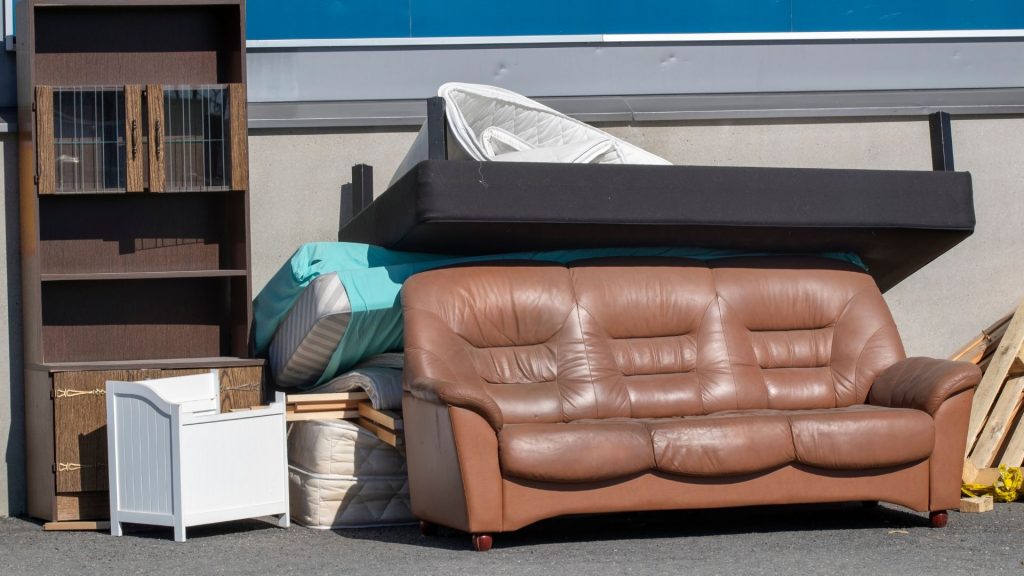
Beyond traditional charities, consider professional programs that refurbish office furniture for reuse. Some companies specialize in redistributing or repurposing office equipment, providing organizations with tax deductions for their contributions. This approach combines social responsibility with financial benefits, making it a win-win scenario. Furthermore, donation helps foster a positive corporate image by demonstrating a commitment to sustainability and community support. Thoughtful planning and scheduling of donation efforts ensure that usable furniture leaves the office in a timely, organized manner, paving the way for an efficient cleanout.
Selling Surplus Furniture for Extra Revenue
If your office furniture still holds value, selling it can be an effective way to recoup costs. Platforms like online marketplaces or office liquidators provide opportunities to reach potential buyers interested in secondhand furniture. Properly photographing, describing, and pricing each item is crucial to attracting buyers and achieving sales quickly. Depending on the condition of your furniture, you might consider bundling sets such as desks with matching chairs, which can appeal more to businesses looking for office solutions. Taking the time to organize and display furniture before listing ensures the process runs smoothly and maximizes returns.
Some businesses also leverage auctions or consignment sales to sell surplus office furniture. Auctions can expedite the process, particularly for large quantities, while consignment allows items to reach buyers without direct handling. Selling excess furniture not only generates extra revenue but also reduces storage needs, freeing up office space for new items or operations. By exploring different sales channels, companies can identify the best strategy to move furniture quickly while maintaining profitability. Efficient management of this process ensures that the office cleanout is productive, financially beneficial, and aligned with the overall transition plan.
Recycling Damaged or Obsolete Furniture
Furniture that is broken beyond repair or outdated presents an opportunity for recycling rather than disposal. Materials such as metal, wood, and plastic can often be repurposed or processed to reduce environmental impact. Partnering with certified recycling facilities guarantees that furniture is handled responsibly, keeping hazardous materials out of landfills and promoting sustainability. Before sending items for recycling, separating materials by type can speed up the process and prevent contamination. Prioritizing recycling over traditional disposal aligns with eco-friendly initiatives and enhances a company’s commitment to environmental responsibility.
Recycling also offers practical benefits for businesses undergoing an office cleanout. Removing large quantities of obsolete furniture can be challenging, but professional recycling services provide logistical support for transportation, dismantling, and processing. By ensuring that furniture is disposed of in an environmentally conscious manner, companies can mitigate waste management concerns while contributing to a circular economy. Recycling initiatives demonstrate proactive efforts toward sustainability, making it easier for businesses to maintain a positive reputation and meet corporate social responsibility goals. A well-executed recycling plan simplifies the cleanout process and ensures that even unusable furniture serves a beneficial purpose.
Repurposing Furniture Within the Office
Repurposing old furniture is an inventive way to save money while giving items a new lease on life. For instance, filing cabinets can be converted into storage for breakrooms, supply closets, or creative workspaces. Desks that no longer suit one department might be moved to another area, extending their utility. By thinking creatively about alternative uses, companies can reduce the need for new furniture purchases and maximize existing resources. Repurposing also offers a unique opportunity to enhance office aesthetics, creating functional yet visually appealing spaces without significant investment.
In addition to functional repurposing, some furniture can be adapted for decorative or organizational purposes. Wooden desks can be turned into shelving units, and office chairs might be refreshed with new upholstery to fit different zones. Encouraging employees to contribute ideas for repurposing fosters engagement and collaboration, making the cleanout process a participatory project. Repurposing not only minimizes waste but also preserves the value of materials that might otherwise be discarded. By implementing innovative approaches, offices can transform old furniture into practical assets, reducing costs and boosting overall efficiency during cleanouts.
Coordinating Professional Junk Removal Services
Engaging professional junk removal services streamlines the process of clearing out old office furniture efficiently. Trained teams handle heavy lifting, transportation, and disposal, saving businesses significant time and effort. With expertise in navigating tight spaces and managing bulky items, professionals ensure that furniture is removed safely without damage to the office environment. Coordinated scheduling allows cleanouts to occur with minimal disruption, ensuring that daily operations continue smoothly. Choosing a trusted junk removal service provides peace of mind and allows managers to focus on higher-priority tasks rather than labor-intensive cleanout logistics.
Professional services also provide environmentally conscious disposal methods. Reputable companies prioritize recycling, donation, and safe disposal to minimize the impact on landfills. Many offer flexible packages to handle different quantities and types of furniture, making it easier to plan large-scale cleanouts. By leveraging expert knowledge and equipment, offices can navigate the logistical complexities of furniture removal efficiently. This approach guarantees a faster, safer, and more organized process, aligning with both operational needs and sustainability goals. Professional assistance reduces stress while enhancing the overall effectiveness of office cleanouts.
Strategizing for Minimal Disruption During Cleanouts
Maintaining office productivity during a furniture cleanout requires careful planning. Scheduling removal activities during off-hours or weekends minimizes interference with daily operations, while clear communication ensures that employees are prepared for temporary changes in workspace layout. Assigning point people to coordinate logistics and oversee the process reduces confusion and maintains a smooth workflow. Thoughtful scheduling and coordination help prevent bottlenecks and maintain efficiency even amid a significant office transformation.
Effective cleanout strategies also involve pre-planning the sorting and staging of furniture. Identifying items to keep, donate, sell, or recycle ahead of time creates an organized approach that reduces chaos during removal. Establishing designated areas for staging furniture can streamline transportation and minimize office disruption. Proper planning mitigates the impact of furniture removal on work routines, allowing employees to maintain focus while the cleanout progresses. This organized approach ensures a seamless transition that balances operational continuity with the demands of office restructuring.
Managing Costs Associated With Furniture Disposal
Understanding and managing costs is a crucial component of an office cleanout. Direct expenses may include transportation, disposal fees, and any charges associated with donation or recycling services. Indirect costs, such as employee time spent organizing and moving furniture, should also be factored in to gain a comprehensive understanding of the financial impact. Proper budgeting allows businesses to anticipate costs, allocate resources efficiently, and avoid unexpected expenditures. Clear planning also ensures that the cleanout process remains financially sustainable while achieving its intended goals.
Cost management can be further optimized through creative solutions such as selling usable furniture or partnering with donation programs that offer tax incentives. Engaging professional removal services may appear costly initially but can reduce long-term expenses by streamlining logistics and preventing property damage. Comparing multiple options, negotiating service packages, and exploring alternative disposal methods all contribute to keeping costs manageable. By evaluating both financial and operational aspects, companies can execute a furniture cleanout that balances efficiency with fiscal responsibility.
Preparing Documentation and Inventory Tracking
Maintaining detailed records during a furniture cleanout is essential for accountability and transparency. Creating an inventory of items to be removed, sold, donated, or recycled helps track progress and ensures nothing is overlooked. Documentation can also serve as a reference for financial reporting, insurance purposes, or future office planning. Organizing records clearly facilitates communication among team members and provides a tangible record of the cleanout process.
In addition to tracking items, documenting the condition and disposition of furniture helps identify patterns or areas for improvement. Recording what items were donated, sold, or recycled allows companies to evaluate the effectiveness of their cleanout strategy and make informed decisions for future projects. This level of organization supports operational efficiency, enhances accountability, and ensures that all aspects of furniture management are properly addressed. Systematic tracking transforms what could be a chaotic process into a structured, well-managed project.
Implementing Long-Term Office Organization Strategies
A furniture cleanout offers the perfect opportunity to rethink office layout and organization for the long term. Once old items are removed, businesses can redesign spaces to promote efficiency, collaboration, and a more welcoming environment. Considering ergonomics, workflow, and aesthetics during this process ensures that new furniture placement supports both employee comfort and operational goals. A strategic approach to organization helps prevent future clutter accumulation and maintains a productive work environment.
Long-term strategies also include creating policies for ongoing furniture management. Implementing guidelines for regular cleanouts, donation schedules, and furniture rotation prevents accumulation of unused items. Encouraging employees to participate in maintaining organization promotes accountability and awareness of office space utilization. By combining physical cleanout efforts with systemic organizational planning, companies can sustain a streamlined, functional workspace that accommodates growth and adapts to evolving operational needs. Proactive strategies ensure that future office transformations occur smoothly and efficiently.
Conclusion
Old office furniture presents both challenges and opportunities during a cleanout. Whether donating, selling, recycling, or repurposing, each option requires careful planning and execution. Businesses can benefit from evaluating the condition of furniture, exploring creative reuse possibilities, and coordinating professional removal services to minimize disruption. These strategies not only optimize office space but also support sustainability and operational efficiency. Proper planning and organization transform the daunting task of furniture removal into a manageable, productive process.
For companies in Palatine, IL seeking reliable support with office cleanouts, 24-7 Junk Removal offers comprehensive services tailored to handle all aspects of furniture removal. Their team ensures efficient, safe, and eco-conscious disposal of old office furniture while streamlining logistics to minimize disruption. Contact 24-7 Junk Removal at (773) 309-6966 or visit their location at 611 W. Wise Schaumburg, IL 60193 for professional junk removal solutions. Email inquiries can be sent to support@24-7junk.com to coordinate services. Choosing expert assistance ensures a smooth, organized, and environmentally responsible office cleanout that benefits both your business and the community.