

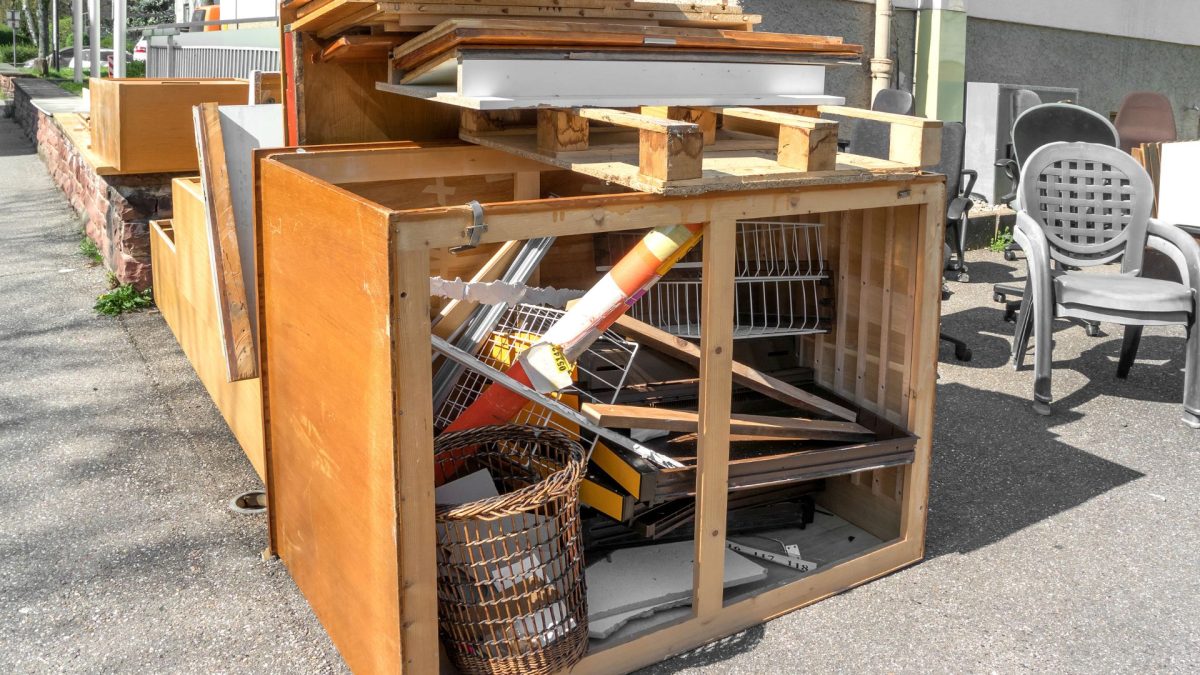
Removing furniture can be more complicated than it seems. A well-thought-out plan can save time, energy, and prevent damage to your home or belongings. Start by assessing the size and weight of the items you intend to remove. Identify narrow doorways, staircases, or tight corners that could create obstacles. This initial evaluation allows you to determine whether additional equipment, such as dollies or straps, might be necessary. Preparing in advance also helps in estimating how many people will be needed to safely move large pieces, reducing the risk of accidents or strain injuries. Taking the time to map out the process can turn what could be a chaotic task into a smooth and controlled operation.
Another essential aspect of planning is deciding the disposal method. Determine whether the furniture can be donated, recycled, or requires professional junk removal. Sorting items early prevents last-minute decisions and ensures that you handle each piece responsibly. By organizing the process from the start, you also minimize unnecessary trips and keep the removal process streamlined. This preparation stage is crucial for a stress-free and efficient experience, laying the foundation for a safe furniture removal session.
Assessing the Condition and Type of Furniture
Before lifting a single item, evaluate the furniture’s condition. Some pieces might be fragile, with loose joints or delicate materials that could break during handling. Identifying these weaknesses beforehand allows you to take special precautions, like reinforcing connections or wrapping surfaces to prevent scratches and dents. The type of furniture also matters. Heavy wooden dressers, metal frames, and upholstered sofas each present unique challenges. Understanding the specifics helps you determine the safest handling techniques for each item, reducing the likelihood of injury or property damage.
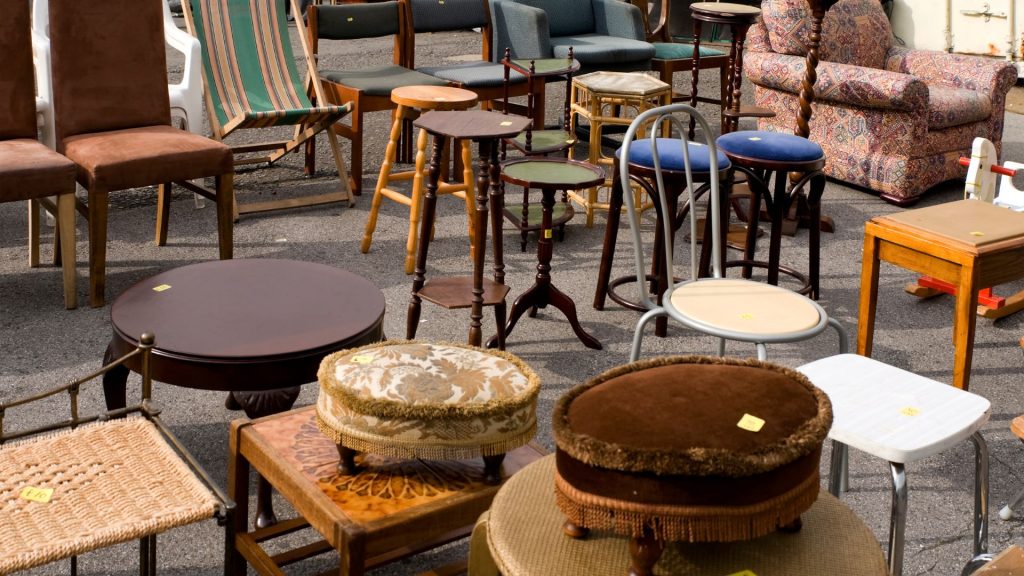
Pay attention to detachable parts as well. Removing drawers, cushions, or glass panels not only makes furniture lighter and easier to maneuver but also prevents accidents. Labeling components and keeping screws and bolts in a secure bag ensures that reassembly, if necessary, is straightforward. By taking a methodical approach to each piece, you create a safer and more predictable furniture removal experience. This preparation ultimately contributes to efficiency while protecting both your items and your home.
Clearing Pathways for Safe Movement
One of the most overlooked steps in furniture removal is ensuring clear pathways. Obstacles in hallways, doorways, or staircases can cause trips, falls, and even damage to the furniture itself. Start by moving smaller items and rugs out of the way, and make sure floors are clean and dry to avoid slips. If possible, create a direct route from the furniture’s current location to the vehicle or disposal area. Knowing your route in advance allows movers to focus on lifting and carrying without worrying about unexpected barriers.
Additionally, pay attention to door widths and ceiling heights. Some pieces may need to be tilted or disassembled to pass through narrow spaces. Removing doors from hinges or clearing wall-mounted items temporarily can prevent scratches and dents. By investing time in preparing the physical space, you minimize hazards and make each lift more controlled. Safe movement through well-cleared pathways is an essential component of an efficient furniture removal process.
Using Proper Lifting Techniques
Heavy furniture can be a serious risk for back injuries if lifted incorrectly. Always bend at the knees rather than the waist, keeping your back straight and using your legs to lift. This technique distributes the weight more safely and reduces strain on your spine. Coordinate with others when lifting larger items, ensuring that everyone lifts and moves together in unison. Communicating clearly during each step prevents sudden shifts in weight that could cause injury or damage.
Additionally, use tools like lifting straps or dollies to assist with particularly bulky or awkward pieces. These devices reduce the physical load and allow for smoother transport, especially over longer distances. Even with multiple people, relying on equipment for support ensures that furniture removal is safe and efficient. Proper lifting is not just about safety; it also helps maintain the integrity of the furniture, preventing cracks, scratches, or broken parts during the move.
Protecting Furniture and Home Surfaces
Furniture removal can result in accidental scratches, dents, or scuffs if surfaces are not properly protected. Use blankets, furniture pads, or bubble wrap to shield items from damage during transport. Cover sharp corners and edges to prevent gouging walls or doorframes. Taking these precautions ensures that both the furniture and your home remain in pristine condition, reducing the need for repairs or touch-ups after the move.
Protecting surfaces extends to floors as well. Sliding furniture across hardwood or tile without padding can cause scratches. Use sliders or lift furniture entirely to prevent dragging. Wrapping items not only safeguards them but also helps keep loose components, like knobs or drawer handles, in place during transport. By taking deliberate steps to protect your property, you create a safer environment that makes furniture removal a less stressful and more efficient task.
Disassembling Furniture When Necessary
Many furniture pieces can be dismantled to facilitate easier removal. Beds, tables, and cabinets often come apart in sections, reducing their weight and bulk. Disassembly minimizes the risk of injury and prevents damage to both furniture and home. Keep track of screws, bolts, and small components by storing them in labeled bags. This methodical approach ensures that reassembly will be simple and error-free once the furniture reaches its new location or disposal point.
Disassembling furniture also allows for smoother maneuvering through narrow doorways and staircases. It provides flexibility in transport, whether using a vehicle or a moving dolly. Taking the time to break down complex pieces reduces physical strain and streamlines the removal process. Ultimately, furniture disassembly is a practical step that promotes safety, efficiency, and preservation of your belongings.
Hiring Professional Help for Heavy or Bulky Items
Even with careful planning and proper techniques, some furniture is simply too heavy or bulky to handle safely on your own. Professional removal services have the experience, equipment, and manpower to transport large items without risk. They are trained to navigate tight spaces, lift safely, and secure furniture during transport. Engaging professionals ensures that your items are moved efficiently and without injury, saving you time and energy.
Professional services also provide environmentally responsible disposal options. Many companies prioritize donating usable furniture or recycling materials rather than sending everything to landfills. This approach not only reduces waste but also helps support local communities. Hiring experts is a worthwhile investment when dealing with cumbersome pieces, ensuring safety, efficiency, and responsible handling.
Disposing of Furniture Responsibly
Responsible disposal is an important consideration in furniture removal. Donating items in good condition extends their lifespan and benefits others in need. Recycling components, such as metal frames or wooden parts, reduces environmental impact. Avoiding landfill disposal whenever possible aligns with sustainable practices and supports community-oriented initiatives. Assess each piece individually to determine the best method of disposal, keeping environmental responsibility in mind.
Even furniture that is no longer usable can be processed in ways that minimize waste. Many removal services separate materials for recycling and safely discard items that cannot be repurposed. By planning disposal carefully, you contribute to a cleaner environment and reduce clutter efficiently. Responsible disposal practices complement safe removal techniques, creating a complete and conscientious approach to furniture management.
Efficient Loading and Transportation
Efficient loading is key to completing furniture removal quickly and safely. Arrange items in a vehicle to maximize space and prevent shifting during transit. Place heavier pieces at the bottom and lighter, fragile items on top. Use straps or ropes to secure the load, ensuring that nothing moves while traveling. Thoughtful loading protects both the furniture and the vehicle, reducing the risk of damage during transport.
Transportation also requires planning for access and parking. Ensure that the vehicle is close enough to the loading area to minimize carrying distance. Plan your route to avoid obstacles and tight turns. Taking these steps allows for smooth, efficient, and safe movement from your home to the disposal or donation site. Proper loading and transport are critical elements in the overall process of furniture removal.
Cleaning and Preparing the Area After Removal
Once furniture is removed, the space should be cleaned and prepared for future use. Dust, debris, and small scratches may need attention. Sweeping, vacuuming, or mopping the area ensures that the room is ready for new furniture or other purposes. Proper cleanup helps prevent injuries from leftover debris and contributes to a tidy, organized environment.
Consider any minor repairs that might be needed, such as filling holes or touch-up painting. Addressing these issues promptly preserves the aesthetics of your home and makes it easier to maintain cleanliness. Taking the time to properly clean and prepare the area ensures that the effort invested in furniture removal has lasting benefits. A well-maintained space reflects careful planning and attention to detail throughout the removal process.
Conclusion
Safe and efficient furniture removal requires careful planning, proper techniques, and responsible disposal practices. Each step, from assessing the furniture to cleaning the area afterward, contributes to a smooth process that protects both people and property. By taking these measures seriously, you can turn a potentially stressful task into a manageable and even rewarding experience.
For residents in Palatine, IL looking for professional assistance, 24-7 Junk Removal offers expert services designed to handle furniture and other items safely. Their team can provide junk removal solutions tailored to your needs, ensuring efficient and responsible disposal. Contact 24-7 Junk Removal at (773) 309-6966 or visit them at 611 W. Wise Schaumburg, IL 60193. Their knowledgeable staff is ready to help with all aspects of furniture removal, making the process easier and more efficient while supporting sustainable practices.