

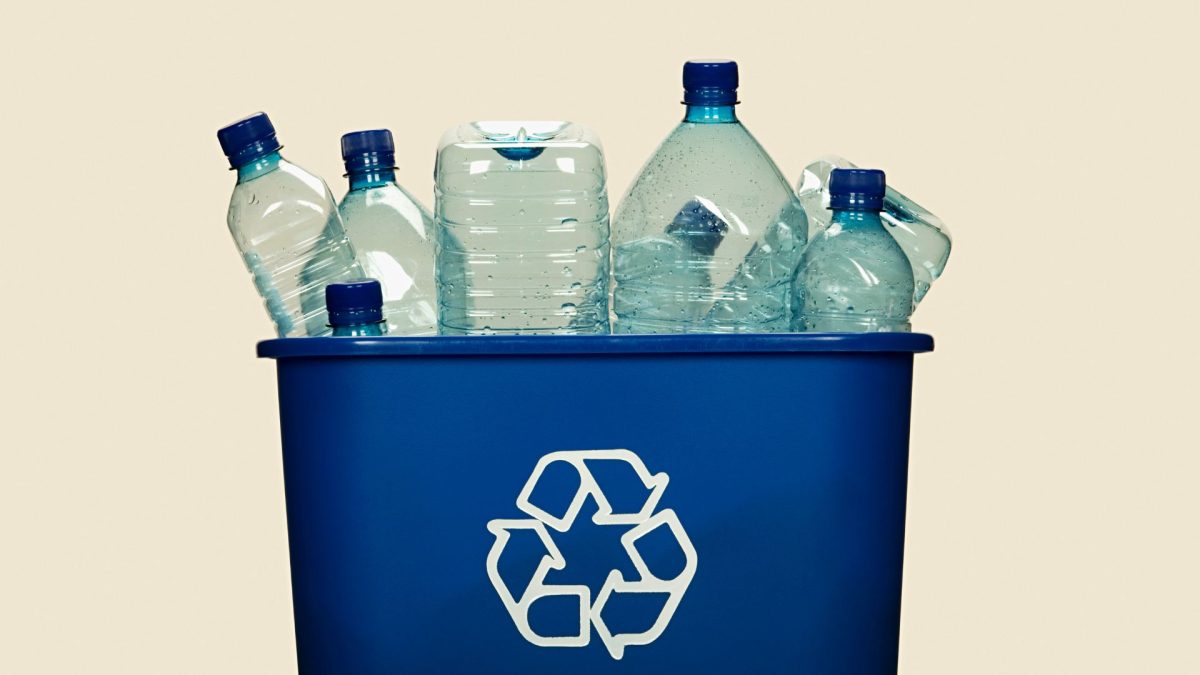
Eco-friendly junk removal plays a pivotal role in ensuring that future generations inherit a world with abundant natural resources. Every item that is recycled or responsibly disposed of reduces the strain on raw materials, helping forests, metals, and water sources remain available. By diverting waste from overflowing landfills, eco-conscious disposal helps sustain the ecosystems that children and grandchildren will rely on. These practices also mitigate harmful emissions produced by traditional waste handling methods, which in turn protects the air quality and overall environmental health for communities everywhere.
The benefits extend beyond mere resource preservation. When households and businesses adopt green junk removal habits, they cultivate a culture of environmental stewardship that instills values of responsibility and respect for nature. This ripple effect influences local communities, schools, and neighborhoods, encouraging younger generations to prioritize sustainability. By seeing adults make conscious choices about waste, children learn that every item has a life cycle, and that their own actions can meaningfully impact the planet. This education through example is a powerful way to inspire environmental mindfulness.
Reducing Landfill Burden and Pollution
Traditional disposal methods often send vast quantities of junk to landfills, contributing to soil contamination, methane emissions, and groundwater pollution. Eco-friendly junk removal, however, diverts usable materials from these sites, transforming potential environmental hazards into reusable resources. Recycling metals, plastics, and electronics not only prevents toxic substances from leaching into the earth but also reduces the overall demand for new production.
Moreover, responsible disposal practices encourage innovation in waste processing, creating systems that are safer and more efficient. Communities that prioritize eco-friendly junk removal often develop partnerships with recycling centers and donation facilities, ensuring that fewer materials are wasted. This synergy between consumers and disposal services fosters a cycle of reuse, reducing the strain on municipal waste systems and empowering local populations to take active roles in sustainability. Over time, these practices contribute to cleaner neighborhoods and healthier living conditions for children growing up in urban and suburban areas alike.
Encouraging a Circular Economy Mindset
Eco-friendly junk removal introduces the concept of a circular economy, where materials are continuously reused, repurposed, or recycled rather than discarded. This approach challenges the traditional linear model of consumption, which often results in excessive waste. By prioritizing the recovery of materials, families and businesses contribute to a system where resources maintain value and utility over extended periods. This mindset not only lessens environmental harm but also fosters creativity and ingenuity in repurposing items, inspiring the next generation to innovate sustainably in both personal and professional spheres.
In addition, adopting a circular economy mindset builds awareness about the interconnectedness of production, consumption, and disposal. Children exposed to these principles understand that their choices—whether donating old furniture or recycling electronics—affect the broader ecosystem. Communities that embrace circularity often witness reduced landfill accumulation and a heightened sense of collective responsibility.
Protecting Wildlife and Ecosystems
Discarded materials, especially plastics and electronic waste, pose a significant threat to wildlife and ecosystems. Animals can ingest or become entangled in improperly disposed items, leading to injury or death. Eco-friendly junk removal mitigates these dangers by ensuring hazardous materials are safely processed and redirected into recycling streams. Protecting flora and fauna safeguards biodiversity, which is critical for maintaining resilient ecosystems. For the next generation, witnessing thriving wildlife and healthy environments can foster a deep appreciation for the natural world, motivating them to continue protective efforts throughout their lives.
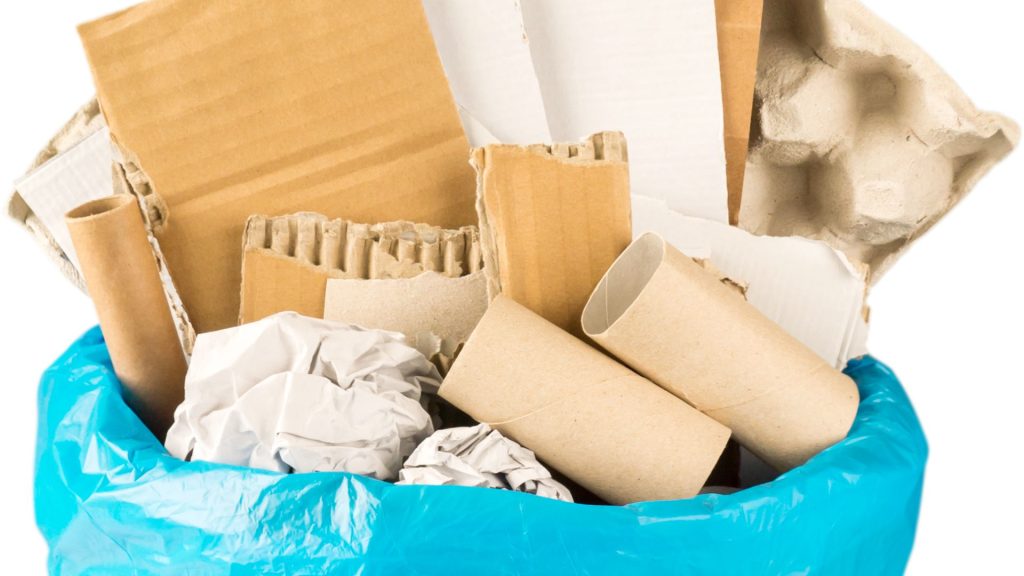
Furthermore, responsible disposal prevents harmful chemicals from infiltrating water sources and soils, preserving habitats for countless species. Wetlands, forests, and urban green spaces benefit when toxic substances from electronics or construction debris are removed from the environment. By adopting eco-conscious junk removal practices, communities actively reduce ecological degradation, ensuring that children inherit landscapes teeming with life. These efforts highlight the direct connection between human activity and ecosystem health, reinforcing the importance of conscious consumption and disposal habits.
Minimizing Carbon Footprints
Transportation and decomposition of waste contribute significantly to greenhouse gas emissions. Eco-friendly junk removal reduces these emissions by diverting items to recycling centers and donation facilities, where the energy required for processing is considerably lower than creating new materials. Every reused appliance, piece of furniture, or scrap metal item lessens the demand for production, lowering overall carbon output. This cumulative effect helps combat climate change, a pressing concern for future generations who will face its consequences more acutely if action is not taken today.
In addition, adopting eco-friendly junk removal encourages individuals to evaluate their consumption patterns. Households and businesses begin to consider longevity and recyclability when purchasing goods, inherently reducing waste generation. This proactive approach complements broader sustainability initiatives, contributing to national and global efforts to limit carbon emissions. By normalizing these practices, communities collectively support climate resilience, ensuring that children inherit an environment with cleaner air, reduced greenhouse gases, and a foundation for long-term ecological stability.
Promoting Social Responsibility
Eco-friendly junk removal is not only an environmental endeavor but also a social responsibility. Donating usable items to charities and local organizations helps those in need while preventing perfectly functional goods from ending up in landfills. Teaching children the value of sharing and recycling strengthens community bonds and encourages empathy. These practices demonstrate that responsible waste management is intertwined with social consciousness, shaping a generation that understands the importance of both environmental and societal well-being.
Communities that embrace socially responsible junk removal also stimulate local economies. Donation centers and recycling facilities create jobs and support charitable programs, offering tangible benefits to residents. By integrating social responsibility into environmental practices, families instill values of generosity, accountability, and community engagement in younger generations. The next generation learns that sustainability is not a solitary effort but a collective commitment that enhances quality of life for all members of society while safeguarding the planet.
Conserving Energy Resources
Recycling and properly disposing of junk reduces the need for energy-intensive production of new materials. For example, reclaiming metals and plastics consumes far less energy than extracting and processing raw resources. This conservation of energy not only lessens environmental impact but also prolongs the availability of finite energy resources for future generations. Through eco-friendly junk removal, households contribute directly to global energy efficiency efforts, underscoring the importance of mindful consumption and responsible disposal.
Moreover, energy conservation has financial and ecological benefits for communities. Reduced energy demands translate into lower utility costs, diminished greenhouse gas emissions, and a smaller overall environmental footprint. Children raised in households practicing energy-conscious disposal witness the connection between daily habits and global outcomes. By understanding that careful waste management conserves both energy and natural resources, the next generation develops a practical, values-driven approach to sustainability, preparing them to make informed choices in adulthood.
Reducing Health Hazards
Improper junk disposal often leads to exposure to toxic chemicals and physical hazards that can affect both humans and animals. Eco-friendly junk removal ensures that items like batteries, electronics, and hazardous materials are handled safely, minimizing the risk of injury or contamination. Maintaining a cleaner environment protects community health and reduces long-term medical costs. For the next generation, growing up in a hazard-free environment nurtures physical well-being and instills habits of caution and responsibility when interacting with potentially dangerous materials.
Additionally, safe disposal practices prevent the accumulation of pests and disease vectors that thrive in cluttered, unmanaged spaces. By reducing the presence of harmful bacteria, mold, and vermin, eco-friendly junk removal contributes to healthier homes and neighborhoods. Children learn to associate environmental cleanliness with safety, reinforcing habits that prioritize both health and sustainability. Over time, this reduces public health burdens and cultivates a culture of vigilance and care that benefits individuals and communities alike.
Encouraging Community Engagement
Green junk removal fosters a sense of communal responsibility. Neighborhood cleanups, donation drives, and recycling initiatives provide opportunities for families to participate actively in sustainability efforts. These collective activities strengthen social ties and create visible results that inspire continued involvement. Children who engage in these programs develop a tangible understanding of how community action can lead to meaningful environmental outcomes, building confidence and civic-mindedness that lasts a lifetime.
Furthermore, community engagement encourages knowledge sharing and collaboration between residents, local governments, and organizations. Through workshops, awareness campaigns, and hands-on projects, individuals learn innovative ways to repurpose materials and reduce waste. These experiences nurture problem-solving skills and a sense of accountability in younger generations. By witnessing the immediate impact of their actions, children and teens understand the power of collective effort in shaping a healthier, more sustainable world.
Cultivating Lifelong Sustainable Habits
The consistent practice of eco-friendly junk removal instills habits that carry into adulthood. Children exposed to responsible disposal, recycling, and donation routines internalize these values, making sustainability a natural part of their daily lives. This lifelong habit formation ensures that environmental consciousness becomes second nature, influencing future decisions about consumption, resource use, and community involvement. Over time, these ingrained behaviors significantly reduce waste and environmental degradation on a societal scale.
Developing sustainable habits early also encourages critical thinking and innovation. Children learn to assess the environmental impact of their choices and explore creative ways to reuse or repurpose items. This mindset fosters resilience and adaptability in addressing environmental challenges, preparing the next generation to respond proactively to global sustainability issues. By embedding eco-friendly practices into daily routines, families create a legacy of environmental stewardship that will persist for decades, shaping a world where mindful consumption and conservation are the norm.
Conclusion
Eco-friendly junk removal is more than a practical approach to waste management; it is an investment in the well-being of future generations. By preserving natural resources, reducing landfill burdens, conserving energy, and fostering social responsibility, these practices create healthier, safer, and more sustainable communities. They instill environmental awareness and conscientious behavior that children can carry into adulthood, shaping a society that values both ecological integrity and human well-being. Every action taken today has ripple effects that influence tomorrow, emphasizing the importance of mindful disposal and recycling in building a brighter, cleaner future.
For residents in Palatine, IL seeking reliable junk removal services that prioritize sustainability, 24-7 Junk Removal offers professional, eco-friendly solutions. Their team ensures that items are safely recycled or donated whenever possible, reducing landfill impact and supporting local communities. Located at 611 W. Wise Schaumburg, IL 60193, they can be reached at (773) 309-6966 or via email at support@24-7junk.com. Choosing their services means contributing to a greener environment while maintaining clutter-free, safe living spaces, setting an example for future generations to follow.