

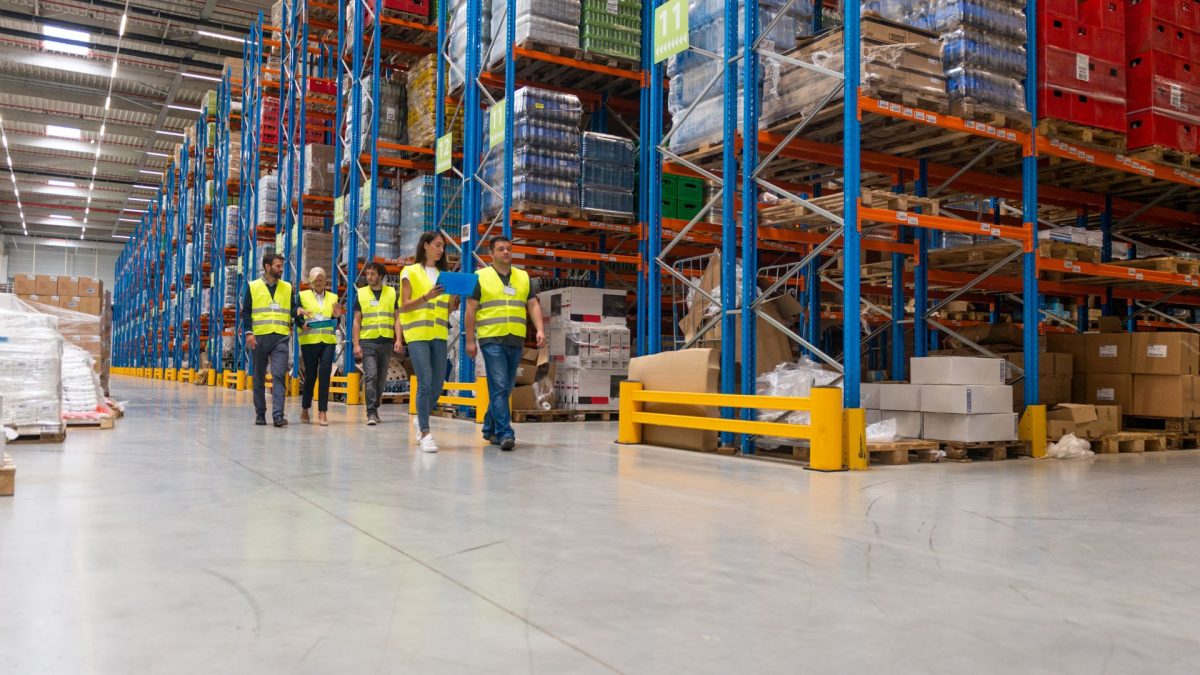
Clearing out a warehouse can often feel overwhelming, but breaking down the task into manageable steps can transform chaos into order. Begin by evaluating the current layout and identifying areas where clutter slows down operations. Focus on removing items that are outdated, damaged, or no longer serve a purpose. This strategic approach not only frees up valuable floor space but also makes it easier for staff to access necessary equipment and products efficiently. Maintaining a clean, organized warehouse can prevent accidents and ensure that workflows remain smooth, allowing operations to continue without unnecessary interruptions.
In addition, consider creating zones for different categories of items. Group similar products together and clearly mark each section for easy identification. Implementing a temporary staging area for items slated for disposal or recycling can streamline the removal process. Encouraging team members to participate in sorting and organizing creates a sense of ownership and accountability, leading to a more efficient and sustained cleanup effort. With a well-thought-out approach, a warehouse cleanout becomes more than a chore—it transforms into a strategic step toward operational excellence.
Prioritize Safety Measures
Warehouse cleanouts involve heavy lifting, moving bulky items, and navigating tight spaces, making safety a critical priority. Ensure that all employees are equipped with the proper protective gear, such as gloves, safety glasses, and steel-toed boots. Conduct a quick safety briefing before starting the cleanout to highlight potential hazards like uneven floors, sharp objects, or heavy machinery. This preparation reduces the risk of accidents and instills confidence in the team as they tackle the cleanup.
It’s equally important to establish clear pathways throughout the warehouse during the process. Avoid stacking items in precarious positions and make sure exits remain unobstructed. Utilize proper lifting techniques and tools like hand trucks or dollies to handle heavy objects safely. By focusing on safety first, not only is the risk of injury minimized, but the overall cleanout process becomes more organized and efficient. A secure environment encourages a faster pace without compromising the well-being of the team, ensuring the warehouse can return to full operational capacity quickly.
Implement a Sorting System
Sorting items effectively can make the difference between a quick, seamless warehouse cleanout and a prolonged, frustrating process. Begin by categorizing items into those that will be kept, donated, recycled, or discarded. Clear labeling and designated areas for each category help prevent confusion and reduce wasted time. Sorting also allows for a more accurate assessment of inventory and identifies items that may have been forgotten or misplaced over time.
Consider creating a color-coded system to make it visually easier for employees to follow. This method not only streamlines the removal process but also ensures that items are disposed of responsibly. By separating items that can be recycled or donated from general waste, businesses can minimize environmental impact while maintaining an organized space. An efficient sorting system can ultimately save time, reduce stress, and provide a cleaner, more functional warehouse environment.
Maximize Equipment Use
Utilizing the right tools and equipment is essential for an efficient warehouse cleanout. Hand trucks, pallet jacks, and forklifts can significantly reduce physical strain and expedite the movement of large or heavy items. In addition, strategically placed carts and containers can help consolidate debris or recyclable materials, making them easier to transport to designated disposal areas. Efficient use of equipment minimizes downtime and allows the team to focus on decluttering rather than struggling with logistics.
Scheduling equipment maintenance before a cleanout can prevent delays caused by breakdowns or malfunctions. Ensure all operators are trained in the safe and proper use of each piece of machinery. Assign specific equipment to designated tasks to avoid confusion and redundancy. Proper planning around equipment usage not only speeds up the cleanout process but also enhances safety and reduces the risk of accidental damage to inventory or the warehouse itself.
Schedule Strategic Breaks
Maintaining energy and focus during a warehouse cleanout is crucial for efficiency. Continuous work without breaks can lead to fatigue, mistakes, and even accidents. Scheduling strategic breaks allows employees to rest, hydrate, and regroup, ultimately improving productivity and maintaining a high level of accuracy. Well-timed breaks prevent burnout and help the team sustain momentum throughout the cleanout process.
During breaks, encourage employees to review their progress and adjust strategies if necessary. Quick check-ins can identify areas where the workflow may be lagging and implement improvements on the spot. Rotating team members between tasks can also provide variety, reducing monotony and keeping energy levels high. When breaks are used thoughtfully, they not only enhance safety and well-being but also contribute to a faster, more organized warehouse cleanout.
Optimize Waste Disposal
Efficient warehouse cleanouts require a clear plan for waste management. Identifying what can be recycled, donated, or disposed of helps reduce clutter and ensures that items are handled responsibly. Consider establishing partnerships with recycling centers or donation programs to streamline the removal process. This proactive approach minimizes the time spent figuring out what to do with different items during the cleanout.
Implementing labeled bins and staging areas for waste can prevent cross-contamination and confusion. Proper disposal reduces potential hazards in the warehouse and maintains a safe, clean environment. By organizing waste removal in advance, businesses can maintain momentum during the cleanout and achieve a more thorough, environmentally conscious result. A thoughtful approach to waste management ensures the warehouse is left clean and operationally ready.
Leverage Team Coordination
A coordinated team effort is vital for a warehouse cleanout to be completed efficiently. Assigning specific roles, such as sorting, transporting, or cleaning, can prevent bottlenecks and ensure each step of the process is covered. Clear communication among team members helps maintain pace and avoids duplicate efforts or misunderstandings. A well-coordinated approach ensures that each area of the warehouse is addressed systematically rather than haphazardly.
Regular check-ins during the cleanout help monitor progress and provide opportunities to adjust workflows. Encouraging collaboration and offering guidance when needed fosters a sense of accountability and teamwork. When employees understand their responsibilities and work in sync, tasks are completed more quickly, and the overall cleanout becomes less stressful. Leveraging team coordination can turn a daunting cleanup into a streamlined, organized operation.
Create an Inventory Audit
Conducting an inventory audit during a cleanout provides dual benefits: clearing unnecessary items and gaining insight into existing stock. As each item is evaluated, it becomes easier to identify outdated, damaged, or excess inventory that can be removed. This process also ensures that the warehouse inventory is accurate, which supports better decision-making for future purchases and storage planning.
Documenting items during the audit can help create a baseline for future cleanouts and inventory checks. Categorizing items and recording their condition provides clarity on what should be prioritized for removal or retention. An inventory audit can uncover hidden inefficiencies, highlight overstocked items, and ultimately contribute to a more organized and productive warehouse. By integrating auditing into cleanouts, businesses can maintain better control over their resources and streamline ongoing operations.
Implement Sustainable Practices
Adopting sustainable practices during warehouse cleanouts not only benefits the environment but also enhances the efficiency of the process. Recycling, donating, and repurposing items prevents unnecessary waste while freeing up valuable space. Creating a system that separates reusable materials from trash helps streamline removal and ensures that sustainability efforts are integrated seamlessly into operations.
Educate employees on the importance of these practices and provide clearly marked areas for different types of disposal. Incorporating sustainable strategies can reduce disposal costs and even generate goodwill for the business within the community. By embracing environmentally conscious methods, a warehouse cleanout can become an opportunity to improve both operational efficiency and corporate responsibility. Sustainability and efficiency can go hand in hand when thoughtfully planned.
Maintain a Continuous Improvement Mindset
After completing a warehouse cleanout, it’s important to assess the process and identify areas for future improvement. Encourage employees to provide feedback on what worked well and what could be adjusted for the next cleanout. Continuous evaluation allows businesses to refine strategies, optimize workflows, and prevent recurring clutter issues. Lessons learned from each cleanout can improve efficiency and reduce stress for future projects.
Documenting best practices and creating a repeatable cleanout plan ensures that lessons are applied consistently. Small adjustments, such as reorganizing storage zones or refining waste disposal methods, can have a significant impact over time. By maintaining a mindset of continuous improvement, businesses can ensure that each cleanout is faster, safer, and more effective. Ongoing optimization fosters a culture of organization and preparedness that extends well beyond a single project.
Conclusion
Executing a warehouse cleanout efficiently requires strategic planning, teamwork, and attention to detail. By following structured approaches, businesses can declutter their space, optimize workflows, and ensure a safe and organized environment. The benefits of a well-managed cleanout extend beyond immediate tidiness, providing long-term operational advantages and a more productive workspace.
For businesses seeking professional assistance, 24-7 Junk Removal in Palatine, IL offers comprehensive services that make warehouse cleanouts effortless. Their experienced team handles everything from sorting and removal to responsible disposal, ensuring a smooth process. Contact 24-7 Junk Removal at (773) 309-6966 or visit 611 W. Wise Schaumburg, IL 60193 to schedule a service. Whether your goal is to free up space, maintain efficiency, or implement sustainable practices, their expertise guarantees a thorough and stress-free cleanout.