


The way we handle our waste directly affects the environment, yet many overlook the potential of responsible junk removal. When items pile up in homes and businesses, they often end up in landfills, taking decades or even centuries to decompose. Junk removal services offer a sustainable alternative, ensuring that many of these materials are repurposed or recycled instead of being discarded carelessly. By carefully sorting items and directing them to appropriate recycling facilities, these services significantly reduce the overall burden on landfills, helping to prevent environmental degradation and pollution.
Furthermore, professional junk removal companies employ strategies to maximize reuse. Electronics, appliances, and furniture that are still functional often find new life through donations or resale. This approach not only conserves resources but also reduces the energy and raw materials required to manufacture new products. Each item diverted from a landfill represents a small yet meaningful contribution to environmental preservation. As communities become increasingly conscious of their ecological footprint, utilizing junk removal services emerges as a practical and impactful way to integrate sustainability into everyday life.
Promoting Recycling and Reuse Initiatives
Junk removal services have evolved beyond mere collection, now playing a pivotal role in promoting recycling and reuse initiatives. By evaluating discarded items for potential repurposing, these services ensure that as much material as possible avoids unnecessary waste. Metals, plastics, and paper products are separated and sent to recycling centers where they can be transformed into new goods, closing the loop on resource consumption. This systematic approach is crucial in reducing the environmental costs associated with manufacturing from virgin materials.
Additionally, donation programs are increasingly integrated into junk removal operations. Furniture, clothing, and appliances that remain in usable condition are given to charities, community organizations, or individuals in need. This practice extends the life cycle of products while simultaneously benefiting society. As a result, junk removal services do not merely eliminate clutter—they actively foster a culture of responsible consumption. By supporting these initiatives, individuals and businesses contribute to a sustainable ecosystem that prioritizes the planet over convenience.
Energy Conservation Through Smart Waste Management
Efficient junk removal contributes to energy conservation by minimizing the need for new production and reducing emissions from waste processing. Transporting items directly to recycling facilities or donation centers limits the energy-intensive processes associated with traditional landfill disposal. Modern junk removal teams often optimize collection routes and use fuel-efficient vehicles, further lowering their environmental footprint. These operational improvements highlight the role of junk removal services as agents of sustainability, emphasizing smart logistics and resource-efficient methods.
Moreover, recycling metals, electronics, and plastics saves significant amounts of energy compared to producing these materials from scratch. By diverting these items from disposal and channeling them into appropriate recovery streams, junk removal services contribute to a measurable reduction in greenhouse gas emissions. Each ton of material recycled represents a tangible step toward conserving energy and curbing climate change. Through conscientious handling of discarded items, these services demonstrate that even routine activities like junk removal can have meaningful environmental benefits.
Minimizing Hazardous Waste Impact
Some household and commercial items contain hazardous components that, if improperly disposed of, can leach toxins into soil and water. Batteries, electronics, and certain chemicals require careful handling to avoid environmental contamination. Junk removal services are equipped to manage these items safely, segregating them for specialized treatment. By preventing hazardous materials from reaching landfills, these companies play a critical role in protecting ecosystems and human health.
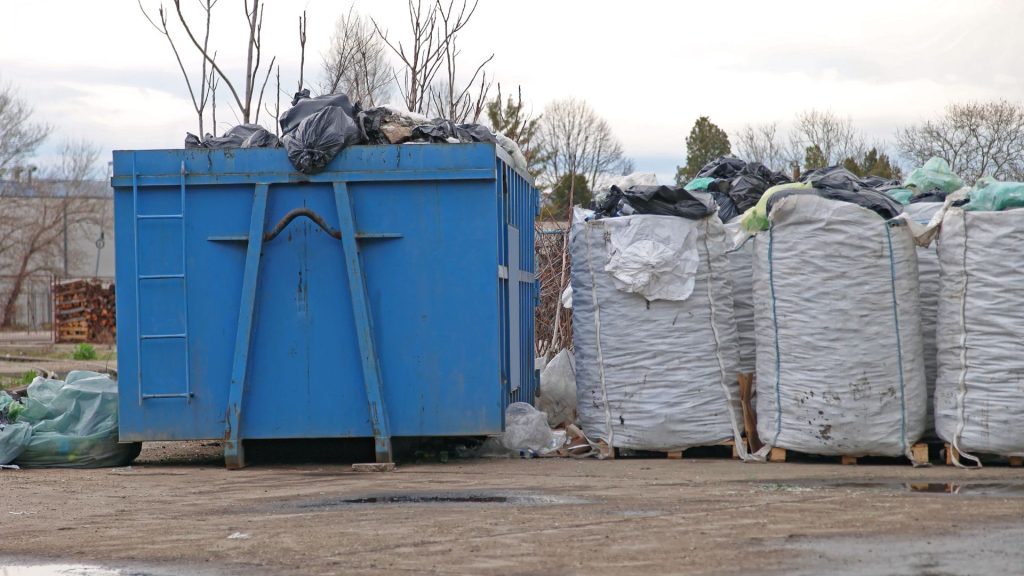
Furthermore, trained junk removal teams are aware of local regulations regarding hazardous waste disposal, ensuring compliance with environmental standards. This expertise reduces the likelihood of accidental pollution and mitigates legal risks for property owners. Beyond regulatory compliance, the proactive management of dangerous waste reflects a broader commitment to environmental stewardship. Utilizing junk removal services thus ensures that even potentially harmful items are treated responsibly, aligning with the principles of a green and sustainable future.
Supporting Circular Economy Practices
The circular economy emphasizes keeping materials in use for as long as possible through repair, reuse, and recycling. Junk removal services embody this philosophy by sorting and directing discarded items toward appropriate channels rather than sending them to landfills. By facilitating the transfer of goods from one user to another or into recycling streams, these services contribute to a system where waste is minimized, and resource efficiency is maximized.
This approach benefits communities economically and environmentally. Refurbished furniture, electronics, and appliances reduce the need for new production while providing affordable options for individuals and organizations. Additionally, the extraction of reusable components from discarded items supports secondary markets, creating employment opportunities and reducing environmental strain. Junk removal services act as vital intermediaries in the circular economy, transforming the act of disposal into a mechanism for sustainability, resource conservation, and social benefit.
Encouraging Eco-Friendly Consumer Behavior
Access to junk removal services can influence consumer habits by highlighting the importance of responsible disposal. When individuals recognize that their unwanted items can be recycled, donated, or repurposed rather than discarded, they are more likely to consider the environmental impact of future purchases. This shift encourages mindful consumption, where items are selected and used with an awareness of their lifecycle.
Educational efforts by junk removal companies also play a role in promoting eco-conscious behavior. Through community outreach and transparent communication about recycling processes, these services raise awareness of sustainability practices. The visibility of responsible disposal methods reinforces positive habits, creating a ripple effect that extends beyond individual households to the broader community. By integrating these practices, junk removal services help cultivate a culture where environmental responsibility is the norm, shaping more sustainable lifestyles over time.
Reducing Carbon Emissions Through Efficient Operations
Transportation is a major contributor to carbon emissions in waste management. Junk removal services optimize collection and disposal routes to minimize fuel consumption and vehicle emissions. By consolidating pickups and utilizing modern, fuel-efficient trucks, these companies reduce the environmental impact associated with moving discarded items. This operational efficiency underscores the intersection of logistics and sustainability, demonstrating how thoughtful planning can lead to significant reductions in carbon output.
Moreover, by diverting materials from landfills, junk removal services indirectly cut emissions from decomposition processes. Organic and certain synthetic materials produce methane and other greenhouse gases when left to break down in landfills. Preventing these emissions through responsible removal and recycling contributes to climate change mitigation. The combined effect of optimized transportation and diversion strategies illustrates that junk removal services can make substantial contributions to lowering a community’s carbon footprint while fostering a greener future.
Enhancing Community Wellbeing Through Clean Environments
A cluttered environment not only affects aesthetics but also public health. Piles of junk can harbor pests, mold, and allergens, creating risks for residents and workers. By efficiently removing unwanted items, junk removal services contribute to healthier living and working conditions, fostering overall community wellbeing. Clean spaces enhance mental clarity and provide safer surroundings, reflecting the interconnectedness of environmental health and human wellness.
Additionally, junk removal services often collaborate with local organizations to redistribute usable items, enhancing social cohesion and resource sharing. This practice not only prevents waste but also strengthens community ties by supporting those in need. Through these efforts, junk removal extends beyond environmental impact, playing a holistic role in promoting healthier, more sustainable, and resilient communities.
Integrating Technology for Sustainable Practices
Technological advancements have allowed junk removal services to become more sustainable and efficient. Software for route optimization, inventory tracking, and material sorting ensures that resources are utilized effectively. Data-driven approaches help companies identify opportunities to increase recycling rates, minimize unnecessary trips, and improve overall operational efficiency, which translates into reduced environmental impact.
Technology also facilitates transparency and accountability in waste management. Clients can track where their items end up, ensuring that materials are responsibly processed or donated. This visibility fosters trust and encourages environmentally conscious choices, motivating more individuals and businesses to participate in sustainable disposal practices. By leveraging technology, junk removal services are not only modernizing operations but also reinforcing their commitment to a greener future, where convenience and sustainability coexist harmoniously.
Partnerships With Recycling and Donation Centers
Collaboration is key to maximizing the positive environmental impact of junk removal services. By partnering with recycling facilities and donation centers, these companies create reliable pathways for items to be repurposed or reused. Such partnerships ensure that a higher percentage of collected materials avoid landfills, ultimately contributing to waste reduction and sustainable resource management.
These alliances also support local economies and charitable organizations. Donated items provide essential resources for individuals who may not have access to them otherwise, while recycled materials supply manufacturers with secondary raw materials. By integrating these partnerships into their operations, junk removal services extend the benefits of their work far beyond mere collection. They foster a network that reinforces environmental stewardship, social responsibility, and community resilience, highlighting the broader significance of effective waste management in building a green future.
Conclusion
Junk removal services are pivotal in advancing environmental sustainability, transforming the simple act of disposing of unwanted items into a proactive measure that supports recycling, donation, and waste reduction. By diverting materials from landfills, managing hazardous waste responsibly, and promoting circular economy principles, these services significantly contribute to a greener future. Moreover, the operational efficiency and technology-driven approaches employed by these companies ensure that their impact is both measurable and meaningful, reducing energy consumption and carbon emissions while fostering eco-conscious practices among consumers.
For those seeking professional junk removal in Palatine, IL, 24-7 Junk Removal provides expert service that balances convenience with sustainability. Located at 611 W. Wise Schaumburg, IL 60193, their team can be reached at (773) 309-6966 or via email at support@24-7junk.com. By choosing 24-7 Junk Removal, residents and businesses can actively participate in environmentally responsible disposal, ensuring that their unwanted items are managed efficiently, safely, and sustainably, contributing to a cleaner and greener community for years to come.