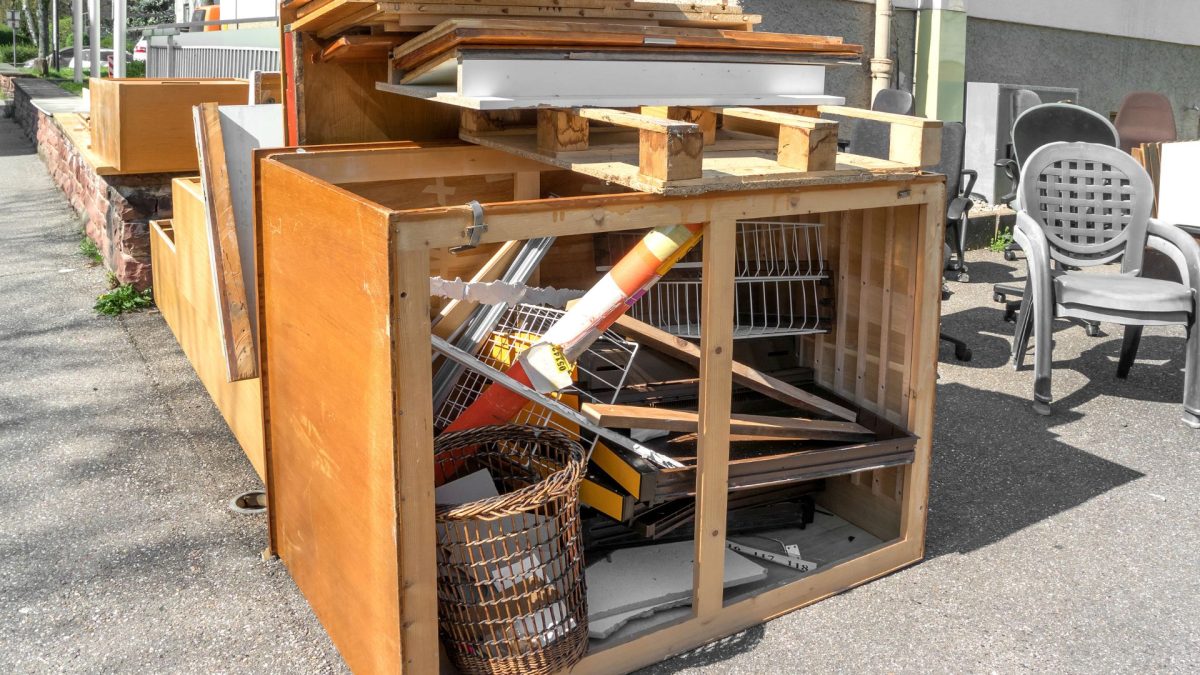
Old furniture often lingers in homes, quietly taking up space while gradually decreasing the comfort and functionality of living areas. Many people underestimate the impact of outdated or worn-out furniture on the ambiance of a room, yet clearing it out can breathe new life into a home. Removing old pieces is not merely about creating space; it’s about improving the quality of living and enhancing the aesthetic of your surroundings. Every chair, sofa, or table that has reached the end of its lifespan contributes to visual clutter, making the home feel chaotic and uninviting. The process of getting rid of furniture is often overlooked until the sheer volume becomes unmanageable, and the stress of navigating tight spaces with bulky items adds to the challenge. Understanding the value of a clear and organized living environment is the first step toward tackling furniture disposal effectively.
Taking time to plan the removal process can save both physical strain and time. Organizing which items to keep, donate, or discard helps streamline the process while preventing last-minute decisions. Some furniture can be repaired or repurposed, but knowing when to let go is crucial for long-term home harmony. Moreover, improper disposal can create safety hazards, obstruct pathways, or result in fines if local regulations are not followed. Being intentional about furniture removal ensures that spaces are not only cleared but also thoughtfully transformed, setting the stage for a fresher and more welcoming home environment.
Evaluating the Condition of Furniture Before Disposal
Before deciding how to dispose of old furniture, it’s essential to evaluate the condition of each piece. Some furniture retains functional value, even if it appears worn, while other items are beyond repair. Inspecting materials, structural integrity, and comfort levels can guide decisions about whether a piece is suitable for donation, resale, or recycling. For example, solid wood furniture may last decades with minor refinishing, whereas older mattresses or upholstered items may be unsalvageable. Understanding these distinctions prevents unnecessary disposal of items that could still serve a purpose, whether in a new home or through charitable contributions. This thoughtful assessment also minimizes environmental impact, reducing the amount of furniture unnecessarily ending up in landfills.
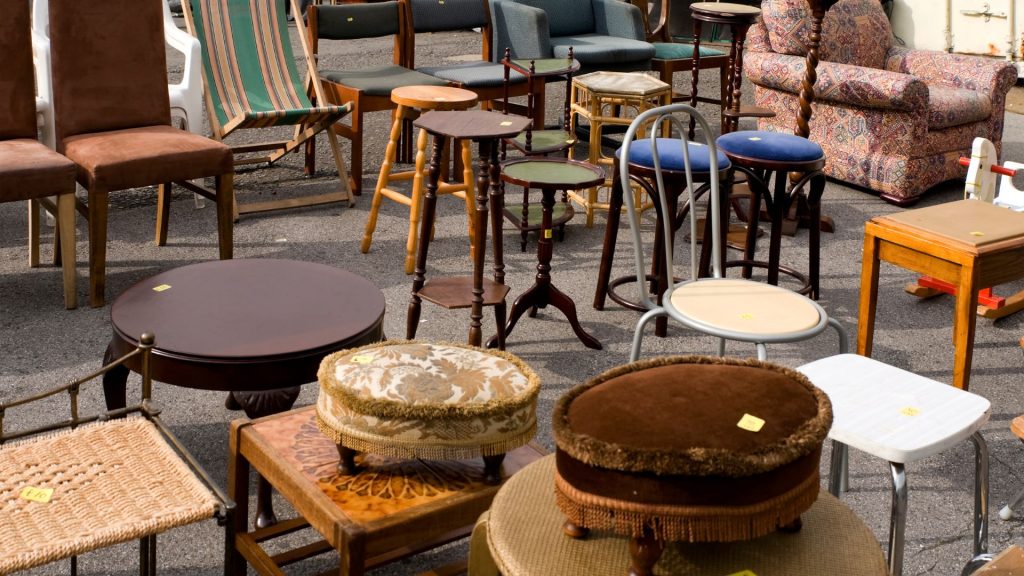
It is also important to consider how frequently certain furniture is used and the role it plays in the home. Items that are seldom used yet occupy significant space can be prioritized for removal, freeing up room for more practical or modern alternatives. Furniture that shows signs of wear such as broken frames, sagging cushions, or water damage may pose safety concerns, especially in homes with children or elderly family members. By carefully evaluating the condition, homeowners can create a strategic removal plan, ensuring that the decision-making process is both efficient and responsible. This step lays the foundation for a smoother, less stressful furniture removal experience.
Safe Handling Techniques for Heavy Furniture
Moving old furniture can be physically demanding and carries risk if handled incorrectly. Understanding proper lifting techniques is critical to avoid injuries, particularly to the back, shoulders, and knees. Using your legs rather than your back when lifting, keeping the object close to your body, and maintaining clear communication with anyone assisting can prevent strains and accidents. Additionally, wearing gloves and appropriate footwear provides grip and protects against sharp edges, splinters, or exposed hardware. Furniture moving straps, dollies, and sliders can further reduce strain, especially for particularly heavy or awkward pieces, making the process safer and more manageable.
Planning the route in advance is also a key part of safe furniture handling. Measuring doorways, hallways, and staircases ensures the item can be moved without causing damage to the home or the furniture itself. Removing doors or other obstacles temporarily can make navigation easier and prevent scratches, dents, or accidents. Taking a methodical, patient approach to moving large items reduces stress and creates a controlled environment, ultimately saving time and avoiding costly mishaps. Proper handling reflects not just safety but respect for both the furniture and your home’s interior.
Exploring Eco-Friendly Disposal Options
Disposing of furniture in an environmentally responsible way benefits both the household and the community. Many old pieces can be recycled or repurposed, significantly reducing landfill contributions. Wood, metal, and some plastics can often be reclaimed, while textiles may be transformed into cleaning rags or insulation material. Donating usable furniture to charities or shelters extends its lifespan and provides vital support to those in need, giving items a meaningful second life. Exploring eco-friendly options also aligns with growing efforts to promote sustainability and reduce the carbon footprint associated with mass disposal.
Another avenue to consider is selling furniture through online marketplaces or community platforms. This not only promotes reuse but can also generate extra funds, offsetting the cost of replacement pieces. Even items that seem worn or outdated may appeal to individuals looking for DIY projects or restoration opportunities. By approaching furniture removal with an eco-conscious mindset, homeowners can ensure that the process is both responsible and rewarding. Sustainable disposal practices help preserve resources, minimize waste, and create a positive impact that extends well beyond the home itself.
Timing Furniture Removal for Maximum Efficiency
Choosing the right time to remove old furniture can greatly influence the ease and efficiency of the process. Attempting removal during a busy workday or in the midst of a renovation can create unnecessary stress and complications. Selecting a time when adequate assistance is available, such as weekends or scheduled moving days, allows for a more organized and controlled approach. Weather conditions may also be a factor if furniture needs to be transported outdoors, as rain or snow can make the task hazardous and damage items. Planning ahead ensures that removal can be completed quickly, safely, and with minimal disruption to daily routines.
Consider also aligning furniture removal with other home improvement or decluttering projects. Coordinating multiple tasks allows for streamlined logistics, fewer trips to disposal sites, and reduced physical exertion. Taking time to stage the space beforehand ensures that the new furniture fits seamlessly and that old items are removed without leaving gaps or clutter. By carefully timing the removal process, homeowners can save energy, avoid last-minute rushes, and create a smoother transition between old and new, making the entire experience more satisfying and less stressful.
The Importance of Professional Assistance
While DIY furniture removal is an option, professional services offer convenience, expertise, and efficiency. Experienced teams are trained in handling large and heavy items safely, reducing the risk of injury or property damage. Professionals also have access to specialized equipment, transportation, and disposal channels that make the process faster and more organized. This can be particularly valuable for oversized pieces or multiple items that would otherwise require significant time and effort to manage alone. Hiring experts allows homeowners to focus on other tasks, turning a physically demanding chore into a stress-free, well-managed process.
Professionals also ensure proper disposal, whether through recycling, donation, or responsible landfill management. This adds an environmentally conscious element to the removal process that might be difficult to achieve independently. Additionally, many services offer flexible scheduling and transparent pricing, making it easier to plan furniture removal within the constraints of everyday life. Engaging professional assistance guarantees a level of care, safety, and efficiency that enhances the overall experience while protecting both the furniture and the home environment.
Avoiding Common Furniture Disposal Mistakes
Many homeowners unknowingly make errors that complicate furniture disposal. One common mistake is procrastination, which allows old pieces to accumulate and creates unnecessary clutter. Delaying removal also increases the physical and emotional burden when the time comes to finally clear the space. Another frequent issue is attempting to move oversized furniture without proper planning, resulting in damage to walls, floors, or the furniture itself. Assessing each item carefully and devising a removal strategy prevents these pitfalls and ensures a smoother, safer process.
Overlooking local disposal regulations is another potential problem. Some cities enforce strict rules about the type and timing of furniture disposal, with fines for non-compliance. Understanding these guidelines in advance helps avoid legal issues while promoting responsible disposal practices. Additionally, failing to explore recycling or donation options often leads to unnecessary waste. By identifying and circumventing these common mistakes, homeowners can complete furniture removal efficiently, safely, and responsibly, achieving a clutter-free and revitalized living environment.
Creative Ways to Repurpose Old Furniture
Not all old furniture must leave the home entirely. Many items can be repurposed or transformed, giving them new life while preserving resources. For example, wooden dressers can be converted into kitchen islands, bookshelves can be reimagined as plant stands, and drawers can become storage crates. Repurposing furniture encourages creativity and adds a personal, customized touch to a home, transforming outdated pieces into functional and stylish solutions. This approach not only saves money but also reduces environmental impact by keeping furniture out of landfills.
In addition to DIY projects, professional upcycling services can offer creative solutions for furniture that may seem unusable. Their expertise in refinishing, painting, and structural modification can produce stunning results, turning worn items into statement pieces. By exploring creative repurposing, homeowners can maintain the essence of their old furniture while adapting it to new purposes. This strategy promotes sustainability, adds uniqueness to home décor, and transforms furniture removal from a purely logistical task into an opportunity for imaginative expression and resourceful problem-solving.
Transportation and Storage Considerations
Furniture removal often involves temporary transportation or storage solutions, especially when coordinating with renovations, sales, or donations. Planning the logistics is essential to prevent damage and ensure items are handled efficiently. Using covered trucks, padding, or straps helps protect furniture during transport, while arranging temporary storage ensures pieces remain accessible and in good condition. This level of organization simplifies the process, reduces stress, and prevents accidental damage that could complicate disposal or repurposing efforts.
Storage decisions also influence the timing and method of removal. Items that cannot be immediately discarded may require a short-term storage plan, whether through a storage unit, garage, or professional facility. Considering both space constraints and accessibility ensures that furniture remains secure while waiting for disposal or repurposing. Thoughtful transportation and storage planning not only streamlines furniture removal but also protects the investment in any salvageable pieces, creating a more controlled and manageable process overall.
Preparing Your Home for New Furniture
Clearing out old furniture is an opportunity to prepare your home for fresh additions. Removing worn or bulky pieces creates space for updated layouts, improves room flow, and enhances overall comfort. It also allows homeowners to evaluate lighting, flooring, and wall finishes in empty spaces, making it easier to coordinate new furniture and décor effectively. Preparing the home in advance ensures that new items fit seamlessly, contributing to a cohesive, organized, and visually appealing environment.
Additionally, preparing the space involves cleaning and repairing areas previously occupied by old furniture. Dusting, vacuuming, and patching minor damages not only improve the home’s appearance but also protect new investments from unnecessary wear. By thoughtfully preparing the environment, homeowners can maximize the value and impact of new furniture while ensuring that the home feels refreshed, organized, and welcoming. This final step completes the removal process and sets the stage for a revitalized living space.
Conclusion
Properly removing old furniture requires planning, careful handling, and consideration of environmentally responsible options. Homeowners who approach the process with a strategic mindset reduce physical strain, minimize stress, and achieve a more organized and aesthetically pleasing space. Assessing furniture condition, exploring repurposing or donation possibilities, and timing the removal process all contribute to a smoother, more efficient experience. In addition, safe handling techniques and thoughtful transportation prevent damage to both the furniture and the home, ensuring that the removal process is as seamless as possible.
For residents in Palatine, IL seeking professional support, 24-7 Junk Removal offers comprehensive services for furniture disposal and general junk removal. With a commitment to safety, efficiency, and environmentally responsible practices, the team can manage heavy and bulky items with ease. Their expertise ensures that the process is stress-free, while proper recycling or donation channels minimize environmental impact. To schedule a pickup, contact 24-7 Junk Removal at (773) 309-6966. Located at 611 W. Wise Schaumburg, IL 60193, they provide reliable solutions for homeowners looking to reclaim space, refresh their living environment, and dispose of old furniture responsibly.