


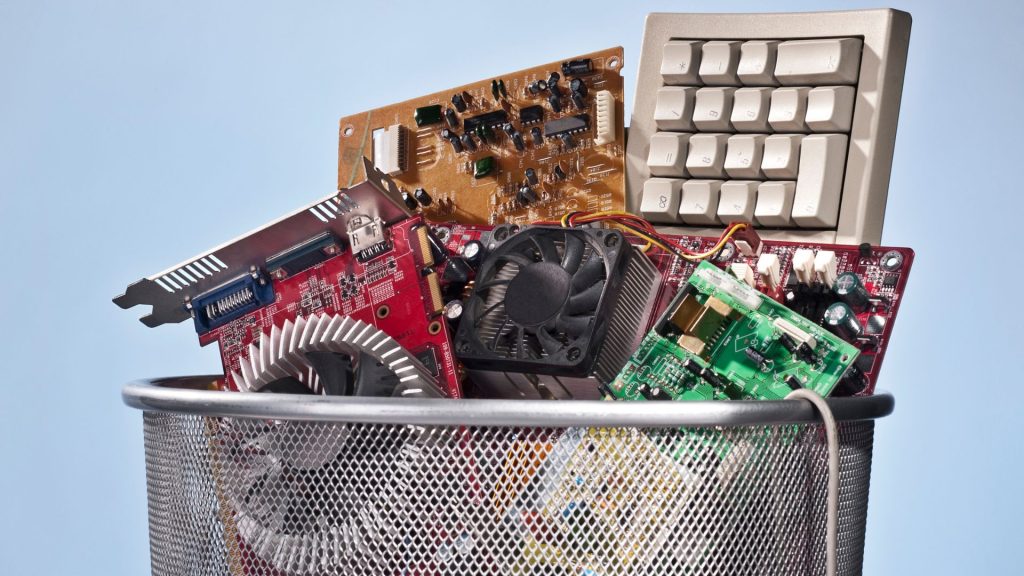
Electronic waste, commonly known as e-waste, encompasses discarded gadgets, appliances, and other electronic devices. These items, often containing toxic substances such as lead, mercury, and cadmium, pose a substantial threat to the environment when disposed of improperly. As electronics become more advanced, the volume of e-waste grows exponentially, creating challenges for waste management systems. When e-waste ends up in landfills, hazardous chemicals can leach into soil and groundwater, contaminating ecosystems and endangering plant and animal life. Air pollution can also result from burning e-waste, releasing dangerous toxins that contribute to respiratory issues and other health problems.
Furthermore, e-waste represents a significant loss of valuable resources. Metals like gold, silver, and copper are trapped inside old electronics, often requiring energy-intensive mining processes to extract when recycled improperly or left unused. The environmental footprint of these mining operations is vast, including deforestation, greenhouse gas emissions, and water pollution. Addressing e-waste not only prevents environmental contamination but also promotes resource conservation. Recognizing the scale of these threats is the first step toward developing responsible disposal habits that reduce ecological damage and safeguard human health.
The Growing Problem of Discarded Electronics
Modern society relies heavily on electronic devices, from smartphones and computers to kitchen appliances. While these technologies enhance daily life, they contribute to the mounting e-waste crisis. Rapid technological advancements lead to shorter product lifespans, causing consumers to discard functioning devices prematurely. This throwaway culture accelerates the accumulation of e-waste, overwhelming municipal waste systems and informal recycling sectors, which often lack the infrastructure to manage toxic materials safely.
The environmental burden is not limited to the disposal stage. Manufacturing new electronics consumes vast amounts of energy and raw materials, intensifying carbon emissions and environmental degradation. Recycling and proper disposal reduce this demand by recovering materials and minimizing the need for new extraction. Education on responsible consumption, coupled with accessible recycling options, plays a crucial role in mitigating these impacts. Communities that embrace sustainable disposal practices can significantly decrease the ecological footprint of e-waste while encouraging a circular economy that benefits both society and the planet.
Toxic Chemicals Found in E-Waste
E-waste contains an array of hazardous substances that threaten environmental and human health. Lead, often found in circuit boards and cathode-ray tubes, can cause neurological damage and developmental delays in children. Mercury, present in older batteries and screens, contaminates water and soil, bioaccumulating in fish and posing health risks to wildlife and humans. Cadmium, another toxic metal, is used in batteries and semiconductors, causing kidney damage and bone weakness when improperly managed. These substances, once released into the environment, are extremely difficult to remove and persist for decades, creating long-term hazards.
Plastic components coated with flame retardants also contribute to pollution when incinerated, releasing toxic fumes into the air. Informal recycling practices, especially in developing regions, exacerbate these risks, exposing workers to dangerous conditions without protective equipment. Understanding the chemical dangers embedded in discarded electronics highlights the importance of proper handling and disposal. By prioritizing eco-friendly methods, such as certified recycling and donation programs, the release of harmful chemicals can be minimized, preserving ecosystems and public health.
The Role of Landfills in E-Waste Pollution
Landfills are a primary destination for discarded electronics, yet they often fail to contain the toxic substances within e-waste. When devices are buried without proper treatment, rainwater can leach chemicals into the soil, contaminating local water supplies. These pollutants disrupt microbial communities, impair soil fertility, and threaten agriculture. In areas where groundwater serves as the main source of drinking water, e-waste contamination becomes a serious public health concern, contributing to chronic illnesses and long-term exposure risks.
In addition to chemical hazards, landfills generate greenhouse gases such as methane, which intensify global warming. Electronics that could have been recycled occupy space, compounding the strain on waste management systems and increasing the ecological footprint of communities. Reducing the flow of e-waste to landfills through collection programs and sustainable disposal initiatives mitigates these environmental pressures. Efficient waste management strategies, paired with community engagement, ensure that toxic materials are safely removed, while reusable components re-enter the production cycle, supporting environmental sustainability.
Recycling E-Waste: A Sustainable Solution
Recycling is a pivotal strategy in addressing the environmental challenges posed by e-waste. Proper recycling processes dismantle devices safely, separating hazardous substances from reusable materials. Metals, plastics, and glass recovered during recycling reduce the demand for virgin resources, thereby decreasing energy consumption, carbon emissions, and environmental degradation. Effective recycling programs also prevent the release of toxic chemicals into the environment, protecting ecosystems and human health simultaneously.
In addition to environmental benefits, recycling promotes economic opportunities. Certified e-waste recycling centers create jobs in collection, sorting, and processing while supporting a circular economy where materials are continuously reused. Local communities can engage in responsible disposal through accessible drop-off points or organized collection drives, fostering awareness of the ecological impact of e-waste. By embracing recycling as a standard practice, society can mitigate the environmental footprint of electronic devices while maintaining a balance between technological advancement and ecological stewardship.
Donating and Reusing Electronics
Beyond recycling, donation and reuse of electronic devices play a critical role in reducing e-waste. Many gadgets retain functionality even when their owners consider them obsolete. By donating these items to charities, schools, or community organizations, consumers extend the useful life of electronics, conserving resources and decreasing environmental pressures. Reuse prevents premature disposal, reduces landfill accumulation, and ensures that devices serve multiple users over time.
Reusing electronics also fosters social benefits, providing access to technology for underprivileged communities. Programs that refurbish devices, such as computers and smartphones, can support educational and professional development initiatives. Additionally, responsible reuse encourages manufacturers to design durable and repairable products, creating a culture that values sustainability over rapid consumption. Prioritizing donation and reuse alongside recycling forms a comprehensive approach to managing e-waste, balancing environmental conservation with societal benefits and reducing the ecological impact of discarded electronics.
The Importance of Certified E-Waste Disposal Services
Certified e-waste disposal services ensure that hazardous materials are handled according to strict environmental regulations. These professionals follow protocols to safely dismantle electronics, transport toxic substances, and recycle components responsibly. Choosing certified services mitigates the risk of environmental contamination and protects communities from exposure to harmful chemicals. Compliance with regulatory standards guarantees that e-waste is processed in an environmentally sound manner, rather than being sent to informal or illegal recycling operations.
Certified services also provide traceability, allowing consumers to verify that their discarded devices are managed ethically. Transparency ensures accountability and reassures customers that materials are not dumped in unsafe locations or improperly processed. Utilizing certified e-waste disposal strengthens the overall sustainability of electronic consumption, supports the circular economy, and reinforces public trust in responsible waste management practices. By integrating professional services into disposal habits, individuals and businesses can contribute meaningfully to environmental protection while maintaining compliance with regulations.
Environmental Policies and E-Waste Management
Governments and local authorities play a crucial role in regulating e-waste disposal. Environmental policies often mandate recycling, set limits on hazardous emissions, and provide guidelines for manufacturers to manage the end-of-life of electronic products. Effective legislation encourages the development of infrastructure for collection, sorting, and recycling, ensuring that e-waste does not accumulate in landfills or enter informal recycling sectors.
Policies promoting extended producer responsibility compel manufacturers to design products that are more sustainable and easier to recycle. Incentives for consumers, such as trade-in programs or tax benefits for recycling, further enhance participation in proper disposal practices. Strong regulatory frameworks, combined with community education, create a comprehensive system where the environmental impact of e-waste is minimized. These measures not only protect natural resources but also safeguard public health, ensuring that society can benefit from technology without compromising ecological integrity.
Raising Public Awareness About E-Waste
Education and public awareness campaigns are essential for promoting responsible e-waste management. Many individuals remain unaware of the environmental hazards associated with improper disposal or the options available for recycling and reuse. Awareness initiatives can inform communities about the importance of segregating e-waste, locating certified disposal centers, and participating in local collection events.
Engaging the public through workshops, social media, and school programs cultivates a culture of environmental responsibility. Knowledgeable consumers are more likely to adopt sustainable consumption habits, prioritize repair over replacement, and advocate for stronger e-waste policies. Raising awareness not only reduces the environmental impact of electronics but also encourages broader societal change. Collective understanding and action are pivotal in mitigating the effects of e-waste on ecosystems and human health, ultimately fostering a more sustainable future.
Technological Innovations in E-Waste Recycling
Advancements in recycling technology are transforming how e-waste is processed. Automated sorting systems, chemical recovery techniques, and environmentally friendly dismantling methods increase the efficiency and safety of recycling operations. These innovations allow for the extraction of valuable materials with minimal environmental impact, reducing the need for energy-intensive mining and decreasing waste sent to landfills.
Technological improvements also enable the development of smarter recycling programs, including tracking systems and predictive models that optimize collection routes and resource recovery. By integrating innovation into e-waste management, the industry can scale sustainable solutions while reducing costs and environmental risks. Embracing these advancements ensures that recycling practices evolve alongside technological consumption, creating a dynamic system that addresses the growing challenge of electronic waste responsibly.
Conclusion
Addressing the environmental impact of e-waste requires both awareness and action. Proper disposal methods, including recycling, reuse, and certified e-waste services, reduce the release of hazardous chemicals, conserve natural resources, and prevent ecological damage. Individuals, businesses, and governments each play a role in implementing strategies that manage electronic waste responsibly, ensuring long-term environmental protection. Sustainable e-waste management supports healthier ecosystems and communities while fostering a culture of responsibility in technological consumption.
For residents and businesses in Palatine, IL, 24-7 Junk Removal provides comprehensive and reliable junk removal services that prioritize eco-friendly practices. Their team efficiently collects and recycles electronics, reducing environmental harm and promoting responsible disposal. Customers can contact 24-7 Junk Removal at (773) 309-6966 or visit their location at 611 W. Wise Schaumburg, IL 60193. With professional, convenient, and environmentally conscious junk removal, the company ensures that electronic waste is managed safely and sustainably, making a tangible difference in the local community and beyond.