

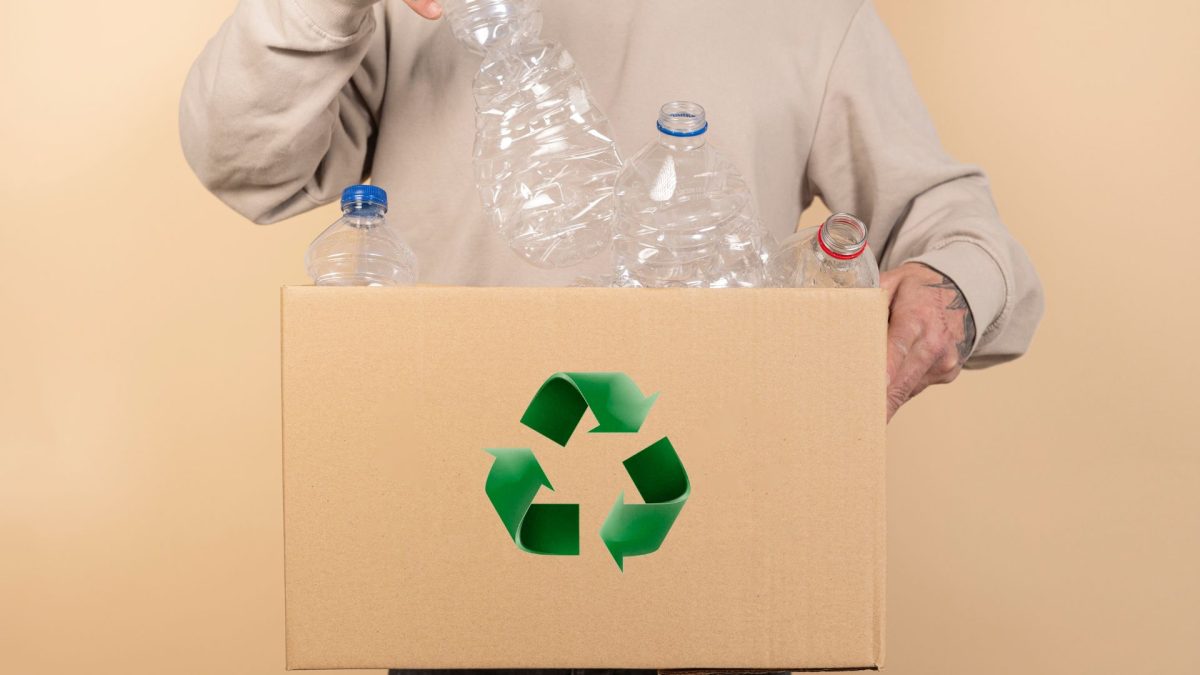
Donating your unwanted items provides a vital alternative to simply discarding them in landfills. Many materials that end up as waste can instead serve a purpose in someone else’s life. By choosing donation over disposal, the environmental burden of excess waste diminishes significantly. This approach not only extends the life of everyday items but also helps conserve the resources required to produce new products. Each donated piece of furniture, appliance, or household item reduces the need for new manufacturing, lowering energy consumption and minimizing emissions from industrial production. Over time, these small individual decisions collectively create a substantial positive impact on the planet.
Moreover, items that might have taken years to decompose in landfills find renewed utility, reducing methane emissions and other environmental hazards associated with waste accumulation. This practice encourages a culture of reuse and sustainability, fostering community awareness of environmental responsibility. By donating, you’re actively participating in a circular economy where materials retain their value for longer periods, ensuring fewer resources are wasted. The benefits ripple through both local communities and the broader ecosystem, highlighting the crucial role of conscious disposal choices.
Supporting Sustainable Communities
Donating junk items strengthens local communities by providing access to affordable goods for those in need. When old furniture, electronics, or household items find a new home, they supply essential resources to families and individuals who may otherwise struggle to afford them. This redistribution lessens the demand for newly manufactured goods, indirectly reducing carbon footprints tied to production and transportation. Beyond environmental advantages, these actions promote social equity, creating interconnected systems where surplus items contribute to the well-being of others rather than burdening municipal waste systems.
Communities that embrace donations over disposal also develop stronger recycling and repurposing networks. Items that cannot be used immediately often undergo refurbishment or recycling, keeping valuable materials like metal, wood, and plastics in circulation. Such sustainable practices reduce raw material extraction, conserve energy, and mitigate environmental degradation. By donating, residents actively participate in maintaining a cleaner, healthier environment while fostering resilience within their communities. This proactive approach emphasizes that environmental stewardship extends beyond individual responsibility and thrives through collective action.
Extending the Lifecycle of Household Items
Every household item has a potential lifespan far beyond its initial use. Donating allows furniture, appliances, and electronics to continue serving functional purposes rather than becoming obsolete prematurely. Extending the lifecycle of items reduces the need to manufacture replacements, saving raw materials and energy while mitigating the environmental toll of mass production. A dresser or sofa that might otherwise end up in a landfill can provide comfort and utility for years to another household, exemplifying sustainable consumption patterns that emphasize quality and reuse over disposal.
Additionally, by prolonging the usefulness of these items, we decrease the amount of electronic and material waste entering recycling centers, which often struggle with hazardous components. When items are repurposed or repaired through donation channels, fewer toxic substances, such as heavy metals from electronics, are released into the environment. This practice also encourages manufacturers to design products with longer lifespans in mind, creating a feedback loop that promotes eco-friendly innovation. Through conscious decisions to donate, individuals contribute to a culture where longevity and sustainability are prioritized.
Reducing Energy Consumption Through Reuse
The energy savings associated with donating items rather than discarding them are significant. Manufacturing new products consumes large amounts of energy, from material extraction and processing to assembly and transportation. When items are donated and reused, these energy-intensive processes are bypassed, directly decreasing fossil fuel consumption and greenhouse gas emissions. By donating appliances, electronics, or furniture, you help conserve energy that would otherwise be spent on producing and distributing replacements, supporting environmental sustainability on a macro scale.
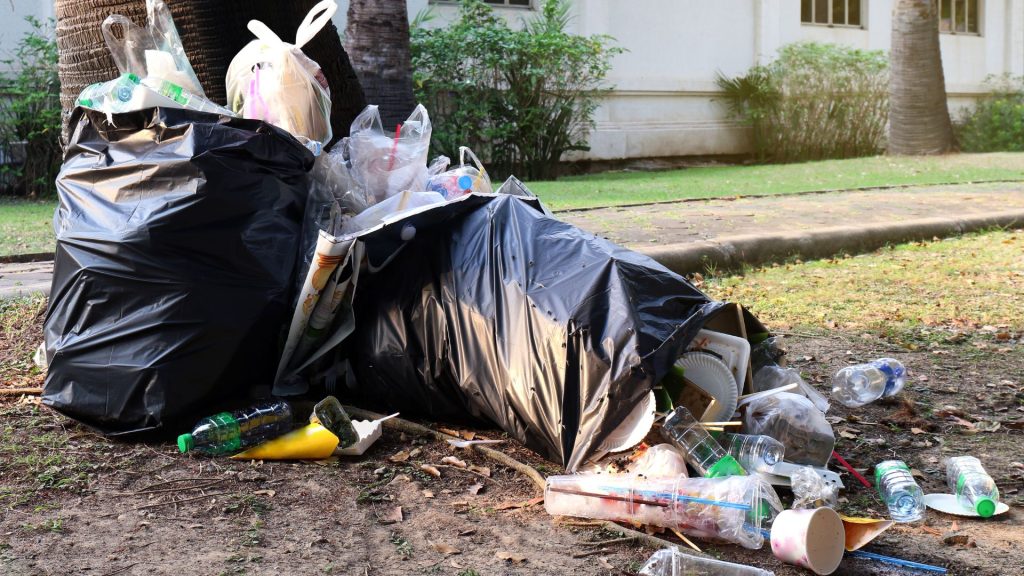
Furthermore, this energy conservation extends beyond the immediate act of donation. Secondary users of these items gain access to affordable goods, decreasing their reliance on new purchases and perpetuating the cycle of energy savings. When communities adopt donation practices, local economies benefit from reduced production pressures, which collectively lowers national and global energy demands. Every donated item becomes a small yet impactful contribution to a broader environmental solution, illustrating the tangible connection between individual actions and the health of our planet.
Minimizing Pollution Through Responsible Disposal
Unmanaged junk can contribute to air, water, and soil pollution, especially when hazardous materials are involved. By donating usable items, individuals prevent harmful substances from entering the ecosystem. Electronics, chemicals, and treated wood often contain compounds that degrade environmental quality when improperly disposed of. Donation ensures that these materials are either safely reused or recycled through proper channels, mitigating the risk of contamination. This responsible handling of materials protects ecosystems and supports sustainable waste management practices, offering a safer and cleaner environment for all living beings.
In addition, responsible disposal through donation encourages public awareness of environmental hazards and promotes better recycling habits. Communities become more educated about which materials require special attention, fostering a culture of conscientious disposal. By choosing donation, individuals demonstrate environmental leadership, showing that waste reduction is achievable and impactful. These collective efforts reduce overall pollution, enhance local sustainability, and reinforce the importance of mindful consumption and disposal in daily life.
Encouraging a Circular Economy
A circular economy thrives on the principle that products, materials, and resources should remain in use for as long as possible. Donating junk items aligns perfectly with this model, keeping goods circulating within the community rather than being wasted. Each donated item contributes to a system where reuse, repair, and recycling dominate over disposal, creating environmental and economic benefits simultaneously. By extending the usefulness of everyday objects, individuals help conserve raw materials, reduce emissions, and promote innovative thinking about resource management.
Moreover, circular economies rely on community engagement and participation. Donation programs allow individuals to play an active role in sustaining these systems. Local charities, nonprofits, and recycling centers benefit from a consistent influx of reusable items, enabling them to redistribute goods effectively while fostering environmentally responsible behaviors. Through donation, you support a resilient economic model that emphasizes resource efficiency and sustainability, demonstrating that small actions collectively drive significant environmental progress.
Building Environmental Awareness
Donating junk items goes beyond physical impact and helps cultivate environmental consciousness. Every decision to give an item a second life reinforces the understanding that waste management is a shared responsibility. Individuals become more aware of the consequences of their consumption habits and recognize the importance of making environmentally sound choices. This heightened awareness encourages further sustainable behaviors, such as reducing unnecessary purchases, opting for recycled products, and actively supporting local recycling and donation initiatives.
Educational benefits extend to families and communities as well. By involving children and neighbors in donation practices, households foster a culture of environmental responsibility that transcends generations. Individuals learn the tangible effects of their actions, witnessing firsthand how their contributions can reduce waste and promote sustainability. These lessons instill lasting habits that transform ordinary routines into impactful environmental practices, demonstrating that mindful disposal has both immediate and long-term significance.
Supporting Charitable Organizations
Donating junk items strengthens charitable organizations by providing them with resources to support their missions. Many nonprofits rely on donated goods to supply families in need, fund programs, or sell items to generate revenue for community services. By offering your unwanted furniture, appliances, or electronics, you empower these organizations to operate efficiently and effectively while simultaneously reducing environmental strain. This symbiotic relationship demonstrates that sustainable actions can yield both ecological and social benefits, enhancing overall community well-being.
Additionally, charitable support through donation encourages organizations to invest in sustainable practices. They can recycle or refurbish items that cannot be immediately reused, ensuring materials remain out of landfills. Donors indirectly contribute to the development of environmentally conscious programs, reinforcing a cycle of positive impact. This approach illustrates that responsible disposal extends beyond personal responsibility, highlighting the intersection of social service and environmental stewardship in everyday decision-making.
Reducing Carbon Footprint Through Donation
Donation reduces the carbon footprint associated with producing and transporting new goods. Manufacturing new items generates significant greenhouse gas emissions, from material extraction to product assembly and delivery. By donating, these emissions are avoided because fewer new products are required. This not only conserves energy but also mitigates the environmental costs tied to production. A single item donated can prevent the release of multiple kilograms of CO2, illustrating the measurable impact of seemingly small individual decisions.
The benefits of reduced carbon emissions extend throughout supply chains. Manufacturers and distributors experience decreased demand, allowing for lower energy usage and reduced transportation emissions. Communities witness improvements in local air quality and a reduction in environmental stressors associated with industrial activity. Donation therefore represents a strategic approach to minimizing carbon output while promoting sustainable consumption habits, creating a tangible, positive effect on both local and global environmental conditions.
Creating a Habit of Sustainable Living
Regularly donating junk items cultivates a habit of sustainable living. This behavior encourages individuals to consider the environmental impact of their possessions and make deliberate choices to reuse and recycle whenever possible. By integrating donation into lifestyle routines, households maintain clutter-free spaces while simultaneously reducing environmental harm. Over time, these habits reinforce mindfulness about consumption, waste, and community impact, resulting in long-term ecological benefits and enhanced social responsibility.
Establishing sustainable living habits also influences those around you. Friends, neighbors, and family members are inspired to adopt similar behaviors, creating a ripple effect of environmental stewardship. Communities evolve toward greater sustainability, where conscious decisions about goods and resources become the norm. By committing to regular donation practices, individuals actively shape a culture where environmental responsibility is valued, practical, and deeply integrated into daily life, demonstrating the far-reaching impact of personal choices.
Conclusion
Donating junk items is a powerful way to support environmental sustainability while contributing to community well-being. This practice extends the lifespan of household items, reduces landfill waste, and lowers energy consumption associated with manufacturing new products. Communities benefit from increased access to essential goods, charitable organizations gain critical support, and individuals develop habits that prioritize long-term ecological health. Each donation creates a positive ripple effect that enhances both social and environmental outcomes, demonstrating that responsible disposal has tangible, far-reaching consequences.
For residents in Palatine, IL, 24-7 Junk Removal offers professional junk removal services that prioritize donation and recycling. By contacting their team at (773) 309-6966 or visiting their office at 611 W. Wise Schaumburg, IL 60193, you can ensure that your unwanted items are disposed of responsibly. Their commitment to sustainability ensures that most items are donated, repurposed, or recycled, allowing you to make an eco-friendly impact while decluttering your space efficiently. Email inquiries can be sent to support@24-7junk.com for more information on their services and scheduling options.