

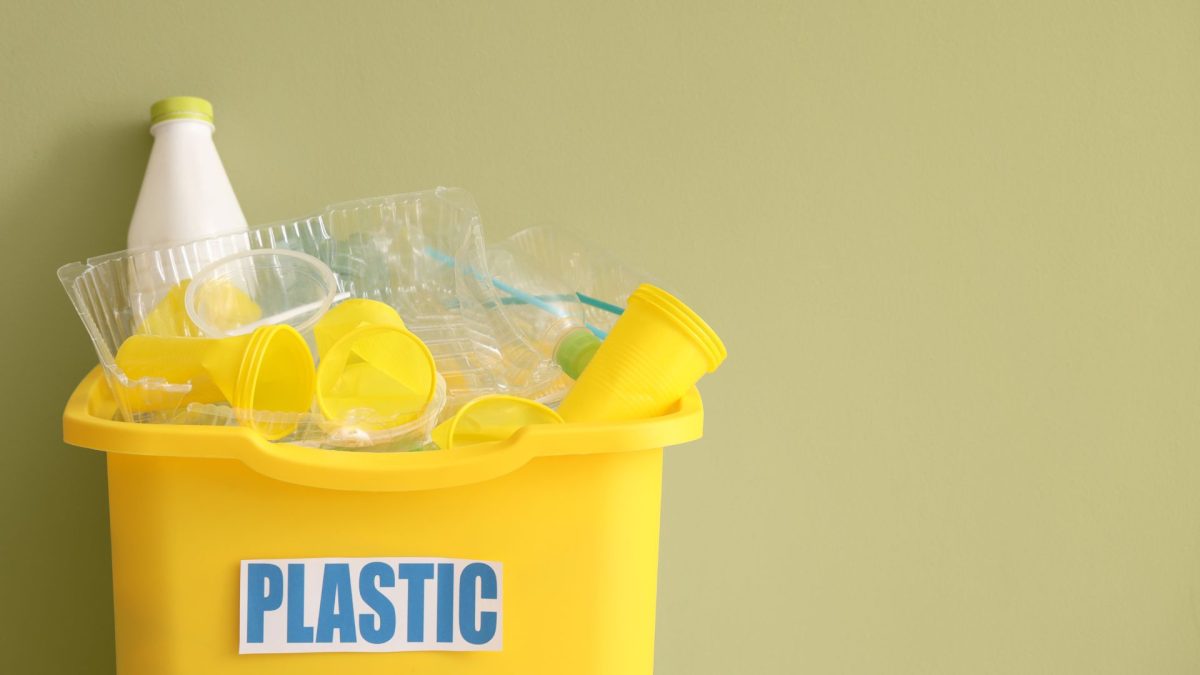
Recycling has become more than just an environmentally conscious choice—it’s a strategic way to manage expenses related to junk removal. By separating recyclable materials from general waste, removal services can reduce the volume of items that need to go to landfills, where disposal fees can be significantly higher. When recyclable items such as metals, plastics, and paper are processed separately, junk removal companies face fewer costs associated with landfill tipping fees, which directly translates to savings for the customer. This method not only keeps hazardous materials out of traditional waste streams but also streamlines the hauling process, allowing teams to operate more efficiently. When you consider the cumulative effect of repeated recycling practices across multiple junk removal projects, the financial benefits become increasingly evident. Fewer landfill trips, more organized disposal, and reduced labor intensity all contribute to lower overall costs.
Moreover, recycling adds value to the process by creating potential revenue streams from materials that can be repurposed. Certain metals, electronics, and other reusable items can be sold to recycling facilities or donated to organizations, further offsetting the operational expenses of junk removal services. This dual advantage—environmental protection and financial efficiency—makes recycling a cornerstone of modern waste management. In essence, adopting recycling strategies allows companies to provide cost-effective services while promoting sustainable practices, benefiting both the service provider and the customer alike.
How Segregation of Materials Optimizes Costs
Separating different types of waste plays a crucial role in minimizing the costs associated with junk removal. When materials are mixed together, the process of disposal becomes more complicated, often requiring extra labor to sort items at disposal sites. By implementing proper segregation practices from the start, removal teams can handle materials more effectively, ensuring recyclable items are processed correctly and non-recyclables are disposed of efficiently. This organization reduces the time and effort spent at both pickup and disposal, lowering labor costs and decreasing the risk of additional fees. Properly sorted materials are also less likely to incur contamination penalties, which can arise when recyclables are improperly disposed of or mixed with general waste. From a customer’s perspective, these efficiencies often result in lower service fees and faster turnaround times, making recycling a practical way to reduce costs while maintaining high service quality.
In addition, the structured approach to waste management fosters partnerships with recycling facilities and donation centers, further enhancing cost-effectiveness. Materials like scrap metal, old appliances, and certain electronics can generate revenue or be donated for tax benefits, which offsets disposal expenses. By incorporating a proactive strategy for sorting and recycling, junk removal services streamline operations, reduce unnecessary spending, and enhance customer satisfaction. This method ensures that both the environment and the bottom line benefit simultaneously, creating a sustainable model that rewards conscientious choices without compromising service quality.
The Role of Metals in Reducing Junk Removal Expenses
Metals are among the most valuable materials when it comes to recycling, and their inclusion in junk removal programs significantly impacts service costs. Aluminum, steel, copper, and other metals can be resold or melted down for new production, creating a direct revenue source for removal companies. When these materials are separated from general waste, they reduce the weight and volume of items that must be sent to landfills, cutting disposal fees and labor requirements. The financial savings gained from recycling metals are often passed on to the customer, making junk removal services more affordable and sustainable. Additionally, metals are highly durable and retain their value over time, which encourages consistent recycling and strengthens the economic incentives for companies to manage them carefully. This focus on metal recycling not only supports environmental sustainability but also directly benefits the efficiency and cost structure of junk removal operations.
Furthermore, metal recycling decreases the environmental footprint of junk removal by reducing the need for new mining and metal production, which are energy-intensive processes. By diverting scrap metal from landfills, services save on transportation and handling costs while contributing to a circular economy. The dual benefits of revenue generation and environmental responsibility demonstrate why metals are central to effective junk removal practices. Customers benefit through more cost-effective services, while companies establish a sustainable operational model that emphasizes both economic and ecological responsibility, enhancing overall service value.
Electronic Waste and Financial Efficiency
E-waste, including computers, televisions, and other electronics, is not only hazardous to the environment if improperly discarded but also carries significant value when recycled correctly. By diverting e-waste from landfills, junk removal companies reduce potential fines and environmental compliance costs while opening up new revenue channels through the resale of components. Recycling electronics can recover precious metals like gold, silver, and palladium, which can be reused in manufacturing. These recovered materials help offset the cost of service, ultimately allowing companies to offer more competitive pricing to customers. Additionally, careful handling of e-waste prevents contamination of other waste streams, reducing the likelihood of additional fees or labor-intensive sorting, creating both environmental and financial benefits in tandem. Efficient recycling of electronics enhances the overall profitability of junk removal operations while supporting responsible disposal practices.
Incorporating e-waste recycling into standard junk removal services also boosts operational efficiency. Instead of treating all items as disposable, companies can implement specialized collection and sorting procedures that maximize material recovery. This structured approach reduces the time and manpower needed for disposal, lowering operational expenses. It also strengthens partnerships with certified e-waste recycling facilities, ensuring compliance with environmental regulations while generating revenue from the resale of reusable parts. The careful management of electronic waste demonstrates how strategic recycling not only mitigates environmental harm but also creates tangible financial advantages, making junk removal both responsible and cost-effective for customers.
Furniture and Appliance Recycling Benefits
Recycling furniture and appliances provides an additional avenue for lowering junk removal costs. Large items like sofas, dressers, refrigerators, and washing machines are heavy and expensive to dispose of, particularly when sent to landfills. When these items are refurbished, donated, or recycled, removal companies save on tipping fees and reduce labor-intensive disposal tasks. Many items still have usable components or materials, such as metal frames, wooden panels, and electronic parts, that can be repurposed, generating additional value. By integrating furniture and appliance recycling into services, companies decrease operational expenses and provide a more affordable service to clients. This approach aligns financial incentives with environmental responsibility, creating a win-win situation for both providers and customers seeking cost-effective junk removal solutions.
Moreover, donating or repurposing furniture and appliances fosters community engagement while reducing environmental impact. Items that are still functional can benefit local organizations or families in need, avoiding premature disposal and contributing to a circular economy. By diverting these items from landfills, junk removal services also decrease greenhouse gas emissions and reduce the strain on waste management systems. The process of recycling or donating these bulky items makes service operations more streamlined, allowing teams to handle more jobs efficiently and pass the savings on to customers, enhancing overall affordability and sustainability.
Cost Savings from Construction and Renovation Waste
Construction and renovation projects generate a significant amount of debris, including wood, drywall, metal, and concrete. When these materials are recycled instead of discarded, junk removal services can lower disposal costs dramatically. For instance, wood can be repurposed or chipped for mulch, concrete can be crushed and reused, and metals can be melted down or sold. Recycling reduces the need for multiple landfill trips and decreases labor costs associated with sorting and handling mixed debris. Customers benefit through lower service fees, and companies benefit from a more efficient workflow that maximizes revenue from recyclable materials. In addition, recycling construction waste helps minimize environmental impact, keeping hazardous materials from contaminating soil and groundwater. Efficient handling of renovation debris exemplifies how recycling practices translate directly into cost savings and improved service quality.
Recycling construction waste also promotes long-term sustainability for both customers and service providers. By partnering with recycling centers and repurposing facilities, junk removal companies can create a reliable stream of reusable materials. This approach minimizes waste management challenges while supporting eco-friendly construction practices. Diverting debris from landfills reduces tipping fees and transport costs, allowing companies to operate more profitably while maintaining competitive pricing. Customers benefit not only from immediate financial savings but also from the knowledge that their construction or renovation projects contribute to sustainable environmental practices, making recycling an integral part of modern junk removal strategy.
Paper, Cardboard, and Plastic Recycling Advantages
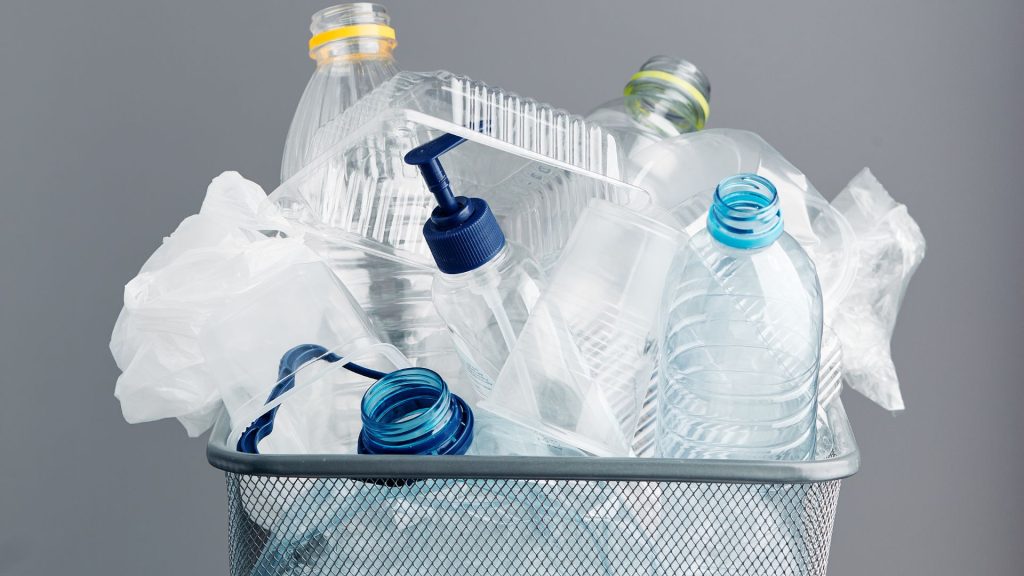
The recycling of paper, cardboard, and plastics has a direct impact on junk removal costs. These materials are lightweight but often occupy significant volume, and sending them to landfills can lead to higher disposal fees due to space and weight restrictions. By diverting these recyclables to appropriate processing facilities, companies reduce the bulk of waste that requires landfill disposal, lowering associated fees. Additionally, recycled paper and cardboard can be repurposed into new packaging, and plastics can be reprocessed into new products, creating potential revenue streams that help offset the costs of junk removal services. Customers benefit from these efficiencies through lower pricing, while companies maintain environmentally responsible operations that maximize resource recovery. The careful management of these commonly discarded materials illustrates how even lightweight recyclables can significantly affect service costs and operational efficiency.
Recycling paper, cardboard, and plastics also enhances overall workflow efficiency. Properly segregated materials are easier to handle, store, and transport, reducing labor costs and minimizing errors. When companies prioritize recycling, they streamline disposal processes and foster strong relationships with local recycling facilities, creating a consistent cycle of material reuse. This approach also supports sustainability initiatives by reducing deforestation and plastic pollution, emphasizing the dual benefits of environmental stewardship and financial efficiency. By addressing these materials thoughtfully, junk removal companies create more affordable and responsible services for their clients, demonstrating the tangible advantages of recycling in day-to-day operations.
Community Engagement and Cost Reduction
Community engagement through recycling initiatives can indirectly lower junk removal costs by fostering partnerships and resource-sharing opportunities. When companies collaborate with local donation centers, non-profits, or municipal recycling programs, they gain access to alternative disposal options for reusable items. This reduces landfill dependency, lowers tipping fees, and can generate income through resale or tax-deductible donations. Community involvement also encourages responsible disposal habits among residents, reducing the volume of contaminated or mixed waste, which decreases labor-intensive sorting tasks for junk removal teams. These efforts not only support environmental responsibility but also create cost efficiencies that benefit both service providers and customers, making junk removal more affordable and socially impactful.
Additionally, engaging the community helps create a culture of sustainability, where more people are willing to donate, recycle, or repurpose unwanted items. This consistent flow of reusable materials reduces waste management challenges, decreases operational costs, and strengthens customer trust and loyalty. Companies that integrate community partnerships into their recycling programs can enhance both profitability and reputation. By combining local engagement with strategic recycling practices, junk removal services establish a model that maximizes cost savings while supporting environmental stewardship, creating a cycle of efficiency and social benefit.
Technological Advancements in Recycling
Technological innovations in recycling have revolutionized the junk removal industry by improving sorting, processing, and material recovery. Advanced equipment can now separate metals, plastics, paper, and e-waste more efficiently, reducing labor costs and minimizing contamination. Automation and smart systems allow companies to process larger volumes of recyclables quickly, cutting down on transportation and landfill expenses. These improvements enable junk removal services to operate more cost-effectively, passing savings on to customers. By incorporating technology into recycling practices, companies can achieve higher recovery rates, increase profitability, and offer more competitive pricing without compromising environmental standards. The integration of technology transforms junk removal from a purely manual process into a more efficient, eco-friendly, and financially sustainable operation.
In addition, technology supports better tracking and reporting of recyclable materials, which helps companies comply with environmental regulations and optimize resource allocation. Digital tools can forecast demand for certain recyclables, plan collection routes efficiently, and monitor the resale of recovered materials. This data-driven approach not only enhances operational efficiency but also ensures transparency and accountability, further reducing costs associated with errors or inefficiencies. By leveraging technological advancements, junk removal services can maintain high environmental and financial performance, making recycling a cornerstone of modern, cost-effective junk management.
Long-Term Environmental and Financial Benefits
Recycling provides long-term advantages that extend beyond immediate cost reductions in junk removal services. Sustainable practices reduce landfill dependency, lower greenhouse gas emissions, and conserve natural resources, creating environmental benefits that complement financial savings. By diverting valuable materials from waste streams, companies can maintain lower disposal costs while contributing to a circular economy. Over time, the combination of resource recovery, reduced tipping fees, and operational efficiency translates into more affordable services for customers and a stronger market position for companies. Recycling establishes a sustainable model where financial and environmental goals align, ensuring that junk removal remains both cost-effective and responsible in the long run.
Furthermore, long-term recycling practices encourage continuous improvement in operational efficiency and material recovery. Companies that commit to sustainable waste management strategies can develop expertise in handling complex materials, foster stronger partnerships with recycling facilities, and innovate in reuse and donation initiatives. These efforts compound over time, resulting in reduced overhead, increased revenue from recyclable materials, and enhanced customer satisfaction. By embedding recycling into the core of junk removal operations, companies can achieve enduring cost reductions, environmental impact mitigation, and service excellence, making responsible waste management a strategic advantage rather than a mere operational requirement.
Conclusion
Recycling plays a pivotal role in reducing the costs of junk removal services while promoting environmental responsibility. By integrating strategies that divert metals, electronics, paper, cardboard, plastics, furniture, and construction debris from landfills, companies can decrease disposal fees, streamline operations, and create potential revenue from reusable materials. These savings often translate directly to lower service fees for customers, providing an affordable and sustainable solution for managing unwanted items. Beyond cost reduction, recycling minimizes environmental impact, conserves resources, and supports a circular economy, making junk removal both financially and ecologically advantageous.
For residents and businesses in Palatine, IL, 24-7 Junk Removal exemplifies the benefits of recycling-oriented junk removal. Their team at 611 W. Wise Schaumburg, IL 60193, can handle residential and commercial cleanouts efficiently while employing eco-friendly practices. Customers can call (773) 309-6966 to schedule services or inquire about cost-effective recycling options. By prioritizing recycled and repurposed materials, 24-7 Junk Removal offers a model where financial savings, operational efficiency, and environmental stewardship work in harmony, making them a trusted choice for responsible junk management in the community.