

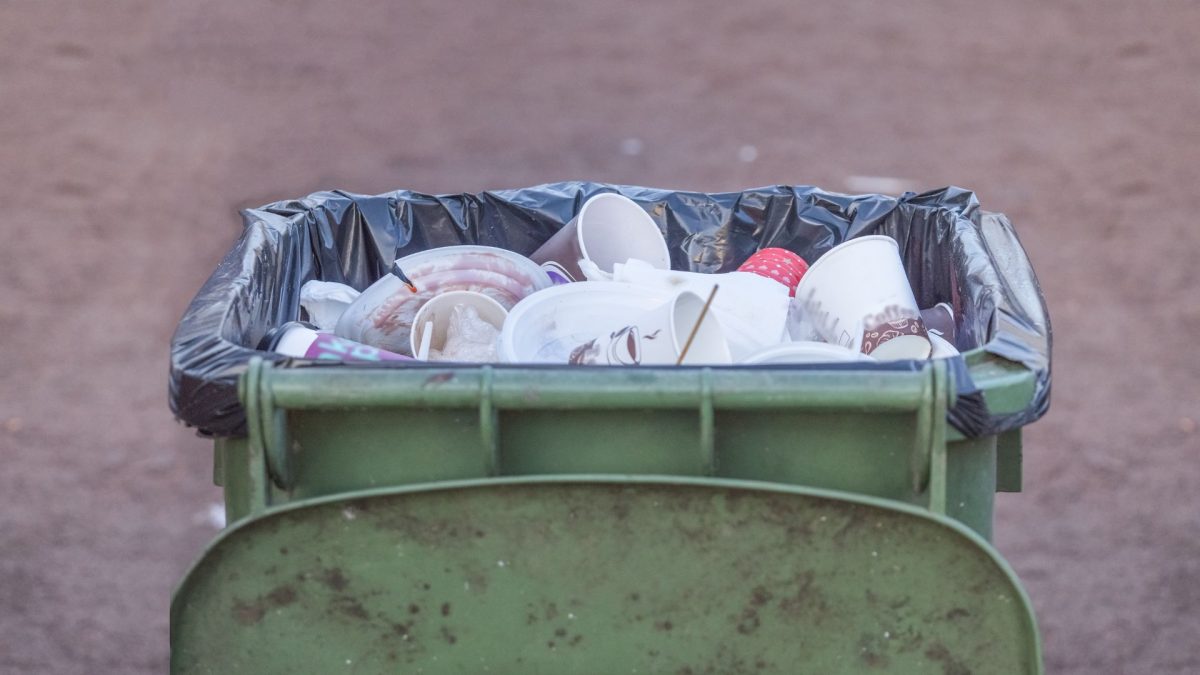
Electronic waste, often called e-waste, has become one of the fastest-growing waste streams globally. From outdated smartphones to malfunctioning laptops, countless devices end up discarded each year. Many of these items contain hazardous materials such as lead, mercury, and cadmium. When improperly disposed of, these substances can leach into soil and water, contaminating ecosystems and threatening both human health and wildlife. By understanding the potential dangers of e-waste, individuals can make informed decisions about disposal methods and the importance of recycling efforts. Awareness of these environmental risks is the first step toward more sustainable living, as small changes in disposal habits can create a significant positive impact on the planet.
Recycling e-waste mitigates these risks by diverting harmful substances from landfills. Proper recycling processes recover valuable metals and materials, preventing them from polluting natural resources. Beyond the environmental benefits, recycling reduces the demand for raw materials, lessening the energy and emissions associated with mining and manufacturing. This circular approach to electronics ensures that devices are handled responsibly, allowing materials to be reused in new products while minimizing ecological footprints. By embracing e-waste recycling, society takes a proactive stance against environmental degradation and fosters a culture of sustainability that benefits both present and future generations.
The Benefits of Responsible E-Waste Disposal
Proper disposal of electronic devices goes beyond keeping your home clutter-free. Responsible e-waste management preserves natural resources by reclaiming metals like gold, silver, and copper, which are finite and environmentally taxing to extract. Recycling these materials reduces the need for mining, which often involves habitat destruction, soil erosion, and high energy consumption. Every item recycled contributes to conserving these precious resources, ultimately lowering the ecological impact of electronics production. This mindful approach empowers individuals to make eco-conscious choices while actively participating in the protection of the planet.
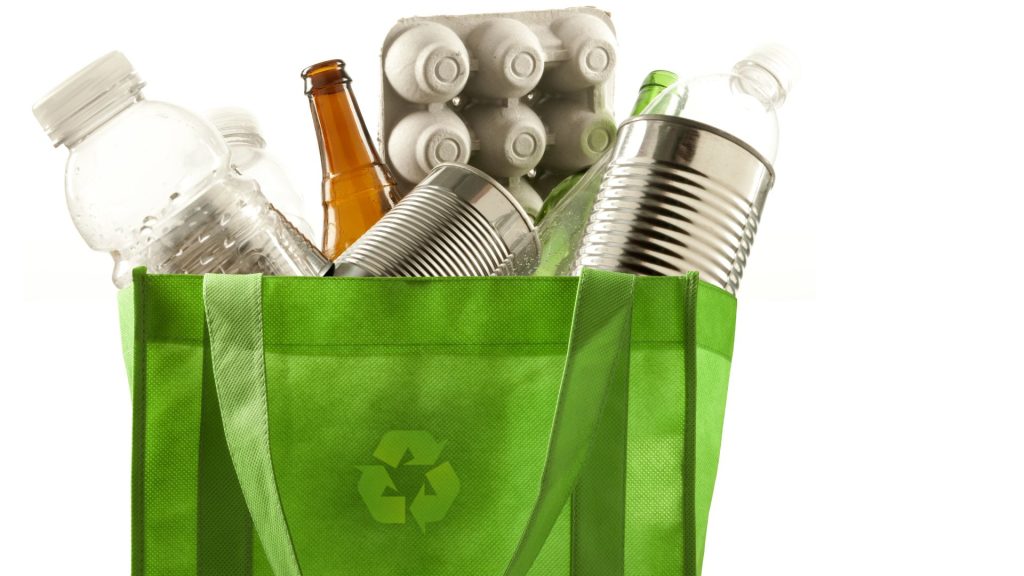
E-waste recycling also curbs greenhouse gas emissions. Manufacturing electronics from virgin materials requires significant energy, often sourced from fossil fuels. By reusing metals and plastics from discarded devices, energy consumption and emissions are drastically reduced. Additionally, safely handling e-waste prevents toxic substances from contaminating air and water, improving overall public health. This holistic benefit demonstrates that recycling is not merely a convenience but a critical environmental strategy. Each device sent to a certified recycling facility supports a cleaner, healthier planet and strengthens the global movement toward sustainable resource management.
How Recycling Conserves Energy and Natural Resources
Electronic devices are composed of materials that are energy-intensive to extract and process. Metals, plastics, and glass require considerable amounts of energy to mine, refine, and shape. When these devices are discarded instead of recycled, the energy embedded in them is wasted. Recycling e-waste allows these materials to be recovered and reused, conserving energy and reducing the environmental toll of producing new components. This practice also extends the lifespan of natural resources, ensuring that fewer raw materials are depleted to meet consumer demand. The energy savings from recycling are substantial, making it a vital component in the fight against climate change and resource scarcity.
Moreover, conserving natural resources through e-waste recycling helps protect ecosystems. Mining operations can devastate local habitats, displacing wildlife and reducing biodiversity. By recovering valuable materials from old electronics, the pressure on these ecosystems is diminished. Recycling reduces the need for extensive mining projects, leading to lower deforestation rates, cleaner water systems, and less soil disruption. This proactive strategy aligns with broader environmental goals, emphasizing sustainability and responsible consumption. Choosing to recycle electronics thus becomes an impactful action that supports both energy efficiency and the preservation of delicate ecosystems.
The Role of Recycling Centers in Safe E-Waste Management
Recycling centers play a crucial role in managing e-waste safely and effectively. These facilities are equipped to handle hazardous components, dismantle devices, and separate materials for recovery. By using specialized processes, recycling centers prevent dangerous substances from contaminating the environment and ensure that valuable metals are efficiently reclaimed. Certified e-waste facilities adhere to strict regulations, guaranteeing that electronics are processed responsibly and ethically. Choosing a professional recycling center rather than discarding devices in regular trash ensures compliance with environmental standards and minimizes health risks associated with improper disposal.
Additionally, recycling centers contribute to community education and awareness. Many centers provide information on proper disposal practices, encouraging households and businesses to adopt sustainable habits. They also collaborate with manufacturers and local authorities to implement e-waste take-back programs, making it easier for people to recycle electronics. This collaborative approach fosters a culture of environmental responsibility, allowing recycling efforts to reach a broader audience. By supporting certified recycling centers, individuals and organizations alike contribute to a structured system that safeguards both the planet and public health while maximizing the recovery of valuable resources.
E-Waste Recycling as a Contributor to the Circular Economy
Recycling e-waste is a key component of the circular economy, a model designed to keep resources in use for as long as possible. Instead of following the traditional linear model of “take, make, dispose,” the circular economy emphasizes reuse, refurbishment, and material recovery. By recycling electronics, valuable materials are reintegrated into the production of new devices, reducing waste and dependency on raw resources. This approach not only conserves materials but also encourages innovation in product design, as manufacturers increasingly consider recyclability and sustainability when creating new products. E-waste recycling becomes an integral link in this environmentally conscious system, promoting efficiency and reducing ecological impact.
The circular economy model also provides economic benefits. Reclaimed materials can be sold, generating revenue and supporting industries focused on sustainable manufacturing. This system reduces costs associated with mining, waste management, and energy consumption. Moreover, it creates jobs in recycling, refurbishment, and logistics, contributing to the local economy while addressing environmental challenges. By participating in e-waste recycling, consumers and businesses align with an economic model that prioritizes resource efficiency, sustainability, and long-term ecological balance. The transition to a circular economy hinges on collective action, with e-waste recycling serving as a tangible step toward a more sustainable future.
Environmental and Health Risks of Improper Disposal
Improper disposal of electronics poses serious environmental and health risks. When devices are left to decompose in landfills, toxic chemicals like lead, mercury, and cadmium can seep into soil and groundwater. This contamination threatens wildlife, disrupts ecosystems, and poses significant risks to human health, including neurological damage, organ failure, and developmental disorders. E-waste incineration can release hazardous fumes into the air, contributing to respiratory problems and global pollution. Recognizing these dangers underscores the importance of safe disposal methods and the necessity of recycling as a responsible alternative.
Furthermore, informal recycling practices in unregulated areas can exacerbate these risks. Some communities dismantle electronics manually without proper safety measures, exposing workers and residents to harmful substances. These unsafe practices amplify health hazards and environmental degradation, highlighting the need for certified recycling programs. By supporting professional e-waste recycling, society ensures that electronic devices are processed with minimal risk to humans and ecosystems. Safe recycling safeguards public health, preserves natural resources, and mitigates long-term environmental damage, emphasizing that responsible action is essential for global sustainability.
Community Involvement in E-Waste Recycling
Communities play a vital role in promoting e-waste recycling. Local initiatives, such as collection drives and educational campaigns, encourage residents to dispose of electronics responsibly. Schools, businesses, and municipal programs can organize events that facilitate convenient and safe e-waste drop-offs. Community engagement not only increases recycling rates but also raises awareness of the environmental and health impacts associated with improper disposal. By fostering a culture of sustainability, communities empower individuals to make eco-conscious decisions that collectively reduce environmental harm and promote greener living.
Collaboration among community members strengthens recycling networks. When neighborhoods coordinate with certified recycling centers and local authorities, more electronics are diverted from landfills. This collective effort enhances the efficiency of material recovery and ensures that hazardous substances are handled safely. Community involvement also creates opportunities for educational programs that highlight the importance of e-waste recycling, inspiring future generations to adopt sustainable practices. In this way, local action amplifies the positive effects of responsible disposal, turning small individual efforts into meaningful environmental impact.
Innovative Technologies in E-Waste Recycling
Technological advancements are revolutionizing e-waste recycling, making processes more efficient and environmentally friendly. Modern recycling facilities employ automated sorting systems, advanced chemical treatments, and precision machinery to recover valuable materials with minimal waste. These innovations reduce the risk of hazardous contamination while maximizing the extraction of metals, plastics, and glass. By integrating cutting-edge technology, recycling programs can handle higher volumes of e-waste safely, ensuring that more devices are properly processed and fewer harmful substances escape into the environment.
Innovation also extends to product design, with manufacturers increasingly creating electronics that are easier to disassemble and recycle. Modular designs and standardized components facilitate material recovery, supporting sustainable end-of-life management. These technological improvements demonstrate the potential for industry-wide change, as recycling becomes more effective and resource-efficient. By leveraging both innovative recycling methods and sustainable design principles, society can drastically reduce the environmental footprint of electronics, ensuring that technological progress does not come at the expense of the planet.
The Economic Value of E-Waste Recycling
E-waste recycling carries significant economic potential. The metals and materials recovered from discarded electronics can be sold and reused in manufacturing, reducing costs for producers and creating revenue streams for recycling facilities. Precious metals like gold, silver, and platinum are found in even small electronic devices, offering substantial value when recovered efficiently. By recognizing the economic opportunities within e-waste, businesses and individuals are motivated to participate in responsible recycling practices, turning waste into a valuable resource rather than a burden.
Beyond raw material recovery, e-waste recycling generates employment opportunities in collection, transportation, and processing sectors. The recycling industry supports local economies by creating sustainable jobs and fostering innovation in resource management. Additionally, the reduction of environmental cleanup costs associated with improper disposal further underscores the economic advantage of recycling. By treating e-waste as a resource rather than mere trash, society can simultaneously promote economic growth, environmental protection, and sustainable consumption patterns, making recycling a win-win strategy on multiple fronts.
Raising Awareness and Education About E-Waste
Awareness and education are fundamental to improving e-waste recycling rates. Many individuals are unaware of the environmental hazards posed by electronics or the proper channels for disposal. Educational campaigns, social media outreach, and school programs can inform the public about safe recycling practices and the importance of responsible consumption. By fostering knowledge and understanding, these efforts empower people to make informed choices about the electronics they purchase, use, and eventually discard, ultimately reducing the negative environmental impact of e-waste.
Education also inspires behavioral change. When communities and organizations provide accessible information about recycling options and environmental consequences, individuals are more likely to engage in sustainable practices. Schools and workplaces can implement programs that teach responsible disposal and highlight the benefits of recycling. This cultural shift ensures that eco-conscious behavior becomes habitual, reinforcing the long-term goal of environmental stewardship. Through comprehensive education and awareness initiatives, society can cultivate a generation that prioritizes sustainability and actively contributes to reducing e-waste.
Conclusion
Recycling e-waste is not just an environmental choice but a necessary responsibility in our modern world. Proper disposal conserves natural resources, reduces greenhouse gas emissions, and prevents hazardous materials from contaminating soil, water, and air. Individuals, communities, and businesses alike can play a pivotal role in ensuring that electronics are recycled safely and efficiently. By participating in certified recycling programs, we collectively contribute to a sustainable future, fostering a culture of environmental responsibility and awareness that benefits everyone.
For those seeking professional help with junk removal and e-waste recycling in Palatine, IL, 24-7 Junk Removal offers comprehensive services to manage unwanted electronics safely and responsibly. Located at 611 W. Wise Schaumburg, IL 60193, their team is ready to assist with efficient junk removal solutions. You can contact them at (773) 309-6966 or via email at support@24-7junk.com to schedule a service or learn more about eco-friendly disposal options. Partnering with a trusted local company ensures your e-waste is handled sustainably, protecting both your community and the planet.