

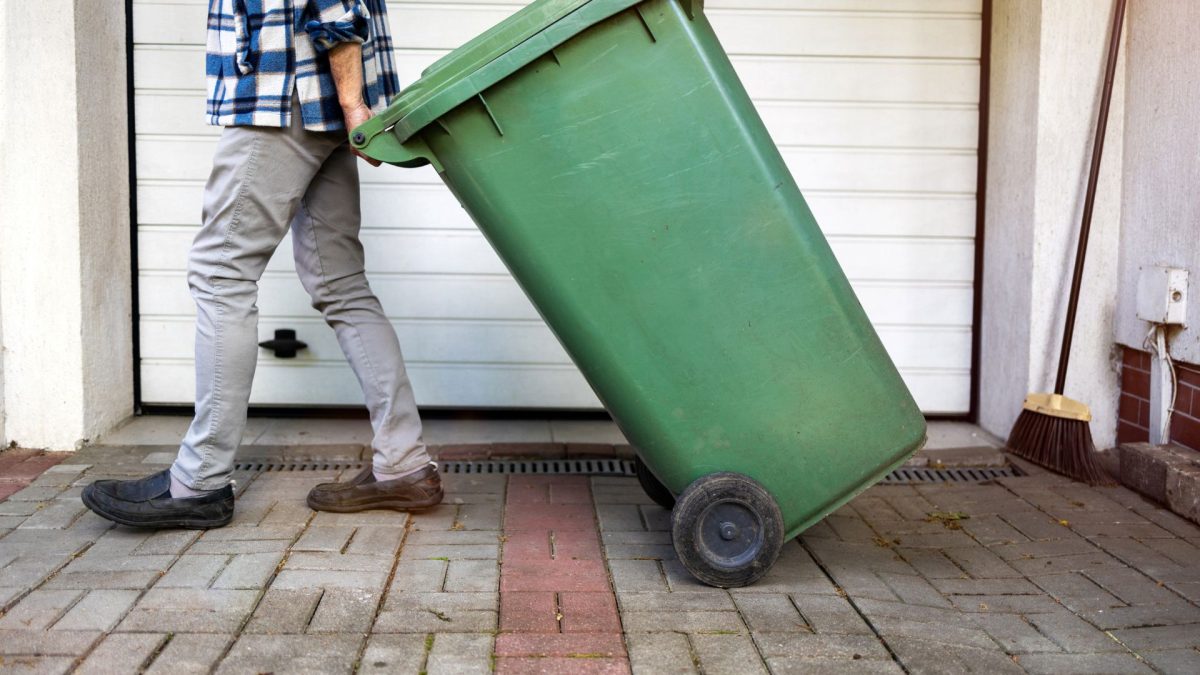
Every discarded item holds more than just its physical presence. When junk is tossed into landfills or left to accumulate, it contributes to environmental strain in ways that are often overlooked. Metals, plastics, and electronics release harmful chemicals and pollutants that seep into the soil and waterways, gradually impacting ecosystems and human health. Even everyday items like old appliances or furniture have components that do not decompose naturally, leading to long-term environmental degradation. Choosing to recycle these materials shifts their lifecycle from waste to resource, allowing valuable materials to be repurposed rather than left to pollute the planet. Recycling not only minimizes the volume of waste in landfills but also reduces the extraction of raw materials, preserving natural habitats and diminishing energy consumption associated with manufacturing new products.
By adopting a recycling-first approach for junk disposal, individuals can actively participate in mitigating climate change and conserving vital resources. Items like scrap metal, glass, and electronics can be processed and reintroduced into production chains, cutting down greenhouse gas emissions and reducing demand for mining and deforestation. The environmental benefits of responsible recycling extend far beyond the immediate disposal process. Each recycled item is a small but meaningful contribution toward cleaner air, healthier soil, and balanced ecosystems. By recognizing the consequences of improper junk disposal, homeowners and businesses alike can make informed decisions that align with sustainable living practices.
Recycling as a Means of Conserving Natural Resources
Natural resources are finite, and improper junk disposal accelerates their depletion. Materials such as aluminum, copper, and steel require intensive energy and mining to obtain, processes that significantly disrupt ecosystems and consume massive amounts of energy. Recycling these materials from junk items reduces the need for extraction, conserving the earth’s precious resources. Repurposing metals from old appliances, vehicles, and construction debris helps maintain a supply of raw materials for industries without further straining the planet’s reserves. Similarly, recycling paper, cardboard, and certain plastics reduces the number of trees cut down and lowers water consumption, demonstrating that responsible disposal can have a substantial impact on resource preservation.

When we approach junk disposal with an eye toward recycling, it becomes clear that every discarded object represents an opportunity to conserve materials and energy. By separating items that can be repurposed, communities and households can contribute to a circular economy where waste is minimized, and valuable components are returned to production cycles. Recycling encourages innovation and efficiency in manufacturing, prompting industries to design products with sustainability in mind. These efforts collectively reduce the environmental footprint of both individuals and larger commercial operations, proving that conscientious disposal practices are not just a personal responsibility but a crucial step toward preserving the planet for future generations.
The Economic Advantages of Recycling Junk
Recycling junk offers more than environmental benefits; it has tangible economic advantages as well. By diverting waste from landfills and converting it into reusable materials, recycling reduces the costs associated with waste management infrastructure and landfill maintenance. For businesses and municipalities, this can translate to significant financial savings while simultaneously generating revenue through the sale of reclaimed metals, plastics, and electronics. In addition, recycling supports job creation in the processing, sorting, and resale sectors, stimulating local economies while promoting sustainable practices. The economic ripple effect of responsible junk disposal illustrates that financial prudence and environmental responsibility can coexist seamlessly.
Individuals also benefit economically by engaging in recycling practices. Selling scrap metal, old appliances, or electronics to recycling centers can generate extra income while reducing clutter and freeing up valuable living or work space. Furthermore, recycled materials often cost less for manufacturers than newly extracted resources, ultimately resulting in cost savings for consumers and companies alike. These financial incentives create a win-win scenario where both the environment and the economy thrive. Encouraging the adoption of recycling as the default option for junk disposal reinforces the notion that sustainability is not only a moral responsibility but also a practical, economically beneficial choice.
The Role of Recycling in Reducing Greenhouse Gas Emissions
Improper disposal of junk contributes indirectly to greenhouse gas emissions. Landfills produce methane, a potent greenhouse gas, as organic materials decompose anaerobically. Additionally, the extraction and processing of raw materials generate substantial carbon emissions, adding to global warming concerns. Recycling redirects items away from landfills and reduces the need for energy-intensive production, significantly cutting greenhouse gas emissions. Metals, plastics, and paper can all be recycled, lowering energy use during manufacturing and preventing unnecessary emissions. By choosing recycling over disposal, individuals and organizations can actively mitigate climate change while promoting cleaner, more sustainable industrial practices.
Recycling also fosters a sense of shared environmental responsibility, highlighting the impact of small actions on global systems. Each ton of recycled aluminum, for instance, saves thousands of kilowatt-hours of energy compared to producing new aluminum from raw ore. Electronics and batteries contain materials that, if recycled, prevent emissions of toxic substances and reduce energy consumption in production. These cumulative effects underscore the broader environmental significance of responsible junk disposal. By recycling, households and businesses can align their daily practices with climate-conscious values, contributing to measurable reductions in carbon footprints and a healthier, more resilient planet.
Minimizing Landfill Overcrowding Through Recycling
Landfill overcrowding is a growing challenge in many urban areas, where the accumulation of improperly disposed junk strains infrastructure and threatens public health. When recyclable materials are diverted from landfills, space is preserved for waste that truly cannot be repurposed. This not only prolongs the lifespan of existing landfills but also decreases the need for new landfill sites, which often displace natural habitats and disrupt communities. Recycling junk is an essential strategy for sustainable urban planning, ensuring that waste management systems remain efficient while minimizing environmental disruption.
Recycling also encourages individuals to rethink consumption patterns and embrace waste reduction strategies. By treating items as resources rather than disposable objects, households can actively participate in reducing landfill contributions. Materials such as metal, paper, and plastics that would otherwise occupy substantial landfill space can be recycled, supporting a circular flow of resources. This proactive approach to junk disposal preserves land for other purposes, reduces odor and leachate issues associated with overflowing landfills, and fosters a culture of environmental mindfulness. Communities that prioritize recycling contribute to cleaner, safer, and more sustainable living environments, benefiting both present and future generations.
Recycling Electronics to Prevent Toxic Waste
Electronics are a significant source of hazardous waste when discarded improperly. Components like batteries, circuit boards, and screens contain heavy metals and chemicals that can leach into the environment, posing serious health risks. Recycling e-waste ensures that these materials are processed safely, preventing contamination of soil and water. By recovering valuable metals such as gold, silver, and copper from electronics, recycling reduces the need for environmentally destructive mining operations. Responsible disposal of electronic junk is not just a matter of convenience—it is a critical step toward protecting ecosystems and public health from toxic exposure.
Moreover, recycling electronics enables the recovery of materials that can be reused in new devices, promoting technological sustainability. Many electronics contain rare or finite elements, and repurposing these resources reduces environmental impact and production costs. Households and businesses that prioritize e-waste recycling contribute to a safer, cleaner environment while also supporting innovation in the electronics industry. Safe, responsible electronic disposal exemplifies how everyday decisions can align with broader environmental goals. By embracing recycling as the default option for junk disposal, communities can address the dual challenge of reducing landfill waste and preventing hazardous chemical exposure, creating a safer future for everyone.
Encouraging Circular Economy Practices Through Recycling
Recycling is a cornerstone of the circular economy, a model that prioritizes the continual use of resources rather than linear consumption and disposal. By converting discarded items into reusable materials, recycling supports a system where products are kept in circulation for as long as possible, minimizing waste and maximizing value. Households and businesses that actively recycle junk contribute to this economic model, demonstrating that responsible consumption and disposal can drive systemic change. In a circular economy, junk becomes an asset, offering materials for manufacturing, construction, and other productive purposes rather than burdening landfills.
The adoption of circular economy principles reshapes the way communities approach waste management. Instead of viewing junk as a final product to be discarded, recycling encourages a mindset of resourcefulness and sustainability. Items that might once have been thrown away can be refurbished, repurposed, or transformed into new products, extending their lifecycle and reducing environmental impact. This philosophy not only conserves natural resources but also inspires innovative approaches to production, design, and consumption. Recycling becomes a practical expression of this vision, empowering individuals and organizations to participate actively in a sustainable, resource-efficient society.
How Recycling Enhances Community Wellbeing
Communities benefit significantly when recycling becomes the preferred option for junk disposal. Cleaner neighborhoods, reduced landfill presence, and decreased pollution contribute to improved public health and quality of life. Recycling programs also foster community engagement and environmental awareness, encouraging residents to take collective responsibility for their surroundings. When households and businesses participate in recycling initiatives, they cultivate a culture of sustainability that can inspire long-term behavioral change, positively impacting social cohesion and environmental stewardship.
Furthermore, recycling promotes local economic development by creating jobs in collection, sorting, and processing sectors. Communities that invest in recycling infrastructure not only support environmental goals but also enhance local employment opportunities. Residents become more conscious of consumption patterns, leading to reduced waste generation and more mindful purchasing decisions. The cumulative effect of these practices is a healthier, more resilient community with cleaner air, safer water, and greener public spaces. Through recycling, junk disposal evolves from a mundane chore into an opportunity for collective environmental responsibility and tangible community improvement.
The Role of Businesses in Promoting Recycling
Businesses have a significant influence on how junk is disposed of and can set standards for sustainability practices. Companies that adopt recycling policies for office furniture, electronics, and other materials demonstrate leadership in environmental responsibility. Beyond the direct benefits to the environment, recycling initiatives improve corporate reputation, attract eco-conscious customers, and create internal cultures that value sustainability. Responsible junk disposal by businesses has ripple effects, encouraging employees and partners to embrace recycling practices in their personal lives, amplifying the overall environmental impact.
Integrating recycling into corporate operations also leads to operational efficiencies. Salvaging valuable materials from discarded products reduces procurement costs and waste management expenses while aligning with broader environmental regulations. Businesses that commit to recycling initiatives actively contribute to a more sustainable supply chain and demonstrate accountability to stakeholders. By setting an example through responsible junk disposal, companies influence societal norms and encourage a collective movement toward environmentally conscious practices. Recycling in the business context reinforces the idea that sustainability is both an ethical choice and a strategic advantage.
Recycling as a Catalyst for Personal Responsibility
Recycling junk is a tangible way for individuals to express personal responsibility toward the environment. Making conscious decisions about what can be repurposed, donated, or recycled cultivates mindfulness about consumption and the lifecycle of materials. This awareness encourages habits that extend beyond disposal, influencing purchasing decisions, household management, and community engagement. Each person’s commitment to recycling contributes to a collective effort that reduces environmental impact, mitigates climate change, and conserves natural resources for future generations.
Embracing recycling also strengthens the connection between personal actions and global outcomes. When individuals take the time to sort materials, repurpose items, and engage with local recycling programs, they reinforce the notion that small, deliberate choices can produce meaningful environmental results. This personal responsibility fosters a sense of empowerment, showing that proactive participation in sustainable practices is both feasible and impactful. By prioritizing recycling in junk disposal, individuals become active contributors to a healthier planet, demonstrating that environmental stewardship begins at home and extends outward into broader societal benefits.
Conclusion
Recycling represents the most responsible approach to junk disposal, offering environmental, economic, and social benefits that extend far beyond the act of discarding items. Choosing to recycle reduces landfill pressure, conserves natural resources, prevents toxic contamination, and cuts greenhouse gas emissions. Households, businesses, and communities that embrace recycling demonstrate foresight, transforming junk from a burden into a valuable resource while fostering sustainability, economic efficiency, and public wellbeing. The impact of these efforts accumulates, showing that every item recycled is a step toward a healthier, cleaner, and more resilient environment for future generations.
For residents and businesses in Palatine, IL, partnering with 24-7 Junk Removal ensures responsible and efficient junk disposal that aligns with sustainable practices. The team provides comprehensive Junk Removal services, managing everything from household clutter to office e-waste, with a commitment to recycling and environmentally safe practices. To schedule a pickup or learn more about their services, contact 24-7 Junk Removal at (773) 309-6966 or email support@24-7junk.com. Their office is located at 611 W. Wise Schaumburg, IL 60193, making professional, eco-friendly junk disposal accessible to the local community while promoting a greener future.