

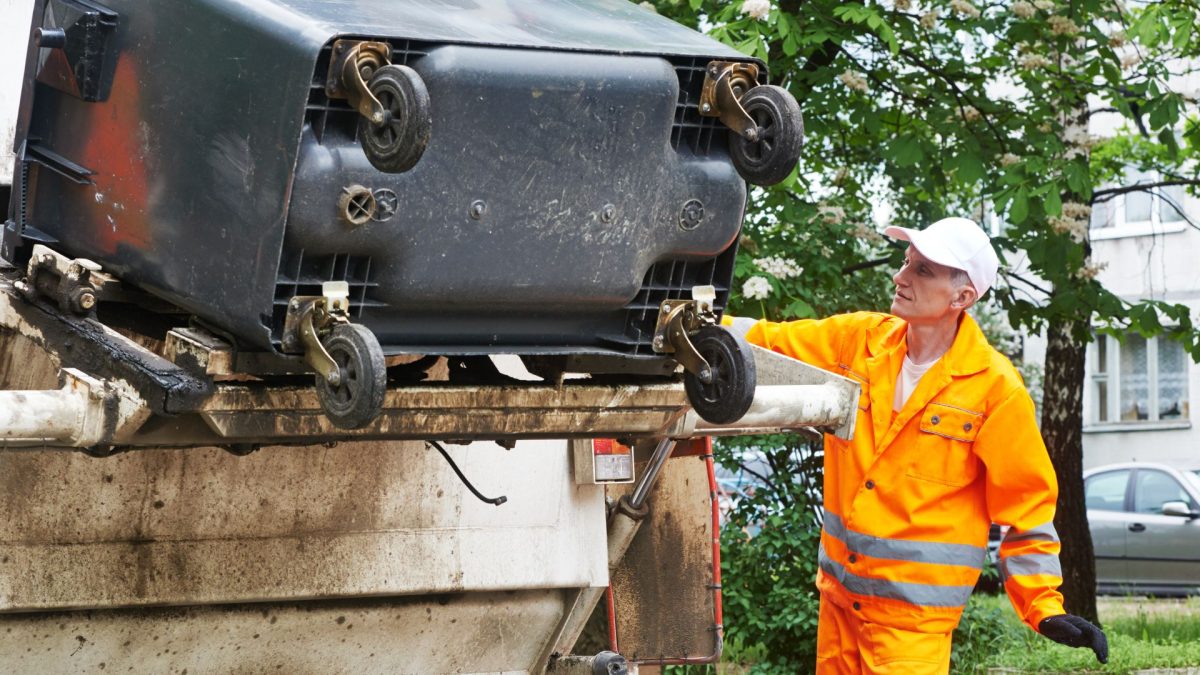
Eco-friendly junk removal goes beyond simply getting rid of unwanted items. It’s about minimizing the environmental impact while managing waste efficiently. Choosing sustainable disposal methods helps reduce the amount of waste sent to landfills and encourages recycling and donation. By taking an environmentally conscious approach, you can contribute to the conservation of natural resources and reduce pollution. Small actions, like separating recyclable materials from non-recyclables or opting for donation instead of disposal, can have a significant positive effect over time. This approach not only supports the planet but also instills a sense of responsibility in our daily routines.
Additionally, understanding the types of items that can be recycled or repurposed is crucial. Electronics, metals, plastics, and even furniture can often be given a second life when handled correctly. Prioritizing eco-friendly practices ensures that hazardous materials do not end up in landfills, protecting soil and water quality. It’s essential to recognize that responsible junk removal is not just a one-time effort but a habit that can influence communities, promoting awareness and encouraging others to follow sustainable practices. By making informed choices, each disposal action becomes part of a larger solution for environmental preservation.
Sorting and Categorizing Items Before Disposal
Sorting items before removal is a key step in eco-friendly junk management. Categorizing materials such as metals, plastics, electronics, and organic waste ensures that each item is disposed of appropriately. Proper sorting allows recyclable items to be sent to recycling centers and reusable items to donation centers. This prevents valuable resources from being wasted and reduces the strain on landfills. When items are organized correctly, the process becomes more efficient, saving time and effort while maximizing environmental benefits.
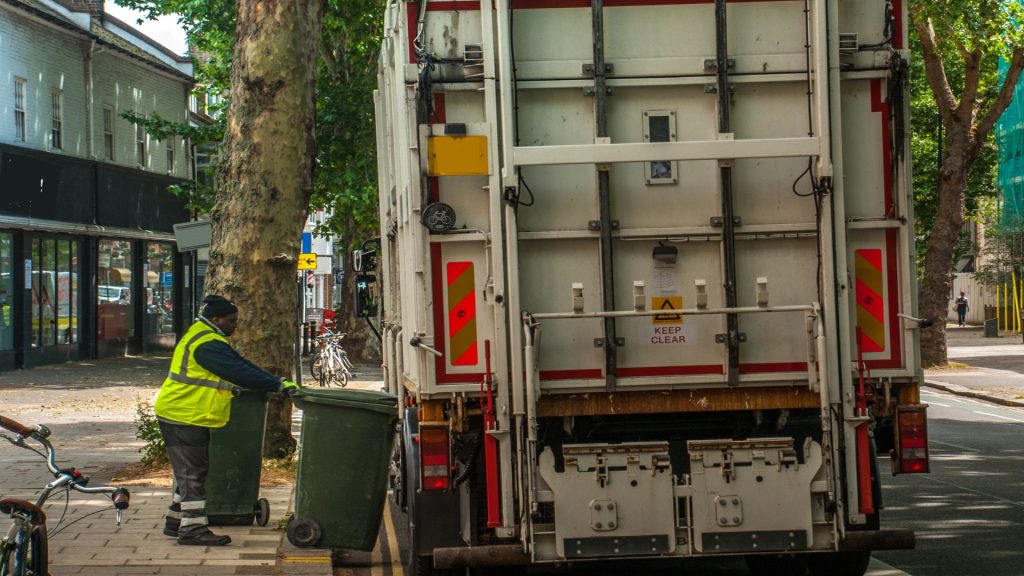
Moreover, categorization helps identify hazardous materials that require special handling. Batteries, chemicals, and electronic waste need separate disposal to prevent contamination. By dedicating a small amount of effort upfront, you avoid potential environmental hazards and ensure compliance with local regulations. Sorting also creates opportunities for repurposing and upcycling. For instance, furniture or electronics that are still functional can find new homes, promoting a circular economy. Overall, this practice enhances the sustainability of the junk removal process and supports a cleaner, healthier environment for everyone.
Donating Usable Items to Reduce Waste
Donation is a powerful way to extend the life of unwanted items while supporting the community. Usable furniture, clothing, electronics, and household items can benefit those in need instead of ending up in a landfill. Donating contributes to social good by helping charities, shelters, and non-profit organizations provide essential items to individuals and families. This practice not only minimizes waste but also gives items a meaningful second life, creating positive social and environmental impacts simultaneously.
Additionally, donating encourages mindful consumption by promoting reuse over disposal. Many items that may seem obsolete to one person can be valuable to another. Establishing a habit of donation before disposal fosters a more responsible approach to managing possessions. Beyond the immediate benefits, donation helps create a culture of sustainability within neighborhoods and communities. When more people engage in giving away reusable items, the collective impact on reducing landfill waste grows significantly, demonstrating how eco-conscious choices in junk removal can create a ripple effect of positive change.
Recycling as a Cornerstone of Sustainable Junk Removal
Recycling plays a central role in eco-friendly junk removal by transforming waste materials into new products. Items such as paper, cardboard, plastics, glass, and metals can be processed and reused, conserving natural resources and reducing energy consumption. Recycling reduces the need for raw materials, lessens pollution from manufacturing, and extends the lifespan of existing resources. It is an essential practice for those committed to minimizing their ecological footprint while managing household or commercial waste responsibly.
Furthermore, recycling requires awareness and diligence in handling materials correctly. Contaminated recyclables or mixed waste can hinder the recycling process, so careful preparation is crucial. Educating oneself about local recycling guidelines ensures that materials are processed efficiently. Recycling also encourages innovation in product design and waste management systems, pushing industries toward more sustainable practices. When combined with other eco-friendly strategies, such as donation and hazardous waste management, recycling becomes a fundamental tool in reducing environmental impact and promoting a cleaner, more sustainable community.
Proper Disposal of Hazardous Materials
Hazardous materials such as batteries, paint, chemicals, and electronics require special handling to prevent environmental contamination. Incorrect disposal of these items can lead to soil, water, and air pollution, posing health risks to humans and wildlife. Eco-friendly junk removal emphasizes identifying and separating hazardous items, ensuring they are taken to specialized facilities for safe treatment and recycling. This practice protects ecosystems and contributes to a safer, cleaner environment.
In addition, proper hazardous material disposal fosters community safety and compliance with regulations. Local governments often provide guidelines and collection events for safe disposal of dangerous items. Being proactive in handling hazardous materials also prevents accidental harm in homes or businesses. By prioritizing correct disposal, individuals and organizations demonstrate responsibility and commitment to environmental stewardship. Ensuring that these items are treated appropriately helps maintain public health and safeguards natural resources for future generations, highlighting the critical role of careful handling in sustainable junk removal practices.
Choosing Professional Junk Removal Services Wisely
Opting for professional junk removal services with a focus on sustainability ensures that your waste is managed efficiently and responsibly. Experienced companies have the knowledge, equipment, and connections to recycle, donate, or safely dispose of various items. Selecting services that prioritize eco-friendly methods reduces the likelihood of valuable materials ending up in landfills and ensures compliance with environmental regulations. Professional teams streamline the removal process while maximizing the positive impact on the environment.
Moreover, these services often have established partnerships with recycling centers and donation organizations, allowing items to be repurposed effectively. By choosing professionals committed to green practices, you support a system where waste management contributes to resource conservation. Additionally, using professional services can save time, reduce stress, and improve safety during the removal process. Overall, responsible junk removal companies provide a reliable and eco-conscious solution that aligns with sustainable living principles while enhancing convenience and efficiency.
Minimizing Waste Through Thoughtful Consumption
Preventing unnecessary junk begins with mindful consumption. Being intentional about purchases, avoiding disposable products, and choosing durable items reduces the volume of waste generated over time. Thoughtful consumption encourages individuals and businesses to consider the lifecycle of items, from production to disposal, promoting sustainable living habits. By integrating conscious buying decisions, the amount of junk requiring removal is naturally minimized, lessening the environmental burden and supporting resource efficiency.
Additionally, documenting and organizing belongings regularly helps identify unused or redundant items before they accumulate. Repurposing, repairing, or creatively upcycling products extends their usability and decreases the frequency of disposal. This approach not only conserves resources but also cultivates a proactive mindset toward environmental responsibility. Implementing thoughtful consumption alongside eco-friendly junk removal practices creates a comprehensive strategy for sustainable living, demonstrating that reducing waste at the source is just as important as how items are eventually disposed of or repurposed.
Implementing Green Demolition Practices
When dealing with construction debris or remodeling projects, green demolition practices are crucial for eco-friendly junk removal. This involves salvaging reusable materials, recycling wood, metal, and concrete, and minimizing landfill contributions. Responsible demolition not only reduces waste but also saves energy and resources by diverting materials from disposal sites. Planning and executing projects with sustainability in mind ensures that every stage, from deconstruction to removal, aligns with environmental conservation principles.
Furthermore, collaborating with professionals experienced in eco-conscious demolition enhances efficiency and compliance with regulations. These teams can identify materials suitable for reuse or donation, ensuring that the demolition process supports both sustainability and economic benefits. Implementing green practices also fosters innovation in construction techniques, inspiring new ways to reduce waste and conserve resources. By integrating these methods into everyday projects, homeowners and businesses actively participate in creating a more sustainable built environment, demonstrating that careful planning and execution are key components of eco-friendly junk removal.
Educating Communities About Sustainable Practices
Raising awareness and educating communities about eco-friendly junk removal amplifies the positive impact of sustainable practices. Sharing knowledge on recycling, donation, and proper waste management encourages collective action, inspiring others to adopt responsible disposal habits. Community education fosters a culture where environmental responsibility becomes a shared value, ultimately reducing landfill contributions and supporting local recycling initiatives.
Community engagement also strengthens networks between residents, businesses, and organizations focused on sustainability. Workshops, informational campaigns, and local events provide opportunities for individuals to learn, participate, and make informed choices. This communal approach enhances accountability and ensures that eco-friendly practices are not just personal habits but widely adopted strategies. By investing in education, communities can create long-term environmental benefits, demonstrating that sustainability thrives when knowledge is shared and collective action is prioritized.
Leveraging Technology for Efficient Waste Management
Technology plays a vital role in modern eco-friendly junk removal. Digital tools and platforms help streamline the process, from scheduling pickups to tracking recycling and donation efforts. Smart systems enable better sorting, reporting, and optimization of waste routes, reducing carbon emissions associated with transportation. Integrating technology ensures that eco-conscious practices are more efficient, measurable, and effective in minimizing environmental impact.
Moreover, technology facilitates transparency in the waste management process, allowing individuals and businesses to monitor how their items are handled. Online booking systems, mobile apps, and tracking software provide real-time updates and insights into the disposal journey. By leveraging technological innovations, junk removal becomes not only more convenient but also more accountable. This approach empowers users to make informed decisions, supports recycling and donation initiatives, and reinforces the importance of combining sustainability with operational efficiency in eco-friendly junk removal.
Conclusion
Adopting eco-friendly junk removal practices is essential for both environmental preservation and responsible living. Implementing strategies such as sorting, recycling, donation, and proper disposal ensures that waste is handled in a sustainable manner. Choosing professional services committed to green practices, minimizing unnecessary consumption, and embracing technology enhances the effectiveness of these efforts. Communities benefit from increased awareness and education, creating a culture where environmental responsibility is valued and actively practiced. By taking conscious steps in managing junk, individuals and organizations collectively reduce landfill contributions, conserve resources, and foster a cleaner, healthier environment for future generations.
For reliable and professional junk removal services, consider 24-7 Junk Removal in Palatine, IL. Their team offers expert handling of all types of waste, ensuring that recyclable, reusable, and hazardous items are managed responsibly. Contact them today at (773) 309-6966 to schedule a pickup and contribute to a more sustainable environment. Located at 611 W. Wise Schaumburg, IL 60193, 24-7 Junk Removal prioritizes eco-friendly practices and efficient service, making it easy to dispose of unwanted items responsibly. Reach out via email at support@24-7junk.com to learn more about their offerings and support sustainable junk management in your community.