

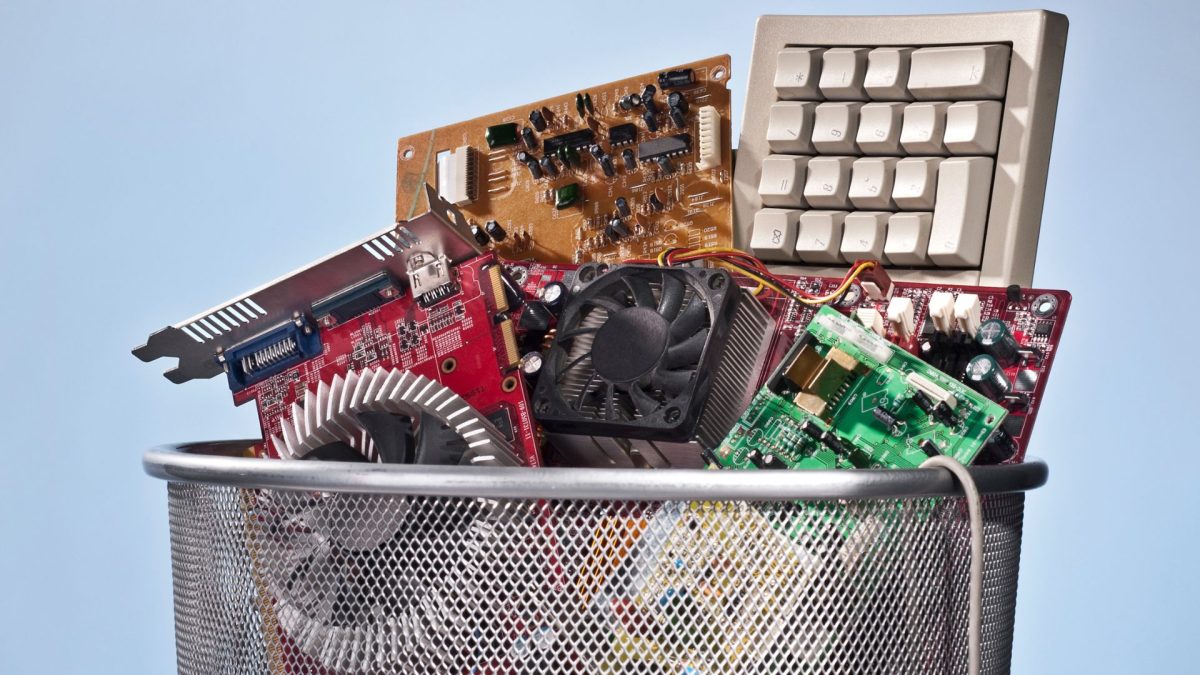
Electronic waste accumulates silently in our homes and offices, often hidden behind cabinets, under desks, or tucked away in storage spaces. Old computers, smartphones, printers, and other electronics may seem harmless, yet when discarded improperly, they contribute to a growing environmental challenge. Landfills, already strained by conventional trash, face even more pressure as these devices contain materials that degrade slowly and release toxins. Components like lead, mercury, and cadmium seep into soil and groundwater, threatening local ecosystems and public health.
Recycling e-waste transforms a potential environmental threat into an opportunity for resource recovery. Valuable metals such as gold, silver, copper, and rare earth elements can be extracted from discarded electronics, reducing the demand for new mining activities. This not only conserves natural resources but also lessens energy consumption associated with raw material production. Furthermore, the process reduces the bulk of material entering landfills, directly alleviating overflow issues.
E-Waste as a Catalyst for Landfill Reduction
Landfills are reaching critical limits, with overflowing sites becoming an increasing concern for urban planners and environmentalists. Electronics, due to their size, complexity, and non-biodegradable components, occupy significant landfill space. Items such as televisions, refrigerators, and old computers may take decades to decompose, all while emitting harmful substances. The sheer volume of e-waste entering waste streams annually exacerbates the problem, creating pressure on waste management systems that struggle to keep pace.
Turning e-waste into a resource through recycling programs has a direct impact on reducing landfill volume. By separating electronics from general waste streams, harmful materials can be managed safely, and reusable components can be extracted. Recycling diverts these bulky items from disposal sites, reducing congestion and prolonging landfill usability. Beyond physical space conservation, recycling encourages environmentally conscious behavior, making individuals more mindful of their consumption and disposal patterns. In essence, addressing e-waste proactively not only tackles the immediate issue of landfill overflow but also fosters a culture of responsibility and sustainability, reinforcing the importance of managing discarded electronics as a valuable resource rather than mere trash.
Economic and Environmental Incentives of E-Waste Recycling
E-waste recycling is not only environmentally prudent but economically advantageous. Discarded electronics contain metals, plastics, and other materials with significant market value, often surpassing that of conventional recyclable waste. Extracting these materials reduces the need for mining and manufacturing from raw resources, which is costly and environmentally disruptive. Businesses and municipalities can benefit from reduced disposal fees and potential revenue from recovered materials. Additionally, companies involved in electronics recycling create jobs in collection, sorting, and processing, contributing to local economies. The financial and ecological advantages intersect, reinforcing the importance of structured e-waste management programs.
From an environmental perspective, recycling electronics decreases greenhouse gas emissions linked to raw material extraction and production. Mining operations and plastic manufacturing are energy-intensive, and repurposing materials from discarded devices lowers carbon footprints significantly. Proper e-waste recycling also prevents hazardous substances from contaminating land and water systems, protecting both ecosystems and human populations. The combination of economic gain and environmental stewardship makes e-waste recycling a strategic initiative for communities and businesses alike.

The Role of Technology in Efficient E-Waste Management
Technological advancements have revolutionized how e-waste is collected, sorted, and processed. Automated systems and specialized recycling machinery enable the extraction of metals and plastics with minimal environmental impact. Sophisticated sorting technologies distinguish between hazardous and recyclable components, ensuring proper handling of toxic substances while maximizing material recovery. Additionally, tracking software allows waste management companies to monitor the flow of electronics, ensuring accountability and reducing illegal dumping. Technology thus enhances efficiency, safety, and sustainability within e-waste management systems.
Innovation in recycling processes also supports scalability, allowing larger volumes of electronics to be processed without compromising environmental standards. Techniques such as mechanical shredding, chemical treatment, and refined smelting help recover valuable resources more effectively than manual methods. As technology evolves, the potential for higher recovery rates increases, reducing landfill dependence and conserving natural resources. By leveraging these tools, communities can develop resilient e-waste programs that minimize environmental impact while meeting growing disposal demands. Ultimately, technology serves as a crucial enabler for transforming the challenge of electronic waste into an opportunity for resource efficiency and landfill mitigation.
Community Initiatives Supporting E-Waste Recycling
Community participation plays a critical role in reducing e-waste accumulation in landfills. Local recycling drives, collection events, and partnerships with schools and organizations increase public awareness and provide convenient disposal options. Communities can implement designated drop-off centers where residents can safely deposit old electronics, which are then transported to certified recycling facilities. These initiatives not only reduce landfill burden but also foster a culture of environmental responsibility, encouraging people to reconsider the lifecycle of their electronic devices.
Engaging communities in e-waste recycling also generates social benefits. Educational campaigns and workshops inform citizens about the environmental hazards associated with improper disposal while highlighting the potential value of recovered materials. Collaborative efforts between municipalities, businesses, and non-profits streamline collection and recycling processes, ensuring efficiency and accessibility. As public participation grows, the collective impact on landfill reduction becomes substantial. By empowering residents with knowledge and resources, communities can create a sustainable framework for managing electronic waste and safeguarding the environment for future generations.
Corporate Responsibility in Electronic Waste Disposal
Businesses contribute significantly to e-waste volumes through the regular replacement of outdated technology. Computers, office equipment, and electronics accumulate quickly, creating challenges for proper disposal. Corporate responsibility initiatives focus on sustainable practices such as vendor take-back programs, certified recycling partnerships, and internal e-waste policies. Companies that prioritize recycling not only minimize environmental impact but also demonstrate a commitment to corporate social responsibility, enhancing their public image and stakeholder trust.
Beyond reputational benefits, implementing responsible e-waste management practices can reduce operational costs. By recycling electronics, companies reduce storage needs for obsolete devices and avoid potential legal liabilities associated with hazardous waste mismanagement. Encouraging employees to participate in recycling programs further amplifies the benefits, turning organizational practices into a culture of sustainability. Corporate engagement, therefore, serves as a powerful driver in addressing e-waste challenges, ensuring that commercial electronic disposal aligns with environmental preservation and community well-being.
Legislative and Regulatory Impacts on E-Waste
Government regulations influence how e-waste is managed at both local and national levels. Policies mandating recycling, restricting landfill disposal, and setting standards for electronic product take-back programs shape the responsibilities of individuals, businesses, and municipalities. Compliance with these regulations ensures that hazardous materials are handled safely, reducing soil and water contamination while promoting resource recovery. Legislative frameworks create accountability and incentivize the development of sustainable e-waste infrastructure.
Regulatory measures also encourage innovation within the recycling sector. Companies invest in advanced processing technologies and certification programs to meet compliance requirements. Public awareness campaigns often accompany legislative action, educating citizens on safe disposal practices and the environmental consequences of neglect. By establishing clear standards and expectations, regulations create a structured approach to e-waste management, reducing landfill pressure and fostering a culture of sustainability. Effective legislation, therefore, plays a crucial role in guiding responsible electronic waste handling while ensuring long-term environmental protection.
Environmental Awareness and Individual Action
Individual behavior significantly influences e-waste accumulation. Small actions, such as donating old electronics, participating in recycling events, or properly disposing of devices at certified centers, collectively reduce the strain on landfills. Awareness of the environmental consequences of e-waste motivates people to make conscientious choices regarding their consumption and disposal habits. When individuals adopt sustainable practices, they contribute directly to a healthier ecosystem and resource preservation.
Moreover, raising awareness empowers consumers to demand more environmentally responsible electronics. Choices such as purchasing durable devices, supporting manufacturers with recycling programs, and reducing unnecessary upgrades all minimize waste generation. As public consciousness grows, the ripple effect extends beyond individual households, influencing policy, corporate behavior, and community initiatives. Personal responsibility, therefore, becomes a vital component in the broader strategy of reducing landfill overflow caused by electronic waste.
Innovative Solutions for E-Waste Processing
Recycling centers continually develop innovative solutions to handle the complexities of e-waste efficiently. Techniques such as modular disassembly, chemical recovery, and advanced sorting systems increase material recovery rates while minimizing environmental impact. By integrating these processes, recycling facilities reduce hazardous waste, conserve valuable resources, and limit the volume of electronics sent to landfills. Continuous innovation ensures that the recycling industry remains adaptive and capable of addressing the evolving composition of electronic waste.
Furthermore, collaborations between manufacturers, recycling companies, and research institutions promote the development of sustainable product designs. Electronics engineered for easier disassembly, component reuse, and longer lifespans simplify recycling and reduce environmental burden. By combining technological innovation with thoughtful design, the e-waste sector can transform the disposal challenge into an opportunity for environmental stewardship. These innovations enhance efficiency, support a circular economy, and significantly contribute to alleviating landfill overflow caused by electronic waste.
The Long-Term Benefits of E-Waste Recycling
Recycling e-waste offers long-term benefits that extend beyond immediate landfill reduction. Conserving natural resources, reducing pollution, and generating economic opportunities are among the most tangible advantages. Communities and businesses that prioritize recycling foster sustainable development, protecting ecosystems while promoting social responsibility. Over time, these efforts can lead to significant environmental improvements, lower disposal costs, and increased public awareness regarding sustainable practices.
Additionally, the cumulative effect of widespread e-waste recycling reduces greenhouse gas emissions, mitigates toxic exposure, and prolongs the life of existing landfill sites. By diverting electronics from traditional disposal streams, society benefits from cleaner soil, water, and air. The long-term vision of recycling initiatives aligns environmental protection with economic efficiency, creating a resilient framework for responsible waste management. Consistent investment in education, technology, and infrastructure ensures that these benefits continue to grow, emphasizing the critical role of e-waste recycling in shaping a sustainable future.
Conclusion
Addressing the growing challenge of electronic waste is essential for managing landfill overflow and promoting environmental sustainability. Recycling e-waste transforms discarded electronics into valuable resources, reduces hazardous material contamination, and alleviates pressure on overburdened landfills. Through technological innovation, community engagement, corporate responsibility, and legislative support, society can manage e-waste efficiently while fostering a culture of sustainability. Individuals and organizations alike play pivotal roles in this process, ensuring that discarded electronics contribute positively to the circular economy.
For residents and businesses seeking professional assistance with responsible disposal, 24-7 Junk Removal in Palatine, IL provides expert services tailored to these needs. Their team efficiently manages the collection, recycling, and donation of electronic items, helping to reduce landfill burden while promoting eco-friendly practices. Contact 24-7 Junk Removal at (773) 309-6966 to schedule a service or consultation and ensure that your electronics are disposed of safely and sustainably. Their commitment to responsible Junk Removal exemplifies the practical solutions available to mitigate the environmental impact of e-waste. The business address is 611 W. Wise Schaumburg, IL 60193, and inquiries can also be sent via support@24-7junk.com.