

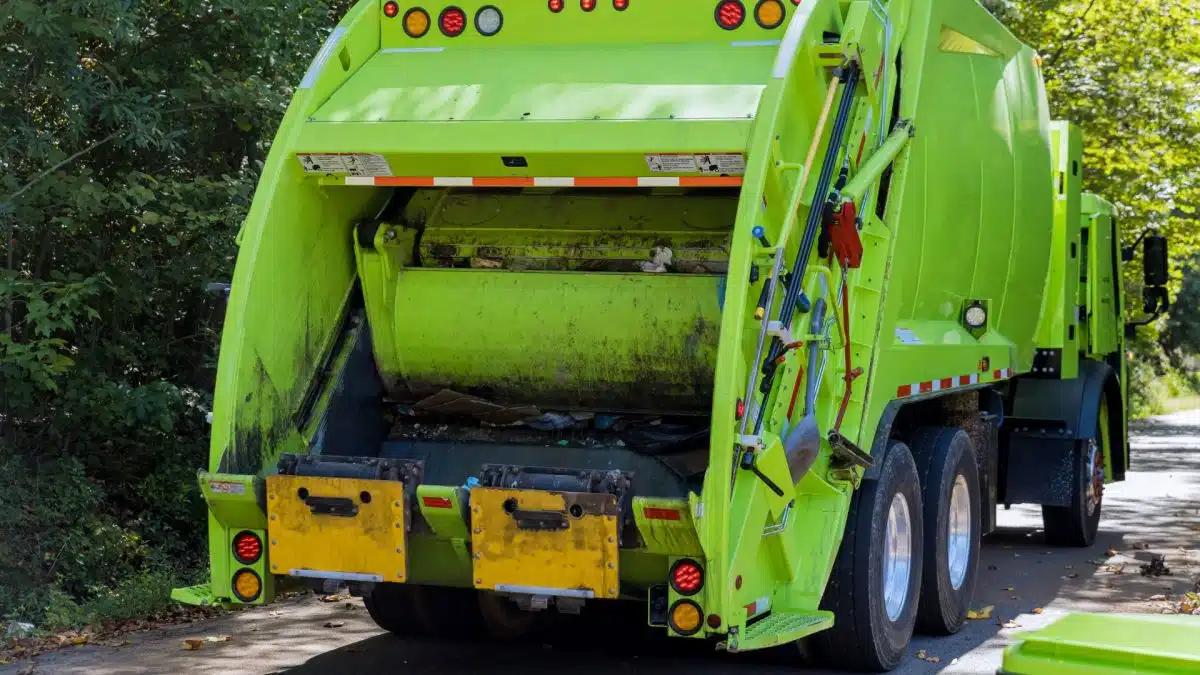
Maintaining a clean and clutter-free restaurant is not just about aesthetics; it directly impacts the efficiency of your operations and the safety of both staff and customers. A cluttered backroom or kitchen can lead to accidents, slow service, and decreased productivity. By prioritizing junk removal, restaurant owners can ensure that workspaces are organized, safe, and conducive to smooth daily operations. Unwanted equipment, broken furniture, or outdated kitchen appliances can accumulate over time, making it essential to adopt a systematic approach to disposal. Proper junk removal prevents these items from obstructing workflows and creates a healthier environment for food preparation.
A strategic approach to removing junk also contributes to regulatory compliance. Health inspectors focus on cleanliness and orderliness, and neglected waste can result in violations that harm your restaurant’s reputation. Implementing regular junk removal routines not only reduces the risk of accidents but also demonstrates a commitment to professional standards. By addressing clutter proactively, restaurants can maintain a welcoming atmosphere for patrons while improving operational efficiency and employee satisfaction.
Identifying the Types of Junk Commonly Found in Restaurants
Restaurants generate a wide variety of junk, ranging from old kitchen equipment and broken furniture to packaging materials and expired inventory. Identifying these items is the first step in creating a successful removal strategy. Back-of-house areas often contain heavy appliances like ovens, refrigerators, and freezers that may no longer function efficiently. Additionally, furniture such as worn chairs, tables, and shelving units can occupy valuable space if not regularly replaced or removed. Packaging materials including cardboard, plastics, and styrofoam also tend to accumulate and require proper disposal methods. Recognizing these categories helps restaurants plan their junk removal needs effectively.
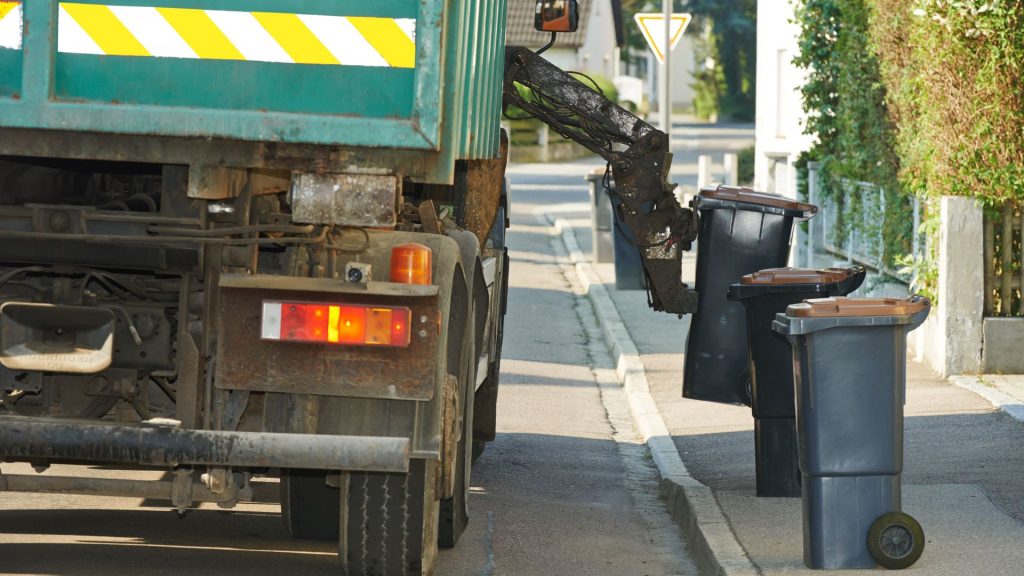
Front-of-house spaces can also become cluttered over time. Seasonal decorations, promotional displays, and unused dining accessories may contribute to a crowded and disorganized atmosphere. Restaurant owners and managers should conduct periodic audits to identify items that are no longer in use or safe to retain. This inventory approach ensures that valuable space is maximized and resources are allocated efficiently. A well-organized environment promotes staff productivity, enhances customer experiences, and reduces the risk of accidents related to clutter.
Planning a Regular Junk Removal Schedule
Establishing a consistent junk removal schedule is crucial for maintaining a safe and efficient restaurant environment. Without routine removal, unwanted items tend to accumulate, creating hazards and reducing operational space. Planning these activities monthly, quarterly, or seasonally allows restaurant managers to stay ahead of clutter. This schedule should include both visible areas, like dining rooms, and less obvious spaces, such as storage rooms and kitchens. By allocating specific times for junk removal, staff can focus on other essential tasks without being distracted by disorganization.
Consistency in junk removal also supports sustainability initiatives. Restaurants can partner with local recycling or donation centers to ensure that discarded items are repurposed responsibly. Creating a predictable schedule minimizes disruptions while promoting a cleaner and more organized workspace. Staff members become accustomed to these routines, reducing resistance and ensuring that junk removal becomes a standard operational practice. In turn, restaurants benefit from improved safety, enhanced efficiency, and a professional appearance that reinforces a positive customer experience.
Prioritizing Safety During Junk Removal
Safety is a fundamental consideration when removing junk from a restaurant environment. Heavy appliances, broken furniture, and sharp objects pose risks to employees if not handled properly. Using appropriate lifting techniques, protective gear, and clear pathways is essential to prevent injuries. Managers should provide training on safe junk removal procedures, emphasizing the importance of team coordination when moving bulky or hazardous items. Following these guidelines ensures that staff can perform removal tasks efficiently without compromising their well-being.
In addition to employee safety, proper disposal methods help protect the restaurant from potential liability issues. Mishandling waste can result in accidents or damage to property, leading to financial and legal repercussions. Ensuring that items are disposed of correctly—whether through recycling, donation, or professional removal services—reduces these risks. Prioritizing safety creates a culture of responsibility, allowing restaurants to maintain organized, clutter-free environments while protecting both employees and customers from unnecessary harm.
Leveraging Professional Junk Removal Services
Professional junk removal services provide restaurants with a practical solution for managing waste efficiently. These experts have the tools, expertise, and manpower to remove large and cumbersome items quickly, minimizing disruption to daily operations. Partnering with such services also ensures that items are disposed of responsibly, with many companies prioritizing recycling and donation. This approach not only reduces clutter but also aligns with sustainability goals, enhancing the restaurant’s community image and environmental responsibility.
Hiring professional teams allows restaurant staff to focus on core business activities instead of struggling with heavy lifting or time-consuming disposal tasks. Experienced removal services can handle a variety of items, from kitchen appliances and furniture to packaging waste. Their systematic approach guarantees a cleaner, safer, and more organized environment. By integrating professional help into regular junk removal routines, restaurants can maintain operational efficiency, reduce workplace hazards, and ensure that all waste is managed responsibly without added stress on the staff.
Creating a Designated Disposal Area
Establishing a designated area for junk within the restaurant helps streamline the removal process. This space should be easily accessible yet separate from food preparation and dining zones. Clearly marked disposal zones allow staff to deposit items safely and efficiently, reducing the likelihood of clutter spreading to other areas. Organizing this area with bins or containers for different types of waste—such as recyclables, furniture, and appliances—can further simplify the removal process and improve overall efficiency.
A designated disposal area also encourages accountability among staff members. Knowing where items should be placed prevents the accumulation of junk in inappropriate spaces. This structured approach contributes to a cleaner, safer environment while reducing the time and effort required to manage waste. When combined with a regular removal schedule, a designated area ensures that restaurants maintain operational flow, promote safety, and create a more organized workplace conducive to productivity and hygiene standards.
Eco-Friendly Junk Removal Practices
Incorporating eco-friendly practices into junk removal supports sustainability and reduces environmental impact. Restaurants can recycle materials such as cardboard, metals, and plastics, or donate usable furniture and appliances to charitable organizations. These practices minimize waste sent to landfills and demonstrate a commitment to responsible business operations. Eco-conscious junk removal also resonates with customers who value environmentally friendly initiatives, enhancing the restaurant’s reputation and community standing.
Implementing green strategies requires planning and coordination. Restaurants should identify items suitable for donation or recycling and work with local organizations to ensure proper disposal. Staff training on sorting and separating waste is crucial for effective execution. By embracing eco-friendly practices, restaurants contribute to environmental stewardship, reduce operational costs associated with waste disposal, and foster a positive image that reflects both social responsibility and operational efficiency.
Managing Large Appliances and Equipment Disposal
Large kitchen appliances and commercial equipment often pose challenges during removal due to size and weight. Proper planning and tools are essential to ensure safe handling and efficient disposal. Scheduling these tasks during off-peak hours or when professional removal services are available helps minimize disruptions. Preparing pathways, disconnecting utilities, and coordinating with removal teams ensures a smooth process without damage to the restaurant or equipment.
Equipment disposal also offers opportunities for sustainability. Functional appliances can be donated to charitable organizations, while non-functional units may be recycled for parts or metal content. Identifying these options before removal prevents items from unnecessarily occupying storage space. By managing appliance disposal carefully, restaurants maintain organized and safe spaces while demonstrating environmental responsibility and operational foresight.
Streamlining Staff Involvement in Junk Removal
Involving staff in junk removal processes ensures efficiency and shared responsibility. Assigning clear roles and providing proper training helps employees manage tasks safely and effectively. By creating a culture where all team members participate in maintaining a clean environment, restaurants reduce clutter accumulation and promote operational discipline. Staff involvement also allows management to identify recurring problem areas and implement targeted removal strategies.
Regular communication and scheduling reinforce staff accountability. Managers can coordinate removal days, set expectations, and provide resources such as protective gear and equipment for heavy lifting. By streamlining participation, restaurants maintain a continuous effort toward cleanliness and safety. This collaborative approach reduces reliance on sporadic interventions and fosters an organized, hazard-free environment conducive to productivity, employee morale, and overall operational efficiency.
Evaluating Cost-Effective Junk Removal Options
Cost efficiency is an important consideration when planning junk removal for restaurants. Comparing local removal services, recycling centers, and donation programs allows owners to select the most affordable and practical solutions. Budget-conscious strategies may include scheduling bulk pickups, partnering with services offering free estimates, or recycling materials in-house. Evaluating options ensures that restaurants maintain cleanliness without incurring unnecessary expenses.
Strategic financial planning also prevents disruption to daily operations. By integrating cost-effective solutions into regular routines, restaurants can manage junk removal proactively rather than reacting to emergencies. This approach saves time, minimizes stress, and optimizes operational efficiency. Evaluating different options for junk disposal empowers restaurants to maintain organized, safe, and welcoming environments while controlling costs and contributing to sustainability initiatives.
Maintaining Long-Term Cleanliness and Organization
Long-term cleanliness requires a commitment to consistent junk removal practices. Restaurants should establish policies for regular audits, immediate disposal of unwanted items, and periodic professional cleanouts. Creating a culture of organization ensures that clutter does not accumulate and staff remains vigilant in maintaining a tidy environment. Routine evaluation and adjustment of these practices are essential to sustain operational efficiency and safety.
Sustaining long-term organization also fosters a professional atmosphere for both employees and patrons. A clean restaurant enhances the dining experience, encourages repeat business, and supports employee productivity. By integrating systematic junk removal and organizational practices into daily operations, restaurants create spaces that are safe, efficient, and visually appealing. Consistency in these efforts ensures that cleanliness becomes an inherent part of the establishment’s identity rather than an occasional task.
Conclusion
Restaurants in Palatine, IL can significantly benefit from professional junk removal services provided by 24-7 Junk Removal. Maintaining a clutter-free environment ensures safety, operational efficiency, and a positive customer experience. By implementing structured routines, leveraging professional services, and integrating eco-friendly practices, restaurants can address waste challenges efficiently while contributing to sustainability. Ensuring that both staff and patrons navigate organized spaces reduces hazards, enhances workflow, and fosters a professional environment conducive to business growth.
24-7 Junk Removal, located at 611 W. Wise Schaumburg, IL 60193, offers comprehensive services that accommodate various restaurant needs. Business owners can contact their team at (773) 309-6966 or support@24-7junk.com for tailored solutions that ensure timely and responsible disposal of unwanted items. Partnering with a reliable junk removal service allows restaurants to maintain a pristine atmosphere, manage costs effectively, and focus on delivering quality service to patrons while preserving environmental responsibility.