Categories
Demolition Cleanup

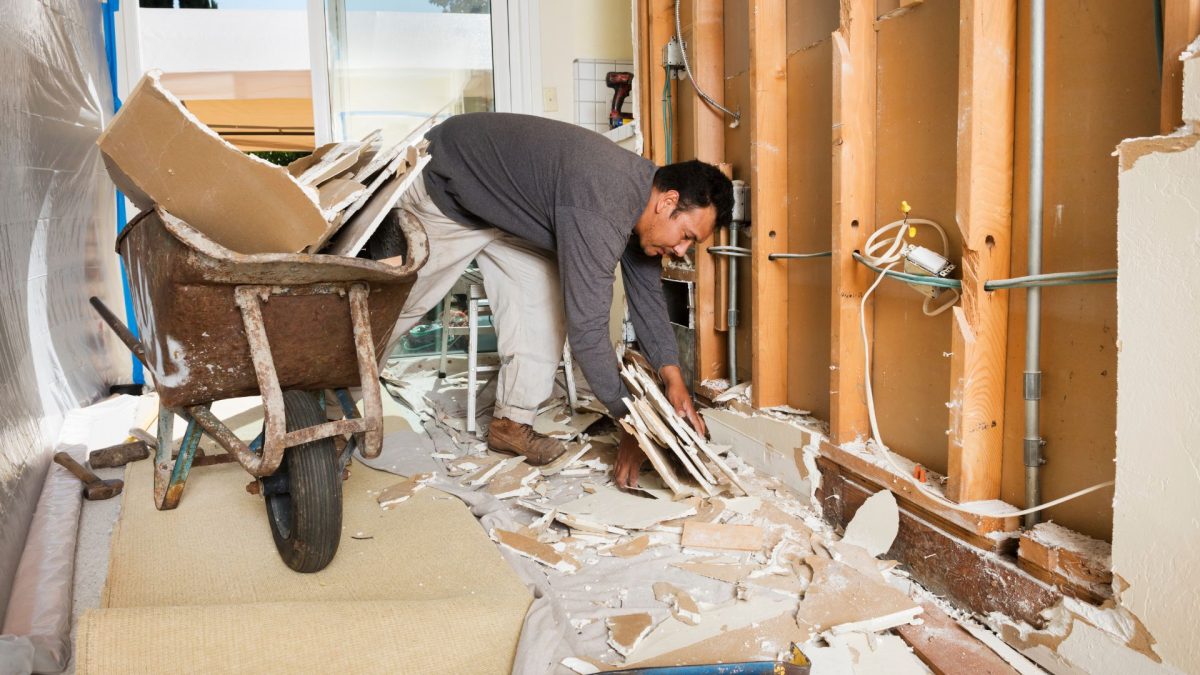
Tips for Efficient Demolition Cleanup After a Home Renovation

A successful demolition cleanup begins long before the first wall comes down. Planning ahead helps prevent chaos from taking over your renovation space. Before starting the demolition, consider the type of debris you’ll be dealing with—wood, drywall, concrete, metal, or mixed materials. Preparing the right disposal methods early ensures that you won’t be scrambling later to figure out where things go. Having large bins or dumpsters available is a smart move, allowing you to separate materials for recycling or disposal right from the start. This proactive approach saves both time and energy while keeping the project organized from beginning to end.

Another vital step is identifying hazardous materials. Some older homes may contain asbestos, lead paint, or other contaminants that need special handling. Ignoring these can lead to health risks and costly mistakes. Always check local regulations about proper disposal, since certain items require certified professionals to handle them safely. When your cleanup is well-organized from day one, the demolition process becomes more efficient and much less stressful. Thoughtful preparation not only streamlines the entire project but also protects your home, health, and environment in the process.

Use the Right Tools and Equipment

Having the right equipment is essential for efficient demolition cleanup. Basic tools like heavy-duty gloves, safety goggles, dust masks, and steel-toed boots might seem obvious, but they play a major role in protecting you from sharp debris and airborne dust. Industrial trash bags, wheelbarrows, and shovels make moving waste much easier. Depending on the size of your renovation, you may also need power tools such as saws or grinders to break down larger materials before disposal. Using proper lifting gear or carts can prevent injuries and keep the cleanup smooth.
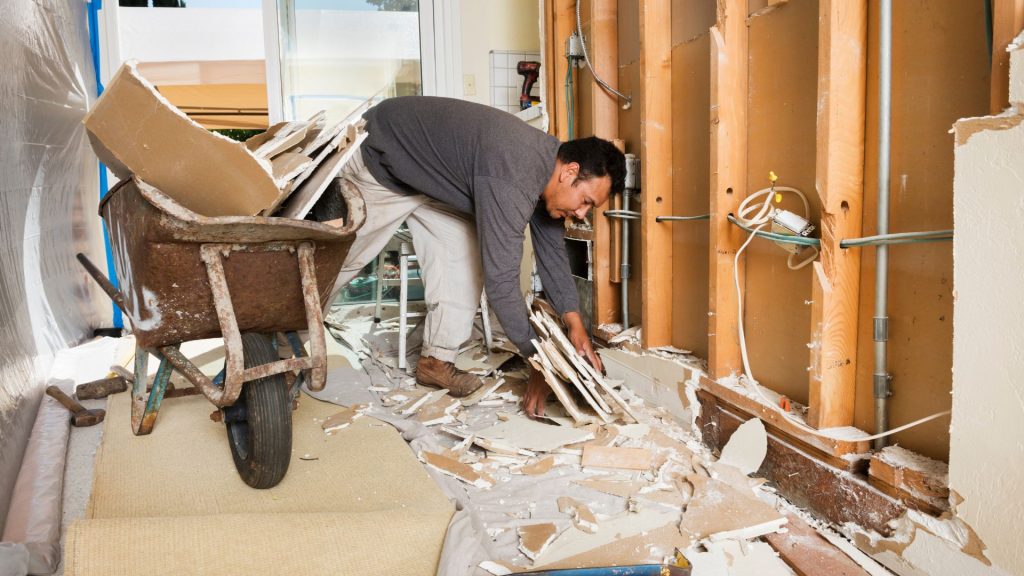
It’s not just about muscle—it’s about strategy. The right equipment allows you to work smarter, not harder. For instance, renting a small skid steer or utility trailer can drastically cut down the number of trips to the dump. If you plan to recycle metal, copper, or other reusable materials, keep designated containers ready to sort them on-site. This organization reduces clutter and keeps valuable materials separate from trash. Every tool used efficiently saves hours of unnecessary work, ensuring that the demolition cleanup doesn’t stretch longer than it should.

Separate Materials for Easier Disposal

Once demolition is underway, it’s easy for everything to pile up into one giant mess. But sorting materials during cleanup makes a massive difference in both efficiency and cost. Different materials often require unique disposal methods, and sorting as you go prevents confusion later. Wood, metal, drywall, glass, and concrete should each have their own area or container. Doing this makes recycling simpler and helps avoid fines from improper disposal. Many local facilities even offer reduced fees for pre-sorted loads.

Separating debris also has environmental benefits. Many construction materials can be recycled instead of sent to landfills. Wood can often be repurposed, metal can be melted down, and concrete can be crushed for reuse in new projects. By sorting waste early, you help reduce your project’s environmental footprint. This organized system not only creates a cleaner workspace but also saves time when the final haul-away happens. The cleaner your workflow, the quicker your space transforms into something usable again.

Protect Your Home During Cleanup

After the dust settles, your goal is not just to clean up—it’s to protect what remains intact. A home undergoing demolition is vulnerable to dust, debris, and damage. Before you start, cover any remaining furniture or fixtures with plastic sheeting. Seal off rooms that aren’t part of the renovation to prevent dust from spreading throughout the house. Using painter’s tape and plastic barriers can make a big difference in maintaining a livable space during the process.

Floor protection is another often-overlooked step. Heavy debris can scratch, dent, or stain surfaces if left unprotected. Drop cloths, plywood sheets, or floor runners help safeguard flooring in high-traffic areas. Ventilation also matters—open windows or use air purifiers to minimize airborne dust. The cleaner you keep the surrounding environment, the easier the post-renovation cleanup becomes. By thinking about protection from the start, you save yourself hours of cleaning later and maintain the integrity of your home’s interior.

Dispose of Hazardous Waste Properly

Every home renovation has the potential to uncover hazardous waste. Materials such as old paint cans, asbestos insulation, fluorescent bulbs, or lead-based items require extra care. Tossing them in the regular trash is not just unsafe—it’s often illegal. Identifying these materials before you start demolition cleanup prevents accidents and environmental harm. Properly labeling and storing them in sealed containers ensures that they can be handled according to local regulations.

Always consult local guidelines for hazardous waste disposal, as requirements vary by region. Some areas have designated drop-off centers or scheduled pickup days specifically for these materials. It’s worth the effort to handle them responsibly. Aside from environmental protection, it ensures the safety of everyone working on the site. Proper hazardous waste disposal isn’t just a responsible act—it’s an essential part of keeping your renovation compliant and safe.

Keep Safety at the Forefront

Cleanup can be physically demanding and full of hidden risks. Prioritizing safety throughout the demolition process should never be optional. Before starting any cleanup, inspect the site for sharp objects, exposed nails, unstable surfaces, or hazardous materials. Wearing the right gear is non-negotiable. Gloves, masks, and helmets should be standard, not optional accessories. It’s also wise to have a first-aid kit within reach for minor scrapes or cuts.

Beyond personal protection, be mindful of your surroundings. Heavy lifting should always be done carefully, with proper posture to avoid strain. If large debris must be removed, work in pairs or small teams to share the load. Electrical wires and plumbing lines should be deactivated before demolition begins to avoid accidental shocks or leaks. Keeping safety at the forefront helps ensure that the cleanup process remains efficient, controlled, and injury-free—because no renovation should come at the cost of your well-being.

Recycle and Repurpose Whenever Possible

A smart demolition cleanup isn’t just about disposal—it’s about rethinking waste. Many materials from your renovation might still have life left in them. Old cabinets, wooden beams, or metal fixtures can be reused or donated. Salvaging usable materials helps reduce environmental impact and saves money in the long run. Separating these items during cleanup allows you to evaluate what can be repurposed before it ends up in a landfill.

Recycling facilities often accept construction materials, making it easy to divert waste from dumpsites. Some local charities even accept building supplies for community projects. Embracing recycling and repurposing during demolition cleanup is both eco-friendly and resourceful. It turns what might seem like waste into valuable opportunity. Viewing cleanup through this lens transforms it from a burden into an act of sustainability that benefits not just your home, but the planet.

Maintain a Steady Workflow

A well-paced cleanup is the secret to finishing strong. Instead of waiting until the end of demolition to clean everything up, maintain a steady rhythm throughout the project. This method prevents debris from piling up and overwhelming the workspace. Cleaning as you go also creates safer pathways and keeps tools accessible. When the final day arrives, most of the hard work will already be done.

Setting a cleanup schedule helps keep momentum. For instance, dedicate short intervals throughout the day to clear away waste. Encourage anyone assisting to stick to this system. It not only improves efficiency but also maintains morale. A clutter-free site feels more manageable, allowing you to stay focused on the renovation goals. By managing debris consistently, your cleanup process remains seamless and stress-free from start to finish.

Hire Professionals for Large-Scale Cleanup

Not every demolition cleanup can be handled alone. For major home renovations or structural teardowns, hiring professionals can save immense time and energy. Trained crews come equipped with heavy-duty machinery, proper safety training, and efficient hauling methods. They can remove large amounts of debris quickly and ensure everything is disposed of responsibly. Professional services also handle recycling and hazardous materials according to strict guidelines, giving homeowners peace of mind.

While the DIY approach can be tempting, it’s easy to underestimate the amount of labor required for a full-scale cleanup. Professional teams work swiftly and systematically, leaving your space ready for the next phase of construction. Investing in expert cleanup means you avoid potential injuries, fines, or missed recycling opportunities. For homeowners who value both speed and precision, outsourcing cleanup is often the smartest move after a demanding renovation.

Restore and Refresh the Space After Cleanup

When the last piece of debris is gone, the cleanup isn’t over just yet. Dust and residue can linger in the air or settle into surfaces. A thorough sweep, mop, or vacuum ensures the area feels brand-new again. Once cleaned, inspect for any damage left behind during demolition. This step helps identify small fixes before they grow into larger problems. A spotless post-cleanup environment also gives you a blank canvas to start fresh with the renovation phase.

Beyond aesthetics, deep cleaning restores comfort and safety. It removes allergens and irritants, allowing you to breathe easier in your renewed space. Taking time to refresh the area helps transition from demolition chaos to creative transformation. When every surface shines, and the air feels clean again, the hard work pays off. It’s the moment your house begins to look less like a project site and more like the home you envisioned.

Conclusion

Efficient demolition cleanup is about planning, organization, and commitment to doing things right. From sorting materials to maintaining safety, every step matters. When handled properly, cleanup doesn’t just mark the end of demolition—it signals the beginning of something new. If you want expert assistance in handling debris, disposal, or large-scale cleanup, you can count on 24-7 Junk Removal, proudly serving Palatine, IL and nearby areas.

Their experienced team ensures fast, safe, and eco-conscious Junk Removal for residential and commercial projects alike. You can reach them at (773) 309-6966 or visit them at 611 W. Wise Schaumburg, IL 60193. For inquiries, email support@24-7junk.com. Partnering with the right professionals guarantees that your renovation project ends cleanly and begins beautifully—because the best transformations start with a spotless foundation.
Categories
Demolition Cleanup

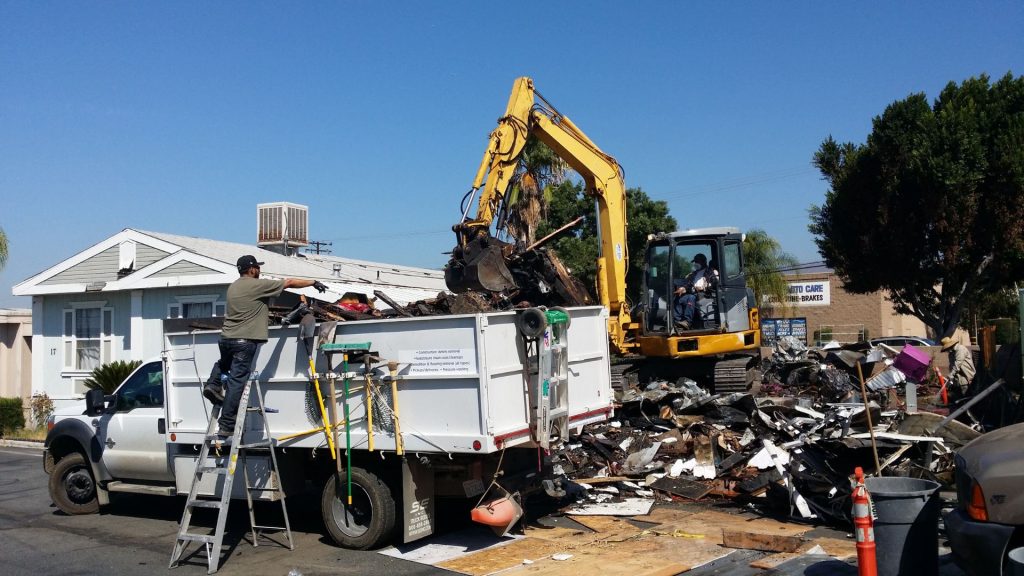
Why Demolition Cleanup Should Be Handled by Professionals

When walls crumble and the roar of heavy tools fades, what remains isn’t just broken pieces of material—it’s a puzzle of debris that demands precision, care, and an understanding of what lies beneath the rubble. Most homeowners assume the hard part ends once the structure comes down. Yet the reality is that cleanup is an equally vital phase that can either streamline your project or stall it completely. Concrete, plaster, insulation, and nails are not just waste—they are hazards in disguise if left unmanaged.

Professional demolition cleanup services transform chaos into order with methods that protect both your space and your safety. Trained crews don’t just collect; they sort, transport, and dispose responsibly, following strict environmental and safety guidelines. Every load is accounted for, every corner inspected for sharp remnants or dust that could linger. Without that level of diligence, your site remains a risk zone long after demolition appears complete.

The Safety Factor Few Consider

Cleanup after a demolition might seem straightforward, but it’s laced with hidden dangers most don’t anticipate. Nails embedded in shattered boards, microscopic particles of drywall dust, or exposed wiring beneath collapsed flooring—all these elements can turn a simple task into a serious hazard. It only takes one misstep or an unprotected moment to cause injury. Professionals, however, approach cleanup with the right safety gear, training, and caution protocols, ensuring no one is put at unnecessary risk.

Moreover, the safety aspect extends beyond the cleanup crew. Proper disposal prevents sharp or toxic materials from being scattered or improperly dumped, which could harm anyone revisiting the area later. Safety isn’t merely about personal protection; it’s about maintaining environmental integrity and structural safety. By hiring experts, you’re not only ensuring a clean space—you’re investing in a secure recovery for your property and peace of mind for everyone involved.

The Complexity of Waste Sorting and Disposal

Demolition debris isn’t just one pile of trash—it’s an intricate blend of materials that each require different disposal methods. There are concrete slabs, metal fixtures, wooden frames, glass fragments, and often hazardous elements like asbestos or lead paint. Sorting through these without proper expertise is not only time-consuming but potentially illegal if handled incorrectly. Professionals understand the nuances of categorizing waste according to local and federal regulations.

Licensed cleanup crews coordinate with certified disposal centers, recycling facilities, and landfill sites to ensure each component is managed properly. Recyclables are separated, reusable materials salvaged, and hazardous waste neutralized or safely contained. This structured approach prevents contamination, reduces landfill waste, and maintains compliance with environmental laws. What may seem like a random collection of debris to an untrained eye is, in fact, a network of responsibilities requiring both knowledge and accountability.

The Time and Efficiency Advantage

Demolition cleanup is a race against time, especially when it’s part of a renovation or construction schedule. Every delay in clearing debris pushes back the timeline of the next phase. Professionals bring not just manpower but efficiency. They arrive with trucks, heavy-duty containers, and specialized tools that make removal fast and precise. What could take you days of back-breaking effort, they complete in hours with minimal disruption.

Efficiency also means organization. Instead of scattering waste across temporary piles, professionals create a systematic flow—from demolition zone to transport vehicle to disposal site. The result is a clean, accessible area ready for rebuilding. Time saved is money saved, but it’s also frustration avoided. When experts handle the cleanup, your focus shifts back to what matters—planning the next stage of your project, confident that the groundwork is in safe and capable hands.

The Environmental Responsibility in Cleanup

Every demolition carries an environmental footprint, but responsible cleanup can significantly reduce it. Improper disposal of concrete, insulation, and treated wood can release toxins into the soil or air. Professionals don’t just remove waste—they assess it. Materials that can be recycled, such as metals or clean wood, are separated and sent to appropriate facilities. Those that require special treatment are contained to prevent leaching or air contamination.

Eco-conscious cleanup teams adhere to sustainability protocols, often recycling large portions of debris that would otherwise end up in landfills. By doing so, they contribute to resource conservation and lower the overall environmental cost of renovation or redevelopment projects. This conscious approach ensures that progress doesn’t come at the expense of ecological health. The smallest act—like properly sorting concrete dust or salvaging scrap metal—creates ripples of positive impact that extend well beyond your property line.

Hidden Costs of DIY Cleanup

It’s tempting to think a few rented dumpsters and a weekend of hard work can handle demolition debris. Yet, what most homeowners overlook are the hidden costs lurking beneath that assumption. Fuel expenses for multiple trips to disposal sites, rental fees for equipment, potential fines for improper waste handling, and even medical bills from accidental injuries—all add up quickly. The supposed savings evaporate once these realities take hold.

In contrast, professional cleanup services offer transparent pricing that includes hauling, disposal, and labor. Their experience prevents costly mistakes, and their insurance coverage shields you from liability should an accident occur. DIY cleanup often feels cheaper in theory, but in practice, it’s an unpredictable and expensive gamble. Professionals deliver efficiency, compliance, and safety as part of the package—making their value far greater than the illusion of savings.

The Role of Proper Equipment in Cleanup

No amount of enthusiasm can substitute for the right equipment. From heavy-duty vacuums that capture fine dust to cranes capable of lifting large debris, specialized tools are the backbone of an effective cleanup operation. Without them, you risk incomplete removal, property damage, or injury. Professional crews come fully equipped with industry-grade machinery that’s both powerful and safe for residential or commercial use.

These tools don’t just make the process faster—they make it thorough. Dust suppression systems minimize airborne particles, ensuring clean air after demolition. Industrial trucks transport heavy loads efficiently without tearing up driveways or lawns. Each piece of equipment serves a purpose in maintaining control over what could otherwise become a chaotic task. When you hire professionals, you’re not just paying for labor; you’re investing in technology and precision that ensures the job is done once and done right.

Compliance with Local Regulations and Codes

Disposing of demolition debris isn’t just a matter of tossing it in a landfill. Municipalities have strict guidelines governing how, where, and when certain materials can be discarded. Violating these regulations can lead to hefty fines or even legal consequences. Professional cleanup teams stay updated with local waste management codes, ensuring that every action taken during disposal meets the required standards.

Beyond avoiding penalties, compliance protects your project’s integrity. Proper documentation and disposal records demonstrate responsibility and adherence to local environmental expectations. This is especially important for commercial or large-scale residential projects that require inspection or permit closure. When professionals handle cleanup, they manage these details seamlessly, ensuring your renovation or build can proceed without bureaucratic roadblocks.

The Psychological Ease of a Clean Slate

There’s an emotional side to demolition cleanup that’s rarely acknowledged. Watching a once-familiar structure fall can be unsettling, even if it’s necessary for progress. The lingering debris serves as a constant reminder of what was. Professional cleanup helps turn that page quickly, clearing not just physical clutter but emotional weight. A clean, open space symbolizes renewal, readiness, and the promise of what’s to come.

Beyond symbolism, there’s practical relief. When you see the area spotless and safe, the stress of project management eases. You no longer need to juggle logistics or worry about disposal timelines. It’s more than convenience—it’s mental clarity. Professionals don’t just clear waste; they restore calm. They leave behind not ruins, but readiness, allowing you to visualize and build your next chapter without the noise of the past.

The Lasting Value of Professional Cleanup

Clean demolition sites aren’t just appealing; they hold real value. Property appraisers and future buyers notice the difference when a space has been handled by professionals. Residual debris or uneven cleanup can lower the perception of care and quality, diminishing property value. A thorough, professional cleanup, however, showcases responsibility and sets the foundation for smooth construction or landscaping ahead.

The value also lies in prevention. Proper cleanup ensures that hidden debris doesn’t cause structural issues later, such as clogged drainage systems or soil contamination. Professionals don’t view cleanup as an afterthought—they treat it as the final, essential phase of demolition. This attention to detail preserves the longevity of the site and adds measurable worth to your investment. The lasting benefit is clear: precision now prevents problems later.

Conclusion

Demolition may mark the end of an old structure, but cleanup defines the beginning of something new. The difference between a chaotic site and a ready-to-build foundation lies in expertise, equipment, and efficiency. Trained professionals handle every phase of the process with an eye for safety, environmental care, and long-term stability. What seems like just debris becomes an orchestrated effort toward renewal and order.

For dependable and detail-driven Junk Removal and demolition cleanup, 24-7 Junk Removal stands ready to assist. Located in Palatine, IL, the company delivers prompt, eco-conscious solutions tailored to both residential and commercial needs. You can reach them at (773) 309-6966 or visit them at 611 W. Wise Schaumburg, IL 60193. For inquiries, contact support@24-7junk.com. Entrust your cleanup to the experts who treat every project not as waste removal—but as the foundation for what comes next.

Categories
Demolition Cleanup

Demolition Cleanup After a Renovation What to Expect

After a renovation, one of the first things homeowners notice is the sheer volume of debris left behind. Demolition cleanup involves more than just picking up a few stray pieces; it requires careful management of various materials including wood, drywall, metal, concrete, and sometimes hazardous waste. The clutter can feel overwhelming, especially when mixed with dust and leftover construction materials. Understanding what needs to be removed and how it will be handled is the first step to an efficient cleanup process.

Professional cleanup services approach this task systematically. They separate materials for recycling or proper disposal and ensure that the debris does not interfere with the ongoing renovation or daily life. This structured approach reduces safety risks and protects the property from potential damage caused by scattered rubble. The organized handling of demolition waste also paves the way for a smoother transition into the next phase of the renovation, making spaces ready for immediate use or further construction activities.

Safety Considerations During Cleanup

Safety is a central concern when dealing with demolition debris. Sharp edges, unstable structures, and heavy materials can pose serious hazards. Even small debris like nails, glass shards, or splintered wood can cause injuries if not handled properly. Proper protective equipment, such as gloves, masks, and sturdy footwear, is essential for anyone involved in the cleanup process. Safety guidelines are not just recommendations—they are crucial for preventing accidents and ensuring the health of those on site.

Professional demolition cleanup crews are trained to navigate these hazards efficiently. They assess the space for potential risks, stabilize loose materials, and implement strategies to minimize accidents. By adhering to safety protocols, they reduce liability and ensure that the area is prepared for post-renovation activities. This not only safeguards workers but also gives homeowners peace of mind knowing that the cleanup is being executed responsibly and efficiently.

Efficient Removal Techniques

Cleaning up after a renovation requires more than just sweeping and hauling. Efficient removal techniques focus on reducing labor, saving time, and maximizing disposal efficiency. Crews often use specialized tools like heavy-duty carts, compactors, and industrial vacuums to handle different types of debris. By employing these tools, they can clear large quantities of material quickly without causing additional stress to the property.

Segregation of materials is another key technique. Wood, metal, and concrete are often sorted separately to facilitate recycling and reuse. This method not only aligns with environmentally responsible practices but also ensures that hazardous or non-recyclable items are disposed of correctly. Efficient removal techniques combine skill, equipment, and planning to turn what might seem like an insurmountable mess into a clear, organized space ready for the next stage of the renovation process.

Time Management in Cleanup Projects

Time management is critical during demolition cleanup. Renovation projects often operate on tight schedules, and leftover debris can cause delays in finishing work or moving into the renovated space. Coordinating cleanup efforts in advance ensures that waste removal happens in tandem with the conclusion of construction, preventing bottlenecks and wasted days. Prompt cleanup also reduces the likelihood of damage from prolonged exposure to dust and debris.

Professional services bring structure and speed to the process. They provide clear timelines, allocate resources effectively, and adapt to unexpected changes on site. By integrating cleanup into the renovation schedule, homeowners avoid last-minute chaos and can enjoy the newly renovated space sooner. Time-conscious cleanup strategies ultimately contribute to smoother project completion and reduce the stress associated with post-renovation disorder.

Environmental Responsibility in Debris Disposal

Responsible disposal of demolition debris is not just about clearing space—it’s about protecting the environment. Many materials, including metals, wood, and plastics, can be recycled or repurposed rather than sent to a landfill. Professional cleanup teams often have partnerships with recycling centers and donation facilities, ensuring that waste is handled sustainably. This eco-conscious approach minimizes environmental impact and supports community resource conservation.

Segregating debris on site is an important aspect of environmentally responsible cleanup. Items that can be reused are separated from general waste, and hazardous substances are carefully contained for proper disposal. This systematic approach not only reduces landfill contributions but also promotes safe handling practices. By prioritizing sustainable disposal, cleanup services align with growing environmental awareness and help maintain a balance between renovation convenience and ecological responsibility.

Handling Hazardous Materials Safely

Certain materials left after renovation can pose health risks if not handled correctly. Asbestos, lead paint, mold, and chemical residues require special attention. Exposure to these substances can be harmful, making proper identification and containment essential. Professional teams have the expertise and equipment to handle hazardous materials safely, ensuring that they do not endanger workers or residents.

Cleanup protocols often include specialized packaging, labeling, and transportation for hazardous materials. This meticulous approach prevents contamination and complies with legal regulations for disposal. By relying on trained personnel, homeowners can be confident that potentially dangerous substances are removed safely and responsibly, reducing the risk of long-term health issues or environmental hazards in their property.

Equipment and Tools for Efficient Cleanup

The right tools make all the difference in post-renovation cleanup. Industrial vacuums, skid steers, dumpsters, and hand tools are standard for handling different types of debris efficiently. These tools allow crews to move heavy materials, clean fine dust, and manage large volumes without damaging the property. Proper equipment ensures that every corner of the renovation site is addressed, from floors to ceiling areas, leaving the space truly ready for use.

Specialized equipment also aids in separating recyclable and non-recyclable materials. Sorting machinery or compactors can reduce the space needed for temporary storage and speed up the disposal process. Investing in appropriate tools is not just about efficiency—it’s about delivering a thorough, professional cleanup that prepares the home for its next phase, whether that is additional construction, interior setup, or immediate occupancy.

Preparing the Home for Post-Renovation Use

After debris removal, the space should feel immediately usable and welcoming. Cleaning up dust, polishing surfaces, and removing odors are often part of the final steps. Attention to these details ensures that the home is not only physically cleared but also visually and practically ready for its intended purpose. Preparing the property for post-renovation use goes beyond mere removal—it includes creating a comfortable, safe environment for living or working.

Professional services often include a final inspection to confirm that every area has been addressed. They may also assist in arranging or moving furniture, placing salvaged materials, or setting up spaces according to the homeowner’s plans. This comprehensive approach transforms a once chaotic renovation zone into a fully functional environment, allowing residents to enjoy the fruits of their renovation without lingering disruption or mess.

Cost Considerations for Cleanup Services

Hiring professional demolition cleanup services involves costs, but these expenses are often offset by the efficiency, safety, and peace of mind provided. Understanding pricing structures helps homeowners plan budgets accurately. Many companies charge based on volume, weight, or complexity of debris, while some offer flat-rate services that include labor, equipment, and disposal fees. Clear communication about costs prevents surprises and ensures that the service fits within financial expectations.

Investing in professional cleanup can save money in the long run by preventing property damage, reducing injury risks, and avoiding potential fines for improper disposal. Homeowners benefit from expertise and speed that DIY efforts might not match. By considering cost alongside quality and thoroughness, individuals can make informed decisions that balance financial considerations with the practical advantages of professional demolition cleanup.

Choosing the Right Cleanup Service

Selecting a reliable demolition cleanup service involves evaluating experience, equipment, and commitment to safety and sustainability. Reputation, client feedback, and certification often indicate the quality of service. A thorough selection process ensures that the chosen company can handle the volume and type of debris specific to the renovation project, providing confidence that the cleanup will be managed efficiently and responsibly.

Communication is also key. Clear agreements on timelines, scope of work, and disposal methods prevent misunderstandings. A dependable cleanup service coordinates with other contractors and adapts to project-specific needs, making the overall renovation experience smoother. By carefully choosing a professional team, homeowners can ensure a seamless transition from construction chaos to a clean, ready-to-use space.

Conclusion

Demolition cleanup is an essential part of any renovation, transforming a site filled with rubble into a safe and organized environment. It involves understanding the scope of debris, implementing safety protocols, employing efficient removal techniques, and managing time effectively. Environmentally responsible disposal, proper handling of hazardous materials, and the use of appropriate equipment ensure the process is thorough and sustainable. Proper planning and professional expertise make the cleanup process smoother and stress-free, allowing homeowners to enjoy their renovated spaces sooner and safer.

For residents of Palatine, IL, 24-7 Junk Removal offers comprehensive junk removal services to handle post-renovation debris efficiently. With a focus on safety, sustainability, and convenience, they ensure every cleanup project is thorough and timely. To schedule a service or request an estimate, contact them at (773) 309-6966 or visit their location at 611 W. Wise Schaumburg, IL 60193. For inquiries, email support@24-7junk.com and let their professional team take care of your post-renovation cleanup needs.

Categories
Demolition Cleanup

Demolition Cleanup Why It’s a Vital Step in Your Remodel

Before any transformation can begin in your home, clearing the remnants of the old is essential. Demolition cleanup serves as the first bridge between chaos and creativity, providing a clean slate for renovation projects. Dust, broken materials, and scattered debris can hinder progress if left unchecked, making it difficult to organize new construction or design elements. By taking the time to remove all leftover fragments from walls, flooring, and fixtures, homeowners can create a safer, more functional environment that allows workers to move efficiently and reduces the risk of accidents.

This stage of cleanup also ensures that structural elements are easily inspected. Hidden damages such as water stains or mold growth become visible once the clutter is removed, preventing future complications. The process fosters a mindset of clarity and preparation, allowing every new installation to be approached methodically. Demolition cleanup is not just a practical necessity but a critical step that shapes the success of any remodel. Taking control of the space early guarantees a smoother workflow and establishes the foundation for the aesthetic and structural goals you are working toward.

Managing Dust and Debris Efficiently

Dust is one of the most underestimated challenges during any remodel, especially during demolition. Left unchecked, it can infiltrate other areas of the home, affecting air quality and potentially causing health issues. Demolition cleanup helps manage airborne particles by strategically removing drywall, insulation, and construction materials in a controlled manner. Effective containment and disposal minimize disruptions to living spaces, protecting both inhabitants and belongings from unnecessary exposure to hazards.

Beyond dust, debris can present logistical challenges when moving equipment and materials around the project site. Piles of broken concrete, plaster, or wood can slow down work, creating a cluttered, unsafe environment. By implementing a thoughtful cleanup strategy, homeowners can streamline movement throughout the space. Sorting materials and designating proper disposal areas allows for smoother transitions between demolition and reconstruction. This approach reduces delays, prevents accidental injuries, and ensures that your remodel progresses on schedule while maintaining a higher standard of safety and cleanliness.

Preserving Safety Throughout the Remodel

Demolition cleanup is intrinsically linked to safety. Removing hazardous materials like sharp fragments, nails, or glass prevents injuries to both professionals and family members. Floors littered with debris can be treacherous, and the presence of unstable structures adds another layer of risk. Cleaning up immediately after demolition helps maintain a secure environment, making it easier to monitor the stability of remaining walls, ceilings, and flooring.

Additionally, safety extends beyond physical hazards. Dust particles, mold, or exposed asbestos in older homes can trigger respiratory problems and allergic reactions. Addressing these risks during demolition cleanup is essential to safeguard health. By thoroughly removing remnants of construction materials, homeowners can ensure a safer worksite for contractors and create a healthier living environment in areas that are still in use. This focus on both immediate and long-term safety makes demolition cleanup an indispensable part of any remodeling project, providing peace of mind alongside practical benefits.

Preparing Materials for Recycling and Disposal

Demolition cleanup is not just about removal; it’s also about responsible disposal. Many materials from your remodel can be recycled, repurposed, or disposed of in an environmentally conscious way. Wood, metal, and concrete can often be separated and directed toward appropriate recycling streams, reducing landfill contributions and promoting sustainability. Taking the time to organize and sort materials during cleanup can make the difference between wastefulness and resourcefulness.

Proper preparation also prevents contamination. Materials mixed indiscriminately can pose challenges for recycling facilities, resulting in more waste than necessary. By identifying and separating reusable items such as cabinetry, fixtures, and appliances, homeowners can maximize value while minimizing environmental impact. Demolition cleanup, therefore, becomes an act of stewardship, supporting both the renovation process and the broader community by reducing unnecessary waste. Thoughtful handling of materials is a subtle yet powerful way to contribute positively while setting the stage for your home’s transformation.

Enhancing Project Efficiency

Efficiency is a direct result of a well-executed demolition cleanup. A clutter-free environment allows contractors to focus on remodeling tasks without being hindered by obstacles or having to constantly remove debris. It reduces downtime and keeps the project moving forward with minimal interruptions. Cleaning up after demolition creates a workspace where every step of reconstruction is easier to manage, from laying new flooring to installing fixtures and painting walls.

Furthermore, a clean environment enables better organization of tools and materials, reducing the chance of misplacement and mistakes. Workers can navigate the space with confidence, which can improve the overall speed and quality of the remodel. Demolition cleanup streamlines the entire process, saving time and money while fostering a sense of order. This strategic approach ensures that every phase of the renovation is executed with precision, reflecting both professional standards and a homeowner’s vision for a transformed living space.

Reducing Stress for Homeowners

A cluttered, debris-filled home can be mentally overwhelming for homeowners. Demolition cleanup helps alleviate this stress by creating a visual and physical sense of progress. Seeing a cleared and organized space allows homeowners to feel more in control of the project, promoting a positive mindset during what can often be a disruptive period. Knowing that debris is being handled responsibly provides reassurance and encourages confidence in the remodeling process.

In addition, reduced clutter enhances communication with contractors. Clear spaces allow homeowners to visualize layouts, provide feedback, and make decisions more effectively. It also fosters a safer and more comfortable environment for families living in or near renovation areas. By prioritizing demolition cleanup, homeowners protect their mental and emotional well-being while creating conditions that are conducive to a smooth, successful remodel. This often-overlooked benefit underscores the value of cleanup beyond the purely physical aspects of construction.

Protecting Flooring and Existing Structures

During demolition, existing flooring, cabinetry, and structural elements can be vulnerable to accidental damage. Proper cleanup techniques help preserve these components, ensuring that your home retains its integrity throughout the remodeling process. Removing debris carefully prevents scratches, dents, and other forms of damage that might otherwise require costly repairs or replacements. Protecting these elements during cleanup supports the long-term durability and appearance of the home.

Careful attention to detail during cleanup also allows contractors to identify areas requiring reinforcement or repair before new installations begin. This proactive approach minimizes disruptions and keeps the project on track. By maintaining a safe and organized worksite, homeowners can avoid unexpected setbacks and ensure that both old and new materials coexist harmoniously. In this way, demolition cleanup serves as a safeguard for the home itself, preserving its value and structural integrity while paving the way for enhancements.

Supporting Accurate Renovation Planning

A clean demolition site provides a realistic view of what remains and what needs to be addressed. Without proper cleanup, hidden structural issues may go unnoticed, potentially compromising project planning and design decisions. Removing debris allows contractors and homeowners to take precise measurements, assess material needs, and make informed choices about new installations.

This clarity also helps in budgeting and scheduling, as unforeseen obstacles are easier to identify when the space is clear. Accurate planning reduces the likelihood of costly mistakes and project delays. Demolition cleanup functions as a preparatory step that informs every decision moving forward, ensuring that the remodel aligns with both aesthetic ambitions and practical requirements. It establishes a level of transparency and readiness that benefits every stakeholder involved in the renovation process.

Maintaining Home Hygiene and Health

Even a small amount of construction debris can have long-term effects on home hygiene. Dust, mold spores, and leftover materials can compromise indoor air quality, triggering allergies and other respiratory issues. Demolition cleanup prioritizes hygiene by removing these potential hazards, allowing living areas to remain safer and healthier throughout the renovation.

Attention to cleanliness also prevents the spread of contaminants to other areas of the home. By isolating and removing debris quickly, homeowners reduce the risk of exposure to harmful substances. Maintaining a hygienic environment enhances both comfort and safety, ensuring that the remodeling process does not negatively impact everyday living. This aspect of demolition cleanup highlights its importance beyond aesthetics, demonstrating its role in preserving health and well-being.

Streamlining Final Renovation Touches

The final stages of a remodel demand precision and attention to detail. A properly executed demolition cleanup ensures that finishing touches, such as painting, flooring installation, and fixture placement, are not compromised by leftover debris. Clean surfaces allow materials to adhere properly and reduce the risk of imperfections, supporting a polished, professional outcome.

Moreover, cleanup simplifies inspections and quality checks, making it easier to verify that each stage of the renovation meets design and safety standards. This streamlined approach enhances overall project quality, ensuring that every aspect of the remodel is completed efficiently and effectively. By laying the groundwork for smooth finishing touches, demolition cleanup transforms from a preparatory step into a decisive factor in achieving a successful, visually stunning home renovation.

Conclusion

Demolition cleanup is an essential step in any remodel, providing a clear path for construction, improving safety, and ensuring a smoother renovation process. By efficiently removing debris, dust, and hazardous materials, homeowners create a workspace that allows projects to progress without unnecessary delays. Clean, organized sites also support better planning, accurate measurement, and the protection of existing structures. Ultimately, investing time and effort in thorough demolition cleanup elevates the quality of a remodel while reducing stress and safety risks for everyone involved.

For homeowners in Palatine, IL, relying on a professional service can make the process even easier. 24-7 Junk Removal offers comprehensive junk removal that ensures debris is handled responsibly and efficiently. Their team is equipped to manage all aspects of demolition cleanup, helping you maintain a safe and organized environment throughout your renovation. Contact 24-7 Junk Removal at (773) 309-6966 or visit their location at 611 W. Wise Schaumburg, IL 60193 to schedule service and transform your renovation experience with dependable, expert support.

Categories
Demolition Cleanup

What Happens to Your Debris After Demolition Cleanup

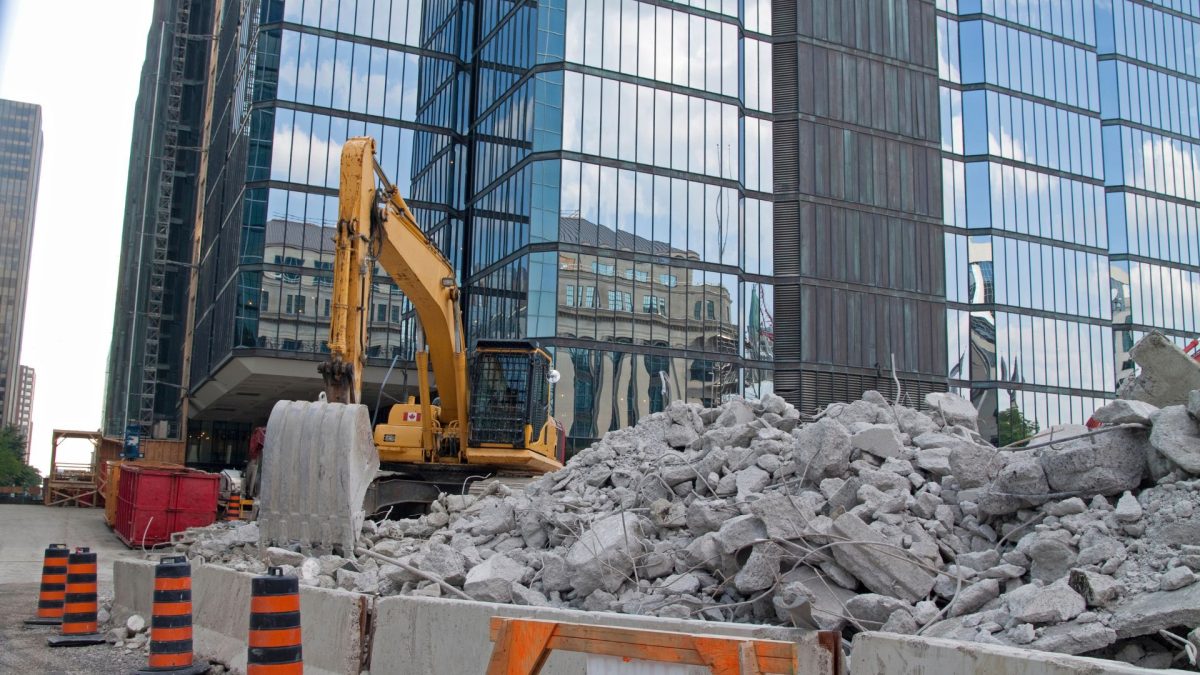
After a demolition project, the remnants left behind can be overwhelming. Not all debris is created equal, and understanding how each type is handled is crucial for efficient disposal. Materials like wood, metal, and concrete require separate handling due to their distinct environmental and recycling needs. Wood often gets repurposed into mulch or used in energy generation, while metals are sorted and sent to recycling facilities where they are melted down and reused. Concrete, on the other hand, can be crushed and repurposed for road construction or as a base for new concrete projects. Sorting at the source ensures that the debris stream is cleaner, more manageable, and more environmentally responsible.

Professional demolition cleanup teams often follow strict protocols to minimize the risk of contamination. Hazardous items such as asbestos, lead paint, or treated wood are identified and isolated early in the process. By doing this, recyclables are protected from contamination, and hazardous materials are handled safely according to local regulations. This meticulous sorting also reduces landfill waste, which benefits both the environment and the budget of any renovation project. Sorting may seem like a small step, but it lays the foundation for responsible debris management that keeps projects running smoothly.

Transporting Debris Safely

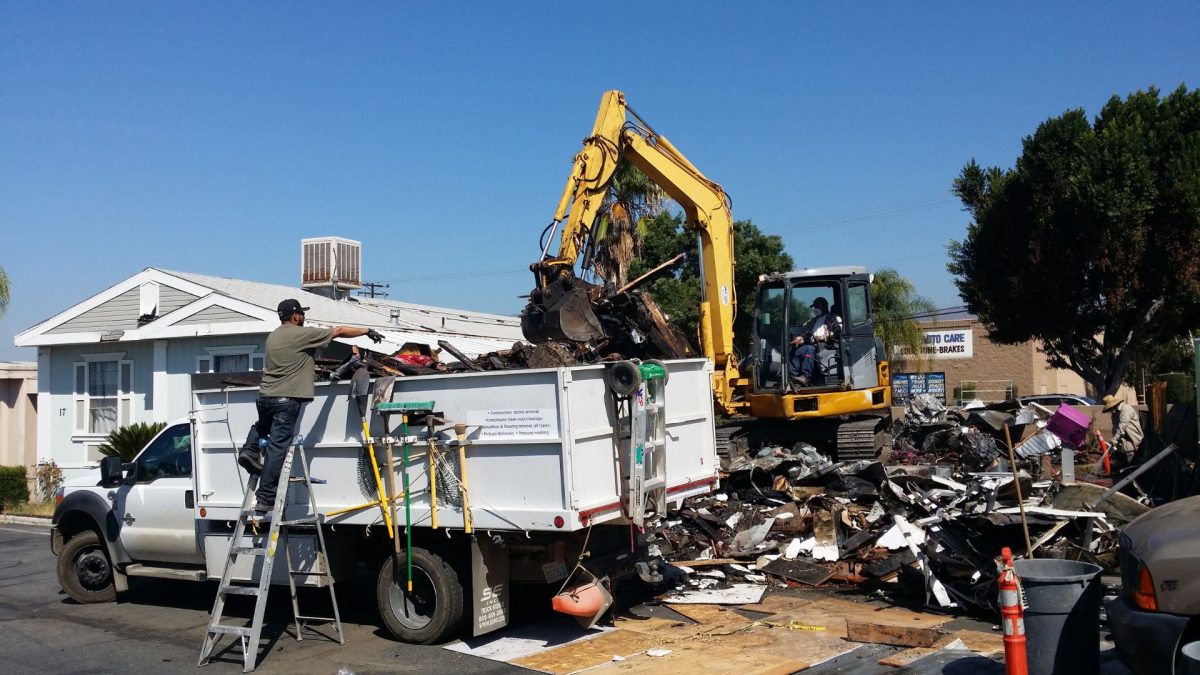
Once debris is sorted, transportation becomes the next critical stage. The process involves specialized vehicles designed to handle heavy and bulky materials efficiently. Large trucks and dumpsters are commonly used to move items from the demolition site to recycling centers or disposal facilities. Safety during transport is paramount, as improperly secured debris can cause accidents on the road. Drivers are trained to load materials in a way that prevents shifting or spillage, ensuring the debris reaches its destination intact and without creating hazards. Proper transport also reduces the risk of environmental contamination during transit.

Transporting debris efficiently often involves coordination with local recycling and disposal facilities. Timelines must be planned to ensure that trucks are not left idle, and routes are selected to avoid heavy traffic or residential disruption. Environmental compliance is another priority, as some materials have strict rules for disposal or recycling. Proper labeling and documentation of hazardous items may be required to meet regulatory standards. By combining safety and organization, debris transport becomes a seamless part of the demolition cleanup process, protecting workers, the community, and the environment.

Recycling Opportunities for Construction Waste

Construction and demolition debris represent a significant opportunity for recycling. Materials like metals, concrete, wood, and glass can often be transformed into new products, reducing the need for virgin resources. Metals, in particular, are highly valuable because they can be melted and reformed multiple times without losing quality. Concrete can be crushed into aggregate for roadbeds, driveways, or even new concrete mixes, effectively giving it a second life. Wood can be chipped into mulch or used in bioenergy projects, while glass can be melted down and formed into new bottles or tiles. Recognizing these recycling pathways helps reduce the environmental footprint of demolition projects.

Recycling also offers economic advantages. Many recycling facilities pay for scrap metals or other valuable materials, offsetting some of the costs of demolition. Additionally, diverting debris from landfills avoids disposal fees and supports sustainable construction practices. Teams that focus on maximizing recycling opportunities often develop partnerships with local facilities to ensure the materials are used efficiently. This approach encourages a circular economy where demolition debris is not waste but a resource ready to be reintegrated into new construction projects or other industrial processes.

Hazardous Material Management

Demolition debris sometimes contains hazardous materials that require specialized attention. Asbestos, lead-based paints, chemicals, and certain treated woods pose serious health and environmental risks. Handling these materials safely is non-negotiable, and trained personnel use protective equipment, proper containment, and strict disposal methods to prevent contamination. In many regions, regulations mandate specific removal and disposal processes for hazardous waste, and failure to comply can result in significant penalties. Proper management protects workers, the community, and the environment from harmful exposure.

Early identification of hazardous debris is key to maintaining a safe cleanup environment. Teams typically conduct inspections before major demolition work begins to locate potentially dangerous materials. Once identified, these items are segregated, contained, and transported to licensed facilities equipped to handle them. Comprehensive planning ensures that hazardous materials do not mix with recyclable or non-hazardous debris, reducing the likelihood of contamination. By following these protocols, demolition projects not only comply with regulations but also foster a safer and more responsible approach to debris disposal.

Landfill Disposal Practices

While recycling and repurposing are prioritized, some debris inevitably ends up in landfills. Materials that cannot be reused or recycled, such as certain plastics, composite materials, or contaminated items, are transported to authorized disposal sites. Modern landfills are engineered to minimize environmental impact, with systems for leachate collection, gas management, and soil layering to contain waste safely. By following proper landfill disposal practices, demolition cleanup teams help prevent pollution and adhere to local environmental standards.

Landfill operations are highly regulated, requiring detailed documentation of what is deposited and how it is managed. Some facilities have dedicated sections for different types of waste to streamline future monitoring or potential recycling. Efficient landfill management reduces the space required for debris storage, ensuring that valuable land resources are conserved. Demolition debris that reaches these landfills is monitored to prevent hazards such as chemical leaks or excessive runoff, maintaining safety for surrounding communities and ecosystems.

Debris Reduction Strategies

Reducing the volume of demolition debris before disposal is both environmentally and economically beneficial. Techniques such as deconstruction, which involves carefully dismantling structures rather than demolishing them outright, allow materials to be salvaged for reuse. Crushing concrete on-site reduces the volume that must be transported and enables immediate recycling. Segregating materials for repurposing, such as sorting metal from wood, also decreases the amount of debris sent to landfills. These strategies streamline cleanup and support sustainable construction practices.

Debris reduction is enhanced by planning and foresight. Project managers can identify materials that might be reused in future construction or renovation projects, preventing unnecessary waste. Additionally, using machinery to compact or shred materials on-site saves transportation costs and reduces carbon emissions associated with hauling debris. Teams that focus on reduction techniques contribute to a more sustainable construction industry by minimizing waste generation and maximizing resource efficiency.

Sorting for Local Recycling Programs

Local recycling programs often have specific requirements for the types of materials they accept and how they are processed. Sorting debris according to these guidelines ensures that more materials can be recycled and fewer are unnecessarily sent to landfills. Many communities have separate streams for metals, wood, concrete, and hazardous items. By aligning demolition cleanup practices with local recycling programs, debris management becomes more efficient and environmentally responsible.

Understanding local regulations and programs is vital for maximizing recycling potential. Teams may coordinate with municipal facilities to schedule deliveries, follow weight limits, and adhere to material preparation standards. Proper sorting increases the likelihood that items are processed correctly and reused in other projects. This approach not only benefits the environment but also supports the community by reducing local landfill use and fostering a culture of resource conservation.

On-Site Debris Management

Managing debris on-site during demolition is essential for safety, efficiency, and organization. Temporary storage areas, bins, and containers are used to segregate materials as they are removed. This prevents clutter, reduces hazards, and allows workers to locate materials quickly for recycling or disposal. On-site management also helps teams monitor the volume of debris being produced, enabling adjustments in the cleanup process to maintain workflow and minimize disruption.

Effective on-site debris management requires careful planning and team coordination. Workers need to be aware of which materials are recyclable, hazardous, or destined for landfill. Tools such as color-coded bins, signage, and detailed tracking systems ensure that debris is handled correctly from the moment it is removed. This approach improves productivity, ensures compliance with regulations, and keeps the site safer for all personnel.

Preparing Debris for Transportation

Before debris leaves the demolition site, it must be prepared for safe transportation. Materials are compacted, secured, and sometimes bagged or wrapped to prevent shifting during transit. Proper labeling is also applied, especially for hazardous or recyclable items, to guide handlers and ensure compliance with regulations. Preparing debris correctly reduces the risk of accidents and streamlines the handoff to transportation teams or recycling facilities.

Teams use specialized equipment to load heavy or bulky items efficiently, often employing cranes, forklifts, or conveyor systems. Ensuring that loads are balanced and contained prevents spillage or damage during transit. Well-prepared debris also facilitates faster unloading at the destination, allowing recycling or disposal processes to begin without delay. Proper preparation reflects the professionalism and attention to detail of demolition cleanup crews.

Environmental Impact Considerations

The ultimate goal of demolition debris management is to minimize the environmental impact of construction projects. By focusing on recycling, repurposing, and responsible disposal, teams help reduce pollution, conserve natural resources, and lower greenhouse gas emissions. Sustainable practices in debris management extend beyond immediate cleanup, influencing broader construction practices and community well-being.

Environmental considerations also include monitoring runoff, preventing air pollution from dust and particulate matter, and safely handling hazardous materials. Demolition teams often adopt practices such as using dust suppression techniques, covering loads during transport, and planning routes to reduce carbon emissions. These measures reflect a holistic approach to debris management, prioritizing environmental stewardship alongside efficiency and safety.

Conclusion

After a demolition project, debris follows a carefully planned journey from the site to its final destination. From initial sorting to safe transport, recycling, and eventual disposal, every step prioritizes safety, efficiency, and environmental responsibility. Hazardous materials are handled with care, valuable materials are recycled, and non-recyclables are directed to authorized landfills, reducing the environmental footprint of construction activities. Debris management is a crucial aspect of modern demolition practices, reflecting the industry’s commitment to sustainable operations and community well-being.

If you are in Palatine, IL and need professional help with junk removal, 24-7 Junk Removal provides expert services to handle debris efficiently and safely. Their team ensures that every item is properly sorted, transported, and disposed of according to local regulations. Contact them at (773) 309-6966 or visit 611 W. Wise Schaumburg, IL 60193 for reliable service. They also provide support through email at support@24-7junk.com. Choosing their services guarantees a streamlined, environmentally responsible approach to demolition cleanup, giving property owners peace of mind.