

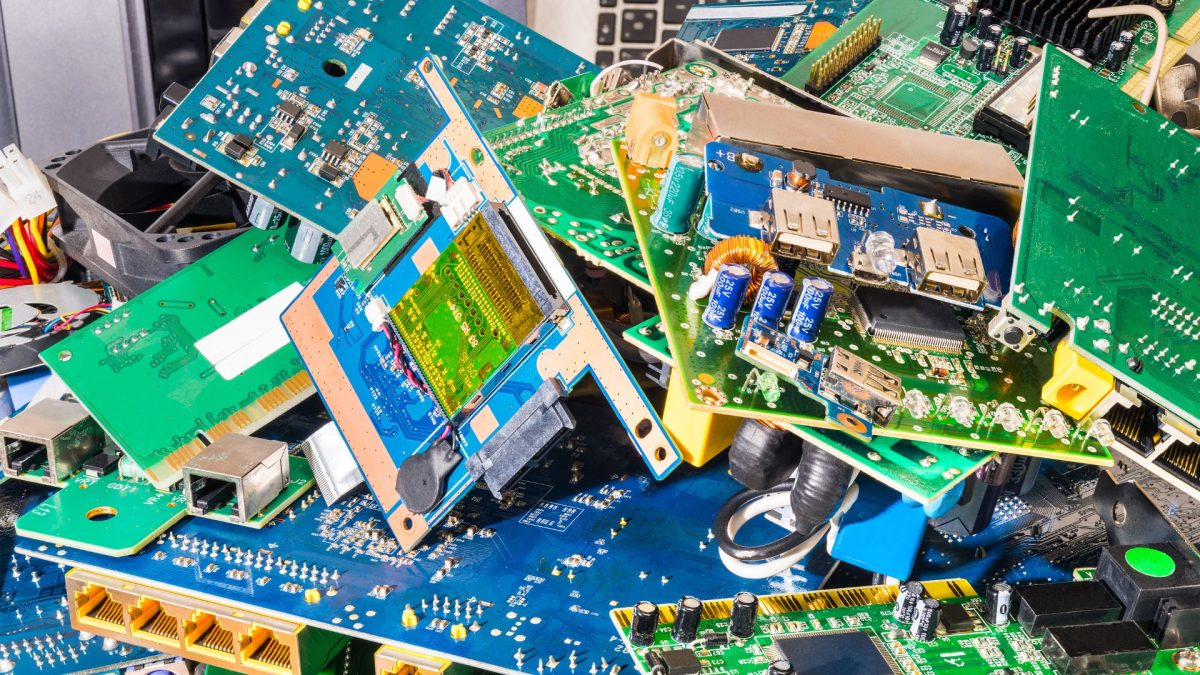
E-waste, commonly referred to as electronic waste, includes discarded electrical and electronic devices that are no longer useful or functional. In today’s fast-paced technological world, the rate at which these devices become obsolete is astonishing. Smartphones are replaced every couple of years, computers and laptops become outdated, and even household appliances are frequently upgraded. The accumulation of these devices has created an unprecedented volume of waste that demands careful attention. Many individuals and businesses are unaware of the sheer magnitude of e-waste produced annually, making it essential to understand its implications.
Beyond just the volume, the environmental impact of e-waste is profound. Electronic devices often contain hazardous substances such as lead, mercury, cadmium, and brominated flame retardants. When improperly disposed of in landfills, these toxic elements can seep into soil and water systems, posing serious risks to human health and wildlife. Furthermore, incinerating these materials releases dangerous fumes into the atmosphere, contributing to air pollution. Recognizing the growing presence of e-waste and its potential hazards is the first step toward responsible management and reducing ecological damage, fostering a culture of environmental awareness and accountability.
The Environmental Hazards of Improper Disposal
When electronic waste is not disposed of properly, it creates a cascade of environmental problems that are often invisible at first glance. The toxic substances contained in electronic devices can infiltrate groundwater and surface water, contaminating ecosystems and posing serious health threats. Lead, for example, can affect the nervous system, while mercury exposure can harm kidneys and cognitive function. As these chemicals migrate through soil and water, they impact not just human populations but also plants, animals, and entire ecosystems, disturbing natural balances that take years to recover.
In addition to chemical contamination, the physical accumulation of e-waste presents another environmental challenge. Electronic components in landfills degrade slowly, occupying space and producing greenhouse gases during decomposition. The slow release of carbon dioxide and methane contributes to climate change, exacerbating global environmental concerns. Even small-scale improper disposal, such as tossing old batteries or mobile phones in regular trash, can cumulatively have serious consequences. Addressing these hazards requires both community awareness and accessible recycling programs, ensuring that discarded electronics are treated responsibly rather than allowed to degrade in harmful ways.
The Importance of Recycling E-Waste
Recycling e-waste provides an environmentally responsible solution that benefits both communities and the planet. Electronic devices contain a wealth of recoverable materials, including gold, copper, aluminum, and rare earth elements. Extracting these resources through recycling reduces the need for mining and conserves natural resources, which otherwise requires energy-intensive processes that contribute to deforestation, water contamination, and air pollution. By participating in proper recycling programs, individuals and businesses can help conserve resources while reducing the carbon footprint associated with the production of new electronics.
Moreover, recycling ensures the safe handling of hazardous materials present in electronic devices. Certified recycling facilities have processes in place to separate, neutralize, and dispose of toxins in a controlled manner, preventing harmful chemicals from entering the environment. Beyond the ecological advantages, recycling also promotes social responsibility and public health protection. Communities benefit when e-waste is redirected from landfills into specialized recycling streams, where materials are recovered efficiently, reducing pollution and conserving energy. Emphasizing recycling is essential in developing a sustainable approach to electronic waste management that balances human needs with environmental protection.
The Role of Legislation in E-Waste Management
Government regulations and legislation serve as a cornerstone for effective e-waste management. Laws are designed to guide the collection, recycling, and disposal of electronic devices in ways that minimize environmental impact. Through legislative frameworks, authorities establish clear standards for businesses and individuals, curbing illegal dumping practices and promoting responsible behavior. Legislation also encourages manufacturers to design products that are easier to recycle, durable, and less hazardous, creating a systemic approach to sustainability.
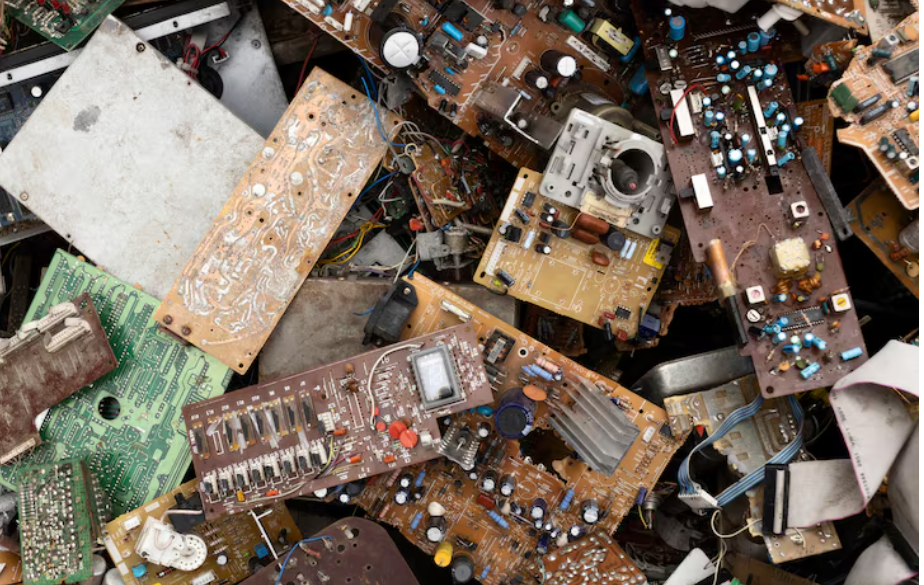
One significant strategy implemented globally is extended producer responsibility, which requires manufacturers to manage their products throughout the lifecycle, including post-consumer disposal. EPR programs incentivize companies to offer take-back services and invest in eco-friendly product designs. Additionally, regulations provide guidelines for the safe transport and processing of electronic waste, ensuring that hazardous materials are managed correctly. When effectively enforced, legislation promotes a structured, long-term approach to e-waste, balancing economic growth, technological advancement, and environmental protection while fostering an ethic of accountability and corporate responsibility.
The Economic Benefits of E-Waste Recycling
The financial advantages of recycling electronic waste are substantial and multifaceted. Recovering valuable metals and components from discarded electronics creates a secondary source of raw materials, reducing reliance on costly and environmentally damaging mining operations. Precious metals like gold, silver, and palladium, commonly found in electronic circuits, can be repurposed efficiently, decreasing production costs for new devices. This circular economy approach not only supports environmental sustainability but also delivers tangible economic savings to manufacturers.
Furthermore, the e-waste recycling industry generates employment across multiple sectors. Jobs range from the collection and transportation of discarded electronics to sorting, dismantling, and material recovery. Technicians and engineers are also needed to develop innovative recycling technologies, creating high-skilled employment opportunities. As recycling operations expand, local economies benefit from increased job creation and the stimulation of related service sectors. Embracing recycling practices transforms electronic waste from an environmental liability into a resource that drives economic development and reinforces sustainable growth for communities worldwide.
The Challenges of E-Waste Recycling
Despite its clear advantages, recycling electronic waste faces significant obstacles. Infrastructure limitations are among the primary challenges, especially in regions lacking accessible collection points or processing facilities. Without convenient disposal options, individuals and businesses may default to improper methods, including landfill dumping or informal handling. This not only compromises environmental safety but also undermines efforts to establish sustainable waste management practices.
The composition of modern electronics adds another layer of difficulty. Devices often contain a complex mix of metals, plastics, and hazardous substances that are difficult to separate and recycle efficiently. Specialized equipment and trained personnel are required to manage these materials safely, increasing operational costs for recycling facilities. Public education is also crucial, as many consumers remain unaware of the importance of responsible e-waste disposal. Overcoming these challenges requires a combination of investment in infrastructure, technological innovation, and comprehensive awareness campaigns to ensure that recycling efforts are both effective and sustainable.
The Impact of Informal E-Waste Recycling
Informal e-waste recycling presents a major environmental and social concern worldwide. In many areas, individuals and small-scale operators collect discarded electronics without proper training or equipment. To recover valuable metals, informal recyclers often resort to unsafe methods, such as open burning or acid baths, which release toxic fumes and contaminate soil and water. These practices pose serious health risks to workers and nearby communities, exposing them to hazardous chemicals without adequate protection.
The informal sector also perpetuates illegal e-waste exportation to regions with minimal environmental regulations. Electronic waste sent abroad is often dismantled under unsafe conditions, amplifying ecological harm and violating international environmental standards. Addressing these challenges requires concerted global action, including stricter enforcement of laws, support for formal recycling initiatives, and community education. Encouraging safe, formalized e-waste management practices ensures that hazardous substances are controlled while allowing valuable materials to be recovered responsibly and sustainably.
The Role of Consumers in E-Waste Management
Consumers hold significant power in reducing the environmental impact of electronic waste. Conscious purchasing decisions, such as choosing durable products and repairing devices rather than replacing them prematurely, can substantially reduce e-waste generation. Furthermore, participating in manufacturer take-back programs and certified recycling initiatives ensures that electronic devices are disposed of responsibly.
Proper maintenance and storage of electronics extend their functional lifespan, delaying disposal and lessening environmental strain. Consumer engagement is further enhanced through education campaigns that highlight the consequences of improper disposal and the benefits of sustainable practices. By adopting mindful consumption habits and supporting recycling efforts, individuals contribute directly to environmental preservation. Empowering consumers with knowledge and accessible disposal options strengthens the overall effectiveness of e-waste management strategies.
The Future of E-Waste Recycling Technologies
Technological advancements are shaping the future of e-waste recycling with promising innovations. Automated sorting systems, chemical recycling processes, and bioleaching techniques are improving material recovery efficiency while reducing environmental impact. These innovations enable higher recovery rates for precious metals and other valuable components, transforming e-waste into a valuable resource rather than a hazardous burden.
Additionally, product design is evolving to support recycling. Modular electronics and the use of non-toxic, recyclable materials make it easier to dismantle and repurpose devices. The adoption of circular economy principles ensures that materials remain in use longer, minimizing waste generation. Continued investment in research and development is essential to refine these technologies, making recycling more effective and environmentally friendly. As innovation progresses, e-waste recycling is poised to become a cornerstone of sustainable electronic consumption, reducing ecological footprints while maximizing resource efficiency.
Conclusion
Addressing e-waste disposal is a critical step toward environmental sustainability and public health protection. Improper disposal of electronic devices releases hazardous substances that contaminate soil, water, and air, posing risks to ecosystems and human communities. The combination of responsible recycling, legislative support, and informed consumer participation can significantly mitigate these environmental impacts while promoting resource conservation.
In Palatine, IL, 24-7 Junk Removal provides reliable junk removal services that emphasize environmentally responsible practices. Their team ensures that electronic waste is collected, transported, and recycled safely, reducing the risk of contamination and maximizing material recovery. Residents and businesses can trust 24-7 Junk Removal to handle e-waste efficiently, supporting a cleaner, more sustainable community. For service inquiries or scheduling a pickup, contact 24-7 Junk Removal at (773) 309-6966. With dedicated efforts toward eco-friendly junk removal, this company helps protect the environment while offering practical solutions for managing electronic and other unwanted waste.