

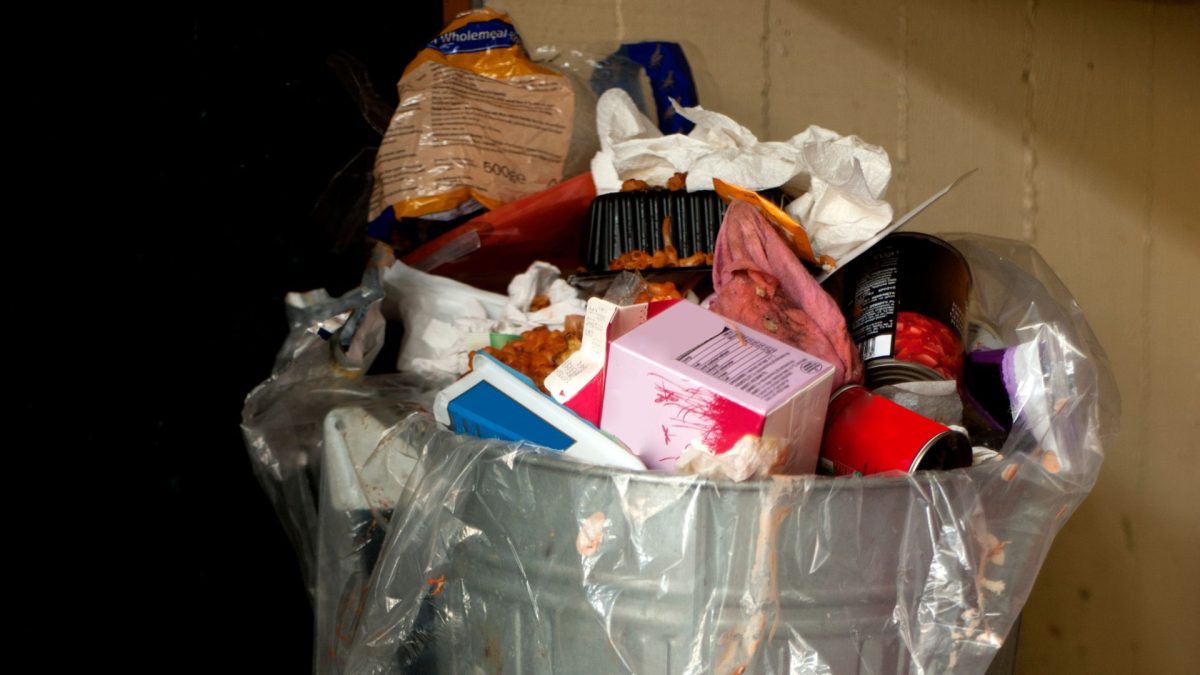
The landscape of junk removal is undergoing a significant transformation as companies increasingly adopt eco-friendly practices. Traditional junk disposal often meant sending vast amounts of waste directly to landfills, contributing to environmental degradation. Today, forward-thinking junk removal services are integrating sustainable methods, including recycling, donation, and repurposing of items that would otherwise end up as waste. This shift not only reduces the environmental footprint but also supports community initiatives by channeling usable items to those in need. Businesses are recognizing that being environmentally responsible is no longer optional but a critical aspect of operational integrity and public trust.
Modern junk removal companies are embracing technology and innovative strategies to ensure sustainability. Sorting systems, partnerships with recycling centers, and educational programs for staff and customers highlight a commitment to minimizing waste. These strategies allow companies to divert a substantial portion of discarded items from landfills, creating a circular economy where resources are reused and repurposed efficiently. As these green practices become more mainstream, consumers increasingly prefer services that align with environmental values, driving the industry toward more conscious, responsible operations and inspiring a cultural shift in how we perceive waste management.
Redefining Waste Management With Eco-Friendly Solutions
Junk removal is evolving from mere disposal to a comprehensive approach that emphasizes environmental responsibility. Companies are developing innovative solutions to ensure that items like furniture, electronics, and appliances are either recycled, refurbished, or donated. This approach reduces the amount of material that ends up in landfills, promotes resource conservation, and lowers the carbon footprint associated with waste transportation and disposal. By prioritizing eco-friendly solutions, junk removal services contribute to cleaner cities, healthier communities, and a more sustainable future for generations to come.
The shift towards green junk removal also encourages customers to rethink their consumption habits. When individuals see their discarded items being repurposed or recycled effectively, they become more conscious of the environmental impact of waste. This behavioral change creates a ripple effect, motivating communities to adopt more sustainable practices in other areas of life, such as reducing single-use plastics, embracing second-hand goods, and supporting eco-conscious businesses. The industry is now not only removing clutter but also acting as a catalyst for environmental awareness and proactive waste management in society.
Innovative Recycling Techniques Transforming the Industry
Recycling has become a cornerstone of modern junk removal, with companies implementing sophisticated techniques to sort and process materials efficiently. Items that once were considered worthless, such as old electronics or metal scraps, are now valuable resources that can be reintroduced into manufacturing cycles. By using advanced recycling technologies, junk removal services maximize the recovery of reusable materials, thereby reducing dependency on virgin resources and mitigating environmental damage caused by extraction and production processes.
In addition, some companies are investing in specialized training for their staff to identify and handle hazardous materials safely. This ensures that items like batteries, paints, and chemicals do not contaminate the environment. Such innovations also enhance safety and compliance with local regulations, creating a responsible and transparent service. As these techniques advance, junk removal firms are positioned not merely as service providers but as essential partners in promoting sustainability and supporting a circular economy that values reuse, repair, and recycling over waste.
The Role of Community Partnerships in Green Initiatives
Collaboration with local organizations and nonprofits is a powerful strategy for junk removal companies committed to going green. By partnering with charities, shelters, and recycling centers, these companies ensure that usable items are redistributed rather than discarded. Furniture, clothing, and appliances can find new life in households or organizations that need them, turning waste into a resource and fostering social responsibility alongside environmental stewardship.
These community partnerships also educate the public about sustainable disposal practices. Awareness campaigns and donation drives encourage residents to think critically about the items they discard, emphasizing the benefits of reuse and responsible recycling. This collaborative approach strengthens community ties and positions junk removal companies as key players in promoting eco-conscious behavior. The synergy between businesses and community organizations amplifies environmental impact, demonstrating that green initiatives are most effective when they involve both professional expertise and public participation.
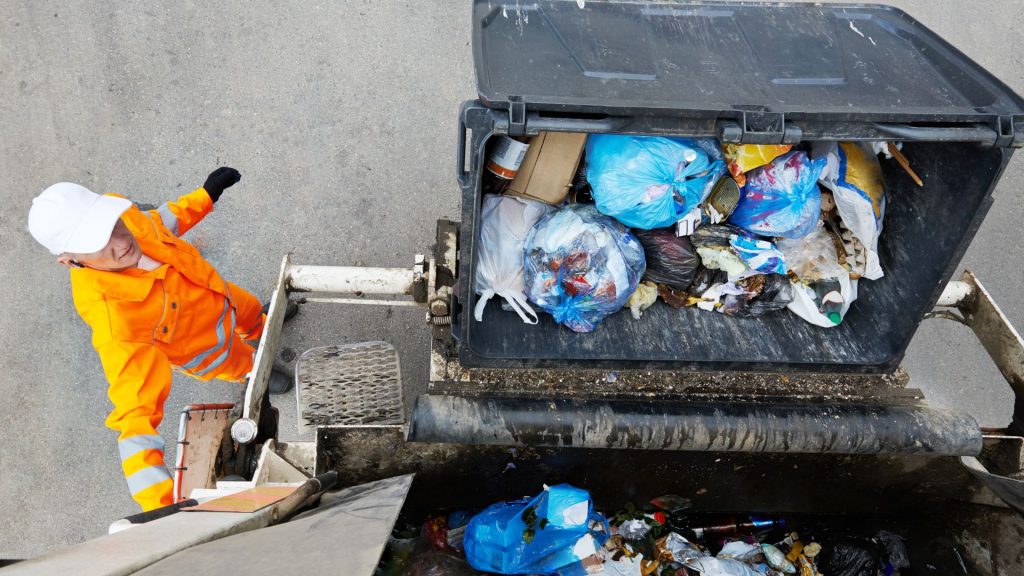
Technological Advancements Driving Sustainable Junk Removal
Technology is playing a pivotal role in modernizing junk removal processes and enhancing sustainability. Digital platforms now allow customers to schedule pickups, track waste diversion, and receive information on recycling opportunities. This transparency not only streamlines operations but also increases accountability, ensuring that a higher percentage of collected items are recycled or donated rather than sent to landfills.
Automation and data analytics further optimize the collection and sorting of waste. By analyzing trends and material composition, companies can tailor their services to minimize environmental impact while improving efficiency. Innovative apps and software solutions allow real-time monitoring of waste streams, helping firms make data-driven decisions that maximize sustainability outcomes. These technological advancements underscore how green junk removal is evolving into a sophisticated, intelligent industry that merges convenience with ecological responsibility.
Reducing Carbon Footprint Through Strategic Operations
Modern junk removal companies are implementing operational strategies to minimize their carbon footprint. Efficient routing systems reduce fuel consumption by optimizing the travel paths of collection vehicles, while smaller, electric, or hybrid trucks contribute to lower emissions. By reducing the number of trips required to haul items, these companies significantly cut greenhouse gas emissions associated with transportation.
Additionally, green-minded businesses often consolidate pickups and coordinate with local recycling centers to limit unnecessary handling and transport of waste. This strategic approach not only improves environmental outcomes but also increases operational efficiency, saving both time and resources. Reducing carbon emissions in logistics demonstrates a commitment to sustainability that goes beyond recycling and donation, encompassing every aspect of the junk removal process and setting a new standard for environmentally responsible service delivery.
Promoting Awareness and Education About Responsible Disposal
Education is a critical component of the green junk removal movement. Companies are increasingly informing customers about how to properly dispose of various types of waste, including electronics, furniture, and hazardous materials. Informative blogs, social media campaigns, and in-person guidance empower individuals to make environmentally responsible choices and reduce their overall waste footprint.
By promoting awareness, junk removal services help cultivate a culture where sustainability is valued and practiced daily. Educated customers are more likely to participate in donation programs, separate recyclables from trash, and consider environmentally conscious alternatives when replacing household items. This proactive educational approach ensures that the impact of green junk removal extends far beyond a single service visit, creating long-term environmental benefits and fostering a community mindset that prioritizes ecological responsibility.
Innovative Business Models Supporting Circular Economy
The future of junk removal is increasingly tied to circular economy principles. Businesses are developing models that prioritize repair, refurbishment, and resale of used items. Instead of discarding old appliances, furniture, or electronics, companies identify materials that can be restored or repurposed, giving them a second life and reducing the demand for new production.
These models create economic and environmental value simultaneously. Consumers benefit from affordable, repurposed goods, while companies strengthen their sustainability credentials. By integrating circular economy practices into core operations, junk removal services are redefining their role in society, transforming from simple waste handlers into proactive contributors to resource conservation and environmental stewardship, demonstrating that responsible waste management can be both practical and profitable.
The Impact of Green Certification and Standards
Certification and adherence to environmental standards are becoming significant markers of credibility in the junk removal industry. Companies that achieve green certifications demonstrate a commitment to sustainable practices, including responsible recycling, donation, and waste reduction. These standards ensure transparency, operational integrity, and trust among consumers who are increasingly eco-conscious.
Green certification also motivates continuous improvement, prompting companies to innovate and adopt new technologies or methods that enhance sustainability. By meeting rigorous environmental benchmarks, junk removal firms can differentiate themselves in a competitive market while contributing positively to ecological conservation. Such certifications reflect a broader commitment to corporate social responsibility, reinforcing that eco-friendly practices are both a moral and business imperative in the evolving landscape of waste management.
Economic and Environmental Benefits of Eco-Friendly Junk Removal
Eco-friendly junk removal creates tangible benefits for both the environment and the economy. Diverting items from landfills reduces pollution, conserves natural resources, and lowers greenhouse gas emissions. Simultaneously, companies that invest in green practices often see operational efficiencies, cost savings, and increased customer loyalty. These benefits highlight that environmentally responsible operations are financially sustainable and strategically advantageous.
Moreover, businesses that embrace eco-friendly practices help stimulate local economies by supporting recycling centers, donation organizations, and refurbishing facilities. Jobs are created in these sectors, contributing to social and economic development alongside environmental protection. The integration of economic and environmental benefits demonstrates that sustainable junk removal is not merely an ethical choice but a holistic strategy that harmonizes business success with ecological responsibility, showcasing a model that other industries can emulate for a greener future.
Adapting to Consumer Demand for Sustainable Services
Consumer preferences are increasingly influencing the direction of the junk removal industry. People now seek services that align with their environmental values, expecting responsible handling of discarded items. Companies that respond to this demand by implementing green initiatives, recycling programs, and donation partnerships not only enhance their brand reputation but also foster customer loyalty and satisfaction.
Adapting to consumer demand involves more than offering services; it requires a genuine commitment to sustainability and transparency. Educating clients about the benefits of eco-friendly practices, providing convenient recycling solutions, and demonstrating measurable environmental impact are key strategies. By prioritizing sustainability, junk removal companies position themselves as leaders in an industry increasingly defined by environmental consciousness, proving that the businesses of tomorrow must balance customer expectations with ecological responsibility.
Conclusion
The evolution of junk removal into a green, sustainable industry reflects both environmental necessity and business innovation. Companies are redefining waste management by incorporating recycling, donation, and advanced technologies that minimize ecological impact. Consumers now have the opportunity to participate in responsible disposal practices, promoting a culture of sustainability while benefiting from efficient, reliable services. The transformation extends beyond simple waste removal, creating a model where environmental care, community support, and operational efficiency coexist seamlessly.
For those in Palatine, IL seeking professional junk removal services, 24-7 Junk Removal exemplifies this green future. By offering responsible recycling and donation programs, the company ensures that discarded items are handled sustainably. Residents and businesses can reach 24-7 Junk Removal at (773) 309-6966 or visit their location at 611 W. Wise Schaumburg, IL 60193 for comprehensive, eco-conscious solutions. Committed to reducing landfill strain and promoting environmental stewardship, 24-7 Junk Removal continues to set the standard for sustainable junk removal practices in the community.