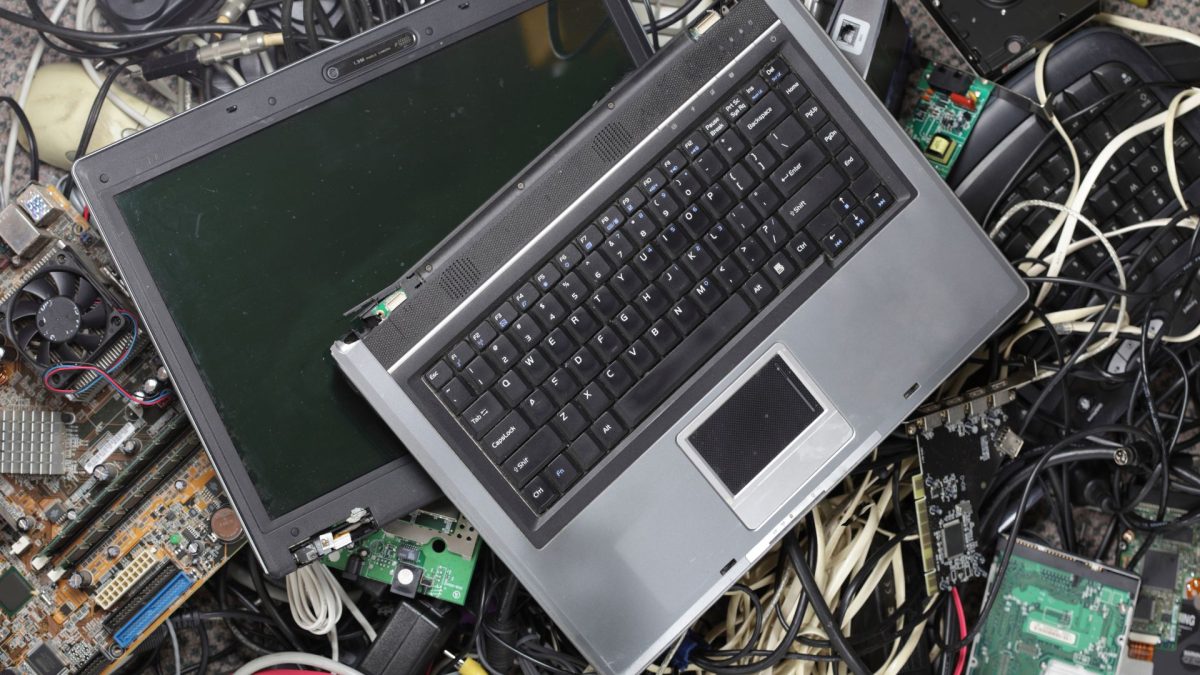
When your office undergoes a cleanout, old electronics often accumulate faster than expected. From outdated computers to worn-out printers, these devices contain materials that can harm the environment if discarded carelessly. Proper disposal is more than a logistical task; it’s a responsibility. By understanding the components of electronics, such as batteries and circuit boards, you can prevent hazardous chemicals from contaminating landfills. This awareness encourages businesses to adopt eco-friendly strategies that minimize environmental impact while maintaining efficiency.
Sorting electronics before disposal is essential. Categorizing devices by type or potential recyclability ensures that nothing valuable is wasted and harmful substances are safely handled. Establishing a protocol for removal and recycling during a cleanout can transform an overwhelming task into a structured, manageable process. In addition, exploring local recycling centers and donation options provides alternative pathways for giving electronics a second life. A cleanout then becomes not just a means of decluttering but an opportunity to contribute positively to the community and the planet.
Identifying Items Suitable for Recycling
Old office electronics come in various shapes and sizes, each with distinct disposal requirements. Identifying which items can be recycled or donated is the first step toward responsible management. Computers, monitors, and peripherals often contain metals and plastics that are reusable when processed properly. Even seemingly obsolete gadgets might hold salvageable components. Recognizing the potential value in these items can turn a pile of junk into a resource rather than waste.
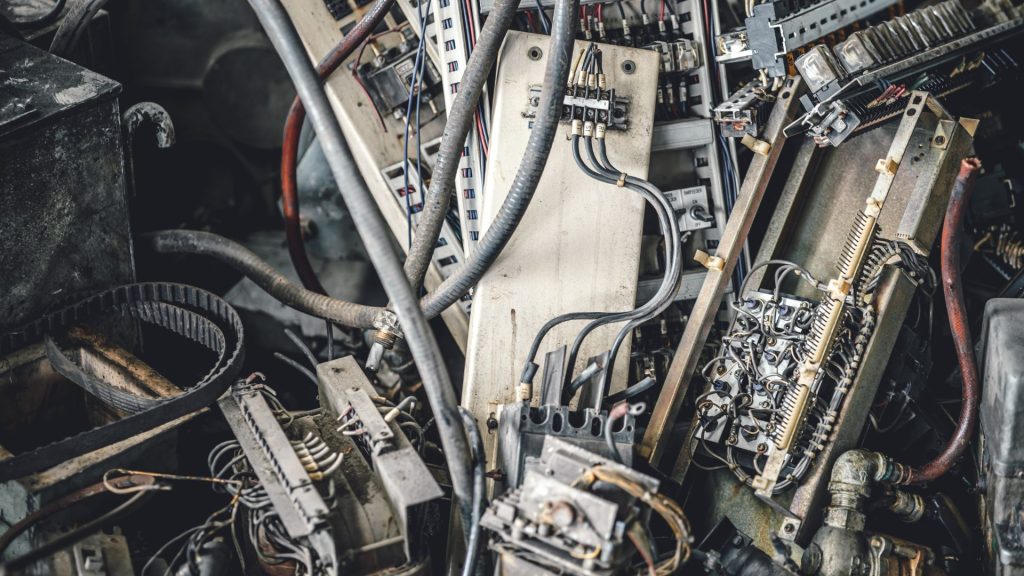
The key lies in separating devices by type and condition. Functional electronics may be refurbished and donated to organizations or schools, while non-functional ones can be directed to certified recycling centers. Avoid mixing electronic waste with general trash, as it can complicate disposal and increase environmental risk. Taking the time to categorize items carefully also streamlines removal, making the cleanout more efficient and less stressful for office staff. Through mindful identification, you can ensure that old electronics are handled in a way that aligns with sustainability goals.
Erasing Sensitive Data Safely
Before letting go of office electronics, safeguarding sensitive information is paramount. Computers, external drives, and mobile devices often store confidential data that, if mishandled, could lead to security breaches. Simply deleting files or formatting drives is insufficient. Thoroughly wiping devices with specialized software ensures that data is irretrievable and protects the company from potential risks.
For physical storage media like hard drives, consider professional destruction services. These solutions provide verification that all sensitive information has been completely eliminated. Incorporating data erasure as part of your cleanout protocol not only shields your organization from liability but also aligns with privacy standards and industry regulations. By prioritizing secure data destruction, offices can transition smoothly into a clutter-free environment without compromising security or integrity.
Partnering with Certified Recycling Services
Engaging professional recycling services ensures that office electronics are disposed of responsibly. Certified recyclers follow environmental regulations, ensuring harmful substances are safely processed while reclaiming valuable materials. Working with trained teams can simplify logistics, especially during large-scale office cleanouts, providing efficiency and peace of mind.
These services often offer pickup and transport options, reducing the burden on internal staff and eliminating potential safety hazards. Beyond simply removing items, they provide documentation of proper disposal, an important factor for corporate accountability. Partnering with certified services transforms the disposal process into a structured, safe, and environmentally conscious operation, demonstrating a company’s commitment to sustainable practices.
Considering Donations for Functional Electronics
Not all old electronics are destined for recycling. Functional items may have value to other organizations or communities. Donating working devices allows them to continue being useful, extending their lifecycle and reducing waste. Schools, nonprofits, and local charities often welcome computers, printers, and other equipment for educational or operational purposes.
Before donating, ensure that devices are cleaned and tested. Remove any proprietary software and prepare items for easy setup by recipients. By incorporating donation into your cleanout strategy, offices can foster positive social impact while minimizing environmental burden. Giving devices a second life reflects a mindful approach to resource management, turning clutter into opportunity.
Preparing Electronics for Safe Transport
Handling old electronics requires attention to safety and organization. Fragile devices, heavy equipment, and delicate components can pose risks if transported improperly. Wrapping sensitive items, securing loose parts, and using sturdy containers minimizes the chance of damage or injury during removal.
Planning the logistics in advance ensures that electronics reach their destination safely, whether it’s a recycling center, donation site, or storage area. Proper transport not only protects equipment but also maintains a professional and efficient workflow during the cleanout. With careful preparation, offices can navigate disposal challenges smoothly and responsibly.
Understanding Local Disposal Regulations
Different regions have varying rules regarding electronic waste. Understanding local regulations helps offices comply with legal requirements while avoiding fines or penalties. Certain items may require specialized handling, and restrictions often exist for materials like batteries and circuit boards.
Researching these guidelines before beginning a cleanout streamlines the process. It ensures that each device is directed appropriately, whether toward recycling, donation, or safe disposal. By integrating regulatory knowledge into the cleanout plan, companies uphold compliance while promoting environmental stewardship.
Implementing an Internal Electronics Policy
Establishing a formal internal policy for electronic disposal enhances efficiency and accountability. Clear procedures for retiring, recycling, or donating devices prevent confusion and ensure consistent practices. Assigning responsibilities to specific team members can further streamline the cleanout process.
A well-defined policy also communicates the organization’s commitment to sustainability. Employees understand expectations for handling old equipment, reducing errors and promoting a culture of environmental responsibility. This approach integrates electronic management seamlessly into broader office operations, turning what might feel like a cumbersome task into a structured system.
Leveraging Professional Junk Removal Support
Professional junk removal services can transform a complex cleanout into a smooth, stress-free experience. Trained teams handle all aspects of removal, including lifting, transportation, and environmentally responsible disposal. Their expertise ensures safety, efficiency, and compliance with regulations.
These services reduce the internal workload for office staff and allow projects to proceed without interruption. By outsourcing the removal of old electronics, businesses gain confidence that items are handled properly while freeing employees to focus on core tasks. Professional support provides a practical solution that balances convenience and responsibility.
Planning for Future Electronics Management
Cleanouts offer an opportunity to rethink how offices manage electronics over time. Implementing inventory tracking, scheduled updates, and proactive recycling initiatives prevents future clutter. Forward-thinking practices create an organized environment and reduce stress during subsequent cleanouts.
Planning ahead also helps identify opportunities for donations or reuse before devices become obsolete. By integrating ongoing management strategies, offices maintain efficiency and sustainability, ensuring that electronics are handled responsibly throughout their lifecycle. Thoughtful planning transforms occasional cleanouts into a consistent, manageable practice that supports both operational needs and environmental goals.
Conclusion
Proper management of old office electronics during a cleanout requires careful planning, secure data handling, and environmentally conscious disposal. Offices can combine recycling, donation, and professional removal to ensure devices are handled responsibly. Each step contributes to a cleaner, safer, and more organized workspace, while minimizing environmental impact and promoting sustainability.
For offices in Palatine, IL, 24-7 Junk Removal provides comprehensive support for junk removal, offering professional assistance for all types of electronic equipment. Their team ensures safe and efficient removal while adhering to eco-friendly practices. To schedule a cleanout or discuss options, businesses can contact 24-7 Junk Removal at (773) 309-6966 or visit their location at 611 W. Wise Schaumburg, IL 60193. They also offer email support at support@24-7junk.com to streamline planning and coordination, making office electronics disposal stress-free and responsible.