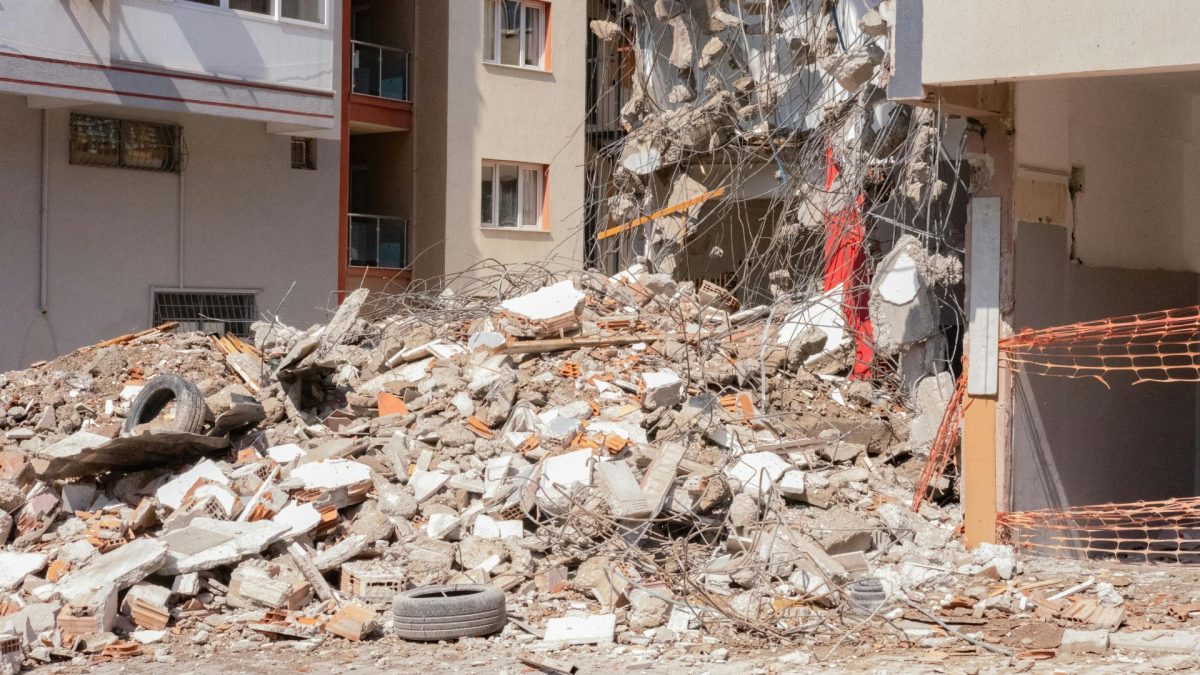
Concrete removal may seem straightforward at first glance, but without careful attention, it can lead to unexpected damage to surrounding property. One of the primary concerns is the potential for structural harm to nearby surfaces. Driveways, patios, and garden paths are often closely connected, and heavy tools or careless demolition can create cracks or chips. To avoid such damage, it is essential to plan the removal process meticulously. Taking the time to survey the area before beginning ensures that fragile sections are reinforced or protected. This initial preparation reduces the likelihood of accidents that could compromise your property’s integrity.
Equally important is understanding the environmental and safety risks associated with concrete removal. Dust, debris, and flying fragments are common hazards during the demolition process. Protecting your landscape, vehicles, and neighboring structures can prevent costly repairs and maintain the aesthetic of your property. Employing barriers, drop cloths, or temporary fencing helps control debris while maintaining a clear workspace. Awareness of these risks and proactive preparation are the foundations of a safe, efficient concrete removal project that preserves the value and appearance of your property.
Choosing the Right Tools for Precision
Selecting appropriate tools for concrete removal is a critical step that greatly affects the safety and efficiency of the project. While heavy machinery like jackhammers and concrete saws are effective for breaking up large slabs, they also pose a higher risk of collateral damage if not handled correctly. Opting for smaller, handheld tools when working near sensitive areas allows for greater control. Tools such as sledgehammers, chisels, and pry bars provide a balance between force and finesse, ensuring that only the targeted sections of concrete are affected.
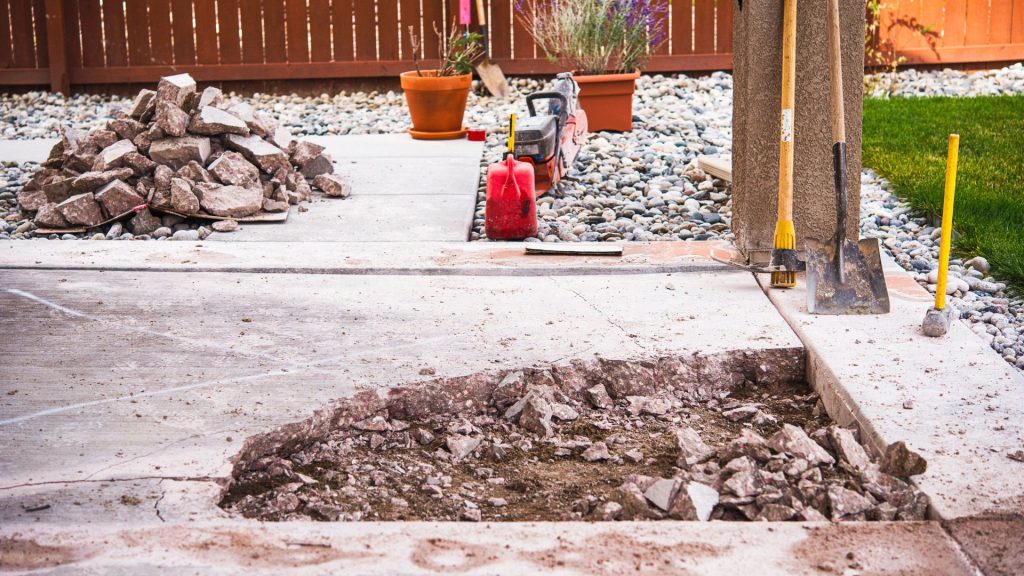
In addition to selecting the right tools, knowing how to use them properly is equally crucial. Sudden or uncontrolled strikes can create fractures beyond the intended area, leading to additional repair needs. Adopting a steady, systematic approach minimizes vibration and stress on adjacent surfaces. Practicing careful, incremental removal also reduces fatigue, which can otherwise result in errors or accidents. By combining the correct tools with controlled technique, concrete removal can progress smoothly without jeopardizing surrounding structures or landscaping features.
Protecting Surrounding Landscaping
Concrete removal can unintentionally affect gardens, lawns, and delicate plantings if proper precautions are not taken. Exposed roots, soil compaction, and flying debris are common challenges that can compromise the health of nearby vegetation. One effective strategy is to create temporary protective barriers around plants using plywood, heavy tarps, or even lightweight fencing. Ensuring that mulch, soil, and fragile flowers are shielded helps maintain the visual appeal of your yard while demolition is underway.
Additionally, watering plants before starting concrete removal can reduce dust accumulation and prevent soil displacement. A dampened surface is less prone to being disturbed by stray debris. Strategic placement of protective layers combined with awareness of plant locations reduces the chance of accidental damage. Taking the time to shield landscaping transforms a potentially destructive process into a controlled, minimally invasive operation. This focus on protection maintains both the aesthetic and functional quality of your outdoor spaces while concrete removal progresses safely.
Planning the Demolition Sequence
The sequence in which concrete is removed plays a significant role in preventing damage. Starting with the perimeter and working toward the center allows for greater stability and minimizes the risk of sudden slab shifts. This approach helps manage stress on surrounding surfaces, particularly when adjacent structures, sidewalks, or patios are involved. Mapping out a clear plan before beginning ensures that each step is intentional and coordinated, which reduces the chance of mistakes that could lead to property damage.
Breaking concrete into manageable sections also allows for safer handling and disposal. Smaller segments reduce the risk of uncontrolled movement, which could cause cracks in nearby driveways or other structures. Using wedges or scoring lines as guides before breaking concrete helps achieve precise fragmentation, allowing the process to progress systematically. Proper planning not only safeguards property but also enhances efficiency, ultimately saving time and effort while maintaining a clean, organized workspace throughout the project.
Minimizing Dust and Debris Spread
Dust and debris are unavoidable during concrete removal, but their impact can be controlled with careful preparation. Covering nearby furniture, vehicles, or outdoor structures with heavy-duty tarps helps prevent accumulation of dust particles that could lead to staining or scratching. Additionally, positioning barriers to guide debris away from sensitive areas ensures that cleanup is manageable and surfaces remain protected. Controlling the spread of dust contributes to a safer, more pleasant work environment for everyone involved.
Water is another effective tool for dust management. Lightly misting the concrete as it is broken up reduces airborne particles and minimizes respiratory hazards. Combined with strategic barriers and controlled demolition techniques, this approach ensures that dust and debris do not migrate to unwanted areas. Reducing the spread of debris not only protects property but also simplifies the post-removal cleanup process, maintaining a tidy space and preventing the accidental contamination of surrounding surfaces and plants.
Using Safety Equipment Correctly
Concrete removal requires the use of safety equipment not only for personal protection but also to prevent accidental property damage. Safety goggles, heavy-duty gloves, and steel-toed boots protect against flying debris and sharp edges. Hearing protection is essential when using power tools, as excessive noise can create stress and distract workers, potentially leading to mistakes. Wearing the proper equipment ensures that demolition can continue without interruptions caused by injuries or hazards.
Equally important is using tools with built-in safety features and understanding their operation. Machines like jackhammers and saws often include vibration dampening handles or adjustable settings to minimize impact on surrounding surfaces. Following manufacturer guidelines and adopting correct postures when operating these tools reduces unintended damage. When safety equipment and proper handling practices are combined, concrete removal becomes a controlled activity that prioritizes both human and property safety while achieving the desired results efficiently.
Disposing of Concrete Responsibly
Concrete disposal is often overlooked, yet improper removal of debris can result in property damage or environmental hazards. Collecting and transporting broken pieces using wheelbarrows or heavy-duty bins ensures that debris is managed efficiently. Careful handling during transport prevents accidental drops or scratches on driveways, walkways, or landscaping. Choosing a clear path to the disposal area minimizes interference with other surfaces, reducing the risk of incidental damage.
Recycling concrete is another responsible strategy that prevents unnecessary waste and limits strain on surrounding property. Many facilities accept broken concrete for repurposing into gravel or construction materials. Even temporary on-site storage can be organized using protective liners and containment areas to ensure fragments do not scratch surfaces or contaminate soil. Responsible handling and disposal practices safeguard the property while contributing positively to environmental conservation, demonstrating that demolition can be efficient, safe, and sustainable.
Managing Weather Conditions
Weather plays a surprisingly significant role in concrete removal projects. Rain, frost, or extreme heat can make concrete more brittle or create slippery surfaces, increasing the likelihood of accidental damage. Planning demolition during stable, dry conditions allows for safer handling of tools and debris, while reducing stress on adjacent surfaces. Monitoring the forecast and adjusting the schedule accordingly prevents unnecessary risks and ensures a smoother, more controlled removal process.
Temperature fluctuations can also impact surrounding materials. For instance, extreme heat can soften asphalt or damage delicate landscaping, while cold temperatures make concrete more prone to cracking unpredictably. By considering these environmental factors, demolition can be conducted in a way that protects nearby structures and reduces cleanup challenges. Proper timing and awareness of weather conditions enhance safety and preserve the integrity of your property, allowing concrete removal to proceed efficiently and with minimal complications.
Hiring Professional Help When Needed
Certain concrete removal projects may exceed the capacity of DIY methods, particularly when dealing with large slabs or areas near delicate surfaces. Engaging experienced professionals ensures that the work is performed efficiently, safely, and without unnecessary property damage. Professionals bring specialized tools, skills, and techniques that minimize the risk of mistakes while saving time and effort for property owners.
Even when a project seems manageable, consulting professionals can provide insight into potential challenges that may not be immediately apparent. Their experience allows for strategic planning, controlled demolition, and careful disposal of materials, preserving landscaping, driveways, and neighboring structures. By leveraging professional expertise, property owners gain peace of mind, knowing that concrete removal will be handled safely and effectively, maintaining the quality and aesthetic of their property throughout the process.
Post-Removal Inspection and Restoration
After concrete has been removed, a thorough inspection of the surrounding property is crucial to identify any minor damage or areas that need attention. Checking adjacent surfaces, landscaping, and structural elements ensures that nothing has been overlooked during the demolition. Promptly addressing any issues prevents them from worsening and maintains the integrity of the property.
Restoration efforts, such as filling in gaps, smoothing surfaces, or replanting affected vegetation, restore the area to a functional and visually appealing state. Cleaning the site thoroughly removes dust and debris that could affect nearby surfaces or plants. Combining inspection and restoration guarantees that the property remains safe, attractive, and ready for future projects. A careful post-removal evaluation solidifies the overall success of the concrete removal process, preserving both utility and appearance.
Conclusion
Concrete removal requires careful planning, the right tools, and deliberate technique to ensure property remains intact and functional. By taking the time to protect landscaping, control debris, and execute the demolition systematically, property owners can achieve effective results while minimizing risk. Proper disposal, adherence to safety protocols, and awareness of environmental factors further enhance the success of these projects. Each step contributes to a controlled, efficient process that balances practicality with property preservation.
For those in Palatine, IL seeking professional assistance with concrete removal or Junk Removal, 24-7 Junk Removal offers reliable, safe, and thorough services. Their team ensures that every project is handled with precision, minimizing risk and maintaining the integrity of your property. Contact 24-7 Junk Removal at (773) 309-6966 or visit them at 611 W. Wise Schaumburg, IL 60193. For inquiries, you can also reach their support team via email at support@24-7junk.com. With expert care and attention, concrete removal becomes manageable, safe, and efficient, providing peace of mind and long-term satisfaction.