

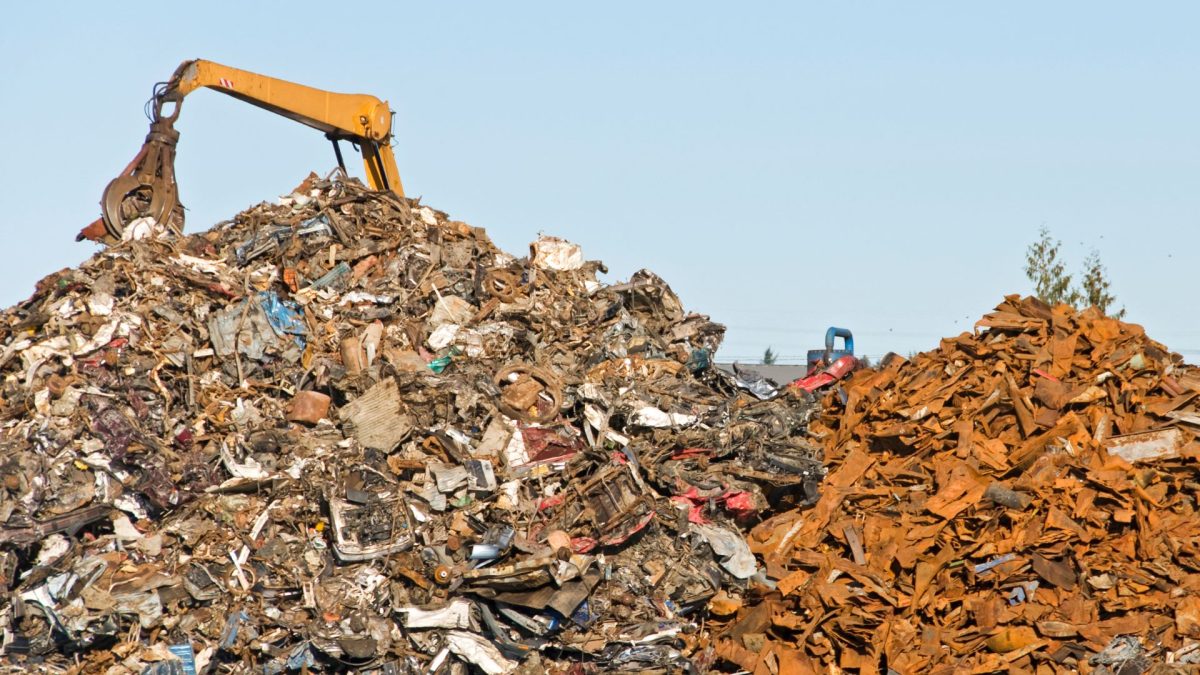
Scrap metal removal plays a crucial role in decreasing the burden on landfills. Metals such as steel, aluminum, and copper, when discarded carelessly, occupy significant space in landfills and can remain there for decades without decomposing. By collecting and recycling these metals, communities can drastically reduce the amount of waste accumulating in local landfill sites. The process also minimizes the environmental hazards associated with leachate, a toxic liquid generated when metals and other materials interact with water and waste in landfills. This practice not only conserves space but also mitigates the risk of soil and water contamination, ensuring that local ecosystems remain healthier and more resilient. Additionally, responsible scrap metal management promotes cleaner neighborhoods and urban spaces, as metal debris is often bulky and unsightly, contributing to visual pollution if left unattended.
Recycling scrap metal also conserves natural resources by reducing the need to mine new metals from the earth. Mining operations can be highly destructive, leading to deforestation, habitat loss, and pollution from heavy machinery and chemicals used in extraction processes. By diverting metal waste from landfills and reintroducing it into the manufacturing cycle, communities can lessen the demand for raw material extraction. This helps preserve biodiversity and reduces the energy and water consumption required for processing newly mined metals. Ultimately, scrap metal collection not only supports a cleaner environment but also encourages sustainable resource use, fostering a more responsible approach to material consumption.
Conserving Energy Through Metal Recycling
The recycling of scrap metals consumes significantly less energy than producing metals from virgin ore. For example, recycling aluminum can save up to 95 percent of the energy required to create new aluminum products, while steel recycling can save roughly 60 percent. This energy reduction translates into fewer greenhouse gas emissions, directly benefiting the atmosphere by slowing down climate change. By collecting and recycling scrap metal, industries can lower their carbon footprint substantially. This, in turn, supports global efforts to reduce the adverse effects of industrialization on the environment. The energy saved can also be redirected to other sustainable projects, enhancing overall efficiency in resource management.
Furthermore, energy conservation through metal recycling has economic benefits that complement environmental advantages. Reduced energy use lowers operational costs for metal manufacturers, making recycling a financially viable and environmentally sound choice. This creates a feedback loop in which industries are incentivized to invest in sustainable practices, leading to broader environmental gains. Communities also benefit from improved air quality and reduced pollution, which can positively affect public health. By prioritizing scrap metal collection, both businesses and individuals contribute to a greener, more energy-efficient world, highlighting the tangible benefits of thoughtful waste management.
Reducing Greenhouse Gas Emissions
Scrap metal removal has a direct impact on lowering greenhouse gas emissions. Manufacturing metals from raw ore requires extensive energy, usually derived from fossil fuels. This process releases significant amounts of carbon dioxide and other harmful gases into the atmosphere. Recycling scrap metals instead of producing them from scratch cuts down on these emissions substantially, helping combat global warming. Each ton of metal recycled represents a measurable reduction in greenhouse gases, which collectively contributes to a healthier planet. By supporting initiatives that focus on scrap metal collection, communities actively participate in mitigating climate change and promoting cleaner air quality.
In addition, fewer emissions mean that ecosystems suffer less from acid rain, smog, and other pollution-related damage caused by industrial activity. By incorporating scrap metal removal into regular waste management practices, businesses and households can take tangible steps toward environmental stewardship. Encouraging this process within local communities fosters awareness and motivates further action in sustainability efforts. The benefits extend beyond emissions reduction; recycling scrap metals also prevents the accumulation of harmful metals in natural habitats, ensuring that soil, water, and wildlife are safeguarded against toxic contamination.
Preserving Natural Resources
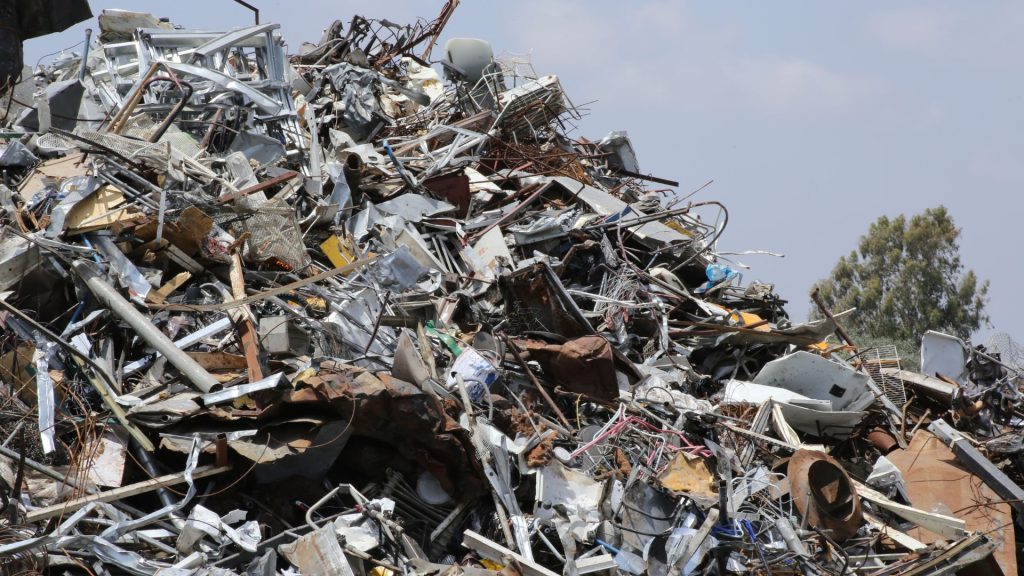
Scrap metal recycling preserves valuable natural resources by reducing the need for new raw materials. Metals such as copper, iron, and aluminum are finite, and their extraction can cause extensive environmental degradation. By reprocessing metals from discarded items, communities can conserve these essential resources for future generations. This approach diminishes the environmental toll of mining operations, which often involve deforestation, soil erosion, and water pollution. With each ton of metal recycled, the demand for newly mined material decreases, contributing to more sustainable industrial practices and a lower ecological footprint.
Moreover, preserving natural resources helps maintain a balanced ecosystem. Mining activities disrupt wildlife habitats and can negatively impact biodiversity, while recycling reduces the necessity for such interventions. Communities that emphasize scrap metal collection actively support resource conservation and environmental sustainability. This responsible approach ensures that critical materials remain available while minimizing damage to ecosystems. By fostering a culture of recycling, society can shift toward more mindful consumption patterns, ultimately benefiting the environment and future generations alike.
Minimizing Soil and Water Pollution
Improper disposal of scrap metals often leads to soil and water contamination. Metals such as lead, mercury, and cadmium can leach into the ground, harming plants, animals, and humans. By participating in scrap metal removal, these pollutants are diverted from natural environments and processed safely through recycling facilities. This practice reduces the risk of contamination and ensures that toxic substances are contained, protecting both terrestrial and aquatic ecosystems. Cleaner soil and water contribute to healthier communities, preserving biodiversity and promoting sustainable development.
Scrap metal recycling facilities follow strict environmental protocols to manage potentially hazardous materials safely. This controlled handling prevents metals from entering ecosystems where they can cause long-term damage. By supporting scrap metal collection and recycling initiatives, communities encourage responsible waste management practices. This not only prevents pollution but also enhances public awareness about environmental risks associated with careless disposal. Over time, these efforts contribute to more resilient ecosystems and a safer, healthier environment for all living beings.
Supporting Circular Economy Practices
Scrap metal removal is a cornerstone of the circular economy, where materials are continuously reused rather than discarded. By recycling metals, industries can create new products from old materials, reducing the reliance on virgin resources. This cyclical approach promotes sustainability by minimizing waste and encouraging efficient resource use. Communities that engage in scrap metal collection contribute to a system where materials retain value beyond their initial use, fostering innovation in recycling and sustainable manufacturing techniques.
The circular economy also drives economic opportunities through job creation in recycling and remanufacturing sectors. As demand for recycled metals grows, more positions emerge in collection, sorting, processing, and logistics. This not only supports local economies but also strengthens the environmental impact of sustainable practices. By embracing scrap metal removal, society invests in a long-term strategy that balances ecological responsibility with economic growth. Each recycled item becomes a building block for a more sustainable future.
Reducing Resource Extraction Impacts
Mining and metal extraction can have devastating environmental effects, including habitat destruction, water pollution, and high energy consumption. Scrap metal removal alleviates the need for excessive extraction by supplying recycled materials to manufacturers. This practice significantly diminishes the ecological footprint associated with resource acquisition, protecting forests, rivers, and wildlife. By diverting metals from landfills to recycling facilities, communities actively reduce the destructive consequences of mining operations and support more sustainable industrial practices.
Additionally, reducing resource extraction lessens the strain on water supplies, as mining processes often consume vast amounts of water. It also decreases soil erosion and preserves local landscapes, contributing to overall environmental health. Through scrap metal collection and recycling, society can achieve a balance between industrial growth and ecological preservation. Encouraging widespread participation in these initiatives ensures that environmental impacts from resource extraction are minimized, paving the way for a healthier and more sustainable world.
Encouraging Responsible Industrial Practices
Scrap metal removal encourages industries to adopt responsible practices by emphasizing the value of recycled materials. Manufacturers increasingly recognize the economic and environmental benefits of sourcing metals from recycling streams rather than virgin ore. This shift promotes more sustainable production methods and reduces the harmful emissions and energy consumption associated with traditional metal manufacturing. Communities that prioritize scrap metal collection support these industrial changes and contribute to broader sustainability goals.
Furthermore, responsible industrial practices foster innovation in recycling technology and waste management. Companies are incentivized to develop more efficient processing techniques, create eco-friendly products, and minimize operational waste. By aligning community efforts with industrial sustainability, scrap metal removal strengthens the connection between consumers and producers in environmental stewardship. This collaborative approach ensures that the benefits of recycling extend beyond local communities to the global scale.
Reducing Urban Clutter and Promoting Safe Communities
Scrap metal removal contributes to cleaner, safer urban environments by eliminating hazardous materials from public and private spaces. Abandoned metal objects, from old appliances to construction debris, can pose physical dangers and attract pests. By regularly collecting and recycling scrap metals, neighborhoods become more orderly, visually appealing, and safer for residents. Clean urban spaces enhance quality of life, foster community pride, and reduce potential injuries associated with neglected debris.
In addition, organized scrap metal collection supports emergency preparedness by reducing obstacles in public spaces that could impede movement or access. Recycling these materials ensures they are safely processed and repurposed, preventing accidents and environmental hazards. Communities that implement systematic scrap metal removal initiatives encourage responsible behavior, promote public safety, and strengthen social cohesion. This practice also highlights the broader benefits of proactive waste management in maintaining a functional and sustainable urban ecosystem.
Promoting Environmental Awareness and Education
Scrap metal removal initiatives often serve as educational tools to raise awareness about sustainability and environmental responsibility. Schools, communities, and organizations can use scrap metal drives to teach the importance of recycling, conservation, and responsible waste management. These programs inspire individuals to consider the broader implications of their consumption habits and encourage long-term environmentally conscious behaviors.
Educational campaigns associated with scrap metal collection emphasize the life cycle of materials and the impact of improper disposal. Participants learn how recycling conserves energy, reduces emissions, and protects natural resources. By integrating scrap metal removal into community outreach and education, society fosters a culture of sustainability that extends beyond immediate environmental benefits. Awareness initiatives strengthen the connection between daily actions and global ecological outcomes, motivating collective responsibility for the planet’s health.
Conclusion
Scrap metal removal provides substantial environmental benefits that extend from energy conservation to pollution prevention and resource preservation. By participating in recycling initiatives, communities reduce landfill waste, lower greenhouse gas emissions, and promote responsible industrial practices. These efforts also support circular economy principles, enhance public safety, and encourage sustainable urban development. Individuals and organizations that prioritize scrap metal recycling play a vital role in protecting natural ecosystems and fostering a culture of environmental responsibility.
For residents and businesses in Palatine, IL, 24-7 Junk Removal offers professional junk removal services that make sustainable scrap metal disposal easy and efficient. Their team ensures that unwanted metals are responsibly collected, processed, and recycled, contributing to cleaner communities. Contact 24-7 Junk Removal at (773) 309-6966 or visit their location at 611 W. Wise Schaumburg, IL 60193 to schedule service. Their dedicated staff can answer questions via email at support@24-7junk.com and provide solutions for all your junk removal needs, helping you take meaningful steps toward environmental stewardship.